

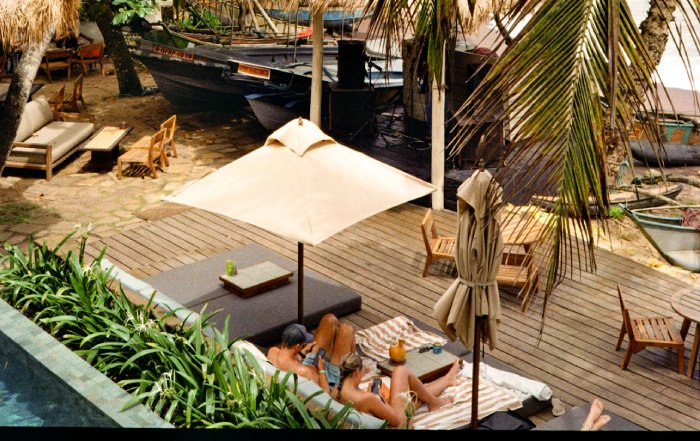
Working Remotely from a Tropical Paradise: How This Year has so far Redefined the Global Workplace
The New Geography of Work
The idea that professional success must be tied to a permanent office say in New York, London, or Berlin has been fundamentally rewritten. High-speed connectivity, cloud-based collaboration tools, and a new generation of location-independent professionals have made it possible for knowledge workers to relocate their daily routines from traditional business districts to beaches in Thailand, eco-lodges in Costa Rica, or island hubs in Indonesia. For the global audience of WorldWeTravel.com, which has long blended a passion for travel with serious professional ambitions, this shift is not a passing trend but a structural transformation in how work, lifestyle, and mobility intersect.
While the rise of remote work accelerated in the early 2020s, the current landscape in 2026 is defined less by emergency adaptation and more by deliberate design. Governments from Portugal to Barbados have formalized digital nomad visas; multinational employers have implemented remote-first or hybrid policies; and an entire ecosystem of co-living spaces, wellness-oriented resorts, and business-ready hotels has emerged to serve professionals who want to work from tropical locations without compromising on productivity, security, or career progression. For those considering this transition, understanding the realities behind the dream is essential, and that is where the experience and curated guidance of WorldWeTravel.com becomes particularly relevant, from choosing strategic destinations to navigating the complexities of cross-border work.
Why Tropical Paradises Became Strategic Work Hubs
The appeal of working remotely from a tropical paradise has always been intuitive: warm weather, scenic coastlines, and a slower pace of life offer a compelling alternative to crowded commutes and grey winters. Yet the transformation of such locations into viable, long-term bases for serious work required infrastructure and policy changes that only matured in the last few years. Many countries in Southeast Asia, Central America, and island regions in the Caribbean and Indian Ocean invested heavily in high-speed fiber networks, reliable 4G and 5G coverage, and modern co-working facilities, making it possible for professionals to participate in video conferences with New York or Singapore as easily as they might from an office tower.
According to data from the World Bank, global broadband penetration and affordability have improved significantly since 2020, enabling a broader segment of the workforce to consider relocation without sacrificing connectivity. Meanwhile, organizations such as the International Labour Organization have documented the growing normalization of remote and hybrid work arrangements across Europe, North America, and Asia, confirming that this is no longer a fringe lifestyle but an accepted mode of professional engagement. For many employers, allowing staff to work from tropical destinations has become a way to attract and retain talent, reduce real estate costs, and support employee well-being, provided that clear performance metrics and secure digital infrastructure are in place.
For travelers and professionals using WorldWeTravel.com, this means that the dream of taking a long-term assignment from Bali, Phuket, or the Canary Islands can now be evaluated with the same rigor as a conventional relocation, incorporating factors such as connectivity, cost of living, healthcare, schooling for children, and access to international flights, all of which are covered in depth across the platform's travel and global insights.
Digital Nomad Visas and the Regulatory Landscape
One of the most significant developments enabling remote work from tropical destinations has been the introduction of digital nomad and remote worker visas. Countries such as Barbados, Costa Rica, Thailand, and Portugal have recognized that attracting location-independent professionals can stimulate local economies without displacing traditional employment. These visas typically allow stays ranging from six months to several years, often with streamlined application processes, proof of income requirements, and restrictions on working for local employers.
For individuals and businesses, understanding the legal framework is critical. Organizations like the OECD have highlighted the tax complexity that arises when employees work across borders for extended periods, including the potential creation of permanent establishment risks and dual tax residency issues. Professionals considering a move to a tropical paradise must therefore coordinate with employers, tax advisors, and immigration experts to ensure compliance, particularly when working for companies based in the United States, United Kingdom, Germany, or other high-regulation jurisdictions.
Authoritative resources such as the official portals of Visit Barbados, Thailand's Board of Investment, or the Portuguese Immigration and Borders Service provide up-to-date details on eligibility, documentation, and permitted activities, while legal analyses from firms referenced by the International Bar Association can help clarify obligations around social security, tax treaties, and employment law. On WorldWeTravel.com, these regulatory dimensions are increasingly integrated into destination profiles, allowing readers to align their professional realities with their aspirations for life in a tropical setting.
Economic and Cost-of-Living Considerations
The economic rationale for working remotely from a tropical paradise is often framed in terms of arbitrage: earning a salary in dollars, euros, or pounds while living in a lower-cost environment. In 2026, this remains a powerful driver, particularly for professionals from Canada, Australia, France, Italy, Spain, the Netherlands, and Switzerland, where living costs in major cities have steadily increased. Data from the International Monetary Fund and cost-of-living comparisons from sources like Numbeo show that many tropical destinations offer significantly lower housing, food, and transportation expenses, enabling higher savings rates or a more comfortable lifestyle at the same income level.
However, the economic equation is nuanced. Certain island destinations and tourism-driven economies can have surprisingly high prices for imported goods, healthcare, or international schooling. Currency volatility can also affect the real value of income, especially when salaries are paid in one currency and expenses in another. Professionals must therefore plan with a long-term perspective, considering not only monthly costs but also retirement contributions, emergency funds, and the potential impact of inflation. The economy section of WorldWeTravel.com increasingly focuses on these dynamics, helping readers evaluate whether a particular destination aligns with their financial goals rather than simply their short-term lifestyle aspirations.
For employers, the economic implications are similarly complex. Some organizations have introduced location-based pay adjustments, while others maintain standardized global salary bands to avoid perceptions of inequity. Guidance from bodies such as SHRM (the Society for Human Resource Management) and research from leading business schools, including INSEAD and London Business School, emphasize the importance of transparent compensation policies, clear communication, and alignment with overall talent strategies when supporting remote work from low-cost tropical destinations.
Technology, Infrastructure, and Cybersecurity
The viability of working remotely from a beach town in Thailand or an island in Indonesia ultimately depends on more than beautiful scenery; it requires robust digital infrastructure and strong cybersecurity practices. Over the past few years, investments in undersea cables, data centers, and 5G networks have significantly improved connectivity across much of Asia, Latin America, and Africa, with organizations such as the International Telecommunication Union tracking these developments. In many tropical hubs, co-working spaces now offer enterprise-grade internet, backup generators, and quiet zones designed for video conferencing with teams in Japan, South Korea, Norway, Denmark, or Finland.
Yet the distributed nature of remote work also expands the attack surface for cyber threats. The World Economic Forum and ENISA (the European Union Agency for Cybersecurity) have repeatedly warned that unsecured public Wi-Fi, personal devices, and cross-border data transfers can expose both individuals and organizations to significant risk. Professionals working from tropical locations must therefore adopt rigorous security practices, including the use of corporate VPNs, multi-factor authentication, encrypted communication tools, and adherence to company data protection protocols.
For many readers of WorldWeTravel.com, technology is both an enabler and a source of concern, particularly when handling sensitive client data or intellectual property while traveling. The platform's technology and work sections increasingly address best practices for secure remote collaboration, drawing on recommendations from bodies like NIST in the United States and the UK's National Cyber Security Centre, helping ensure that the decision to work from a tropical paradise does not compromise professional integrity or organizational trust.
Health, Well-Being, and Sustainable Productivity
Working from a tropical paradise is often associated with improved well-being: more time outdoors, access to fresh food, and the psychological benefits of living closer to nature. Research from institutions such as the World Health Organization and Harvard T.H. Chan School of Public Health has long highlighted the positive impact of physical activity, sunlight, and reduced stress on long-term health outcomes and cognitive performance. Many remote professionals report that the ability to swim before work, walk on the beach at sunset, or integrate yoga and mindfulness into their daily routines has helped them achieve a healthier balance between professional and personal life.
However, sustainable productivity requires more than a beautiful setting. Time zone differences can lead to irregular working hours, late-night calls, and blurred boundaries between work and leisure, particularly for those collaborating with teams in North America, Europe, or Asia simultaneously. Mental health organizations, including the American Psychological Association and Mind in the United Kingdom, stress the importance of routine, social connection, and clear separation between work and rest, even when living in an idyllic location. Without deliberate structure, professionals can experience isolation, burnout, or a sense that they are "always on," despite the apparent freedom of their environment.
For families considering relocation, health and well-being also encompass access to quality medical care, vaccination schedules, and emergency services. The Centers for Disease Control and Prevention and TravelHealthPro in the UK provide detailed guidance on vaccinations, tropical diseases, and local health risks, which should be factored into planning, especially for children or individuals with chronic conditions. On WorldWeTravel.com, the health and family sections increasingly curate expert-informed checklists and destination-specific health overviews to support informed decision-making for long-term stays in tropical climates.
Family, Education, and Life Stages
The archetype of the remote worker in a tropical paradise is often a single professional or a couple without children, but by 2026 a growing number of families have embraced long-term mobility. For parents from the United States, Canada, Germany, Sweden, or Singapore, relocating to a tropical destination can offer children exposure to new languages, cultures, and outdoor lifestyles that would be difficult to replicate in urban environments. International schools in hubs such as Bangkok, Phuket, Bali, and Phuket now cater to global families with curricula aligned to IB, British, or American standards, and organizations like the Council of International Schools provide directories and accreditation information to support school selection.
Yet the decision to move with a family is complex. Parents must weigh the quality and cost of education, the availability of extracurricular activities, safety, and the impact of frequent moves on children's social networks. Resources such as UNICEF and the OECD offer research on child well-being, mobility, and education outcomes that can help frame these decisions. For some families, a base in a tropical region with periodic returns to their home country may offer the right balance, while others may opt for a multi-year commitment to a single destination to provide stability.
WorldWeTravel.com has increasingly tailored its family and culture content to reflect these realities, highlighting not only the attractions and leisure opportunities of tropical destinations but also the lived experience of schooling, healthcare, community integration, and long-term planning for children and teenagers.
Business Travel, Hotels, and Hybrid Mobility
Even as remote work from tropical paradises becomes more common, business travel has not disappeared; instead, it has evolved. Many professionals now base themselves in tropical regions while traveling periodically to major business centers in Europe, North America, or Asia for key meetings, client engagements, or team retreats. Airlines and hotel groups, including Singapore Airlines, Emirates, Marriott International, and Accor, have adapted by offering flexible fare structures, extended-stay packages, and loyalty programs tailored to remote professionals who blend leisure and work across multiple locations.
For those working remotely from tropical destinations, the choice of accommodation is no longer limited to short-term vacation rentals. Business-ready hotels, serviced apartments, and co-living spaces now provide dedicated work areas, reliable connectivity, meeting rooms, and wellness facilities, acknowledging that guests may be staying for months rather than days. Industry reports from organizations like the World Travel & Tourism Council and Skift highlight how hospitality providers are redesigning spaces and services around the "work from anywhere" demographic.
On WorldWeTravel.com, the hotels and business sections increasingly focus on accommodations and service models that support sustained productivity, from resorts in Mexico that offer on-site childcare and co-working lounges to eco-retreats in Costa Rica that integrate high-speed internet with conservation-focused experiences. This reflects the platform's commitment to helping readers make choices that align with both professional demands and personal values.
Sustainability, Culture, and Responsible Presence
The presence of remote workers in tropical paradises brings not only economic benefits but also significant responsibilities. Popular destinations in Thailand, Indonesia, Mexico, South Africa, Brazil, and Malaysia are grappling with the environmental impact of increased long-term visitors, including pressure on water resources, waste management systems, and fragile ecosystems such as coral reefs and mangroves. Organizations like the United Nations Environment Programme and WWF have underscored the need for sustainable tourism and responsible long-stay practices, urging both governments and individuals to adopt measures that minimize ecological footprints.
Cultural impact is equally important. Tropical communities are not backdrops for social media content but living societies with their own histories, traditions, and economic realities. Anthropological research and guidance from bodies such as UNESCO emphasize the importance of cultural sensitivity, fair engagement with local businesses, and respect for local norms and laws. Remote workers who approach their host destinations as long-term guests, rather than transient consumers, are more likely to build meaningful connections, contribute positively to local economies, and avoid reinforcing inequalities or displacement.
Reflecting this perspective, WorldWeTravel.com has expanded its eco and retreat content to highlight destinations, accommodations, and experiences that prioritize sustainability and community partnership. Readers are encouraged to learn more about sustainable business practices and to align their personal choices-such as housing, transportation, and consumption-with broader commitments to environmental stewardship and social responsibility.
Practical Strategies for Making the Transition
For professionals considering a move to a tropical paradise in 2026, the transition is best approached as a structured project rather than an impulsive escape. Authoritative career resources such as LinkedIn's Economic Graph, McKinsey & Company, and Deloitte have all emphasized the importance of aligning remote work decisions with long-term career trajectories, ensuring that visibility, mentorship, and advancement opportunities are maintained even when working far from headquarters. Clear agreements with employers about performance expectations, communication rhythms, and travel budgets for in-person meetings can prevent misunderstandings and safeguard professional growth.
From a personal planning perspective, it is essential to conduct thorough research on visa options, tax obligations, healthcare, schooling, cost of living, and connectivity before committing to a destination. The tips and travel guides on WorldWeTravel.com are designed to supplement official sources such as government immigration portals, tax authorities, and national tourism boards, offering an integrated view that combines regulatory information with on-the-ground experience. Many professionals choose to test a destination with a three- to six-month stay before making longer-term commitments, allowing them to experience seasonal variations, infrastructure reliability, and community dynamics firsthand.
Health insurance, emergency planning, and contingency arrangements for family or work changes should also be addressed in advance. Global health insurers, international medical networks, and organizations like International SOS provide frameworks for evaluating risk and coverage needs, especially for those working in more remote island or rural settings. By combining this expert guidance with the curated destination knowledge available on WorldWeTravel.com, professionals can move beyond aspirational imagery and design a relocation strategy that is resilient, compliant, and aligned with their values.
The Part of WorldWeTravel in a Borderless Remote Digital Nomad Global Work Era
As remote work from tropical paradises transitions from novelty to normalized option, the need for trustworthy, experience-driven guidance becomes even more critical. WorldWeTravel.com occupies a distinctive position in this ecosystem, serving readers who are simultaneously travelers, professionals, parents, entrepreneurs, and global citizens. The platform's integrated coverage of destinations, work, economy, technology, health, and culture reflects the reality that choosing to work from a tropical paradise is not a single decision but a network of interconnected choices affecting every dimension of life.
The platform's editorial and research teams have drawn on a wide range of expert sources, from international institutions and academic research to interviews with remote professionals and local stakeholders in destinations across Asia, Africa, South America, Europe, and Oceania. This combination of macro-level analysis and ground-level insight enables WorldWeTravel.com to provide not only inspiration but also practical, authoritative guidance for readers in the United States, United Kingdom, Germany, Canada, Australia, France, Italy, Spain, the Netherlands, Switzerland, China, Sweden, Norway, Singapore, Denmark, South Korea, Japan, Thailand, Finland, South Africa, Brazil, Malaysia, New Zealand, and beyond.
For those contemplating the next step in their professional and personal journey, working remotely from a tropical paradise is no longer a distant fantasy but a realistic, if complex, option. With careful planning, respect for local communities, adherence to legal and ethical standards, and a clear understanding of one's own goals, it is possible to build a career that is both globally connected and deeply rooted in the natural beauty and cultural richness of tropical regions. WorldWeTravel.com remains committed to guiding that journey, offering the knowledge, perspectives, and trust that global professionals need to navigate a world where work and place are no longer bound by traditional borders.
Readers ready to explore this possibility further can begin by visiting the main hub at WorldWeTravel.com and diving into the interconnected resources that illuminate how to live, work, and thrive in the world's most inspiring tropical destinations.