

Green City Breaks in Copenhagen: A Guide for Conscious Travelers and Business Leaders
Copenhagen's Evolution into a Model Green City
Copenhagen has moved decisively from being a stylish Nordic capital to becoming one of the world's most persuasive real-life demonstrations of how sustainability, quality of life, and economic competitiveness can reinforce one another. For readers of WorldWeTravel.com, who increasingly evaluate destinations not only by their cultural appeal and hotel offerings but also by their environmental footprint and impact on family health, business productivity, and long-term resilience, Copenhagen stands out as a benchmark city that feels less like a laboratory and more like a livable, welcoming community.
The Danish capital's ambition to become carbon neutral by 2025, outlined by the City of Copenhagen, has shaped urban planning, transport, energy systems, and tourism strategy for more than a decade. While that target has been challenging and continues to evolve, the city's progress is evident in almost every aspect of daily life, from the dominance of bicycles on its streets to the integration of green roofs, harbor swimming zones, and circular-economy thinking in its business districts. Visitors arriving for a weekend city break, a family holiday, or a corporate retreat quickly discover that sustainable choices are not add-ons; they are the default. For travelers planning their next trip via the curated destination insights on WorldWeTravel Destinations, Copenhagen offers a template for what a modern, low-carbon city break can look like without sacrificing comfort or convenience.
A City Designed Around People, Not Cars
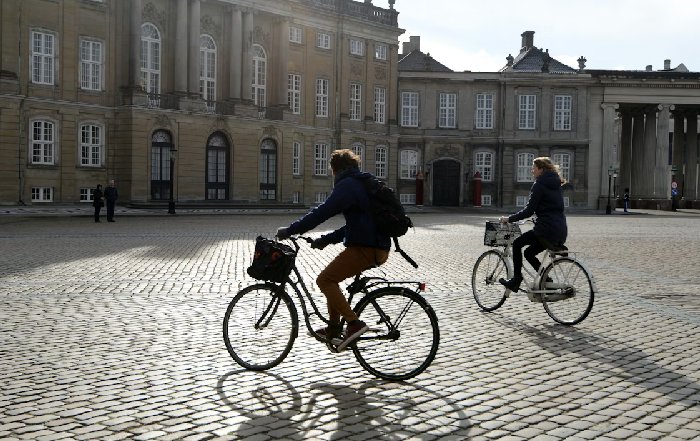
Copenhagen's long-standing decision to prioritize people over private cars is visible the moment visitors step out of the central station or the modern terminals at Copenhagen Airport. The city's extensive cycling network, which includes protected bike lanes, "cycle superhighways," and carefully timed traffic lights that favor cyclists, has made it one of the world's leading cycling capitals, regularly highlighted by organizations such as Copenhagenize Design Co. and featured in international urban mobility rankings. Travelers who might rely on taxis in other cities quickly find that renting a bicycle is often the fastest, most pleasant, and most environmentally responsible way to move between hotels, meeting venues, cultural sites, and waterfront districts.
For those who prefer public transport, the driverless metro, suburban trains, and electric buses form an integrated system that makes car-free travel effortless. Visitors can review broader guidance on sustainable transport planning through resources such as the International Transport Forum at the OECD, which frequently references Nordic best practices, and then experience those ideas in action on the ground in Copenhagen. Business travelers in particular, who often face packed schedules and multiple cross-city transfers, benefit from the reliability and frequency of the network, a factor that increasingly influences corporate travel policies and destination choices. When companies plan meetings and incentive trips through platforms like WorldWeTravel Business Travel, Copenhagen's mobility ecosystem becomes a strong differentiator, reducing travel stress while aligning with corporate emissions reduction commitments.
Sustainable Accommodation and the New Green Hotel Standard
Copenhagen's hotel landscape has undergone a significant transformation as climate expectations have tightened and travelers have become more discerning. Leading properties such as Copenhagen Admiral Hotel, Hotel SP34, and the Crowne Plaza Copenhagen Towers have invested in energy-efficient building technologies, smart climate controls, and waste reduction programs, often going beyond compliance to achieve recognized international certifications like Green Key and Nordic Swan Ecolabel. These labels, which are supported by organizations such as the Nordic Ecolabelling Board, provide third-party assurance that environmental performance claims are backed by measurable criteria rather than marketing rhetoric.
For visitors comparing options on WorldWeTravel Hotels, the Copenhagen market offers a growing number of properties that integrate sustainability into the guest experience in subtle but meaningful ways, from low-impact breakfast buffets featuring seasonal, locally sourced ingredients to refillable bathroom amenities and furniture made from reclaimed materials. Corporate travel managers referencing frameworks from the Global Sustainable Tourism Council increasingly expect these features as standard, rather than as premium add-ons. The result is a competitive environment where hotels must demonstrate not only comfort and location but also credible environmental performance, transparent reporting, and alignment with broader city goals.
Green Business Travel and Corporate Responsibility
As companies in the United States, United Kingdom, Germany, and across the global economy refine their environmental, social, and governance (ESG) strategies, destination choices have become strategic decisions rather than purely logistical ones. Copenhagen's reputation as a hub for clean technology, renewable energy, and sustainable urban design makes it particularly attractive for conferences and executive retreats focused on the future of work, climate risk, and innovation. Organizations like State of Green, a Danish public-private partnership, showcase the country's green solutions to international delegations and provide structured learning experiences that link site visits with policy and business insights, which can be explored further through the State of Green knowledge platform.
For executives and policy leaders who rely on WorldWeTravel.com to align travel with corporate values, Copenhagen offers a living case study that complements global frameworks such as the UN Sustainable Development Goals and the science-based targets promoted by the Science Based Targets initiative. Meetings hosted in the city's modern, energy-efficient conference venues, many of which have integrated waste sorting, low-carbon catering, and digital infrastructure to reduce paper use, enable organizations to demonstrate tangible commitment to climate action. At the same time, the city's human-scale design and outdoor spaces support higher-quality networking, informal collaboration, and well-being, which are increasingly recognized as key drivers of productivity and retention in the evolving global workplace, a theme explored across WorldWeTravel Work & Travel.
Family-Friendly Sustainability: Learning Through Experience
Copenhagen's green credentials are not limited to corporate agendas; they are woven into the everyday experiences of residents and visitors of all ages. Families exploring the city quickly notice how parks, playgrounds, and waterfront promenades are integrated into neighborhoods, encouraging outdoor activity and social interaction. Locations such as Superkilen Park in Nørrebro and the harbor baths at Islands Brygge exemplify how public spaces can be both inclusive and climate-aware, incorporating resilient landscaping, flood management features, and safe, clean water that is regularly monitored to meet strict standards set by authorities such as the European Environment Agency.
Parents planning multi-generational trips via WorldWeTravel Family Travel will find that Copenhagen's museums, science centers, and cultural institutions frequently embed environmental themes into their exhibits. The Experimentarium science center, for example, features interactive displays on energy, water, and climate that allow children to understand complex issues through play. Meanwhile, the renowned Copenhagen Zoo has expanded its conservation and education programs, aligning with global efforts coordinated by bodies such as the World Association of Zoos and Aquariums. These experiences help children connect the idea of sustainability with tangible examples, reinforcing the notion that green living is not an abstract policy goal but a practical, enjoyable way of life.
Nordic Food Culture and the Rise of Climate-Conscious Dining
Copenhagen's culinary reputation was transformed in the early 2000s by the New Nordic Cuisine movement, championed by restaurants such as Noma and Geranium, which emphasized local, seasonal, and foraged ingredients. In 2026, the city's gastronomic scene continues to evolve, with a stronger focus on plant-forward menus, food waste reduction, and transparent supply chains. Many restaurants now collaborate directly with urban farms, community gardens, and small producers, reflecting broader European trends documented by organizations like the European Commission's Farm to Fork Strategy.
Visitors seeking practical guidance on sustainable dining can consult resources such as the EAT Foundation, which promotes healthy and sustainable diets, and then explore how these concepts manifest in Copenhagen's cafes, food halls, and fine-dining establishments. From vegetable-driven tasting menus at Ark to organic street food at Reffen, the city offers a spectrum of options that align with different budgets and dietary preferences while maintaining a consistent commitment to environmental responsibility. For travelers using WorldWeTravel Travel Guides, this culinary landscape demonstrates that low-impact eating can be both sophisticated and accessible, offering a model that cities from Singapore to São Paulo increasingly seek to emulate.
Urban Nature, Wellness, and Green Retreats
In a world where mental health and burnout have become central concerns for professionals across North America, Europe, and Asia, Copenhagen's integration of nature into urban life offers a compelling argument for choosing the city as a destination for restorative short breaks and corporate wellness retreats. The city's extensive network of parks, waterfronts, and bicycle paths encourages active lifestyles, while easy access to nearby forests and beaches allows visitors to combine urban exploration with nature-based experiences. National health authorities, including the World Health Organization's Regional Office for Europe, have increasingly emphasized the role of green spaces in promoting mental and physical well-being, and Copenhagen's planning philosophy reflects this evidence.
Companies organizing off-sites or leadership programs around resilience, creativity, and health can combine meeting agendas with outdoor activities such as guided cycling tours, harbor swimming, or mindfulness sessions in parks like Kongens Have. For readers exploring restorative options through WorldWeTravel Retreats, Copenhagen offers a distinctive blend of urban sophistication and nature-based calm. The city's emphasis on clean air, safe public spaces, and accessible recreation is particularly appealing to visitors from densely populated urban centers in Asia and North America, where such qualities are often harder to find and therefore highly valued.
Circular Economy and Green Innovation in Practice
Beyond its appeal as a leisure and business destination, Copenhagen functions as a laboratory for circular economy solutions that are increasingly relevant to global supply chains and corporate strategy. The city hosts a growing ecosystem of startups, research institutions, and public-private partnerships focused on areas such as waste-to-energy, resource efficiency, and green construction. Facilities like CopenHill, the waste-to-energy plant topped by a ski slope and hiking trail, have become iconic symbols of how infrastructure can be reimagined to serve multiple functions, combining energy production, recreation, and architectural innovation. Professionals interested in the broader implications of circular models can explore frameworks from the Ellen MacArthur Foundation, which has frequently cited Nordic examples in its global case studies.
For executives and policymakers who rely on WorldWeTravel.com as a lens into how destinations reflect larger economic trends, Copenhagen's innovation ecosystem underscores the close relationship between tourism, technology, and the green transition. The city's universities and research centers collaborate with international partners from Germany, the Netherlands, South Korea, and beyond, reinforcing its role as a node in a global network of climate solutions. Visitors attending conferences on renewable energy, smart cities, or sustainable finance can use their time in Copenhagen to observe how abstract concepts are translated into everyday practice, gaining insights that can be applied back in their home markets.
Health, Air Quality, and the Future of Urban Living
The experience of the COVID-19 pandemic and subsequent public health challenges has left many travelers more attentive to the links between environmental quality, resilience, and personal health. Copenhagen's relatively low air pollution levels, high water quality, and emphasis on active transport contribute to a healthier urban environment, an advantage that becomes increasingly important as cities worldwide grapple with heatwaves, traffic congestion, and respiratory illnesses. Health-conscious travelers can find comparative data and guidance through organizations such as the World Health Organization and the OECD's Better Life Index, which consistently highlight the Nordic region's performance on health and well-being indicators.
For readers navigating WorldWeTravel Health & Travel, Copenhagen offers reassurance that a city break need not involve compromising on clean air, safe drinking water, or access to outdoor exercise. The city's health infrastructure, high vaccination coverage, and robust emergency services further enhance its appeal for families and older travelers who prioritize safety and stability. As climate change intensifies, destinations that combine environmental stewardship with strong health systems are likely to become even more sought after, and Copenhagen's integrated approach positions it favorably in this evolving landscape.
Culture, Heritage, and Sustainability as a Shared Story
Copenhagen's cultural life, from its design museums and contemporary art galleries to its historic palaces and maritime heritage, is increasingly interpreted through the lens of sustainability. Institutions such as the Danish Architecture Center showcase how design, architecture, and urban planning can respond to climate risks like sea-level rise and extreme weather, often referencing broader European and global challenges documented by bodies such as the Intergovernmental Panel on Climate Change. Visitors interested in the intersection of culture and climate can explore exhibitions, talks, and walking tours that highlight how the city's built environment has evolved to balance preservation with innovation.
For readers using WorldWeTravel Culture & Travel to identify destinations where art, history, and contemporary issues intersect, Copenhagen offers a compelling narrative. The city's design DNA, visible in everything from bicycle infrastructure to furniture and lighting, reflects a long-standing commitment to functionality, simplicity, and human-centered thinking. In recent years, this design heritage has been reinterpreted through a sustainability lens, influencing everything from waterfront redevelopment projects to social housing. Travelers from culturally rich markets such as France, Italy, and Japan, where design and heritage are central to national identity, often find in Copenhagen a kindred spirit that approaches modern challenges with aesthetic sensitivity and pragmatic innovation.
Practical Tips for a Low-Impact City Break
Planning a green city break in Copenhagen involves a series of small decisions that collectively shape the environmental footprint and overall quality of the trip. Choosing direct flights where possible, opting for rail connections from neighboring countries such as Germany and Sweden, and using public transport or bicycles within the city are foundational steps that align with guidance from organizations like the International Air Transport Association on reducing travel-related emissions. Once in the city, selecting eco-certified hotels, supporting restaurants that prioritize local and seasonal produce, and respecting local recycling and waste-sorting practices further reduce impact.
For travelers seeking structured guidance, WorldWeTravel Eco Travel and WorldWeTravel Travel Tips provide frameworks and checklists that can be adapted to Copenhagen and other global destinations, from Singapore to São Paulo and from Cape Town to Vancouver. Visitors are also encouraged to explore local resources, including the VisitCopenhagen sustainability pages, which outline city-specific initiatives and responsible tourism guidelines. By approaching trip planning as an opportunity to align personal or corporate values with on-the-ground choices, travelers can transform a weekend city break into a meaningful contribution to the broader transition toward low-carbon, resilient urban living.
Copenhagen as a Blueprint for Global Green Travel
As the year unfolds, the pressures of climate change, geopolitical uncertainty, and evolving workplace expectations continue to reshape how people travel, work, and connect across borders. In this context, Copenhagen offers more than a pleasant weekend destination; it serves as a blueprint for how cities in Europe, North America, Asia, and beyond might reconcile economic growth with environmental limits and social well-being. Its achievements are not without challenges or contradictions, and the path to full carbon neutrality remains complex, especially as tourism numbers recover and global supply chains shift. Yet the city's willingness to embed sustainability into every layer of its identity-from transport and housing to culture, cuisine, and corporate strategy-makes it a valuable reference point for decision-makers and travelers alike.
For the global travel loving audience of WorldWeTravel.com, which includes leisure travelers, families, entrepreneurs, and corporate leaders across the United States, United Kingdom, Germany, Canada, Australia, and many other markets, Copenhagen demonstrates that a green city break can be both aspirational and practical. By choosing destinations that invest in clean infrastructure, inclusive public spaces, and transparent environmental governance, travelers send a clear signal to policymakers and businesses about the kind of future they wish to inhabit. In doing so, they transform each trip into a small but meaningful vote for cities that, like Copenhagen, place people, planet, and long-term prosperity at the center of their development story.