

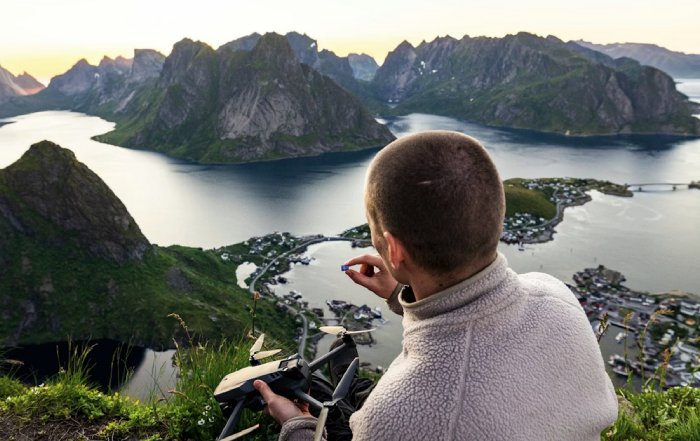
The Top Destinations Attracting Remote Workers
Remote work has moved decisively from an emergency response to a permanent, strategic feature of the global economy, and by 2026 it is shaping how professionals, families, and organizations think about where to live, travel, and conduct business. What began as a rapid shift in 2020 has evolved into a mature model in which hybrid and fully remote arrangements are normalised across sectors, from technology and finance to consulting, media, and professional services. For readers of WorldWeTravel.com, this is no longer just a workplace trend; it is a deeply personal lifestyle and investment narrative that brings together destinations, culture, health, technology, and the global economy, ultimately converging on one critical question: where to live and work next, and how to do so in a way that is sustainable, rewarding, and resilient.
The New Geography of Work in 2026
By 2026, remote workers are not confined to a narrow group of freelancers or early digital nomads; they include senior leaders, software engineers, consultants, designers, academics, and entrepreneurs working for influential organizations such as Microsoft, Google, and a new generation of high-growth start-ups and scale-ups. Governments and city authorities have come to understand that attracting this mobile, often high-earning population can generate substantial benefits for local economies, not only through direct spending on accommodation, restaurants, and services, but also through the development of innovation ecosystems that connect local talent with global networks. The Organisation for Economic Co-operation and Development (OECD) continues to analyse how knowledge workers cluster in cities that combine robust digital infrastructure with high quality of life, and this research has helped shape national strategies and urban planning agendas. Learn more about how digitalisation is reshaping labour markets through the OECD's work on the future of work.
This competition for mobile talent has become more structured and sophisticated. Countries and regions now design remote work visas, tax incentives, and streamlined immigration programmes specifically aimed at remote professionals and their families. For individuals, this translates into an unprecedented spectrum of choice: instead of relocating solely in response to corporate assignments, they can align their work location with personal priorities such as access to nature, cultural depth, international schools, advanced healthcare, and favourable cost-of-living dynamics. On WorldWeTravel.com, readers move fluidly between sections like destinations, family, business, and work, reflecting the reality that decisions about where to live and work now span multiple dimensions of life rather than being confined to short leisure trips or traditional expatriate postings.
How Remote Professionals Evaluate Destinations
The most attractive destinations for remote workers in 2026 tend to excel across a broad set of criteria that extend well beyond appealing scenery or pleasant weather. High-speed, reliable internet and resilient digital infrastructure remain foundational, and countries that invested early in fibre networks, 5G, and data centre capacity-such as South Korea, Singapore, Japan, and several Nordic states-continue to enjoy a structural advantage. The International Telecommunication Union (ITU) tracks connectivity and digital development across regions, and many remote professionals now review such data alongside practical technology insights from WorldWeTravel Technology to ensure that their chosen destination can support video-intensive collaboration, cloud-based workflows, and secure remote access to corporate systems.
Safety, rule of law, and political stability remain central considerations, particularly for families and those planning multi-year stays. Indices produced by the World Economic Forum and the World Bank provide benchmarks for governance quality, infrastructure robustness, and institutional resilience, and remote workers increasingly use these as part of their due diligence before committing to relocation. Health system quality has taken on renewed importance in the wake of the pandemic and subsequent public health challenges. The World Health Organization (WHO) continues to monitor health system performance and preparedness, and many professionals combine this information with the wellness-focused guidance on WorldWeTravel Health when comparing destinations.
Cost of living and housing affordability are equally decisive. Inflationary pressures in major hubs across the United States, United Kingdom, Germany, Canada, Australia, and other advanced economies have led many remote workers to pair salaries denominated in high-income currencies with more affordable destinations in Europe, Asia, Latin America, and Africa. The International Monetary Fund (IMF) and World Bank regularly publish analyses of global inflation, real estate trends, and income dynamics, which remote professionals consult in parallel with the more practical, traveller-focused perspectives on WorldWeTravel Economy, where macroeconomic data are translated into implications for rent levels, everyday expenses, and long-term financial planning.
Beyond these hard metrics, softer yet powerful factors influence decision-making: cultural openness, language, climate, environmental quality, and access to nature and recreation. Global indices such as the UN Human Development Index and city liveability rankings from The Economist Intelligence Unit and Mercer help frame expectations about education, public services, and social cohesion. For many readers, these data points become more meaningful when combined with the narrative destination guides and cultural features available through WorldWeTravel Destinations and WorldWeTravel Culture, which offer a grounded sense of what everyday life feels like in cities from Vancouver and Berlin to Bangkok and Cape Town.
North America: Hybrid Ecosystems and Lifestyle-Driven Moves
In North America, the United States and Canada remain central to the remote work landscape, yet the internal geography of talent has diversified markedly. Iconic hubs such as San Francisco, Seattle, New York, and Boston continue to play a critical role in innovation and finance, but many remote professionals now choose to live in secondary cities and lifestyle regions that offer more space, greater affordability, and easier access to nature. Places like Austin, Denver, Raleigh-Durham, Portland, and Salt Lake City have nurtured strong co-working communities, advanced broadband, and dynamic cultural scenes, often supported by local economic development agencies that explicitly target remote workers as part of their growth strategies. The U.S. Chamber of Commerce and regional business councils document how these emerging hubs leverage remote work to diversify their economies and attract both domestic and international talent.
In Canada, major centres such as Toronto, Vancouver, and Montreal remain attractive for their multicultural environments, strong universities, and robust technology and creative sectors, but remote workers increasingly explore smaller cities and towns in British Columbia, Ontario, Quebec, and the Atlantic provinces. These areas combine natural beauty and outdoor recreation with relatively lower housing costs and access to Canada's public healthcare system, making them appealing to families and professionals seeking long-term stability. Immigration remains a key draw; Immigration, Refugees and Citizenship Canada (IRCC) provides clear pathways for skilled workers and entrepreneurs, and many readers of WorldWeTravel.com pair this official guidance with practical insights from WorldWeTravel Family and WorldWeTravel Travel as they evaluate schooling, safety, and community integration.
Europe: Visa Innovation and High Liveability
Across Europe, the remote work phenomenon has catalysed regulatory innovation and sharpened the competition among cities and regions. The European Union continues to invest in digital transformation and cross-border mobility, while individual countries such as Portugal, Spain, Estonia, Croatia, Greece, and Italy have refined or expanded digital nomad visas and remote work residence permits. Estonia's pioneering e-Residency programme, which enables entrepreneurs to establish and manage EU-based companies from anywhere, remains a reference point for policy innovation and is frequently highlighted in analyses by the European Commission. Professionals considering these routes often consult official EU mobility and migration resources and then turn to WorldWeTravel Global to understand how legal frameworks intersect with everyday realities such as housing markets, co-working availability, and local culture.
Within the United Kingdom, London retains its status as a global financial, legal, and creative powerhouse, yet post-Brexit regulatory shifts and high living costs have encouraged many remote workers to consider regional cities including Manchester, Bristol, Leeds, and Edinburgh, all of which have invested in technology ecosystems and cultural infrastructure. In Germany, Berlin continues to attract start-up founders and creatives, while Munich, Hamburg, and Frankfurt appeal to professionals in engineering, automotive, and finance. France offers a combination of cosmopolitan urban centres such as Paris and Lyon and lifestyle-focused regions like Bordeaux and the French Riviera, which are increasingly popular among remote workers seeking a balance between professional opportunity and culinary, artistic, and outdoor experiences. The Netherlands, with Amsterdam and Rotterdam, and Switzerland, with Zurich and Geneva, consistently rank highly on innovation and quality-of-life indices, supported by strong transport infrastructure, high environmental standards, and sophisticated co-working ecosystems.
The Nordic countries-Sweden, Norway, Denmark, and Finland-continue to stand out for their emphasis on work-life balance, gender equality, and social trust. The World Happiness Report, supported by the United Nations Sustainable Development Solutions Network, regularly places these nations at the top of global rankings, and remote workers interpret these results as indicators of social cohesion, safety, and institutional reliability. For families, these countries offer high-quality public education and healthcare, generous parental leave, and abundant access to nature. Readers weighing moves to Stockholm, Oslo, Copenhagen, or Helsinki often combine macro-level indicators with detailed guidance from WorldWeTravel Tips and WorldWeTravel Destinations to assess seasonal realities, housing markets, and integration pathways.
Asia-Pacific: Digital Powerhouses and Lifestyle Cities
In Asia-Pacific, the interplay of advanced digital infrastructure, high-growth economies, and cultural diversity has created some of the world's most compelling remote work destinations. Singapore continues to serve as a strategic hub for regional headquarters and high-value services, combining world-class connectivity, robust legal frameworks, and a pro-business environment. The World Bank's analyses of business conditions and the World Economic Forum's competitiveness reports consistently highlight Singapore's strengths in infrastructure, education, and governance, making it a preferred base for executives and entrepreneurs who need to travel frequently across Asia. However, high living costs and space constraints lead some remote professionals to adopt a hub-and-spoke approach, using Singapore as a travel and business base while spending extended periods in more affordable regional locations.
South Korea, with Seoul and Busan at the forefront, continues to leverage its ultra-fast internet, advanced electronics industry, and globally influential K-culture to attract technology professionals, creatives, and content producers. Government initiatives to promote start-ups and support foreign entrepreneurs have been documented by agencies such as KOTRA (Korea Trade-Investment Promotion Agency), and the combination of efficient public transport, safety, and vibrant urban culture makes Korean cities particularly attractive to younger remote workers. Japan has also intensified its efforts to revitalise regional areas facing depopulation by courting remote professionals and entrepreneurs, supported by incentive programmes tracked by JETRO (Japan External Trade Organization). Cities like Tokyo and Osaka remain global centres for finance, manufacturing, and culture, while smaller cities and rural prefectures market themselves as serene, heritage-rich bases for long-term stays.
In Southeast Asia, Thailand and Malaysia are firmly established on the remote work map. Bangkok, Chiang Mai, and Phuket offer a blend of relatively affordable living, mature hospitality sectors, and well-developed expatriate and digital nomad communities, supported by initiatives from the Tourism Authority of Thailand to attract long-stay visitors and professionals. Kuala Lumpur and Penang in Malaysia appeal to those seeking multicultural environments, English-friendly communication, and improving digital infrastructure, with agencies such as Malaysia Digital Economy Corporation (MDEC) playing a central role in promoting the country as a digital hub. Regional organisations such as ASEAN analyse how these strategies contribute to economic diversification and skills development, and readers of WorldWeTravel.com often use this context to understand the long-term prospects of the destinations they are considering.
Further south, Australia and New Zealand continue to attract remote workers drawn to their high living standards, strong rule of law, and spectacular natural landscapes. Cities like Sydney, Melbourne, Brisbane, Auckland, and Wellington have robust technology and creative sectors, alongside outdoor-oriented cultures that appeal to families and professionals seeking balance. Agencies such as Austrade and New Zealand Immigration provide detailed guidance on skilled migration and business visas, while WorldWeTravel Retreat and WorldWeTravel Travel help readers imagine day-to-day life, from school runs and surf sessions to co-working in waterfront districts and weekend escapes to wine regions or national parks.
Latin America, Africa, and the Middle East: Emerging and Evolving Hubs
Beyond the traditional centres of North America, Europe, and Asia-Pacific, regions across Latin America, Africa, and the Middle East are emerging as increasingly attractive options, especially for those prioritising climate, cultural immersion, and more accessible cost structures. In Brazil, cities such as Rio de Janeiro draw remote workers in technology, design, and social impact fields, supported by a growing ecosystem of co-working spaces and innovation hubs. The Inter-American Development Bank (IDB) has chronicled how digitalisation and entrepreneurship programmes are reshaping urban economies across Latin America, and remote workers often consult such analyses to gauge long-term prospects and infrastructure improvements.
In South Africa, Cape Town stands out as a magnet for remote professionals who value dramatic landscapes, a vibrant food and wine scene, and an expanding technology sector. Co-working spaces in areas like the V&A Waterfront and Woodstock host a mix of local entrepreneurs and international professionals, creating opportunities for collaboration and knowledge exchange. At the same time, prospective residents pay close attention to security and infrastructure issues, frequently reviewing travel advisories from organisations such as the U.S. Department of State and the UK Foreign, Commonwealth & Development Office. For many, the decision to base themselves in Cape Town or other African cities is complemented by a commitment to responsible travel and community engagement, supported by resources on WorldWeTravel Eco and WorldWeTravel Culture.
In the Middle East, cities like Dubai and Abu Dhabi in the United Arab Emirates have consolidated their positions as global hubs for mobile professionals. Advanced infrastructure, extensive air connectivity, and tax advantages combine with a growing portfolio of remote work visas and flexible residence schemes. Government-backed free zones and business parks are designed to support entrepreneurs and remote teams, and the World Travel & Tourism Council (WTTC) has highlighted the UAE's strategy as a case study in aligning tourism, business, and digital economy objectives. For remote workers whose roles require frequent intercontinental travel, the ability to connect quickly to Europe, Asia, Africa, and North America is a decisive advantage, and many use WorldWeTravel Business and WorldWeTravel Work to explore how these hubs support corporate collaboration, conferences, and project-based work.
Health, Wellbeing, and Sustainable Lifestyles for Remote Workers
By 2026, health and wellbeing have become central pillars of destination choice for remote workers. The World Health Organization and national public health agencies continue to emphasise the importance of mental health, physical activity, and social connection, and remote professionals increasingly prioritise environments that support these needs. Cities that integrate extensive green spaces, walkable neighbourhoods, cycling infrastructure, and accessible recreational facilities-such as Copenhagen, Amsterdam, Vancouver, and Zurich-are particularly attractive to those seeking to offset screen-intensive work with active lifestyles. For individuals and families, WorldWeTravel Health and WorldWeTravel Retreat provide practical guidance on creating routines that combine productive workdays with time for exercise, nature, and rest, whether in urban parks, coastal paths, or mountain trails.
Sustainability has also moved from a niche concern to a mainstream decision factor. Remote workers who stay in a destination for months or years are more likely to consider their environmental footprint, from energy use and transport choices to the impact of their housing demand on local communities. Organisations such as the United Nations Environment Programme (UNEP) and the Global Sustainable Tourism Council (GSTC) have developed frameworks to help destinations and businesses adopt more sustainable practices, and many remote professionals now actively seek out cities, regions, and accommodations that align with these principles. Learn more about sustainable business practices and their relevance to travel and mobility through the UN Global Compact and complement that with the destination-focused sustainability insights available on WorldWeTravel Eco.
Navigating Visas, Taxation, and Corporate Policies
Behind the aspirational images of laptops on terraces and beachside co-working spaces lies a complex web of legal and administrative considerations that serious remote workers must navigate. Visa rules, tax obligations, social security contributions, and employment law can significantly shape the feasibility and attractiveness of any given destination. The proliferation of digital nomad and remote work visas since 2021 has made it easier to stay longer in many countries, yet it has also added layers of compliance that require careful planning. Professional services firms such as PwC, Deloitte, and KPMG regularly publish guidance on cross-border remote work, covering topics such as permanent establishment risk for employers, payroll implications, and the potential for dual tax residency for employees, and many organizations rely on these analyses when designing or updating their remote work policies.
Corporate policies themselves have matured considerably by 2026. Some employers allow full geographic flexibility within broad regions, while others restrict remote work to specific jurisdictions for regulatory, tax, or data protection reasons. The International Labour Organization (ILO) and World Economic Forum continue to examine how these policies affect labour rights, productivity, and inclusion, providing frameworks that help both employers and employees balance flexibility with compliance and fairness. For readers of WorldWeTravel.com, aligning personal aspirations with corporate policy is essential: a dream destination must also be contractually permitted, technically supported, and legally compliant. Many professionals now use WorldWeTravel Work alongside official guidance from national tax authorities and immigration services to ensure that their chosen location supports both their lifestyle and their career trajectory.
How WorldWeTravel.com Supports Remote Work Decisions
As remote work becomes a permanent feature of the global economy, the need for integrated, trustworthy information has never been greater. WorldWeTravel.com positions itself as a comprehensive guide at the intersection of travel inspiration, relocation strategy, and business insight, acknowledging that modern mobility decisions are multi-layered and long-term. A reader considering a move might begin with WorldWeTravel Destinations to identify cities and regions that align with preferred climates, cultural interests, and time zones. They may then turn to WorldWeTravel Economy to understand cost-of-living differences, currency considerations, and housing trends, using this information to refine their shortlist.
Families can explore WorldWeTravel Family to evaluate schooling options, child-friendly amenities, and community networks, while professionals focused on career continuity and business opportunities can consult WorldWeTravel Business for insights into local industries, start-up ecosystems, and conference circuits. Health-conscious readers and those seeking restorative breaks can integrate perspectives from WorldWeTravel Health and WorldWeTravel Retreat, identifying destinations where wellness experiences, nature access, and medical services support sustainable, long-term productivity. Environmentally aware travellers can rely on WorldWeTravel Eco to ensure that their choices align with responsible travel practices and support local communities rather than displacing them.
For those who see their careers and lifestyles as inseparable from technology, WorldWeTravel Technology provides context on connectivity, smart city initiatives, and emerging innovation hubs, helping remote workers anticipate where new opportunities may arise and where digital infrastructure might constrain their options. Throughout this journey, WorldWeTravel Tips offers practical, experience-based advice on everything from navigating airport arrivals with children to choosing neighbourhoods, securing long-stay accommodation, and building local networks.
By curating insights across destinations, travel, family life, business, hotels, global trends, the economy, technology, health, retreats, culture, eco-consciousness, practical tips, and work, WorldWeTravel.com serves as a trusted partner for remote workers navigating an increasingly borderless world. As 2026 unfolds and new destinations-from established hubs in the United States, United Kingdom, Germany, Canada, Australia, France, Italy, Spain, Netherlands, Switzerland, China, Sweden, Norway, Singapore, Denmark, South Korea, and Japan to emerging contenders in Thailand, Finland, South Africa, Brazil, Malaysia, New Zealand, and beyond-compete for mobile talent, the platform remains committed to providing experience-driven, expert-informed, and authoritative guidance. In doing so, it empowers its global audience to make confident, well-rounded decisions about where to live, work, and thrive, transforming remote work from a reactive necessity into a deliberate, strategic, and deeply personal way of engaging with the world.