

Australia's Evolving Role in Worldwide Travel in 2026
A Continent-Country at the Heart of Global Travel Ambitions
By 2026, Australia has moved from being perceived primarily as a distant, once-in-a-lifetime holiday to a multidimensional destination at the center of serious conversations about global mobility, sustainable growth, and the future of work and wellness. For the international audience of World We Travel, which brings together families, business leaders, investors, remote professionals, and culturally curious explorers across North America, Europe, Asia, Africa, and South America, Australia has become a touchstone for understanding how a country can convert geographic isolation into strategic advantage and long-term value.
As international air routes stabilize and premium long-haul demand continues to strengthen, travelers from the United States, United Kingdom, Germany, Canada, Australia, France, Italy, Spain, Netherlands, Switzerland, China, Japan, Singapore, South Korea, Thailand, the Nordic countries, Brazil, South Africa, Malaysia, and New Zealand are reassessing what they want from travel. They are placing greater emphasis on safety, environmental responsibility, authentic cultural engagement, and the ability to blend leisure with work and learning. Within this context, Australia's mix of advanced infrastructure, stable institutions, diverse cities, and extraordinary natural environments aligns closely with the interests that shape the editorial focus of World We Travel across destinations, travel, business, and eco themes.
Distance Reframed: From Remoteness to Strategic Connectivity
Australia's position between the Pacific and Indian Oceans, far from the dense hubs of Europe and North America, once made it a symbol of remoteness. In 2026, that distance has been reframed as a premium attribute for travelers and organizations seeking experiences that feel decisively different from their everyday environments and are worth a longer journey. Ultra-long-haul and one-stop connectivity continue to improve, with Qantas, Singapore Airlines, Emirates, Cathay Pacific, and other major carriers refining routes that link Sydney, Melbourne, Brisbane, Perth, and Adelaide with New York, Dallas, Los Angeles, London, Frankfurt, Paris, Tokyo, Seoul, Bangkok, and Singapore.
Data from the International Air Transport Association indicates that long-haul segments have recovered robustly and are increasingly driven by travelers who combine business, leisure, and extended stays in a single trip; those who monitor aviation trends can review global route and capacity analysis via IATA's industry insights. For the World We Travel community, this evolution means that an Australian itinerary is rarely a simple there-and-back vacation. Instead, it is more often a carefully designed journey that might integrate corporate meetings, a wellness retreat, a family component, and a period of remote work, aligning with how our readers plan complex, multi-purpose travel across global markets.
Economic Stability, Tourism Strategy, and Investor Confidence
Australia's broader economic resilience underpins its appeal as a travel and investment destination. With a strong regulatory framework, transparent governance, and mature financial institutions, the country has navigated recent global volatility with relative stability. The tourism and travel sector forms a significant pillar of this performance, contributing meaningfully to GDP, employment, and regional development, as documented by the Australian Bureau of Statistics and Tourism Research Australia.
International observers, including the World Travel & Tourism Council, continue to highlight Australia as a case study in how targeted government policy, infrastructure investment, and brand positioning can accelerate tourism recovery and support long-term growth; readers can review comparative indicators and forecasts through WTTC's global tourism data. For decision-makers and analysts who turn to World We Travel to understand the intersection of travel and the economy, Australia exemplifies how airports, regional air links, upgraded rail connections, and revitalized waterfronts and cultural precincts can stimulate local economies from the Outback to coastal communities, while also attracting international capital into hotels, attractions, and mixed-use developments.
Business Travel and Conferences in an Asia-Pacific Era
In the post-pandemic realignment of global business, Australia has solidified its role as a credible hub for the Asia-Pacific region rather than a peripheral node at the edge of the map. Sydney, Melbourne, Brisbane, and Perth host regional headquarters for multinational corporations across sectors such as financial services, mining and energy, technology, health sciences, and creative industries, and they serve as neutral, English-speaking platforms for meetings between executives from Europe, North America, and Asia.
Organizations such as Business Events Sydney and Melbourne Convention Bureau have capitalized on this position by attracting large-scale congresses, incentive programs, and specialized industry gatherings. These events increasingly highlight themes such as climate risk, digital transformation, and inclusive leadership, reflecting a global corporate agenda that is also central to World We Travel's coverage of business travel. Corporate travel managers and event planners looking to align with best practice in sustainability, duty of care, and traveler well-being draw on guidance from the Global Business Travel Association, which provides frameworks for responsible policy design; those interested in evolving standards can learn more about sustainable business practices.
For executives and teams who rely on World We Travel to integrate strategy with lifestyle, Australia offers the possibility of pairing board meetings with leadership retreats in wine regions, team-building experiences grounded in Indigenous cultural learning, and incentive trips that combine reef or desert adventures with cutting-edge urban hospitality.
A Sophisticated and Diversified Hotel Landscape
Australia's hospitality sector has matured into a highly diversified ecosystem that caters to a broad spectrum of travelers-from luxury guests seeking bespoke experiences to families, digital nomads, and sustainability-minded visitors. International groups such as Marriott International, Accor, Hilton, and IHG Hotels & Resorts continue to expand and refresh their Australian portfolios, while local brands and independent operators are driving innovation in design, wellness integration, and environmental performance.
Industry observers can track macro trends in occupancy, average daily rates, and guest preferences through associations such as the Accommodation Association of Australia and global intelligence platforms like Skift, where analysts regularly examine global hospitality trends including the rise of lifestyle hotels, branded residences, and regenerative travel concepts. For readers of World We Travel, the evolution of Australia's hotels is particularly relevant because it illustrates a shift away from generic rooms toward experiential stays: vineyard lodges in South Australia, architect-designed eco-retreats in Tasmania, wellness-focused urban properties in Sydney and Melbourne, and remote lodges that offer access to the Great Barrier Reef, Ningaloo Reef, or the Red Centre with carefully managed environmental footprints.
Technology, Innovation, and the Remote Work Lifestyle
The integration of technology and travel has moved from novelty to necessity, and Australia has positioned itself as a natural home for professionals who wish to combine global careers with high-quality living environments. Cities such as Sydney, Melbourne, Brisbane, and Perth host vibrant startup ecosystems, supported by research-intensive universities including The University of Sydney, University of Melbourne, Monash University, and Australian National University, as well as innovation precincts focused on fintech, medtech, clean energy, and creative industries.
Global discussions about the future of work, mobility, and digital infrastructure are regularly framed by organizations such as the World Economic Forum, which explores how technology and global movement intersect; readers can explore insights on the future of work and travel to place Australia's trajectory in a broader context. For the World We Travel audience following technology and work, Australia offers reliable broadband, extensive coworking networks, supportive entrepreneurship communities, and a time zone that allows overlapping working windows with Asia, Europe, and parts of North America. This combination makes it an appealing base for remote professionals who want to build careers while surfing before breakfast, hiking on weekends, or attending festivals and cultural events that reflect the country's diverse social fabric.
Health, Safety, and the Rise of Wellness-Oriented Travel
In a world more attuned to health risks and system resilience, Australia's reputation for safety, hygiene, and medical capability has become a core competitive advantage. The Australian Government Department of Health and Aged Care oversees a healthcare system that performs strongly in international comparisons, giving travelers confidence that they can access high-quality care if needed. Comparative data from the World Health Organization allows travelers and corporate risk managers to understand global health system performance and benchmark destinations accordingly.
Beyond clinical health, Australia has emerged as a leader in wellness tourism, with a proliferation of retreats that combine evidence-based approaches to mental and physical well-being with immersion in nature. Regions such as Byron Bay, the Sunshine Coast, Margaret River, the Blue Mountains, and parts of Far North Queensland host retreats that integrate yoga, nutrition, digital detox programs, and Indigenous-informed healing practices. For the World We Travel community exploring health and retreat options, this means that Australia is not only a place to escape stress but also a destination where well-being can be intentionally designed into the travel experience, supported by clean air, outdoor lifestyles, and a social emphasis on balance.
Family Travel: Learning, Safety, and Shared Adventure
Families considering long-haul trips are increasingly analytical about safety, educational value, and the ability to engage different generations simultaneously. Australia responds well to these criteria. Its cities offer world-class aquariums, zoos, science museums, and interactive cultural centers, while its natural environments provide direct encounters with unique ecosystems and wildlife that children often know only from books or screens. Encounters with kangaroos, koalas, and marine life on the Great Barrier Reef, the chance to explore the Daintree Rainforest, and road trips along the Great Ocean Road or through the Red Centre create narratives that resonate long after the journey ends.
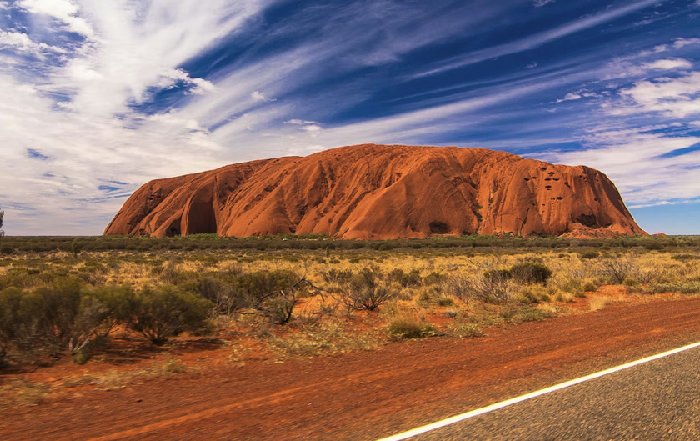
Organizations such as UNESCO help families understand the significance of Australia's World Heritage sites, from Kakadu National Park and the Tasmanian Wilderness to Uluru-Kata Tjuta; parents and educators can explore UNESCO World Heritage insights to connect these locations with themes of ecology, history, and culture. For readers who rely on World We Travel for family planning, Australia stands out as a destination where parents can feel comfortable about safety and infrastructure while still offering children and teenagers a sense of adventure, independence, and real-world learning.
Cultural Depth, Indigenous Heritage, and Contemporary Creativity
Australia's cultural narrative in 2026 is increasingly shaped by the visibility and leadership of Aboriginal and Torres Strait Islander communities, whose cultures are among the oldest continuous civilizations on Earth. Tourism operators, cultural institutions, and community organizations have worked together to create experiences that are not only commercially viable but also respectful, community-led, and educational. Guided walks, on-Country experiences, art tours, and storytelling sessions allow visitors to engage with perspectives that deepen their understanding of land, history, and identity.
Institutions such as the National Museum of Australia, National Gallery of Australia, and Art Gallery of New South Wales showcase Indigenous and contemporary Australian art and host programs that explore questions of reconciliation, representation, and cultural continuity. At the international level, organizations including UNESCO and the United Nations emphasize cultural rights and heritage protection, helping travelers deepen understanding of cultural diversity and preservation. For World We Travel readers who prioritize culture, Australia offers a layered experience that spans First Nations heritage, British colonial legacies, and the influences of successive migration waves from Europe, Asia, the Middle East, and the Pacific, reflected in food, festivals, music, and neighborhood identities in cities from Sydney and Melbourne to Perth, Adelaide, and Brisbane.
Sustainability, Climate Risk, and Eco-Travel Leadership
Australia's natural assets-iconic reefs, deserts, rainforests, alpine regions, and coastlines-are central to its tourism brand but also expose it to climate and biodiversity risks. Coral bleaching events on the Great Barrier Reef, severe bushfires, and periods of drought and flooding have underscored the urgency of climate adaptation and environmental stewardship. Government agencies, universities, and private operators are increasingly collaborating on regenerative tourism models, carbon-conscious operations, and visitor education programs that encourage low-impact behavior.
Research organizations such as CSIRO and the Intergovernmental Panel on Climate Change provide rigorous analysis of environmental trends, and travelers who want to make informed decisions can explore climate and biodiversity research to understand the pressures facing Australian ecosystems. For the World We Travel audience focused on eco priorities, Australia offers both cautionary lessons and positive examples: reef tour operators partnering with marine scientists, eco-lodges committed to renewable energy and waste reduction, and national park authorities that manage visitor flows to protect fragile habitats. These developments align with a broader movement toward travel that is not only less harmful but actively contributes to conservation and community resilience.
Strategic Planning and Practical Guidance for Long-Haul Itineraries
Because many travelers still face significant flight times to reach Australia, strategic planning remains essential. In 2026, experienced travelers often treat Australia as the anchor of a wider Asia-Pacific journey, combining visits to New Zealand, Singapore, Thailand, Japan, South Korea, or Indonesia in a single itinerary, using multi-city tickets to reduce backtracking and align with business or family obligations.
Government resources such as Smartraveller (Australian Government) and the U.S. Department of State provide continually updated information on visas, entry requirements, safety, and regional conditions, and travelers are advised to review government travel advisories as part of their preparation. Within the World We Travel ecosystem, readers can complement this official information with editorially curated travel and tips content that addresses jet lag management, optimal routing, seasonality, and the integration of remote work into extended stays. For many, the most effective approach is to structure itineraries that balance urban immersion with nature-based recovery, allow time for cultural engagement, and incorporate flexibility to respond to weather, health, or business needs.
Australia as a Laboratory for the Future of Global Travel
Viewed through the lens of 2026, Australia functions as a kind of living laboratory in which many of the major forces reshaping global travel intersect. It is a high-income democracy with strong institutions and a multicultural society navigating the realities of climate exposure, digital transformation, and demographic change. It is also a country whose tourism identity is deeply tied to nature and outdoor lifestyles, yet whose major cities are sophisticated, globally connected, and innovation-driven.
Organizations such as the Organisation for Economic Co-operation and Development and the UN World Tourism Organization regularly analyze how countries are adapting to changing traveler expectations, sustainability imperatives, and technological disruption, and their work often cites examples from Australia and the broader Asia-Pacific region; those interested in policy and innovation can explore tourism policy and innovation insights. For World We Travel, which serves readers across global markets and sectors, Australia's experience helps illuminate broader questions: how to balance visitor growth with environmental limits, how to design destinations that support remote work and wellness as well as leisure, and how to ensure that tourism benefits local communities and Indigenous custodians.
Why Australia Matters to the World We Travel Community in 2026
For the World We Travel audience, Australia in 2026 is more than a place on the itinerary; it is a reference point for what thoughtful, future-oriented travel can look like. Families see a destination that offers safety, education, and adventure. Business leaders and entrepreneurs recognize a platform for high-value meetings, innovation, and cross-regional collaboration. Wellness travelers identify a landscape of retreats and experiences that support long-term health. Eco-conscious visitors find both vulnerable ecosystems and serious efforts at protection and regeneration. Remote workers and digital professionals discover a country where connectivity, lifestyle, and opportunity can be combined in a coherent way.
As readers navigate the broader content available on World We Travel, from in-depth destinations coverage to analysis of business, technology, eco, and global trends, Australia consistently emerges as a case study in Experience, Expertise, Authoritativeness, and Trustworthiness. Its story reinforces a central conviction that underpins the work of World We Travel: that travel, when approached with knowledge, respect, and intention, can connect people across continents, strengthen local economies, support cultural understanding, and contribute to a more resilient and sustainable world. In that sense, Australia's evolving role in worldwide travel is not defined solely by its distance from other continents, but by the depth of experience it offers to those who choose to make the journey and by the insights it provides to a global community that looks to World We Travel as a trusted partner in shaping how, where, and why they travel.