

Navigating Asian Megacities: Strategy, Culture, and Opportunity
The New Gravity Centers of Global Travel and Business
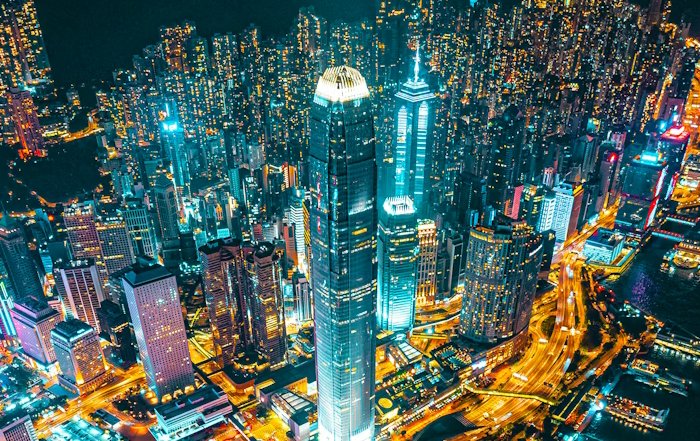
Asian megacities have matured into some of the most powerful engines of the global economy, cultural innovation, and international travel, reshaping how executives plan business expansion, how families design multi-generational trips, and how digital professionals structure location-independent work. Cities such as Tokyo, Seoul, Singapore, Bangkok, Shanghai, Beijing, Jakarta, and Mumbai are no longer simply large urban areas; they are complex ecosystems where infrastructure, technology, finance, and culture intersect at unprecedented scale, and understanding how to move through them effectively has become essential for decision-makers who operate across borders. For growing community of worldwetravel.com, whose interests span global destinations, cross-border business, wellness retreats, and sustainable travel, Asian megacities now sit at the center of strategy conversations that once focused almost exclusively on North America and Western Europe.
Organizations such as McKinsey & Company and the World Economic Forum have repeatedly highlighted that urbanization in Asia is reshaping trade flows, consumer markets, and innovation hubs, with forecasts indicating that megacities across Asia will account for a growing share of global GDP and middle-class consumption over the next decade. Readers can explore how these trends are changing global growth patterns through resources such as the OECD urbanization insights and the World Bank's analysis of East Asia's urban future. For travelers and business leaders using worldwetravel.com to plan their next move, the question is no longer whether Asian megacities matter, but how to navigate them strategically, safely, and sustainably while preserving personal wellbeing and organizational resilience.
Understanding the Asian Megacity Landscape
Asian megacities share common traits of density, diversity, and dynamism, yet each city presents a distinct operating environment shaped by history, governance, and economic specialization. Tokyo and Seoul offer world-class public transport, advanced digital infrastructure, and a high degree of safety, making them particularly attractive for corporate travel programs and families seeking predictable, efficient urban experiences. Singapore, often profiled by the IMF and World Bank as a model of urban governance, combines strong rule of law with pro-business regulation, which explains why so many multinational headquarters and global conferences take place there; executives evaluating regional hubs can explore its broader economic framework through the Singapore government's economic overview.
By contrast, megacities such as Bangkok, Jakarta, and Mumbai are characterized by more pronounced contrasts between modern business districts and informal urban settlements, which requires more nuanced logistical planning, particularly for first-time visitors or family groups. The United Nations' World Urbanization Prospects provides a statistical view of how rapidly these cities have grown, while the Asian Development Bank offers analysis on urban infrastructure challenges that can help business leaders anticipate bottlenecks in transport, utilities, and housing. For travelers approaching these megacities through worldwetravel.com, understanding the underlying structure of each city-its transport nodes, business districts, cultural quarters, and regulatory environment-forms the foundation of a more confident, productive, and rewarding urban experience.
Strategic Travel Planning for Business and Leisure
Planning a trip into an Asian megacity in 2026 demands a higher level of preparation than typical city travel, because decisions about arrival times, hotel location, and intra-city transport can significantly influence productivity, cost, and personal comfort. Business travelers using the business travel insights on worldwetravel.com increasingly look for hotel locations that balance proximity to financial districts such as Marunouchi in Tokyo, Central in Hong Kong, or Marina Bay in Singapore with easy access to major transit hubs, thereby reducing time lost in congestion and enabling flexible movement between meetings and client dinners. The International Air Transport Association (IATA) provides useful data on Asia-Pacific air connectivity, helping organizations decide whether to route teams through regional hubs such as Changi Airport or Incheon International Airport, both renowned for efficiency and connectivity.
For families, especially those traveling with children or older relatives, Asian megacities can be both exhilarating and overwhelming, making it important to sequence activities so that intense urban exploration days are balanced with quieter interludes in parks, museums, or nearby retreat destinations. Readers can use the family travel guidance on worldwetravel.com in combination with resources such as UNESCO's list of World Heritage Sites in Asia to design itineraries that integrate educational experiences, from Tokyo's science museums to Bangkok's historic temples, while still allowing time for rest and adaptation to time zones and climate. In both business and family contexts, the key planning principle is to treat the megacity not as a single destination but as a cluster of micro-neighborhoods, each with its own rhythm, accessibility profile, and suitability for different kinds of activities.
Transport, Mobility, and the Art of Moving Efficiently
Mobility decisions in Asian megacities can define the overall quality of a trip, and in 2026 the options have grown more sophisticated, with integrated transport apps, contactless payment systems, and real-time congestion analytics becoming standard in leading cities. Tokyo Metro, Seoul Metro, and Mass Rapid Transit (MRT) Singapore remain benchmarks for punctuality and coverage, and business travelers are increasingly comfortable using them between client sites, especially when armed with city-specific navigation tools and pre-loaded transit cards. Travelers can consult resources such as Japan National Tourism Organization or Visit Korea's transport guides to understand local ticketing systems, rush-hour patterns, and etiquette, which is particularly important in cultures where norms around noise, personal space, and queueing are strongly observed.
In contrast, cities such as Bangkok, Jakarta, and Manila still rely heavily on road-based transport, where congestion can be severe and unpredictable, making it essential to factor travel time buffers into business schedules and to choose accommodation strategically near rail lines such as Bangkok's BTS Skytrain or Jakarta's MRT. Organizations like TomTom and INRIX continue to publish global traffic congestion rankings, and savvy corporate travel managers study these data when designing meeting schedules and recommending optimal travel windows to their teams. For worldwetravel.com readers, integrating local ride-hailing apps, hotel car services, and public transport into a coherent mobility strategy is no longer a luxury; it is a core skill that determines whether days in the megacity feel productive and energizing or chaotic and draining.
Choosing the Right Hotel: Location, Design, and Wellbeing
Hotel selection in Asian megacities has evolved from a simple star-rating decision to a multidimensional choice involving wellness amenities, digital infrastructure, sustainability credentials, and neighborhood character. The hotel insights available on worldwetravel.com emphasize that business travelers now expect high-speed, resilient connectivity as a baseline, along with flexible working spaces, quiet rooms for virtual meetings, and access to fitness and recovery facilities that mitigate the stress of long-haul travel and dense urban environments. Leading hospitality groups such as Marriott International, Hyatt, and Accor have invested heavily in wellness-oriented design and contactless services, trends documented by the Global Wellness Institute, which provides a broader view of wellness in hospitality.
For families, hotel decisions often center on safety, room configuration, and proximity to both child-friendly attractions and reliable food options, particularly in cities where dietary preferences and food safety concerns vary. Platforms like Japan Guide and Tourism Authority of Thailand's official site offer neighborhood-level insights that can help families decide between central business districts, more residential areas, or mixed-use developments that combine shopping, entertainment, and green spaces. Increasingly, travelers are also evaluating hotels based on their environmental performance and community engagement, and resources such as the Global Sustainable Tourism Council's criteria for hotels can help align accommodation choices with personal or corporate sustainability policies, an area of growing importance for worldwetravel.com's eco-conscious audience.
Culture, Etiquette, and Relationship Building
Navigating Asian megacities successfully requires more than logistical competence; it demands cultural intelligence and sensitivity to local norms that govern business interactions, social behavior, and everyday encounters. In cities across Japan, South Korea, and parts of China, punctuality, formal introductions, and the exchange of business cards remain important markers of professionalism, and resources such as the BBC's country profiles and the Hofstede Insights cultural dimensions can help executives interpret differences in hierarchy, communication style, and risk tolerance. For travelers relying on worldwetravel.com to plan cross-cultural engagements, understanding how to navigate formal meetings, group dinners, and after-hours networking in places like Tokyo, Seoul, or Shanghai can significantly strengthen client relationships and partnership outcomes.
In Southeast Asian megacities such as Bangkok, Ho Chi Minh City, and Kuala Lumpur, business culture often blends formality with a high value placed on personal rapport and flexibility, which may involve adjusting expectations around meeting times, negotiation pace, and indirect communication. Organizations such as Asia Society provide in-depth content on Asia-Pacific business culture that can complement the destination-focused advice available through worldwetravel.com's culture section. For families and leisure travelers, cultural literacy also enhances the experience of visiting temples, markets, and local neighborhoods, ensuring that photography, dress, bargaining, and tipping practices are handled respectfully, thereby contributing to more positive interactions with local communities and service providers.
Technology, Smart Cities, and the Digital Traveler
Asian megacities are at the forefront of smart city innovation, with Singapore, Seoul, and Shanghai frequently cited in MIT and World Economic Forum reports on urban technology for their deployment of sensors, data platforms, and AI-driven services. These cities increasingly offer integrated digital ecosystems where transport, payments, public services, and tourism information can be accessed through unified apps, reducing friction for visitors who understand how to plug into these systems. Readers interested in the broader technology context can explore smart city case studies from the World Economic Forum, and then apply those insights to their own travel planning through worldwetravel.com's technology coverage, which highlights how digital tools are reshaping the travel experience.
At the same time, reliance on digital infrastructure raises questions around privacy, cybersecurity, and data localization, particularly for corporate travelers handling sensitive information. Organizations such as ENISA and ISACA offer guidance on cybersecurity best practices that can inform how executives configure devices, choose networks, and manage data in high-surveillance or high-risk environments. For remote workers and digital nomads using worldwetravel.com to design long-stay arrangements in cities like Bangkok, Kuala Lumpur, or Bali's urban hubs, understanding the reliability of co-working spaces, backup connectivity options, and local regulations around VPNs and digital services has become as important as knowing the best cafes or neighborhoods for networking.
Health, Safety, and Urban Wellbeing
In the wake of the COVID-19 era and subsequent public health challenges, health and safety considerations have become central to any discussion of megacity travel, and Asian governments have invested heavily in surveillance, healthcare infrastructure, and emergency response systems. The World Health Organization maintains updated guidance on travel and health, while many national tourism boards now offer real-time updates on air quality, disease outbreaks, and entry requirements, which travelers should consult alongside worldwetravel.com's health-focused content. Air quality remains a concern in certain megacities, particularly during specific seasons, and resources such as IQAir's global air quality index allow travelers and corporate risk managers to monitor conditions and adjust outdoor activities or meeting schedules accordingly.
Urban wellbeing in megacities also extends beyond infection risk and pollution levels to encompass noise, crowding, and the psychological impact of navigating high-density environments, especially for travelers unaccustomed to such intensity. Many Asian cities have responded by investing in urban parks, waterfront promenades, and cultural spaces that offer respite from the dense core, and organizations such as C40 Cities share case studies on urban resilience and green spaces. For worldwetravel.com readers planning extended stays, incorporating regular visits to these restorative environments, choosing hotels with good soundproofing and wellness facilities, and scheduling downtime between major engagements can significantly improve sleep quality, cognitive performance, and overall satisfaction with the megacity experience.
Sustainability, Eco-Conscious Travel, and Corporate Responsibility
As climate concerns intensify and stakeholders demand more responsible travel policies, the sustainability profile of Asian megacities has come under closer scrutiny, with cities such as Singapore, Tokyo, and Seoul positioning themselves as leaders in decarbonization and circular economy initiatives. The United Nations Environment Programme provides a useful overview of sustainable cities and communities, and many corporate travel managers now use such frameworks to set guidelines for trip frequency, transport modes, and hotel selection. For readers seeking to align personal or organizational travel with environmental values, worldwetravel.com's eco section offers complementary guidance on low-impact itineraries, energy-efficient accommodation, and responsible excursions.
In practice, sustainable navigation of Asian megacities involves choosing public transport over private cars where feasible, supporting hotels and restaurants with credible sustainability certifications, and balancing business trips with virtual collaboration to reduce unnecessary flights. Organizations such as the Science Based Targets initiative (SBTi) and CDP have become influential in shaping corporate climate commitments, and their frameworks increasingly influence corporate travel budgets and approval processes, particularly for companies with large teams operating across Asia. For individual travelers, simple practices such as minimizing single-use plastics, respecting local conservation rules, and opting for experiences that benefit local communities contribute to a more sustainable megacity ecosystem, reinforcing the long-term viability of the destinations that worldwetravel.com readers value.
Work, Retreats, and the Future of Hybrid Travel
The shift to hybrid and remote work has transformed Asian megacities into both primary work hubs and temporary retreat destinations, as organizations experiment with offsite gatherings, innovation sprints, and wellness-focused corporate events. Cities like Singapore, Bangkok, and Seoul are increasingly chosen for regional leadership summits and cross-functional workshops, combining world-class infrastructure with access to nearby beach, mountain, or cultural retreat locations. Readers exploring strategic offsite planning can draw on worldwetravel.com's retreat guidance and work-focused resources, aligning venue selection with objectives ranging from deep strategy work to team cohesion and cultural immersion.
For individual professionals, the line between business travel, leisure, and remote work has blurred, giving rise to "workcations" and extended stays where weekdays are spent in co-working spaces and evenings or weekends in cultural districts, food markets, or nearby nature escapes. Reports from organizations like Deloitte and PwC on the future of work provide a macro-level view of how companies are adapting policies to support such arrangements, while platforms such as Nomad List offer crowd-sourced data on cost of living, internet speed, and community in different Asian cities. By combining these external perspectives with the curated city and travel insights on worldwetravel.com, professionals can design sustainable, productive, and personally enriching work patterns that leverage the unique advantages of Asian megacities.
Practical Tips and Strategic Mindset
Effectively navigating Asian megacities requires a blend of tactical know-how and strategic mindset, where travelers move beyond ad hoc decisions and adopt a structured approach to risk, opportunity, and personal experience. On a practical level, this means conducting thorough pre-trip research using trusted resources such as worldwetravel.com's travel tips, cross-checking information with official government and tourism portals, and building flexible itineraries that account for traffic variability, cultural holidays, and potential disruptions. It also involves investing in the right tools, from multi-currency digital wallets and international health insurance to language apps and secure connectivity solutions, which together reduce friction and increase confidence in complex urban environments.
At a strategic level, organizations and individuals who engage frequently with Asian megacities benefit from developing long-term relationships with local partners, hotels, and service providers, allowing for smoother problem-solving and more tailored experiences over time. They also recognize that these cities are not static; infrastructure projects, regulatory changes, and demographic shifts continuously reshape the urban landscape, making it essential to revisit assumptions and update playbooks regularly. For the global travel news, loving community of worldwetravel.com, which includes executives from the United States, United Kingdom, Germany, Canada, Australia, and beyond, Asian megacities will remain central to business growth, cultural exploration, and personal development, and those who approach them with curiosity, preparation, and respect will be best positioned to thrive.
Ultimately, navigating Asian megacities is not simply a logistical challenge but an opportunity to engage with some of the most dynamic, innovative, and culturally rich environments on the planet. By leveraging trusted external resources, drawing on the experience-driven guidance which is fresh and totally new embedded across worldwetravel.com, and cultivating a mindset that values adaptability, empathy, and sustainability, travelers and organizations can transform the complexity of these vast urban landscapes into a strategic advantage and a source of lasting inspiration.