

Exploring the Outback Responsibly: A Little Guide for Mega Global Travelers and Businesses
The New Era of Outback Travel
Responsible exploration of the Australian Outback has moved from a niche concern to a central expectation among discerning travelers, corporate travel planners, and hospitality leaders. The vast interior of Australia, stretching from the remote Kimberley region and the deserts of Central Australia to the rugged landscapes of South Australia and Western Queensland, has long captured the imagination of visitors from the United States, United Kingdom, Germany, Canada, Australia, and beyond. Yet this renewed interest coincides with heightened awareness of climate risk, Indigenous rights, and the fragility of arid ecosystems.
For super cool readers of worldwetravel.com, many of whom balance family needs, business obligations, wellness priorities, and sustainability goals, the Outback now represents both an opportunity and a responsibility. It offers a rare combination of vast open spaces, deep cultural heritage, and emerging eco-innovation, but it demands careful preparation, respect for local communities, and a strategic approach to safety and environmental impact.
As governments, including the Australian Government Department of Climate Change, Energy, the Environment and Water and organizations such as UN Tourism and the UN Environment Programme, refine global guidance on sustainable tourism, the Outback has become a benchmark destination for putting theory into practice. Travelers and companies who learn to navigate this environment responsibly will not only reduce risk and footprint, but also help shape the next generation of global travel standards.
Understanding the Outback: Scale, Risk, and Opportunity
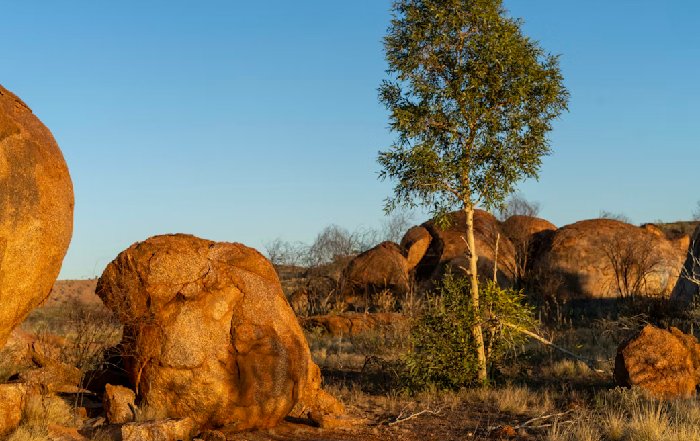
The Australian Outback is not a single place but a mosaic of deserts, savannahs, mountain ranges, and remote communities spanning multiple states and territories. From the red sands around Uluru-Kata Tjuta National Park to the remote tracks of the Simpson Desert and the tropical savannahs of the Top End, the region challenges conventional assumptions about distance, infrastructure, and connectivity.
International visitors often underestimate the scale of these landscapes. A drive between two Outback towns can take longer than a journey between major cities in France, Italy, or Spain, with limited fuel stops, scarce mobile coverage, and extreme temperature swings. To understand the climatic and environmental context, travelers increasingly rely on resources such as the Australian Bureau of Meteorology and the CSIRO for up-to-date information on heatwaves, bushfire risk, and flood events, which are becoming more frequent due to climate change.
For the global audience of worldwetravel.com, this scale translates into both risk management and strategic planning. Families need to consider child-friendly itineraries and health contingencies, business leaders must evaluate duty of care obligations for staff on remote assignments, and wellness and retreat organizers must integrate safety and sustainability into program design. Exploring destinations through the worldwetravel.com destinations hub at worldwetravel.com/destinations.html can help travelers benchmark the Outback against other remote regions in Africa, South America, and Asia in terms of infrastructure, access, and seasonality.
Indigenous Custodianship and Cultural Respect
Any responsible approach to the Outback begins with recognition of the First Nations peoples who have cared for these lands for tens of thousands of years. Communities such as the Anangu, Arrernte, Yolŋu, and many others maintain deep spiritual, ecological, and historical connections to Country, and contemporary visitors are guests in these living cultural landscapes.
Organizations such as the Australian Institute of Aboriginal and Torres Strait Islander Studies (AIATSIS) and the SNAICC - National Voice for our Children provide context on Indigenous history, land rights, and community priorities, helping visitors understand why certain sites are sacred, why some areas are closed to climbing or photography, and how cultural protocols shape daily life. Travelers planning meaningful cultural experiences can also refer to Tourism Australia's Indigenous tourism resources to identify accredited operators and community-led experiences that directly support local livelihoods.
For worldwetravel.com readers, cultural respect is not merely an ethical add-on but a core element of travel quality and authenticity. The platform's focus on culture-focused journeys encourages travelers from Japan, South Korea, Singapore, Norway, and beyond to prioritize learning from Traditional Owners, participating in guided walks with Indigenous rangers, and choosing accommodation and tours with clear community partnerships. This approach reinforces trust, deepens understanding, and ensures that Outback travel contributes positively to cultural resilience rather than exploiting it.
Environmental Stewardship in Fragile Landscapes
The Outback's apparent emptiness can be misleading; its arid ecosystems are among the most sensitive on Earth. Soil crusts that appear robust can be destroyed by a single off-track vehicle, leading to erosion and dust storms, while small disturbances to waterholes can have outsized impacts on wildlife. As climate models from organizations such as the Intergovernmental Panel on Climate Change (IPCC) indicate rising temperatures and changing rainfall patterns across Australia, New Zealand, and Southern Africa, responsible visitors must adapt their behavior accordingly.
Travelers and businesses are increasingly referencing guidelines from the International Union for Conservation of Nature (IUCN) and WWF Australia to understand best practices for minimizing disturbance to wildlife, supporting habitat restoration, and reducing plastic waste in remote areas where recycling infrastructure is limited. For those planning extended journeys that combine the Outback with other eco-sensitive regions in Europe, Asia, or the Americas, the sustainability insights on worldwetravel.com's eco section provide a comparative framework for evaluating carbon emissions, land use, and community impact.
Responsible exploration now typically involves traveling on established tracks, using accredited campsites, carrying out all non-biodegradable waste, and favoring low-impact activities such as guided walks, stargazing, and cultural tours over high-emission or off-road recreational driving. Many eco-conscious travelers are also turning to data from the Global Sustainable Tourism Council (GSTC) and the UN Global Compact to align their personal travel choices with broader environmental, social, and governance (ESG) standards.
Health, Safety, and Risk Management in Remote Areas
By 2026, health and safety in remote travel environments have become central concerns for both leisure and corporate travelers. The Outback's combination of extreme heat, long distances, wildlife hazards, and limited medical facilities requires a more rigorous approach than typical city or coastal holidays in London, Berlin, Toronto, or Sydney.
Authoritative guidance from the World Health Organization (WHO) and national agencies such as Smartraveller and the U.S. Centers for Disease Control and Prevention (CDC) underscores the importance of hydration strategies, sun protection, pre-existing condition management, and emergency evacuation planning. For families traveling with children or older relatives, the health insights and wellness guidance in worldwetravel.com's health hub help translate these recommendations into practical checklists, from medication management and telehealth access to mental wellbeing during long stretches of road travel.
Business travelers and remote workers, particularly those from corporate hubs in New York, London, Singapore, and Frankfurt, must also consider organizational duty of care. Global standards from bodies such as the International SOS Foundation and the International Labour Organization (ILO) inform corporate travel policies, ensuring that employees heading into the Outback for mining, infrastructure, research, or consulting assignments have appropriate training, communication tools, and contingency plans. On worldwetravel.com's business travel section at worldwetravel.com/business.html, these global frameworks are contextualized for Outback conditions, helping companies align internal policies with on-the-ground realities.
Technology, Connectivity, and the Rise of Remote Work in the Outback
The convergence of satellite internet, resilient mobile networks, and portable power solutions has transformed how visitors experience the Outback. While many regions remain beyond the reach of conventional mobile coverage, the expansion of satellite constellations and infrastructure investments in Australia, supported by agencies such as the Australian Communications and Media Authority, have made it increasingly feasible for travelers to combine exploration with remote work, digital content creation, or real-time collaboration with teams in Europe, North America, and Asia.
Technology companies and connectivity providers, including Starlink and regional telecommunications operators, are reshaping expectations of what it means to be "offline." Yet responsible travelers must balance connectivity with environmental and cultural considerations, ensuring that drones, generators, and high-power lighting do not disrupt wildlife or the solitude that many local communities and fellow visitors seek. Guidance from the Electronic Frontier Foundation (EFF) on digital rights and security also reminds remote workers to consider data privacy, especially when relying on public or shared networks in remote accommodation.
For professionals exploring long-stay options in Outback towns or eco-lodges, the worldwetravel.com work and technology sections and worldwetravel.com/technology.html offer frameworks for assessing connectivity, cybersecurity, and work-life balance. These resources support executives from Sweden, Denmark, Netherlands, and South Korea who are experimenting with "work from anywhere" models that combine productivity with immersion in nature, while still aligning with corporate IT and compliance requirements.
Accommodation, Hotels, and Remote Hospitality Standards
The hospitality landscape of the Outback has evolved significantly, with a growing spectrum of options ranging from basic roadside motels and caravan parks to luxury desert lodges and wellness retreats. Leading operators are increasingly guided by sustainability frameworks from the Sustainable Hospitality Alliance and certifications such as EarthCheck, integrating renewable energy, water-saving technologies, and local sourcing into their operations.
For the global audience of worldwetravel.com, evaluating Outback accommodation now involves more than checking room size and amenities; it requires assessing environmental performance, cultural partnerships, and health and safety protocols. The platform's dedicated hotels and stays section helps travelers compare Outback properties with eco-lodges in Costa Rica, mountain retreats in Switzerland, and safari camps in South Africa, providing a consistent lens for quality and responsibility.
Wellness-oriented travelers, including those joining retreats from Brazil, Malaysia, or Thailand, are also increasingly discerning about the integrity of wellness programs. Organizations such as the Global Wellness Institute and Mindful Travel Alliance offer best practices on integrating mindfulness, nature immersion, and mental health support into retreat design without over-commercializing Indigenous traditions or placing undue strain on fragile ecosystems. These principles align closely with the curated experiences highlighted in worldwetravel.com's retreat section, where Outback programs are assessed for both personal benefit and environmental responsibility.
Family and Multi-Generational Travel in Remote Australia
For families from Canada, United Kingdom, Germany, and New Zealand, the Outback can be a transformative educational experience, introducing children and teenagers to astronomy, geology, ecology, and Indigenous culture in ways that classroom learning cannot replicate. However, multi-generational travel in such remote environments demands careful planning around pacing, access to medical support, and age-appropriate activities.
Organizations such as National Geographic and the Royal Geographical Society provide rich educational content that parents and educators can use to prepare younger travelers for the landscapes and histories they will encounter. Meanwhile, family-oriented guidance on worldwetravel.com's family travel page translates these resources into practical itineraries, suggesting how to balance long drives with short walks, cultural experiences with downtime, and digital connectivity with intentional disconnection.
Safety considerations, including car seat regulations, wildlife awareness, and water safety around remote gorges and waterholes, are shaped by advice from agencies such as Kidsafe Australia and the Royal Life Saving Society - Australia. Families who integrate this guidance into their planning are better equipped to enjoy the Outback's sense of adventure while maintaining high standards of care and preparedness.
Economic and Community Impact of Responsible Outback Tourism
The economic significance of tourism to remote Australian communities has grown in parallel with mining, agriculture, and renewable energy development. Towns across the interior increasingly rely on a mix of domestic and international visitors from Europe, Asia, and North America to sustain local businesses, from small motels and cafes to cultural centers and tour operators. However, unmanaged visitor flows can strain water supplies, waste systems, and cultural sites, particularly during peak seasons.
Global frameworks from the Organisation for Economic Co-operation and Development (OECD) and the World Bank on regional development and sustainable tourism help policymakers and community leaders design strategies that maximize local benefit while mitigating negative externalities. Visitors who take time to understand these dynamics, and who prioritize locally owned businesses and community-led experiences, contribute more directly to long-term resilience.
On worldwetravel.com's economy section at worldwetravel.com/economy.html, readers can explore how Outback tourism fits into broader shifts in the global travel economy, including the rise of regenerative tourism, the diversification of rural income streams, and the integration of tourism with conservation and renewable energy projects. For corporate travel planners and impact investors in Switzerland, Singapore, and Japan, the Outback offers a case study in how responsible visitation can underpin both social and financial returns when aligned with local priorities and robust governance.
Practical Tips and Strategic Planning for 2026 and Beyond
By 2026, many of the core principles of responsible Outback travel are well established, yet their successful implementation depends on thoughtful planning and continuous learning. Travelers and organizations are increasingly turning to integrated planning approaches that combine environmental data, cultural guidance, health and safety protocols, and technology solutions into cohesive itineraries and policies.
Authoritative resources such as Parks Australia, Outback Queensland Tourism, and state tourism bodies provide region-specific information on road conditions, park access, seasonal closures, and permit requirements. Concurrently, global best practice in sustainable travel planning can be explored through UN Tourism's responsible travel campaigns and the educational content of the Adventure Travel Trade Association (ATTA), which emphasize traveler self-reliance, respect, and preparedness.
For readers of worldwetravel.com, the travel insights and tips section distills these diverse resources into actionable advice tailored to different traveler profiles, from solo explorers and digital nomads to corporate teams and wellness retreat participants. Combined with the platform's overarching travel hub, these insights help visitors from Finland, South Africa, Thailand, and beyond design Outback journeys that are both inspiring and aligned with best practice in safety, culture, and sustainability.
The Outback as a Global Benchmark for Responsible Travel
As the world moves deeper into the second half of the 2020s, the Australian Outback is increasingly recognized as a benchmark for responsible travel in remote and fragile environments. Its challenges-vast distances, climate stress, cultural sensitivity, and limited infrastructure-mirror those of other iconic regions, from the Arctic and the Amazon to the high plateaus of Central Asia and the deserts of North Africa.
Organizations such as UNEP, UN Tourism, and the World Travel & Tourism Council (WTTC) continue to highlight the Outback in case studies on climate adaptation, Indigenous partnership models, and low-impact tourism design. For global travelers and business leaders, the lessons learned here are transferable, informing how they approach other destinations that feature prominently on worldwetravel.com's global travel hub at worldwetravel.com/global.html.
In this context, worldwetravel.com serves as both a guide and a world news partner, curating knowledge on destinations, technology, health, economy, and culture to support a holistic approach to travel. Exploring the Outback responsibly becomes not just an Australian story, but a global one-an opportunity for travelers from every continent to refine how they move through the world, how they engage with host communities, and how they measure the true value of their journeys.
By aligning personal aspirations with rigorous standards of experience, expertise, authoritativeness, and trustworthiness, today's travelers can ensure that the red heart of Australia remains not only a place of wonder, but a living example of what responsible exploration can achieve for decades to come.