

Eco-Friendly Health and Wellness Spa Resorts: Where Sustainable Luxury Meets Global Wellbeing in 2026
Eco-Conscious Wellness as the New Standard in Global Travel
By 2026, eco-friendly health and wellness spa resorts have moved from niche concept to mainstream expectation, especially among discerning travelers in North America, Europe, and Asia-Pacific. Across the United States, United Kingdom, Germany, Canada, Australia, France, Italy, Spain, Netherlands, Switzerland, China, Japan, Singapore, and beyond, business leaders, families, and wellness-focused professionals now evaluate destinations not only by the quality of the spa or the comfort of the hotel, but by the resort's environmental performance, community impact, and overall contribution to long-term health. For the global audience of World We Travel, this shift is reshaping how trips are planned, how budgets are allocated, and how value is defined, with travelers increasingly seeking experiences that are restorative, responsible, and aligned with their personal and corporate sustainability commitments.
This evolution is closely linked to the growing awareness of climate risk, biodiversity loss, and the health implications of stress and urban living, trends tracked by organizations such as the World Health Organization and the World Travel & Tourism Council, which highlight the rising demand for wellness-oriented and sustainable tourism. As more travelers explore new destinations across Europe, Asia, Africa, South America, and North America, there is a clear preference for resorts that integrate renewable energy, circular resource management, and nature-based wellness, while still providing the level of service and sophistication expected from premium hospitality brands.
For executives combining business and leisure, families planning multigenerational getaways, and individuals seeking deep renewal, eco-friendly spa resorts now offer a compelling proposition: the ability to relax, recharge, and reconnect with nature without compromising ethical or environmental standards. This convergence of sustainability and wellbeing is no longer a marketing slogan; it is a core strategic pillar for leading hospitality companies and a decisive factor in how travelers choose where to stay, work, and recover.
Defining the Eco-Friendly Wellness Experience in 2026
Eco-friendly health and wellness spa resorts distinguish themselves through a holistic approach that integrates environmental stewardship, cultural authenticity, and evidence-based wellbeing practices into every layer of the guest journey. Rather than treating "green" initiatives as an add-on, the most advanced properties embed sustainability into master planning, architecture, operations, guest programming, and community partnerships, creating a seamless experience that feels both luxurious and ethically grounded.
Architecturally, many of these resorts follow biophilic and low-impact design principles promoted by organizations like the U.S. Green Building Council, with structures that blend into local ecosystems rather than dominate them. Learn more about sustainable building standards through resources such as the LEED program. In practice, this often means using regionally sourced stone and timber, high-performance insulation, natural ventilation, and passive solar orientation to reduce energy demand, while integrating green roofs, native landscaping, and wildlife corridors to support biodiversity. In Scandinavia, for instance, wellness lodges in Sweden, Norway, and Finland increasingly utilize timber construction and geothermal systems, while alpine retreats in Switzerland and Austria focus on energy-efficient mountain architecture that respects fragile high-altitude environments.
Operationally, the leading eco-wellness resorts prioritize renewable energy, water stewardship, and circular waste management. Solar arrays, small-scale wind turbines, and geothermal systems are now common in remote island and mountain properties, while advanced water treatment and rainwater harvesting systems help reduce pressure on local supplies, a priority emphasized by agencies such as the UN Environment Programme. Many resorts have eliminated single-use plastics, introduced refillable glass amenity systems, and partnered with certified suppliers to ensure that spa products, linens, and cleaning materials meet stringent environmental and health criteria, often aligned with standards cataloged by the Global Ecolabelling Network.
The wellness offering itself is increasingly rooted in local culture, nutritional science, and integrative health. Resorts collaborate with certified nutritionists, physiotherapists, yoga and meditation instructors, and in some cases medical doctors, to create programs that address stress, sleep, metabolic health, and mental resilience. Guests might begin the day with forest bathing in Japan, pranayama and Ayurveda in India, Nordic sauna rituals in Norway or Finland, or mindfulness-based stress reduction techniques that reflect best practice guidance from institutions such as the Mayo Clinic. Menus emphasize organic, seasonal, and often plant-forward cuisine, sourced from on-site gardens or nearby regenerative farms, in line with principles promoted by the EAT Foundation, helping travelers align personal health goals with lower-carbon dining habits.
For the World We Travel community, this integrated model of sustainable wellness aligns with broader lifestyle and work trends. As hybrid and remote work arrangements spread across Singapore, South Korea, United States, and United Kingdom, professionals increasingly look to combine work and wellbeing in the same journey. Resorts now design quiet, well-connected spaces for remote work, while still prioritizing fresh air, natural light, ergonomic design, and movement breaks, enabling guests to maintain productivity while investing in long-term health. Those planning their next working getaway can explore more ideas on balancing travel and work.
Global Destinations Leading the Eco-Wellness Movement
Across all continents, certain destinations have emerged as benchmarks for eco-friendly wellness, demonstrating how different regions can translate their natural assets and cultural heritage into compelling, sustainable spa experiences that appeal to both leisure and business guests.
In Southeast Asia, properties such as Six Senses Ninh Van Bay in Vietnam and Song Saa Private Island in Cambodia have become case studies in how to combine marine conservation, community development, and ultra-luxury hospitality. Resorts of this caliber often work with marine biologists and NGOs to restore coral reefs, protect mangroves, and monitor marine life, echoing the conservation priorities highlighted by organizations like the International Union for Conservation of Nature. Guests may participate in guided snorkeling with marine scientists, learn about reef-safe sunscreens, or join coastal clean-ups, transforming a traditional beach holiday into a learning experience that deepens understanding of ocean health.
In Indonesia, eco-conscious retreats in Bali and Java integrate spiritual traditions, local craftsmanship, and sustainable design. Resorts such as Mandapa, a Ritz-Carlton Reserve, and leading independent wellness centers collaborate with Balinese healers, yoga teachers, and farmers to deliver programs that honor local customs while meeting international expectations for safety and quality. Travelers interested in the cultural dimension of wellness can explore additional perspectives on global culture and travel, discovering how ceremonies, rituals, and indigenous knowledge systems contribute to emotional and spiritual wellbeing.
Across Europe, from the Dolomites in Italy to the Alps in Switzerland and the coastlines of Spain and France, eco-wellness resorts are redefining the traditional spa model. Properties like Lefay Resort & SPA Dolomiti combine advanced energy management, certified green construction, and comprehensive wellness programs based on traditional Chinese medicine, hydrotherapy, and sports science. In Germany and Austria, medical spas and thermal resorts collaborate with physicians and physiotherapists to support rehabilitation, prevention, and long-stay wellness, often integrating evidence-based interventions consistent with the research shared by the European Society of Cardiology and other health authorities.
In the Asia-Pacific region beyond Southeast Asia, New Zealand and Australia have become magnets for travelers seeking wild landscapes paired with minimalist, off-grid luxury. Retreats such as Aro Ha Wellness Retreat in New Zealand operate on near self-sufficient models, using permaculture, on-site renewable energy, and low-impact lodging to create immersive wellness journeys centered on hiking, yoga, and mindfulness. These experiences resonate strongly with visitors from Canada, United States, and United Kingdom, who are increasingly conscious of their environmental footprint and eager to support operators who can demonstrate concrete impact, a trend also reflected in reports from the Global Wellness Institute.
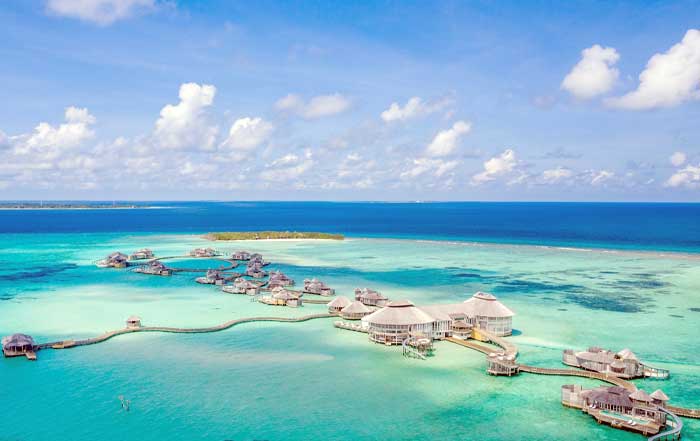
The Maldives and other Indian Ocean destinations continue to be associated with ultra-luxury, but leading brands like Soneva Fushi have shown that high-end experiences can be aligned with ambitious sustainability commitments. Waste-to-resource programs, glass recycling studios, and on-site organic farms illustrate how island resorts can reduce imports, generate local employment, and educate guests about circular economy principles, concepts that echo the frameworks set out by the Ellen MacArthur Foundation. For travelers exploring premium hotels and resorts, such examples are increasingly used as benchmarks when evaluating where to invest their time and budget.
Health, Performance, and the Science Behind Wellness Travel
The rise of eco-friendly health and wellness resorts is not only a response to environmental concerns; it is also anchored in a growing body of scientific evidence linking nature exposure, stress reduction, and lifestyle interventions to improved physical and mental health. The World Health Organization and national health agencies in United States, United Kingdom, Canada, and Australia have highlighted the global burden of non-communicable diseases driven by sedentary lifestyles, poor diet, and chronic stress. Eco-wellness resorts are positioning themselves as part of the solution by providing structured environments where guests can reset habits, learn practical skills, and experience the tangible benefits of movement, rest, and mindful nutrition.
From a health perspective, many programs now integrate measurable outcomes, such as sleep tracking, heart rate variability monitoring, and metabolic assessments, often guided by best practices shared through institutions like the Harvard T.H. Chan School of Public Health. Guests may undergo initial consultations to identify stress levels, musculoskeletal imbalances, or dietary patterns, followed by tailored itineraries that combine spa treatments, guided exercise, breathing techniques, and educational workshops. This approach appeals particularly to executives and entrepreneurs, who view these retreats as investments in performance and resilience rather than mere indulgence, aligning with broader discussions on workplace wellbeing that readers can explore further in the work and travel insights section of World We Travel.
Mental health has also become a central pillar of wellness tourism. The pandemic years and subsequent economic volatility in Europe, Asia, and North America have elevated conversations around burnout, anxiety, and digital overload. Eco-wellness resorts respond by designing environments with minimal noise pollution, abundant natural light, and carefully curated digital detox options, often drawing on mindfulness methodologies validated by research centers like the Mindfulness Center at Brown University. Time in forests, mountains, or near water is no longer framed purely as leisure; it is recognized as a mental health intervention that can improve mood, focus, and overall life satisfaction.
For families, the health dimension of eco-resorts is particularly attractive. Parents from United States, United Kingdom, Singapore, and Germany increasingly seek destinations where children can disconnect from screens, learn about ecosystems, and engage in physical play outdoors. Resorts respond with junior wellness programs, nature-based education, and intergenerational activities that strengthen family bonds while reinforcing healthy habits. Those planning their next multi-generational trip may find additional guidance in the family travel section of World We Travel, where wellness, safety, and educational value are recurring themes.
Economic and Social Impact on Local Communities
Beyond guest experience, eco-friendly spa resorts play a growing role in regional economic development and social resilience. When designed and managed responsibly, these properties create high-quality jobs, stimulate local supply chains, and contribute to infrastructure improvements, while also helping communities preserve natural and cultural assets that might otherwise be degraded by unsustainable mass tourism.
Economically, eco-wellness resorts often adopt procurement policies that favor local producers, artisans, and service providers, in line with responsible tourism principles promoted by organizations such as the UN World Tourism Organization. This can include sourcing organic produce from nearby farms, partnering with local wellness practitioners and guides, and commissioning furniture, textiles, and art from regional craftspeople. These decisions help retain more tourism revenue within the community, diversify income sources, and encourage young people to view hospitality and wellness as viable, future-oriented careers, particularly in rural or coastal regions of Thailand, South Africa, Brazil, and Malaysia. Insights into how tourism shapes local and global economies are increasingly relevant for travelers who want their spending to support long-term prosperity rather than short-term extraction.
Socially, many leading resorts commit to education, health, and cultural preservation initiatives. They may fund scholarships, support local schools, or sponsor health campaigns, often in collaboration with NGOs and public agencies. Some properties in Africa and South America integrate community visits into their wellness programs, not as voyeuristic excursions, but as structured exchanges where guests learn about traditional healing, agriculture, or conservation from local experts. Such practices can reinforce cultural pride, generate additional income, and create platforms for dialogue about sustainable development, echoing the inclusive development goals set out in the UN Sustainable Development Goals.
From an environmental perspective, eco-wellness resorts frequently act as stewards of critical habitats, managing private reserves or buffer zones adjacent to national parks, marine protected areas, or UNESCO World Heritage Sites. They may invest in reforestation, invasive species control, wildlife monitoring, and coastal protection, sometimes using citizen science models that allow guests to participate in data collection. For travelers committed to sustainable and eco-conscious travel, these initiatives provide assurance that their stay contributes tangibly to conservation outcomes rather than merely offsetting impacts on paper.
Technology, Innovation, and the Future of Eco-Wellness
Looking ahead, technology and innovation are set to deepen the integration of sustainability and wellness in the resort sector. Smart building systems, AI-driven energy management, and advanced analytics allow operators to monitor and optimize resource use in real time, minimizing waste while maintaining comfort. Guests might soon see dashboards displaying a resort's daily water and energy performance, comparable to the transparency frameworks advocated by initiatives like the Science Based Targets initiative, empowering them to understand the impact of their stay and adjust their own behavior.
Digital tools also enhance personalization and continuity of care. Many wellness resorts now offer pre-arrival assessments via secure platforms, enabling practitioners to tailor programs before guests arrive, and follow-up coaching after departure to help maintain new habits. This model aligns with broader trends in digital health, telemedicine, and wearable technology, as documented by organizations such as the World Economic Forum in its analyses of the future of health and travel. For business travelers and remote workers, these innovations make it easier to integrate wellness into demanding schedules, a topic explored further in World We Travel's coverage of travel and technology.
At the same time, the sector faces the challenge of ensuring that technology remains a servant, not a distraction. The most forward-thinking resorts strike a balance between digital efficiency and analog experience, using automation behind the scenes while preserving spaces where guests can disconnect, reflect, and engage with their surroundings and companions without constant notifications. This equilibrium will be critical as younger generations from South Korea, Japan, Singapore, and Europe bring their expectations for connectivity into the wellness domain, even as they seek escape from digital fatigue.
From a strategic perspective, eco-wellness resorts are likely to deepen partnerships with environmental organizations, universities, and health institutions to strengthen their credibility and impact. Collaborative research on climate adaptation, regenerative tourism, and health outcomes will help refine best practices and differentiate serious operators from superficial "greenwashing." For travelers comparing options, it will become increasingly important to look beyond marketing language and assess whether a resort's commitments align with recognized frameworks, transparent reporting, and independent verification. Those seeking practical guidance on evaluating sustainability claims can find additional travel tips tailored to eco-conscious decision-making.
Retreats, Resilience, and the Role of Travel in a Changing World
In an era marked by geopolitical uncertainty, environmental disruption, and rapid technological change, the role of travel itself is being reconsidered. Eco-friendly health and wellness spa resorts are at the forefront of this redefinition, positioning travel not merely as consumption, but as a form of investment in personal resilience, environmental regeneration, and cross-cultural understanding.
For many guests, especially professionals under pressure in financial centers from London and New York to Singapore and Frankfurt, a well-designed wellness retreat is no longer a luxury reserved for rare occasions; it is a strategic pause that enables clearer thinking, better decision-making, and more sustainable performance. Purposeful retreats-focused on leadership development, creative thinking, or team cohesion-are increasingly hosted in eco-conscious environments where nature, health, and privacy support deep work and authentic connection. Readers considering such experiences can explore curated ideas for wellness-focused retreats that align with corporate and personal objectives.
For families and solo travelers alike, these resorts offer a chance to realign values and habits with the realities of a warming planet. Time spent in restored forests, protected marine areas, or carefully managed rural landscapes can shift perspectives on consumption, mobility, and responsibility, making abstract concepts like carbon footprints and biodiversity loss more tangible. As World We Travel engages with audiences from United States to New Zealand, and from South Africa to Norway, it is clear that travelers are increasingly aware that every journey carries consequences, and that choosing eco-friendly wellness destinations is one way to ensure those consequences are positive.
In 2026 and beyond, eco-friendly health and wellness spa resorts will continue to evolve as laboratories for sustainable living, models for responsible hospitality, and sanctuaries where individuals, families, and teams can restore balance in a demanding world. For the global community of World We Travel, they represent not just a trend, but a blueprint for how travel, business, and wellbeing can be aligned with the needs of both people and planet. Those planning their next journey-whether for rest, work, or renewal-can begin exploring a world of responsible options through the main World We Travel portal, where destinations, insights, and inspiration converge to support healthier, more sustainable choices.