

The Allure of Spanish Fiestas: Tradition, Tourism, and the Future of Experiential Travel
Spanish Fiestas in a Global Travel Landscape
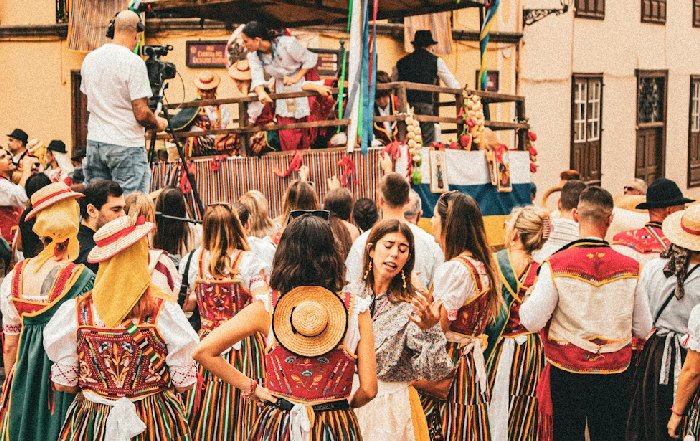
Ah, as international travel continues to recover and evolve after years of disruption and transformation, Spanish fiestas stand out as one of the most compelling examples of how culture, community and commerce intersect to create powerful travel experiences that resonate with visitors from the United States, United Kingdom, Germany, Canada, Australia and far beyond. For the relatively small, but still growing groups of worldwetravel.com, who increasingly seek meaningful journeys that blend leisure, learning and local connection, the allure of Spain's festivals offers a lens into how destinations can cultivate authenticity while supporting sustainable economic growth and social cohesion. From the exuberant streets of Seville's Feria de Abril to the solemn processions of Semana Santa in Andalusia, from the creative explosion of Las Fallas in Valencia to the world-famous La Tomatina in Buñol, these events reveal how a country can transform its cultural calendar into a year-round engine for tourism, hospitality and business innovation.
As global travelers refine their preferences, they are paying closer attention to how festivals integrate with broader destination offerings such as curated destinations and itineraries, wellness-focused retreat experiences and family-friendly cultural programming. Spanish fiestas, deeply rooted in regional identities yet open to international participation, mirror this shift and demonstrate why experiential travel has become a central pillar of the global tourism economy.
Historical Roots and Cultural Significance
The power of Spanish fiestas lies in their layered history, where religious observances, agricultural cycles, royal commemorations and local legends have gradually merged into events that are at once traditional and contemporary. Historians at institutions such as Universidad Complutense de Madrid and cultural organizations like the Instituto Cervantes have long documented how processions, pilgrimages and market fairs evolved from medieval gatherings into elaborate spectacles that now attract millions of visitors annually. For travelers who want to understand the deeper context behind the celebrations, it is useful to explore how Catholic rituals, Moorish heritage, regional languages and centuries of political change have shaped the modern festival calendar, something that resources such as UNESCO's listings of intangible cultural heritage help illuminate for a global audience.
The designation of events like La Patum de Berga in Catalonia as examples of humanity's living heritage underscores the broader recognition that fiestas are not simply tourist attractions, but vital expressions of community identity and continuity. Those planning cultural journeys through Spain often combine festival attendance with visits to museums and historical sites recommended by organizations such as Spain.info, the official tourism portal of Turespaña, to gain a more holistic understanding of the country's complex past and diverse present. This historical depth is particularly appealing to travelers from France, Italy, Netherlands and Switzerland, who frequently seek multi-country European itineraries that balance iconic landmarks with immersive local experiences.
The Economic Engine Behind the Celebrations
Beyond their cultural richness, Spanish fiestas have become a central component of the national and regional tourism economies, contributing significantly to employment, infrastructure investment and the growth of small and medium-sized enterprises. Analyses by bodies such as the World Travel & Tourism Council and the OECD have highlighted how festivals and events generate substantial economic multipliers, especially in sectors such as hospitality, transport, gastronomy and creative industries. In cities like Seville, Valencia and Pamplona, local authorities and business associations work closely to align festival planning with broader urban development and destination strategies, ensuring that visitor flows are managed effectively and that benefits extend beyond a few peak days each year.
For business travelers and corporate planners who follow global economy insights and are interested in how events drive regional growth, Spanish fiestas offer compelling case studies in place-based economic development. Many chambers of commerce in Spain report that major festivals stimulate investment in hotel renovations, digital ticketing systems and improved mobility infrastructure, which in turn enhance the overall competitiveness of the cities involved. International investors from Singapore, Japan, South Korea and United States increasingly view these event-driven ecosystems as opportunities to support hospitality ventures, technology platforms and creative collaborations that can be replicated in other regions worldwide.
Fiestas as Catalysts for Tourism and Hospitality Innovation
The festival calendar in Spain has become a testing ground for innovative approaches to tourism management, guest experience design and hospitality partnerships. Hotels and guesthouses across Spain, from boutique properties in Granada to business-oriented accommodations in Madrid and Barcelona, tailor their offerings to coincide with major fiestas, creating themed packages, culinary experiences and curated local excursions. Travelers exploring hotel options and reviews increasingly prioritize properties that can provide not only comfortable stays but also insider access to parades, concerts and neighborhood traditions that might otherwise remain hidden to casual visitors.
Travel planners and agents, including those who collaborate with worldwetravel.com on comprehensive travel planning, have also adapted their strategies, integrating festival dates into long-term booking calendars and advising clients from United Kingdom, Germany, Canada and Australia on how to balance the excitement of peak-season events with the practical realities of crowding and higher prices. Digital platforms and travel technology firms, some of them supported by innovation agencies such as ENISA in Spain or guided by insights from UNWTO, are experimenting with real-time capacity information, dynamic pricing models and augmented reality experiences that allow visitors to navigate parades and performances more intuitively. This fusion of tradition and technology is reshaping what it means to attend a fiesta in the 2020s, turning each event into a living laboratory for the future of tourism.
Family Travel and Multigenerational Experiences
One of the enduring strengths of Spanish fiestas is their ability to engage multiple generations simultaneously, making them particularly attractive to families from North America, Europe, Asia and Oceania who seek shared experiences that appeal to both adults and children. Many festivals include dedicated children's parades, puppet shows, fairground attractions and educational workshops that introduce younger visitors to local music, dance and crafts in an accessible way. For families planning itineraries through family-oriented travel resources, the combination of daytime cultural activities and evening celebrations offers a flexible framework that can be adapted to different ages and energy levels.
Tourism boards and municipal authorities, often working with organizations such as UNICEF and national child welfare agencies, have also focused on ensuring that festival environments remain safe and inclusive for young participants, with clear signage, accessible facilities and family-friendly zones. This emphasis on safety and inclusivity resonates strongly with visitors from Sweden, Norway, Denmark and Finland, where family travel norms prioritize well-being and child-centered planning. By promoting fiestas as spaces where grandparents, parents and children can share meaningful moments, Spain strengthens its appeal as a destination for multigenerational travel, a segment that continues to grow as global demographics shift and extended families seek opportunities to reconnect abroad.
Business Travel, Corporate Events and Professional Networking
While fiestas are often associated with leisure and celebration, they also play an increasingly important role in the business travel ecosystem, particularly for executives, entrepreneurs and remote professionals who blend work and exploration. Many companies now schedule regional meetings, incentive trips and client entertainment around major festivals, recognizing that these events offer powerful settings for relationship-building and informal networking. The rise of hybrid work models and flexible office arrangements, tracked by organizations such as the International Labour Organization and World Economic Forum, has further encouraged professionals to extend business trips to coincide with cultural events, creating a new category of "fiesta-adjacent" work travel.
For readers exploring business travel and work-life integration, Spanish fiestas illustrate how corporate agendas can be aligned with local calendars to create memorable, high-impact experiences that go beyond standard conference formats. Co-working spaces in cities like Barcelona, Madrid and Valencia often organize special programming during festivals, including networking receptions, cultural briefings and guided visits to key events, enabling international professionals from Singapore, South Korea, Japan and United States to engage with local entrepreneurs and creative communities. This convergence of business and culture supports a more holistic approach to global mobility, where work commitments and personal enrichment reinforce rather than compete with each other.
Technology, Digital Storytelling and the Modern Fiesta Experience
By 2026, technology has become inseparable from the way festivals are planned, experienced and remembered, and Spanish fiestas are no exception. Event organizers collaborate with digital agencies and platforms to manage ticketing, crowd control and communications, while visitors rely on mobile apps, interactive maps and streaming services to stay informed and connected. Research from organizations like Eurostat and ITU underscores how high smartphone penetration and improved connectivity across Europe have enabled real-time sharing of images, videos and commentary, turning each festival into a global media event that extends far beyond the physical streets where it takes place.
For technology-minded travelers who follow innovation and travel tech developments, Spanish fiestas demonstrate how digital tools can enhance rather than replace in-person experiences. Augmented reality features allow users to see historical reconstructions of past processions, while multilingual audio guides help international visitors from China, Brazil, Malaysia and South Africa understand the symbolism of costumes, floats and rituals. Social media platforms and community forums, supported by organizations such as Visit Valencia or Turismo de Andalucía, offer up-to-date tips on viewing locations, accessibility and local etiquette, helping visitors plan effectively and engage respectfully with host communities. At the same time, data analytics and smart city technologies enable municipal authorities to monitor crowd density, adjust transportation services and ensure public safety, illustrating how digital transformation can support both visitor experience and urban resilience.
Health, Well-Being and Responsible Participation
As global travelers remain conscious of health and well-being in the post-pandemic era, Spanish fiestas have adapted with enhanced public health measures, improved hygiene infrastructure and renewed attention to personal safety. Guidance from organizations such as the World Health Organization and national health authorities has informed festival protocols on crowd management, sanitation and emergency services, while local governments have invested in medical support stations, hydration points and clear communication channels to address potential risks. Visitors who consult health and travel wellness resources are increasingly aware of the need to prepare for factors such as heat, noise, long walking distances and late-night schedules, especially in southern regions where summer temperatures can be intense.
In parallel, the concept of well-being has expanded beyond physical health to encompass mental balance and emotional fulfillment, leading some travelers to combine high-energy festival attendance with quieter retreat experiences in rural areas, coastal villages or mountain regions. Wellness resorts and rural guesthouses across Spain, including properties in the Pyrenees, Sierra Nevada and Balearic Islands, now offer packages that pair a few days of fiesta immersion with yoga, spa treatments, nature hikes and mindfulness workshops. This integrated approach reflects broader trends observed by organizations like Global Wellness Institute, where travelers from New Zealand, United Kingdom and Canada seek to balance stimulation and restoration within a single itinerary.
Sustainability, Eco-Conscious Travel and Cultural Preservation
The environmental impact of large-scale festivals has become a central concern for both organizers and visitors, aligning with a broader shift toward sustainable tourism practices worldwide. Spanish cities and regions have responded by implementing waste reduction programs, encouraging public transportation use and exploring more sustainable materials for decorations, fireworks and temporary structures. Reports from bodies such as the European Environment Agency and UN Environment Programme highlight the importance of integrating environmental considerations into event planning, from energy consumption and emissions to biodiversity protection and noise pollution.
Travelers who prioritize eco-friendly travel choices are increasingly selective about the festivals they attend, seeking evidence of responsible waste management, community engagement and long-term cultural preservation. In response, local authorities and cultural organizations work together to ensure that fiestas remain rooted in local traditions rather than devolving into purely commercial spectacles, often drawing on research from academic institutions and heritage organizations to guide decision-making. Initiatives that promote reusable cups, sustainable catering and public awareness campaigns about environmental responsibility are becoming more visible at major events, sending a clear signal to visitors from Netherlands, Sweden, Norway and Denmark that Spain is committed to aligning its cultural celebrations with global sustainability goals. Travelers who wish to learn more about sustainable business practices can see how these principles are being applied in real time during festival seasons, offering valuable insights for companies and destinations worldwide.
Practical Travel Strategies and Insider Perspectives
For the international audience of worldwetravel.com, the allure of Spanish fiestas is closely tied to the practical question of how to experience them effectively and respectfully. Travel experts and local partners emphasize the importance of early planning, especially for high-profile events that can dramatically increase demand for flights, accommodation and local transportation. Visitors are encouraged to consult comprehensive travel tips and planning advice to understand optimal booking windows, regional transport networks and strategies for navigating busy streets and public spaces during peak celebrations.
Seasoned travelers often recommend combining major, globally known fiestas with smaller, neighborhood-level events that offer a more intimate view of Spanish life, something that regional tourism boards and platforms like Spain.info help to highlight. For remote workers and digital nomads who follow work and travel guidance, aligning longer stays with multiple festivals across different regions can provide a nuanced picture of Spain's cultural diversity, from the Basque Country and Galicia to Andalusia and Catalonia. Practical considerations such as language, local customs, dress codes and public behavior are increasingly documented by cultural institutes and travel organizations, ensuring that visitors from Asia, Africa, South America and North America can participate in a way that honors local expectations and fosters positive intercultural exchange.
What's The Future of Spanish Fiestas in a Changing World?
As the global tourism industry continues to change, Spanish fiestas occupy a unique position at the intersection of heritage, innovation and economic strategy. They demonstrate how a country can leverage its cultural assets to attract visitors from around the world while simultaneously investing in infrastructure, sustainability and community well-being. For worldwetravel.com and its airport and hotel, frequenting community, who monitor global travel trends and insights across continents and sectors, the story of Spanish fiestas offers valuable lessons for destinations seeking to balance authenticity with accessibility, tradition with technology and celebration with responsibility.
Flying ahead, the continued success of these festivals will depend on the ability of local and national stakeholders, including tourism boards, cultural institutions, businesses and residents, to collaborate on long-term strategies that protect the integrity of the events while embracing new forms of engagement. Organizations such as UNWTO, UNESCO, World Travel & Tourism Council and regional development agencies will play a crucial role in shaping best practices, from crowd management and digital innovation to environmental stewardship and cultural preservation. As travelers from United Kingdom, Germany, Canada, France, Italy, Spain, Netherlands, Switzerland, Norway, Singapore, Denmark continue to seek experiences that are both memorable and meaningful, Spanish fiestas will remain a compelling example of how local traditions can captivate a global audience.
For those exploring future journeys through World We Travel's main hub and specialized sections on destinations, culture, business and eco-travel, the allure of Spanish fiestas is not only an invitation to attend a spectacular event, but also an opportunity to participate in a living story of resilience, creativity and shared celebration that connects communities across borders and generations.