

Netherlands Travel Guide to Canals, Culture and Cycling
The Netherlands has long captivated travelers with its shimmering canals, golden-age art, tulip fields and a cycling culture that seems to turn every street into a moving postcard. For travelling community checking us out today, the country offers an unusually rich combination of beauty, practicality and progressive thinking, where centuries-old merchant houses coexist with cutting-edge architecture, and where a bike is often the most efficient way to cross a city. This guide explores how visitors can experience the Netherlands in depth, from canal-side strolls and museum visits to family-friendly cycling adventures and sustainable escapes beyond the big cities.
Understanding the Netherlands: A Compact Country with Global Influence
Despite its modest size, the Netherlands has outsized global influence in trade, culture, design and environmental innovation. The country's strategic location on the North Sea, its long maritime history and its role as a founding member of the European Union have shaped a society that is outward-looking and highly connected. Travelers arriving through Amsterdam Airport Schiphol, one of Europe's major hubs, immediately sense the country's emphasis on efficiency and infrastructure, with frequent rail links that can bring visitors to most major cities in under two hours.
The Netherlands is also recognized for its progressive social policies and commitment to the rule of law, with The Hague hosting institutions such as the International Court of Justice and the International Criminal Court. Visitors interested in global governance can learn more about these institutions through resources from the United Nations and the International Criminal Court, and then see the buildings in person while exploring the city's stately boulevards and nearby dunes.
For travelers using this site as a planning companion, the country's compact geography makes it ideal for multi-city itineraries. It is easy to connect Amsterdam's canals with Rotterdam's modern skyline, Utrecht's medieval charm, and the cultural richness of cities like Leiden, Delft and Maastricht, using trains and bikes rather than rental cars. The destinations page can help visitors map out these combinations in a way that matches their interests and pace.
Amsterdam's Canals: History, Architecture and Everyday Life
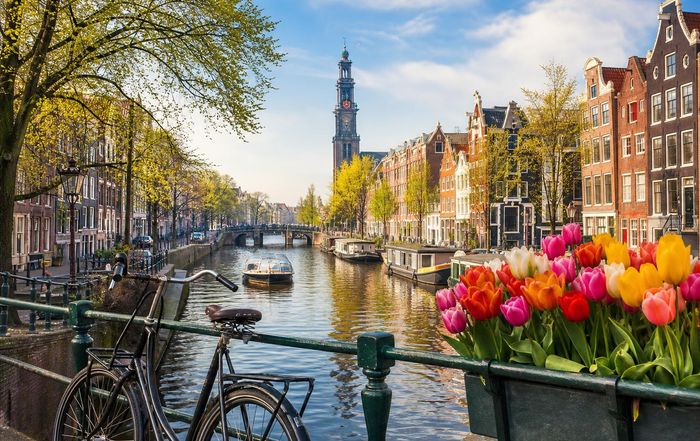
Amsterdam's canal belt, or Grachtengordel, is the most iconic expression of Dutch water management and urban design. The concentric canals, built mainly in the 17th century during the Dutch Golden Age, are recognized as a UNESCO World Heritage Site and remain the city's defining feature. Travelers walking along the Herengracht, Keizersgracht and Prinsengracht encounter an almost continuous sequence of gabled townhouses, each with subtle variations in height, ornamentation and color that reflect the city's mercantile past.
A canal cruise is often the first introduction to this landscape. Companies operating from Central Station and around the Anne Frank House offer a range of options, from open-boat tours with live guides to quieter, electric-powered boats that emphasize sustainability. Visitors interested in the architectural and historical context can deepen their understanding through resources from UNESCO and the Rijksdienst voor het Cultureel Erfgoed, which document how the canals were engineered and protected over the centuries.
Beyond the postcard views, the canals shape daily life. Many locals commute by boat or live in houseboats moored along quieter stretches. Travelers who want an immersive experience can book canal-side hotels or houseboat accommodations through platforms that specialize in authentic stays, while also consulting the hotels guide to find properties that combine character with strong sustainability practices and family-friendly facilities. Evening walks along the canals, when warm light spills from tall windows and reflections ripple across the water, often become a highlight of a stay in Amsterdam.
Cycling Culture: A Way of Life and a Model for Sustainable Travel
Cycling in the Netherlands is not a niche activity or a tourist novelty; it is a core part of everyday life. In cities like Amsterdam, Utrecht and Groningen, bikes outnumber cars by a wide margin, and infrastructure is designed accordingly, with separated cycle tracks, priority at many intersections and extensive bike parking facilities. Organizations such as CROW and the Dutch Cycling Embassy document how the country has built this system over decades, offering case studies that urban planners worldwide consult when attempting to replicate the model. Travelers can explore these resources through the Dutch Cycling Embassy to understand the principles behind Dutch bike culture before experiencing it firsthand.
For visitors, renting a bike is often the most enjoyable way to explore. Stations and city centers host numerous rental shops, and many hotels now provide bicycles as part of their services. The travel section highlights how cycling can transform a trip, allowing travelers to reach quiet neighborhoods, local markets and waterfronts that might be missed when relying solely on public transport. In Utrecht, the world's largest bicycle parking facility at the central station, documented by sources such as Utrecht Municipality, illustrates the scale at which cycling has been integrated into daily commuting.
Safety is an important consideration for visitors new to cycling in such a busy environment. Dutch cities generally prioritize low speeds and clear signage, yet newcomers should study local rules, practice signaling and remain attentive at intersections where bikes, trams and pedestrians converge. Practical advice on navigating European cities by bike can be found on sites like Cycling UK and European Cyclists' Federation, complementing the local tips and route suggestions that we provide in its tips section.
Beyond urban rides, long-distance cycling routes such as the LF network and EuroVelo paths connect cities with countryside, dunes and river landscapes. These routes, mapped by organizations like EuroVelo, allow travelers to design multi-day cycling journeys, staying in small towns and family-run accommodations along the way.
Family-Friendly Netherlands: Museums, Parks and Easy Logistics
The Netherlands is particularly welcoming for families, combining safe streets, compact city centers and numerous attractions designed with children in mind. Cities such as Amsterdam, Rotterdam, The Hague and Utrecht offer interactive museums, science centers and open spaces that encourage learning through play. The NEMO Science Museum in Amsterdam, profiled by NEMO's official site, invites children to experiment with physics, engineering and chemistry through hands-on exhibits, while the Maritime Museum in Rotterdam and the Railway Museum in Utrecht bring transport history to life.
Parks and green spaces, from Amsterdam's Vondelpark to The Hague's seaside dunes at Scheveningen, provide room to run, cycle and picnic. Dutch cities often feature well-maintained playgrounds and child-friendly cafés, making it easy for parents to balance sightseeing with downtime. The family section of WorldWeTravel offers guidance on building itineraries that alternate between cultural visits and outdoor activities, as well as advice on navigating public transport with strollers and young children.
Accommodation options for families range from city apartments and canal-side hotels with connecting rooms to holiday parks in the countryside that combine cabins, pools and bike rentals. Resources such as Visit Netherlands and Lonely Planet provide overviews of family-oriented attractions, while WorldWeTravel adds a personalized layer of insight by highlighting properties and experiences that prioritize safety, accessibility and a welcoming atmosphere for guests of all ages.
Cultural Heritage: Art, Architecture and Living Traditions
Dutch culture is often associated with the masterpieces of the Golden Age, and indeed, institutions such as the Rijksmuseum, Van Gogh Museum and Mauritshuis hold some of the world's most celebrated collections. Visitors can stand before Rembrandt's "The Night Watch" or Vermeer's "Girl with a Pearl Earring," then use resources from the Rijksmuseum and Mauritshuis to explore the historical context of these works. The Van Gogh Museum, supported by research from the Van Gogh Museum Foundation, provides an intimate view of the artist's life, letters and evolving style, making it a powerful experience for art enthusiasts.
Yet Dutch culture extends far beyond museum walls. Cities such as Rotterdam showcase contemporary architecture and design, with landmarks like the Erasmus Bridge and the Markthal symbolizing post-war reconstruction and innovation. The architectural evolution of Rotterdam is documented by sources including Rotterdam Partners and the Netherlands Architecture Institute, which together illustrate how the city has become a laboratory for bold urban design.
Living traditions also play a role in the cultural landscape. Regional festivals, markets and events celebrate everything from King's Day, with its sea of orange-clad revelers, to Sinterklaas parades and local cheese markets in places like Alkmaar and Gouda. Travelers interested in cultural immersion can consult the culture page on WorldWeTravel to find experiences that respect local customs while remaining accessible to international visitors. Resources from DutchCulture and Netherlands Board of Tourism & Conventions provide additional context on how the Netherlands supports its creative sectors and promotes cultural exchange.
Eco-Conscious Travel: Water, Wind and Sustainable Innovation
The Netherlands is often cited as a leader in climate adaptation and sustainable urban planning, a reputation built on centuries of managing water and land. Large parts of the country lie below sea level, and institutions such as Deltares and the Rijkswaterstaat document how the Dutch have developed advanced flood protection systems, including the Delta Works and sophisticated dike networks. Travelers interested in this aspect of Dutch innovation can learn more from sources such as Deltares and Rijkswaterstaat, then visit sites like the Maeslantkering storm surge barrier near Rotterdam to see these structures up close.
Sustainable travel practices are increasingly central to the way visitors experience the Netherlands. Many cities promote low-emission zones, electric public transport and extensive cycling infrastructure, while hotels and attractions adopt energy-efficient technologies and waste-reduction measures. Organizations such as Green Key certify environmentally responsible accommodations and attractions, with details available through Green Key International, helping travelers identify properties that align with their values. The eco section of WorldWeTravel complements these certifications with editorial insights into green hotels, eco-tours and low-impact itineraries.
Nature reserves and national parks, including the Hoge Veluwe, Biesbosch and the Wadden Sea, offer opportunities to experience Dutch landscapes beyond the cities. The Netherlands National Parks website provides detailed information on trails, wildlife and visitor facilities, while platforms such as WWF Netherlands highlight conservation initiatives in coastal and wetland areas. For travelers, combining city stays with excursions to these natural areas creates a balanced itinerary that supports both cultural and environmental appreciation.
Health, Well-Being and Retreat Experiences
Travelers increasingly seek destinations that support physical and mental well-being, and the Netherlands responds with a blend of urban wellness offerings and tranquil retreats. Many cities feature spa facilities, yoga studios and wellness-oriented hotels, while the country's extensive cycle paths and walking routes encourage gentle daily exercise. The Dutch emphasis on outdoor recreation, whether through beach walks along the North Sea coast or forest hikes in the Veluwe, naturally supports a healthier pace of travel.
Thermal and spa experiences, while not as prominent as in some neighboring countries, are available in several regions and often integrate saunas, pools and relaxation spaces in serene natural settings. Visitors can research these options through health and wellness platforms such as Global Wellness Institute and supplement their planning with the health section on WorldWeTravel, which curates experiences oriented toward restorative travel.
Retreats that combine mindfulness, yoga, digital detox and nature immersion have also become more common. Rural estates, converted farms and coastal properties host small-group programs that encourage participants to disconnect from daily pressures and reconnect with themselves. The retreat page on WorldWeTravel highlights such opportunities, helping readers identify settings where Dutch hospitality, healthy cuisine and peaceful surroundings come together in a supportive environment.
Business Travel, Remote Work and Technology-Enabled Mobility
The Netherlands is a major hub for international business, with cities such as Amsterdam, Rotterdam and The Hague hosting multinational headquarters, conferences and trade fairs. The country's strong digital infrastructure, English proficiency and central location in Europe make it attractive for both short corporate trips and longer stays by remote workers. Organizations like the Netherlands Foreign Investment Agency and Holland International Distribution Council describe how the country positions itself as a gateway to Europe, and their official sites, including NFIA, provide background on key industries and innovation clusters.
For business travelers, the combination of efficient public transport, high-quality hotels and vibrant cultural life creates an environment where work and leisure can be balanced effectively. Conference attendees can spend mornings in meetings and evenings exploring canals, museums or contemporary dining scenes, with logistical support from platforms such as Amsterdam Convention Bureau and Rotterdam Ahoy. The business section of WorldWeTravel offers guidance on choosing meeting-friendly hotels, navigating transport from airports to city centers and making the most of limited free time between appointments.
Remote workers and digital nomads increasingly view the Netherlands as an appealing temporary base, thanks to co-working spaces, reliable broadband and a café culture that welcomes laptop users. Resources from Digital Nomad World and Nomad List provide comparative insights on costs and quality of life, while our work page focuses on practical tips for blending productivity with exploration, such as choosing neighborhoods with easy cycling access, green spaces and local markets. The country's commitment to technological innovation, highlighted by organizations like TNO and academic institutions such as TU Delft, reinforces its image as a forward-looking destination where technology supports, rather than overwhelms, everyday life; readers can explore these developments further through resources like TNO and TU Delft.
Global Connections, Economy and the Traveler's Perspective
The Netherlands' economy is deeply integrated into global trade, with the Port of Rotterdam and Amsterdam's financial sector playing central roles in European logistics and finance. Institutions such as Statistics Netherlands (CBS) and the Netherlands Bureau for Economic Policy Analysis (CPB) provide transparent data on economic performance, accessible through CBS and CPB, illustrating how the country balances open markets with social welfare policies. For travelers, this economic stability translates into reliable services, well-maintained infrastructure and a generally high standard of living that supports safe and comfortable journeys.
The Netherlands also participates actively in international organizations, including the European Union, NATO and various climate and development initiatives. Resources from the European Union and NATO provide context on the country's role in regional security and cooperation. This global perspective influences Dutch attitudes toward visitors; English is widely spoken, and many locals are accustomed to interacting with people from around the world, which helps travelers feel welcome and understood.
For people here, this interconnectedness underscores why the Netherlands functions not only as a destination but also as a gateway to broader European exploration. Fast rail links connect Dutch cities with Belgium, Germany and France, allowing travelers to extend their journeys seamlessly. The global section on WorldWeTravel and the site's economy page provide additional perspective on how the Netherlands fits into wider patterns of travel, trade and cultural exchange, helping visitors see their trip as part of a larger global story.
Practical Inspiration for a Netherlands Journey
Planning a trip to the Netherlands involves balancing the classic highlights with personal interests. Some visitors focus on Amsterdam's museums and canals, others prioritize cycling through polder landscapes or exploring less-visited towns like Haarlem, Leiden or 's-Hertogenbosch. This site brings these options together, encouraging travelers to think in terms of experiences rather than checklists: a sunrise ride along a canal, a quiet hour in front of a Vermeer, a conversation with a café owner in a small city, or a walk through dunes where the North Sea wind carries the scent of salt and pine.
Resources such as Visit Europe and OECD Tourism offer broader overviews of tourism trends and best practices, while WorldWeTravel adds a curated, human-centered lens that emphasizes trust, expertise and inspiration. By combining verified information from authoritative sources with on-the-ground insights into destinations, hotels, culture, eco-travel and family experiences, worldwetravel helps readers design journeys that are both enriching and responsible.
In an era when travelers are increasingly conscious of their impact and eager for meaningful connection, the Netherlands stands out as a country where canals, culture and cycling come together in a coherent, welcoming whole. Its cities showcase art and innovation, its landscapes reveal the ongoing dialogue between humans and water, and its people embody a pragmatic openness that makes visitors feel at ease. With thoughtful planning and the support of platforms like WorldWeTravel, a trip to the Netherlands becomes more than a holiday; it becomes an invitation to experience a society that has long practiced the art of living well in a changing world.