

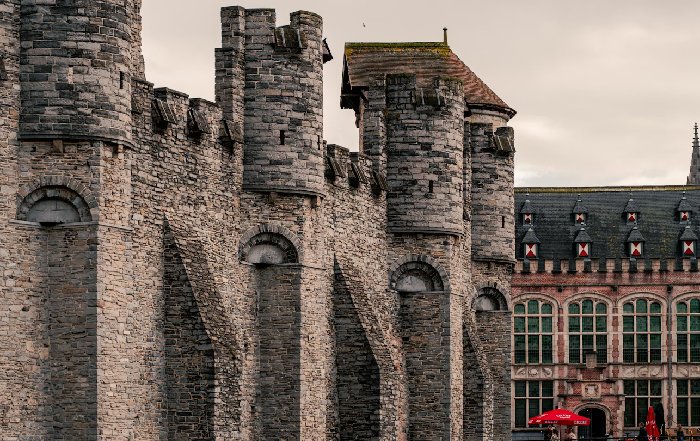
Castle Stays Across Europe: Luxury, Legacy, and the Future of Experiential Travel
The Resurgence of Castle Stays in a Changing Travel Landscape
Castle stays across Europe have evolved from a niche curiosity into a central pillar of the global experiential travel economy, appealing equally to leisure travelers, corporate decision-makers, and multi-generational families seeking depth, authenticity, and privacy. As travel patterns have shifted in response to geopolitical uncertainty, climate awareness, and the rise of remote work, historic estates and fortified residences-once symbols of feudal power-have been reimagined as refined hospitality destinations that blend heritage with contemporary expectations of comfort, safety, and digital connectivity. For World We Travel, which has long curated journeys that balance cultural immersion with practical considerations for business and family travelers, castle stays now represent a compelling intersection of history, exclusivity, and long-term value in the premium travel segment.
The growing interest in castle accommodations is not merely aesthetic or nostalgic; it is grounded in measurable trends that redefine how travelers allocate time and resources. Organizations such as the World Tourism Organization (UNWTO) highlight how experiential and cultural tourism have outpaced traditional mass tourism in growth, as travelers seek deeper connections with place, community, and story. Learn more about evolving tourism patterns through the UNWTO insights on tourism trends. At the same time, the emphasis on wellness, sustainability, and hybrid work has pushed travelers to look for destinations that can serve multiple purposes-retreat, office, classroom, and cultural classroom-within a single, coherent environment. Castle stays, especially across Europe's most visited regions, are uniquely positioned to meet these complex expectations.
Heritage, Hospitality, and the Economics of Preservation
From the Scottish Highlands to the hills of Tuscany and the river valleys of the Rhine, Europe's castles were never designed for modern tourism, yet they now anchor a sophisticated hospitality segment that engages investors, conservationists, and global travelers alike. Many properties operate as independent boutique hotels, while others form part of curated portfolios managed by organizations such as Relais & Châteaux, which emphasizes culinary excellence and sense of place. Explore how heritage properties are integrated into the luxury segment through Relais & Châteaux's collection. This transformation is not merely cosmetic; it requires complex negotiations between heritage preservation, regulatory compliance, and the expectations of discerning guests who demand both authenticity and reliability.
In countries such as the United Kingdom, France, Germany, and Italy, national heritage bodies and private foundations have played a critical role in financing restoration and ensuring that castle conversions respect architectural integrity. The National Trust in the UK, for example, has demonstrated how adaptive reuse can sustain historic properties while opening them to a broader audience; more details can be found through the National Trust's historic places guidance. Similarly, in France, agencies under the Ministère de la Culture coordinate with private owners to maintain cultural value while enabling commercial viability. These efforts are increasingly supported by European-level frameworks; the European Commission has recognized cultural heritage as a strategic economic asset, and its funding programs for restoration and cultural routes have helped many castle estates transition into sustainable business models. Learn more about cultural heritage policy at the European Commission's culture portal.
For the global audience of World We Travel, the economic dimension of castle stays is particularly relevant. Investors and corporate travel planners are not only booking rooms; they are participating in a broader ecosystem that supports local employment, artisan networks, and regional supply chains. Reports from the OECD and World Bank show that heritage-based tourism can significantly contribute to rural revitalization and regional GDP, especially when linked to quality infrastructure and digital connectivity. Those interested in the macroeconomic perspective can explore the OECD work on tourism and local development and the World Bank's analysis of cultural heritage and sustainable tourism. Castle stays, when managed responsibly, thus become catalysts for balanced regional growth rather than isolated luxury enclaves.
Destinations and Signature Experiences Across Europe
The appeal of castle stays is inherently geographical, and for travelers planning through World We Travel, the choice of destination is as strategic as it is emotional. On the destinations overview, European regions stand out for the density and diversity of historic estates that have been converted into hotels, retreats, and private hire venues. In the United Kingdom, travelers gravitate toward Scottish baronial castles overlooking lochs, Norman keeps in northern England, and fortified manors in Wales, each offering a distinct combination of rugged scenery and layered history. Many of these properties integrate outdoor pursuits such as fly-fishing, hiking, and golf, making them attractive to families and corporate groups seeking both recreation and reflection.
In France, castle stays are closely associated with the Loire Valley, Burgundy, and the Dordogne, where châteaux have become synonymous with gastronomy and wine. Guests may dine in Michelin-starred restaurants housed within centuries-old walls, participate in vineyard harvests, or attend classical music festivals staged in courtyards and grand halls. For a broader context on French cultural tourism, travelers can consult the resources of Atout France, accessible through France's official tourism information. Meanwhile, Italy offers a different narrative, where Tuscan hilltop castles, Umbrian fortresses, and South Tyrolean estates combine medieval architecture with agritourism, spa facilities, and design-forward interiors that appeal strongly to style-conscious travelers from the United States, Canada, and Australia.
Germany, Switzerland, and Austria present another profile, where castles along the Rhine, Danube, and in alpine regions often blend fairy-tale aesthetics with precision hospitality and strong transport connectivity. The German National Tourist Board showcases a range of castle routes and themed itineraries, which can be explored via Germany's official tourism site. These routes are particularly attractive for travelers who wish to combine multiple castle stays across different regions, leveraging Europe's efficient rail networks. The Swiss and Austrian markets, though smaller in number of castles, emphasize quality over quantity, often integrating mountain wellness, winter sports, and conference facilities into their historic properties.
Castle Stays for Families, Multi-Generational Travel, and Education
For families, castle stays offer an unusually powerful blend of imagination, education, and security. Through the family-focused guidance on World We Travel, parents and guardians from the United States, United Kingdom, Germany, and beyond increasingly seek accommodations that offer more than standard resort amenities, instead prioritizing environments where children can engage with history, nature, and culture in meaningful ways. Castles provide a natural stage for storytelling, from medieval legends to World War histories, and many properties now collaborate with local educators, historians, and performers to create interpretive programs and interactive experiences.
Museums and cultural institutions across Europe have demonstrated that hands-on engagement significantly improves learning outcomes for children and adolescents; organizations such as UNESCO and Europa Nostra emphasize the role of heritage in education and intercultural dialogue. Interested readers can explore UNESCO's work on culture and education for a deeper perspective. Castle stays align closely with these principles, offering guided tours, archaeology workshops, cooking classes rooted in regional traditions, and outdoor activities that foster environmental awareness. For families balancing school calendars and remote learning, these experiences can be integrated into structured educational plans, particularly when combined with digital resources from museums and open-course platforms.
From a practical standpoint, multi-room suites, private wings, and self-contained cottages within castle estates provide flexibility for extended families traveling together, including grandparents and relatives from different countries. This configuration is particularly valuable for travelers from Canada, Australia, and New Zealand, who often undertake longer European trips and seek stable bases from which to explore multiple regions. Health and safety considerations remain paramount, and many castle hotels have invested in upgraded ventilation, on-site medical support partnerships, and wellness facilities. To better understand current expectations around health-focused travel, readers may consult the World Health Organization's travel and health resources. These measures reinforce the trustworthiness of castle properties as family-friendly environments that do not compromise on modern standards.
Corporate Retreats, Executive Offsites, and Hybrid Work in Historic Settings
By 2026, the convergence of remote work, distributed teams, and leadership development has transformed how organizations plan retreats and offsites. The business travel insights provided by World We Travel emphasize that companies from technology, finance, consulting, and creative industries are increasingly seeking venues that foster strategic thinking, cohesion, and innovation, while also signaling commitment to employee well-being. European castle stays, with their combination of privacy, grandeur, and flexible spaces, have become prime locations for executive summits, board meetings, and cross-functional workshops.
Many castles now feature fully equipped conference rooms, high-speed fiber connectivity, and hybrid meeting infrastructure, allowing participants from Asia, North America, and other parts of Europe to join seamlessly. This is particularly relevant for organizations with hubs in cities such as London, Frankfurt, Paris, Amsterdam, Stockholm, Singapore, and New York, where teams may gather physically in a European castle while remote colleagues connect virtually. The World Economic Forum and similar organizations have highlighted the importance of environments that support deep work and creativity; more background can be found in the World Economic Forum's future of work insights. Castle settings, with their separation from urban distractions and strong sense of place, can significantly enhance the quality of strategic discussions and collaborative problem-solving.
At the same time, corporate decision-makers must evaluate castle stays through the lens of risk management, compliance, and return on investment. Issues such as data security, emergency response capacity, and accessibility for participants with disabilities are no longer secondary considerations. Many leading castle hotels have responded by implementing robust cybersecurity frameworks, staff training, and partnerships with local authorities and medical providers. Global best practices for safe and responsible business travel can be further explored through resources from the International Air Transport Association (IATA) and the International SOS Foundation. For companies planning annual retreats or leadership academies, castle stays now form part of a broader portfolio of venues that must demonstrate not only aesthetic appeal but also operational resilience.
Technology, Connectivity, and the Modern Castle Experience
The romantic image of a remote fortress on a hilltop has had to adapt to the realities of twenty-first-century connectivity. For the international audience of World We Travel, particularly those following developments on the technology-focused section, the question is no longer whether a castle is picturesque, but whether it can support video conferencing, secure data transfer, and a seamless digital guest journey. European castle hotels have responded by investing in fiber-optic connections where infrastructure allows, deploying discreet Wi-Fi networks that preserve architectural integrity, and implementing digital concierge services that integrate with global booking platforms and corporate travel management systems.
The travel technology ecosystem, including platforms and standards promoted by organizations such as Skift and the Global Business Travel Association (GBTA), has accelerated the digitization of heritage properties, making castle stays easier to discover, compare, and book. For a broader view of digital transformation in travel, readers may consult Skift's research on travel technology. However, the most successful properties strike a balance between digital convenience and analog charm, ensuring that guests can choose to disconnect without sacrificing essential services. This balance is particularly appreciated by travelers from high-tech hubs in the United States, South Korea, Japan, and Singapore, who often seek temporary relief from hyper-connected urban life while still needing the option to work or communicate as needed.
Technology also plays a crucial role in preservation and sustainability. Advanced monitoring systems help protect fragile structures from humidity, temperature fluctuations, and overcrowding, while digital ticketing and visitor flow management tools reduce pressure on sensitive areas. In addition, virtual and augmented reality experiences enable guests to visualize historical reconstructions without intrusive physical interventions. Institutions such as Europeana and leading European universities have been instrumental in developing these digital heritage tools; interested readers can explore Europeana's digital cultural heritage platform. For castle owners and managers, embracing technology is no longer optional; it is a core component of maintaining both competitiveness and cultural responsibility.
Health, Wellness, and Retreats in Castle Environments
Wellness travel has moved from a niche category to a central consideration for high-value travelers, and castle stays have adapted by integrating spa facilities, mindfulness programs, and nature-based activities into their offerings. On the health and wellness pages of World We Travel, travelers from markets such as the United States, Canada, Australia, and the Nordic countries increasingly prioritize destinations that can support physical and mental well-being alongside leisure or work. Castle estates often occupy large tracts of land, including forests, gardens, and riversides, which lend themselves to walking, cycling, yoga, and outdoor meditation, as well as traditional pursuits like horseback riding.
Many castle hotels now collaborate with wellness experts, nutritionists, and medical professionals to design retreats focused on stress reduction, digital detox, or specific health goals. These programs draw on evidence-based practices endorsed by institutions such as the Mayo Clinic and the Cleveland Clinic, whose health and wellness resources are widely cited by both consumers and practitioners; readers can learn more about integrative wellness concepts via the Mayo Clinic's healthy living resources. The architectural qualities of castles-thick stone walls, high ceilings, and expansive views-also contribute to a sense of refuge and perspective, which many guests find conducive to reflection and personal reset.
For corporate groups and professionals, the retreat-focused guidance on World We Travel highlights how castle environments can support leadership development, burnout recovery, and team cohesion. Program designers often combine structured workshops with unstructured time in nature, culinary experiences featuring local and seasonal produce, and facilitated dialogues around resilience and purpose. In this sense, castles function not only as physical spaces but as symbolic frameworks, inviting participants to consider legacy, responsibility, and long-term thinking-concepts that resonate strongly with senior leaders navigating complex global challenges.
Sustainability, Eco-Conscious Travel, and Responsible Castle Operations
Sustainability has become a defining criterion for travelers and organizations alike, and European castle stays are under increasing scrutiny to demonstrate environmental responsibility and social impact. The eco-focused section of World We Travel reflects a clear shift in traveler expectations: guests from regions such as Scandinavia, Germany, the Netherlands, and Canada, as well as environmentally conscious segments in the United States and Asia, now actively seek evidence of sustainable operations, from energy use and water management to waste reduction and community engagement.
Historic buildings present particular challenges and opportunities in this regard. Many castles were built with passive climate control in mind-thick walls, strategic orientation, and natural ventilation-which can reduce modern energy needs if managed intelligently. However, retrofitting these structures with efficient heating, cooling, and lighting systems requires specialized expertise and significant investment. Certification schemes such as Green Key and EU Ecolabel provide frameworks for measuring and communicating environmental performance; more information is available through the Green Key global eco-label for tourism. Leading castle hotels have adopted renewable energy sources where feasible, implemented advanced water-saving technologies, and prioritized local sourcing for food and materials to reduce their carbon footprint.
On a broader level, responsible castle tourism engages with local communities and cultural landscapes rather than operating as isolated enclaves. This means working with nearby farmers, artisans, and guides, supporting regional festivals and conservation projects, and ensuring that visitor flows do not overwhelm small towns or sensitive ecosystems. The Global Sustainable Tourism Council (GSTC) has developed criteria that many destinations and properties use as benchmarks for responsible practice; those interested can review the GSTC criteria for sustainable tourism. For travelers booking through World We Travel, these considerations translate into practical guidance on how to select castle stays that align with personal and corporate sustainability goals, ensuring that memorable experiences also contribute to long-term environmental and social resilience.
Practical Considerations, Booking Strategies, and Future Outlook
For travelers contemplating a castle stay, planning remains critical, particularly in peak seasons and high-demand regions such as the United Kingdom, France, Italy, and Germany. The general travel guidance on World We Travel emphasizes the importance of aligning trip objectives-whether family holiday, romantic escape, corporate offsite, or personal retreat-with the specific strengths of each property. Some castles are best suited for exclusive-use hire and high-level executive gatherings, while others operate as traditional hotels with a broad mix of leisure and business guests. Understanding these distinctions helps travelers manage expectations around privacy, service levels, and pricing.
Castle stays can also be integrated into broader itineraries that include urban centers, coastal resorts, and cultural hubs, creating a diversified experience across global and regional contexts. Travelers from North America and Asia often combine a few nights in a castle with time in cities such as London, Paris, Rome, Berlin, or Barcelona, leveraging Europe's dense transportation networks. Rail passes, private transfers, and regional flights all play a role, and forward planning helps optimize both cost and time. For insights into the economic and currency factors affecting European travel in 2026, including inflation, exchange rates, and regional disparities, readers can refer to the economy-focused analysis on World We Travel and external resources such as the European Central Bank's economic outlook.
Planning a trip ahead, castle stays are poised to remain a dynamic and resilient segment of the European travel market. Demographic shifts, including the rise of affluent travelers from Asia and Latin America, the continued growth of remote work, and the increasing prioritization of sustainability, will shape how these historic properties evolve. Investment in restoration and modernization is likely to accelerate, supported by public-private partnerships and impact-driven capital that recognizes the dual value of cultural preservation and sustainable tourism. For World We Travel and its global audience, castle stays represent more than a trend; they embody a sophisticated synthesis of heritage, hospitality, technology, and responsibility, offering travelers from the United States, United Kingdom, Germany, Canada, Australia, and beyond the opportunity to inhabit history while engaging thoughtfully with the present and future of travel.