

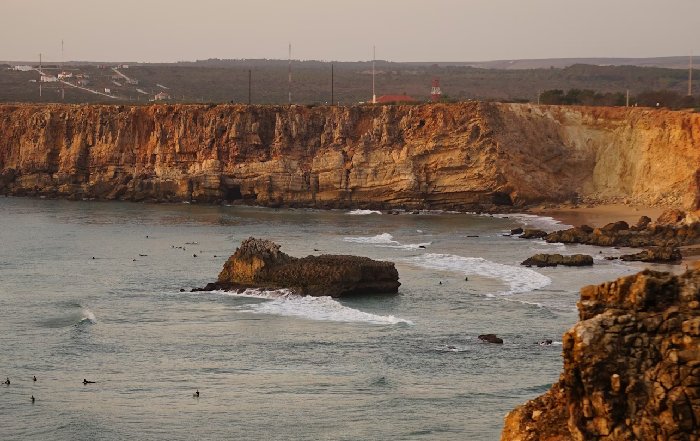
Seaside Retreats in Portugal: A Strategic Guide for Discerning Travelers and Business Leaders
Portugal's Atlantic Edge: Why Seaside Retreats Matter
Hey so Portugal has cemented its position as one of the most desirable coastal destinations for international travelers, location-independent professionals, and corporate retreat planners from the United States, United Kingdom, Germany, Canada, Australia, and far beyond. Its long Atlantic coastline, stretching from the green north near Porto to the sun-drenched Algarve and the remote islands of Madeira and the Azores, has become a living case study in how a country can combine lifestyle appeal, business utility, and sustainable tourism in a way that resonates with a global audience focused on both quality of life and long-term value.
For the experienced luggage packing individuals at worldwetravel.com, seaside retreats in Portugal are no longer just about leisure; they are about strategically choosing locations that can support family travel, executive offsites, wellness-focused sabbaticals, hybrid work arrangements, and eco-conscious getaways. Portugal's coastal infrastructure, from boutique hotels and luxury resorts to serviced apartments and co-working-friendly cafes, has evolved in line with global trends that organizations such as the World Tourism Organization (UNWTO) highlight as central to the future of travel. Readers seeking a deeper understanding of these macro trends can explore how international tourism patterns are shifting on the UNWTO website.
Portugal's appeal is strengthened by its relative affordability, political stability, and strong connectivity to major hubs in Europe, North America, and Asia, making it particularly attractive to business travelers and global families who want to integrate work, education, and leisure. As worldwetravel.com continues to track how destinations adapt to the evolving global economy, the Portuguese coast stands out as a model for balancing growth, culture, and environmental stewardship.
The Geography of Portugal's Seaside Appeal
Understanding Portugal's coastal geography is essential for making informed decisions about where to stay, work, or host a retreat. The country's shoreline is diverse, and each region serves different strategic needs for travelers and businesses. From a planning perspective, the coast can be divided into several key zones: the north around Porto, the central coast near Lisbon, the Alentejo shoreline, the Algarve, and the island territories of Madeira and the Azores.
The northern coast, anchored by Porto, offers dramatic Atlantic scenery, cooler climates, and a blend of historic urban centers and laid-back beach towns. Nearby coastal areas such as Matosinhos and Vila Nova de Gaia have become well-known not only for their beaches but also for their food culture and wine tourism, supported by the nearby Douro Valley, which is recognized by UNESCO as a World Heritage wine region. Those interested in cultural landscapes and heritage protection can learn more through the UNESCO World Heritage Centre.
The central coast around Lisbon and Cascais provides a unique mix of cosmopolitan energy and seaside calm, making it ideal for business travelers who need access to international airports, corporate services, and high-quality accommodation while still enjoying the Atlantic environment. Lisbon's growing role as a technology and start-up hub has been documented by organizations such as Startup Portugal and is reflected in the presence of major tech events and investment activity. Readers who follow innovation and entrepreneurship trends may wish to explore the broader European tech ecosystem through resources such as EU Startups.
Further south, the Alentejo coast and the Algarve offer warmer climates, extensive beaches, and a more resort-oriented infrastructure, which is particularly attractive for families, wellness retreats, and incentive trips. The islands of Madeira and the Azores, although geographically more remote, have emerged as prime destinations for nature-based tourism, digital nomadism, and eco-conscious travel, aligning closely with the sustainability interests of the worldwetravel.com community and the global movement toward low-impact tourism promoted by organizations like the Global Sustainable Tourism Council (GSTC). Those interested in certification frameworks and best practices can learn more about sustainable business practices.
For readers planning multi-stop itineraries or comparing destinations, the curated overviews on World We Travel Destinations provide a useful starting point to situate Portugal within a broader portfolio that includes Spain, Italy, France, Netherlands, Switzerland, United Kingdom, and beyond.
Coastal Cities and Business-Ready Seaside Hubs
The rise of Portugal's seaside retreats is closely tied to the transformation of its coastal cities into business-ready hubs. Lisbon and Porto anchor this development, but secondary cities such as Faro, Funchal in Madeira, and Ponta Delgada in the Azores play increasingly important roles in the country's tourism and business landscape.
Lisbon's coastal belt, including neighborhoods like Belém and riverside areas that open toward the Atlantic, has been reshaped by significant infrastructure and hospitality investment over the last decade. The city's international airport, extensive flight connections, and growing status as a European technology node make it particularly attractive for corporate meetings and hybrid work stays. For a broader view of international aviation connectivity and airport performance, decision-makers can consult resources from the International Air Transport Association (IATA), including data and analysis available through IATA's public resources.
Porto, with its coastal suburbs and easy access to the Atlantic, has positioned itself as a more compact but equally compelling alternative for businesses and professionals who prefer a slightly slower pace. Its tourism strategy, shaped in part by national efforts coordinated by Turismo de Portugal, emphasizes quality over quantity, cultural authenticity, and year-round tourism. Readers interested in national tourism strategies can review high-level policy directions on the Turismo de Portugal portal.
Corporate travel planners and executives visiting worldwetravel.com often look for destinations that combine strong business infrastructure with lifestyle benefits. Portugal's seaside cities meet these criteria through a combination of high-speed internet coverage, co-working spaces, conference venues, and a robust hospitality sector. For detailed guidance on aligning travel with business objectives, the dedicated section on Business Travel and Strategy offers frameworks and case-based insights that help organizations evaluate coastal hubs like Lisbon and Porto against alternatives in Germany, Singapore, Japan, or South Korea.
Family-Friendly Coastal Experiences and Multi-Generational Travel
For families from North America, Europe, Asia, and Oceania, Portugal's seaside retreats offer a compelling mix of safety, accessibility, and variety. The country's reputation for being family-friendly is supported by relatively low crime rates, welcoming local communities, and a strong emphasis on outdoor living, which makes it easier for children and older travelers alike to adapt to the local rhythm.
Beach destinations such as Cascais, Lagos, Albufeira, and the quieter stretches of the Alentejo coast provide calm waters in some areas, extensive promenade infrastructure, and family-oriented services ranging from surf schools to marine life excursions. International organizations such as UNICEF have repeatedly emphasized the importance of safe, inclusive environments for children, and while they do not rank tourism destinations directly, their broader work on child-friendly cities and communities provides a useful lens through which families can evaluate destinations. Those interested in child well-being frameworks can explore UNICEF's work on child-friendly environments.
Multi-generational travel, which has grown significantly since the early 2020s, finds a natural home in Portugal's coastal towns, where grandparents can enjoy relaxed seaside walks and cultural outings while younger family members engage in water sports or remote learning supported by reliable digital infrastructure. The Organisation for Economic Co-operation and Development (OECD) has documented shifts in work-life balance and family structures across member countries, and these shifts are reflected in the way families use travel to reconnect and rebalance. Readers who want to understand these socio-economic trends can consult relevant analyses on the OECD website.
Within the worldwetravel.com ecosystem, the section dedicated to Family Travel and Experiences offers practical advice and destination-specific insights that help families choose between Portugal's different coastal regions, comparing them with counterparts in Italy, Spain, Greece, France, and Croatia, and aligning their choices with school calendars, budget constraints, and health considerations.
Hotels, Villas, and the Evolving Seaside Hospitality Landscape
The hospitality sector along Portugal's coastline has undergone a sophisticated transformation, evolving from a mix of traditional guesthouses and mass-market resorts into a layered ecosystem of boutique hotels, luxury properties, serviced apartments, and eco-lodges. This diversification allows travelers and businesses to match accommodation choices precisely to their objectives, whether that means hosting a high-level strategy retreat, arranging a long-stay workation, or planning a family holiday with flexible space and amenities.
International brands such as Four Seasons, Hyatt, Hilton, and Marriott have expanded their presence or partnerships in Portugal, while local groups like Pestana Hotel Group and Vila Galé have invested heavily in coastal properties that blend Portuguese design with international service standards. The World Travel & Tourism Council (WTTC) has highlighted Portugal as a case where tourism contributes significantly to GDP and employment, underscoring the importance of a resilient and high-quality hospitality sector. Those interested in macro-level tourism data and forecasts can review country insights through the WTTC's research pages.
At the same time, the rise of platforms like Booking.com and Airbnb has democratized access to a wide range of seaside properties, from historic townhouses in Cascais to modern oceanfront apartments in the Algarve. For travelers looking to benchmark pricing, seasonal trends, and accommodation types, Booking.com remains one of the most widely used resources and can be explored at booking.com. However, discerning travelers and corporate planners increasingly combine these platforms with specialized advice and curated recommendations from trusted sources such as World We Travel Hotels, which emphasizes not only comfort and design but also connectivity, meeting space, and wellness offerings.
The growth of long-stay and extended-stay models along the Portuguese coast reflects broader global trends toward flexible work and lifestyle mobility. Coastal properties now routinely market high-speed internet, ergonomic workspaces, and access to co-working facilities, recognizing that guests from Canada, Brazil, South Africa, Malaysia, or New Zealand may be combining leisure with remote work or project-based assignments.
The Economic and Technological Context of Coastal Portugal
Portugal's seaside retreats cannot be fully understood without considering the country's economic and technological context. Over the past decade, Portugal has leveraged its relatively low cost of living, favorable climate, and improving business environment to attract foreign investment, start-ups, and location-independent professionals. This transformation has been supported by a combination of public policy, EU funding, and private sector innovation.
From an economic perspective, coastal tourism remains a cornerstone of national income and employment, but policymakers have sought to diversify and upgrade the sector, prioritizing quality, seasonality reduction, and sustainability. The International Monetary Fund (IMF) regularly publishes country reports that shed light on Portugal's macroeconomic performance, fiscal policy, and structural reforms, which in turn influence investment in coastal infrastructure and hospitality. Readers interested in these underlying dynamics can consult the IMF country information for Portugal.
Technologically, Portugal has invested in digital infrastructure, including widespread fiber optic coverage and 5G deployment in key urban and coastal areas. This connectivity has been a critical enabler for the digital nomad community and for companies that wish to host offsites without sacrificing productivity. Global benchmarks such as the Speedtest Global Index by Ookla and digital readiness assessments by the European Commission provide comparative data on connectivity, which can be explored further through the European Commission's Digital Economy and Society pages.
For readers of worldwetravel.com who track the intersection of travel and technology, the dedicated Technology and Travel Innovation section offers ongoing analysis of how destinations like Portugal leverage digital tools, smart city initiatives, and data-driven tourism management to enhance visitor experience while protecting local communities.
Health, Wellness, and the Rise of Coastal Retreats
Health and wellness have become central considerations in travel decisions, especially for executives and professionals seeking to counterbalance demanding work schedules with restorative environments. Portugal's seaside retreats, with their combination of clean air, outdoor activity options, and access to high-quality healthcare, align well with this shift.
The World Health Organization (WHO) has consistently emphasized the benefits of physical activity, stress reduction, and exposure to natural environments for both physical and mental health. While WHO does not endorse specific destinations, its guidelines on physical activity and mental well-being provide a framework for understanding why coastal environments are particularly beneficial. Those interested can explore WHO's health and well-being resources.
Along the Portuguese coast, wellness-oriented properties now offer integrated programs that combine spa treatments, nutrition-focused cuisine, yoga or meditation, and guided nature experiences such as coastal hikes or dolphin-watching excursions. Retreat planners and individual travelers increasingly seek locations that can provide structured well-being programs alongside reliable connectivity and comfortable accommodations, allowing them to maintain productivity while prioritizing long-term health.
For visitors evaluating destinations from a health and wellness perspective, World We Travel Health and Well-Being offers insight into how different regions, including Portugal, address safety, healthcare access, and wellness infrastructure, enabling informed choices that balance ambition and self-care.
Sustainability, Coastal Ecosystems, and Eco-Conscious Travel
As climate change, coastal erosion, and biodiversity loss become more visible along shorelines worldwide, eco-conscious travelers and corporate decision-makers are scrutinizing the environmental practices of seaside destinations. Portugal has responded to this scrutiny with a mix of regulatory measures, conservation projects, and sustainable tourism initiatives that resonate with the environmentally aware audience of worldwetravel.com.
Many Portuguese beaches have earned Blue Flag certification, a widely recognized eco-label that assesses water quality, environmental management, safety, and services. The Foundation for Environmental Education (FEE), which manages the Blue Flag program, provides detailed information on criteria and certified beaches worldwide, which can be explored through the Blue Flag official site. This certification offers travelers a practical, evidence-based indicator when choosing coastal locations that align with their environmental values.
Portugal has also invested in marine protected areas, dune restoration, and sustainable fisheries management, aligning its policies with broader European Union directives and global frameworks such as the UN Sustainable Development Goals (SDGs). For readers seeking to understand how tourism and coastal management fit into the global sustainability agenda, the United Nations Environment Programme (UNEP) offers valuable resources on sustainable coastal development, available through the UNEP website.
Within the worldwetravel.com platform, the Eco and Sustainable Travel section provides curated guidance on how to choose accommodations, activities, and transport options that reduce environmental impact while supporting local communities, helping travelers to make responsible choices when planning stays in Portugal's seaside towns or comparing them with destinations in Thailand, Indonesia, South Africa, or Brazil.
Strategic Retreats, Remote Work, and the Future of Coastal Portugal
Looking ahead to the late 2020s, seaside retreats in Portugal are likely to play an increasingly strategic role in how individuals and organizations design their work and travel lives. The convergence of remote work, wellness, sustainability, and global mobility suggests that coastal destinations capable of offering both lifestyle advantages and professional infrastructure will be particularly well-positioned.
Portugal's experience with digital nomad visas, remote work hubs in Madeira and the Azores, and the integration of co-working and co-living spaces along the coast demonstrates a forward-looking approach that aligns with broader global employment trends documented by organizations such as the International Labour Organization (ILO). Those interested in how remote and hybrid work are reshaping labor markets and mobility can explore analyses on the ILO website.
For corporate leaders, human resources professionals, and entrepreneurs, seaside retreats in Portugal offer a laboratory for rethinking offsites, leadership development programs, and team-building experiences. Instead of traditional conference hotels in large metropolitan centers, decision-makers can opt for coastal environments that encourage creativity, reflection, and cross-cultural understanding, while still maintaining access to high-quality services and transport links. The worldwetravel.com audience, which spans business, lifestyle, and culture, can find practical frameworks for designing such experiences through resources in the Work and Mobility section, which explores how destinations like Portugal can support new models of collaboration.
At the same time, travelers and families planning personal retreats can leverage the insights and practical guidance offered in World We Travel Tips and Planning, which distills lessons learned from global destinations and applies them to concrete questions such as timing, budgeting, and activity selection for coastal stays.
Positioning Portugal within a Global Seaside Network
Seaside retreats in Portugal must be evaluated not in isolation but as part of a global network of coastal destinations that includes established favorites such as the French Riviera, the Amalfi Coast in Italy, the Costa del Sol in Spain, the Gold Coast in Australia, the beaches of Thailand and Indonesia, and emerging hotspots in South Africa, Brazil, and New Zealand. Each of these regions offers distinct advantages, risk profiles, and cultural experiences.
Portugal's competitive edge lies in its combination of affordability, accessibility, safety, and cultural richness, coupled with a strong commitment to sustainable tourism and digital infrastructure. International comparisons from sources like Eurostat and the World Bank on tourism intensity, cost of living, and quality of life indicators provide useful benchmarks for travelers and investors who wish to understand where Portugal stands relative to other European and global coastal destinations. Those seeking macro-level data on tourism and economic performance can consult the World Bank's data portal.
For the very seasoned travellers at worldwetravel.com, which loves leisure travelers, global families, business leaders, and remote professionals, Portugal's seaside retreats represent a strategic choice that aligns with many of the key themes shaping travel in 2026: flexibility, well-being, sustainability, and connectivity. By integrating independent news insights from Global Travel Perspectives and Economic and Market Analysis, readers can position Portugal within a diversified portfolio of destinations, ensuring that their travel decisions are not only enjoyable but also resilient and future-oriented.
As coastal Portugal continues to evolve, its beaches, cliffs, and seaside towns will remain more than picturesque backdrops; they will serve as dynamic settings where global citizens work, learn, rest, and build connections across borders. In this sense, seaside retreats in Portugal are not simply holiday choices but strategic investments in a lifestyle and work model that reflects the priorities and possibilities.