

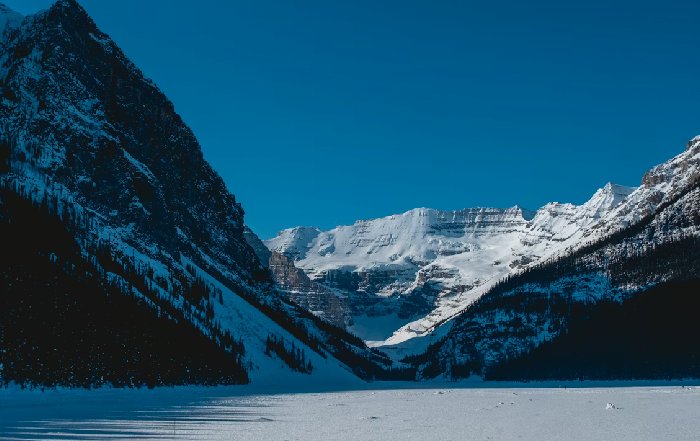
Adventure Travel in the Canadian Rockies: A Guide for Global Explorers and Business Leaders
The Canadian Rockies in a Changing Travel World
The Canadian Rockies have moved beyond their long-standing image as a postcard-perfect backdrop and have become a strategic destination for adventure travelers, business leaders, and families seeking meaningful, sustainable experiences. From the glacier-carved valleys of Banff and Jasper to the quieter wilderness of Kananaskis and Yoho, this mountain range now sits at the intersection of global tourism trends, climate awareness, wellness travel, and remote work mobility. For the international folks of WorldWeTravel.com, whose interests are destinations, business travel, family experiences, wellness retreats, and sustainable tourism, the Canadian Rockies present a compelling case study in how an iconic region can evolve while preserving its natural and cultural integrity.
At a time when travelers from the United States, United Kingdom, Germany, Canada, Australia, France, Italy are seeking fewer but deeper journeys, the Rockies offer an accessible yet profound adventure. The region's national parks form part of the Canadian Rocky Mountain Parks UNESCO World Heritage Site, and organizations such as Parks Canada and local Indigenous communities are reshaping how visitors engage with this landscape. For readers planning their next major journey, exploring core destinations and itineraries in the Canadian Rockies now requires not only logistical preparation but also a thoughtful understanding of environmental, cultural, and economic dynamics.
Understanding the Geography and Character of the Rockies
The Canadian Rockies stretch along the border of Alberta and British Columbia, encompassing world-renowned protected areas such as Banff National Park, Jasper National Park, Yoho National Park, and Kootenay National Park. Unlike the American Rockies further south, the Canadian segment is characterized by sharper, more dramatic limestone peaks, extensive glacial systems, and a dense network of turquoise lakes and river systems that feed into major watersheds across North America. Travelers who explore global overviews of the region quickly realize that this is not a single destination but a connected ecosystem of mountain towns, wilderness corridors, and Indigenous territories.
Authoritative resources such as Parks Canada provide detailed maps, seasonal access information, and safety advisories, and prospective visitors are well advised to review current guidelines on the official Parks Canada website. For those comparing mountain destinations globally, data from organizations like the United Nations World Tourism Organization and the World Travel & Tourism Council help contextualize the Rockies within broader trends in global tourism and the travel economy, where protected natural areas play an increasingly central role in national strategies for sustainable growth.
Core Adventure Experiences: Hiking, Climbing, and Beyond
Adventure travel in the Canadian Rockies has traditionally been defined by hiking, mountaineering, and backcountry exploration, and in 2026 these activities remain the core draw for experienced travelers. Classic routes such as the Plain of Six Glaciers near Lake Louise, the Skyline Trail in Jasper, and the Iceline Trail in Yoho attract visitors from across Europe, Asia, Africa, South America, and North America who are seeking high-impact but accessible wilderness experiences. For those planning their itineraries, curated guides on adventure-focused travel planning can help differentiate between day hikes suitable for families and multi-day expeditions requiring technical skills and advanced preparation.
Mountaineering and technical climbing are supported by a mature ecosystem of certified guides and training institutions. Organizations such as the Alpine Club of Canada and the Association of Canadian Mountain Guides maintain rigorous standards for guiding, safety, and environmental stewardship, which is particularly important as climate change alters snowpack stability and glacier conditions. Travelers interested in developing skills or booking guided ascents can review current best practices on the Alpine Club of Canada website at alpineclubofcanada.ca, where they will find detailed information on hut systems, avalanche awareness, and route conditions.
Winter transforms the Rockies into a global hub for skiing, snowboarding, and ice climbing. Resorts such as Lake Louise Ski Resort, Sunshine Village, and Kicking Horse Mountain Resort attract visitors from the UK, Germany, Japan, and Australia, while also serving the thriving domestic market. For travelers evaluating snow reliability, lift infrastructure, and safety standards, independent resources like Ski Canada Magazine and the Canadian Avalanche Association provide objective assessments and critical avalanche bulletins, which can be explored further through the Canadian Avalanche Association. The evolution of winter tourism in the Rockies also mirrors broader changes in travel technology and safety, as digital forecasting tools and GPS-enabled devices become standard components of adventure planning.
Family Adventure and Multi-Generational Travel
Contrary to the perception that the Canadian Rockies are primarily for extreme adventurers, 2026 has seen a marked increase in family and multi-generational travel to this region. Parents from Canada, the United States, United Kingdom, Singapore, and Scandinavia are actively seeking destinations where children can disconnect from screens, engage with nature, and learn about ecology and Indigenous cultures. National park interpretive programs, wildlife viewing opportunities, and accessible trails are being designed with these audiences in mind, which aligns closely with the interests highlighted in family-oriented travel resources.
Organizations such as Travel Alberta and Destination Canada have refined their messaging to emphasize safe, structured family experiences, including guided canoe trips, accessible glacier walks, and wildlife education with certified naturalists. Families researching best practices for traveling with children in wilderness settings can benefit from evidence-based guidance from institutions like the Canadian Paediatric Society, which offers recommendations on outdoor safety, sun protection, and altitude considerations through its official site at cps.ca. For those combining adventure with educational outcomes, the Rockies provide a living classroom where topics such as geology, climate science, and conservation can be experienced firsthand, reinforcing the value of thoughtful travel tips and preparation.
The Business of Adventure: Meetings, Incentives, and Remote Work
The Canadian Rockies have become a strategic choice for corporate retreats, leadership summits, and incentive travel programs, particularly for companies based in North America, Europe, and the Asia-Pacific region. Executive teams from sectors such as technology, finance, and professional services increasingly see mountain environments as ideal settings for strategic reflection, team cohesion, and wellness-oriented programming. For decision-makers exploring destinations for their next offsite, curated insights on business travel and corporate retreats can clarify how the Rockies compare with urban convention hubs.
High-end properties in Banff, Lake Louise, and Jasper, including historic lodges managed by Fairmont Hotels & Resorts and contemporary boutique hotels, have invested in conference facilities that integrate outdoor experiences into their agendas. Corporate groups can combine structured strategy sessions with guided hikes, mindfulness sessions, and sustainability workshops. Resources such as the Global Business Travel Association and Meetings Mean Business offer data on how nature-based retreats affect employee engagement and retention, and readers can explore such insights on the Global Business Travel Association website at gbta.org.
The rise of hybrid and remote work has also transformed how professionals engage with the Rockies. Long-stay visitors from Germany, Netherlands, France, and Australia are increasingly choosing to work remotely from mountain towns, blending productivity with outdoor recreation. Reliable broadband in communities like Canmore and Banff, combined with coworking spaces and flexible accommodation options, supports this trend. For professionals evaluating the feasibility of extended stays, resources on work and travel integration can help navigate visa rules, connectivity considerations, and work-life balance in high-altitude environments.
Accommodation: From Luxury Lodges to Eco-Conscious Stays
The accommodation landscape in the Canadian Rockies has diversified significantly, offering options that range from iconic grand hotels to minimalist eco-lodges and backcountry huts. Historic properties such as Fairmont Banff Springs and Fairmont Chateau Lake Louise continue to attract international travelers seeking luxury and heritage, while newer boutique properties focus on design, wellness, and sustainability. For travelers comparing lodging options across Europe, Asia, and North America, curated hotel insights on global accommodation trends can assist in identifying properties that align with specific values and budgets.
Sustainable lodging has moved from niche to mainstream, with many operators aligning their practices with frameworks promoted by organizations like the Global Sustainable Tourism Council. Guests increasingly expect transparent reporting on energy use, waste management, and community engagement, and many properties now publish annual sustainability reports or obtain third-party certifications. Those wishing to understand the principles behind such initiatives can learn more about sustainable business practices from the Global Sustainable Tourism Council, which sets widely recognized criteria for responsible tourism.
Backcountry accommodation, including huts managed by the Alpine Club of Canada and wilderness lodges accessible only by hiking or helicopter, offers a more immersive experience for seasoned adventurers. These stays require a higher degree of self-reliance and environmental awareness, and travelers should familiarize themselves with Leave No Trace principles, which are promoted by organizations such as Leave No Trace Canada and detailed on their official site at leavenotrace.ca. As interest in such experiences grows, the importance of advance booking, safety planning, and respect for carrying capacities becomes increasingly critical.
Health, Safety, and High-Altitude Wellness
Adventure travel in the Canadian Rockies demands a proactive approach to health and safety, particularly as climate variability and increased visitation add complexity to risk management. Travelers from low-lying regions such as Singapore, Malaysia, and coastal Europe may be less accustomed to altitude, temperature swings, and rapid weather changes, and should therefore integrate health planning into their itineraries. For a broader perspective on health considerations in travel, readers can draw on both medical and experiential insights.
National and provincial health authorities, including the Public Health Agency of Canada, provide guidance on vaccinations, water safety, and emergency preparedness for travelers, which can be reviewed through the agency's website at canada.ca/phac. Meanwhile, mountain rescue organizations such as Alberta Alpine Rescue and Parks Canada's visitor safety teams emphasize the importance of proper equipment, realistic route planning, and ongoing weather monitoring. The integration of digital tools, including satellite communicators and avalanche forecast apps, reflects the broader role of technology in modern adventure travel.
Wellness tourism is also reshaping how visitors experience the Rockies. Travelers seeking restorative experiences increasingly combine hiking or skiing with spa treatments, yoga retreats, and mindfulness programs. Evidence-based research compiled by institutions like the Harvard T.H. Chan School of Public Health has highlighted the mental and physical benefits of time spent in nature, and interested readers can explore these findings through the school's official site at hsph.harvard.edu. This convergence of adventure and wellness has made the Rockies an attractive choice for those planning retreat-focused travel, particularly among corporate teams and high-performing professionals.
Sustainability, Climate, and Eco-Conscious Travel
By 2026, the visible retreat of glaciers and increasing incidence of wildfire in the Canadian Rockies have turned sustainability from an abstract concept into an immediate concern for visitors and local communities alike. Adventure travelers are now expected to understand not only how to minimize their individual impact but also how their choices influence broader economic and environmental systems. For readers seeking a deeper understanding of eco-conscious travel strategies, the Rockies provide a tangible context in which global climate issues become personal.
Scientific organizations such as Environment and Climate Change Canada and the Intergovernmental Panel on Climate Change (IPCC) offer authoritative data on temperature trends, snowpack changes, and ecosystem impacts, which can be explored on the IPCC website at ipcc.ch. These insights help travelers appreciate why certain trails may be closed, why wildfire smoke may affect visibility, or why wildlife corridors require strict adherence to regulations. Responsible operators now incorporate climate and conservation briefings into their programs, helping guests understand how tourism revenue supports protected area management and community resilience.
On a practical level, eco-conscious adventure travelers increasingly prioritize low-impact transportation, longer stays, and local sourcing. Rather than multiple short trips, visitors from Europe, Asia, and South America often opt for a single extended journey, combining several national parks and communities in one itinerary. Resources on sustainable travel planning and tips can help travelers evaluate options such as rail connections, shuttle systems, and carbon-conscious itineraries. Organizations like Tourism Industry Association of Canada and Destination Canada are actively encouraging such behavior, aligning national tourism strategies with global sustainability goals.
Culture, Indigenous Perspectives, and Local Communities
Adventure travel in the Canadian Rockies is increasingly understood as not only an encounter with landscapes but also with the cultures that have shaped and stewarded these lands for millennia. The territories encompassing Banff, Jasper, and surrounding regions are home to diverse First Nations and Métis communities, whose histories and contemporary leadership are central to the region's identity. For travelers who wish to move beyond surface-level sightseeing and engage more deeply with cultural dimensions of travel, Indigenous-led experiences are becoming essential components of responsible itineraries.
Organizations such as Indigenous Tourism Association of Canada and local Indigenous tourism operators are developing guided walks, storytelling sessions, and cultural performances that contextualize the Rockies within broader Indigenous worldviews. Their official sites, including indigenoustourism.ca, provide guidance on how to participate respectfully and support community-owned enterprises. This shift toward Indigenous leadership reflects a wider recognition across Canada, New Zealand, and Scandinavia that authentic cultural engagement requires more than token gestures; it demands structural partnerships and revenue-sharing models that prioritize local voices.
Mountain towns such as Banff, Jasper, and Canmore are also evolving cultural hubs, with festivals, galleries, and culinary scenes that reflect both local heritage and global influences. Annual events like the Banff Centre Mountain Film and Book Festival, hosted by Banff Centre for Arts and Creativity, bring together filmmakers, authors, and explorers from around the world to discuss adventure, environment, and culture. Those wishing to explore programming and artistic residencies can visit the Banff Centre website at banffcentre.ca. For the readership of WorldWeTravel.com, which values both adventure and cultural depth, the Rockies offer a rare combination of rugged landscapes and sophisticated, globally connected communities.
Practical Planning and Strategic Decision-Making for 2026
Planning an adventure journey to the Canadian Rockies in 2026 requires more than simply booking flights and accommodation. Travelers must navigate evolving park regulations, reservation systems for high-demand trails and campgrounds, and seasonal variability in conditions. For those at the early stages of research, comprehensive regional overviews and destination planning guides can provide a structured starting point, helping to prioritize which national parks and communities best align with specific interests, whether those are family-friendly hikes, technical mountaineering, or wellness retreats.
International visitors should monitor entry requirements and travel advisories issued by agencies such as Immigration, Refugees and Citizenship Canada and their own national foreign affairs departments. Websites like the Government of Canada's travel information portal at travel.gc.ca provide up-to-date guidance on visas, customs regulations, and safety advisories. Within Canada, provincial and municipal tourism boards, including Travel Alberta and Tourism Jasper, offer localized information on road conditions, wildfire updates, and event calendars, which can be critical for optimizing itineraries and avoiding disruptions.
For readers who prioritize efficiency and risk management, integrating adventure travel planning into broader global travel strategies can ensure that time in the Rockies complements other professional and personal commitments. This may involve aligning corporate retreats with major industry conferences in Calgary or Vancouver, combining family holidays with remote work periods, or structuring multi-country itineraries that connect the Rockies with other key destinations in North America. The increasing sophistication of digital tools, from advanced mapping applications to dynamic pricing engines, allows travelers to model various scenarios and make data-informed decisions.
The Canadian Rockies as a Benchmark for Future Adventure Travel
As time unfolds, the Canadian Rockies stand as both a premier adventure destination and a benchmark for how mountain regions worldwide can balance visitor demand with environmental and cultural stewardship. For the global highly engaged subscribers of WorldWeTravel, the Rockies offer a lens through which to understand the evolving relationship between travel, work, health, sustainability, and culture. Whether a reader is a family from Germany planning their first long-haul nature trip, a technology executive from Singapore organizing a leadership retreat, or an independent traveler from Brazil seeking transformative wilderness experiences, the Rockies demonstrate that adventure travel can be both aspirational and responsible.
By drawing on authoritative resources, engaging with Indigenous and local communities, and aligning personal choices with global sustainability goals, travelers can ensure that their journeys contribute positively to this extraordinary region. The Canadian Rockies, with their towering peaks, shifting glaciers, and dynamic communities, invite not only exploration but also reflection on the role of travel in a world that is increasingly interconnected, environmentally constrained, and rich with opportunity for those who plan thoughtfully and act with intention. For those ready to take the next step, the curated insights and cross-disciplinary perspectives available throughout WorldWeTravel.com provide a unique impartial foundation for designing journeys that are as enriching as they are unforgettable.