

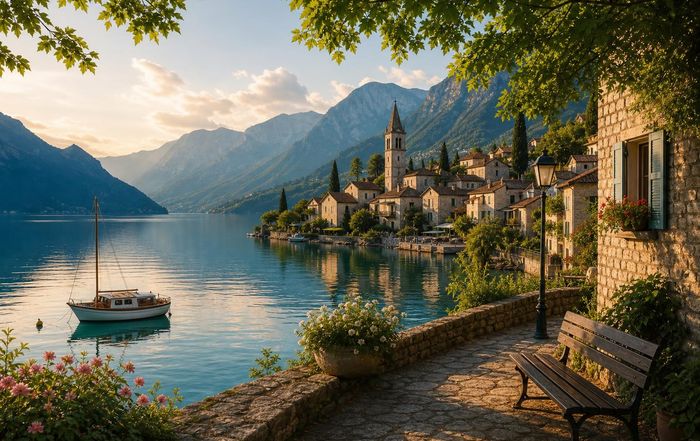
Quiet European Destinations for a Peaceful Getaway
Europe's great capitals and famous beach resorts attract millions of visitors every year, yet away from the crowds there is a quieter continent, shaped by slow trains, small villages, forest paths, and harbours where the loudest sound is often the clink of sailboat masts. For travellers seeking calm rather than commotion, these quieter corners offer the chance to disconnect, recharge, and experience local culture at an unhurried pace. As WorldWeTravel continues to highlight destinations where wellbeing, authenticity, and sustainability come first, these peaceful European getaways stand out as some of the most rewarding journeys a modern traveller can make.
The Rise of Quiet Travel in a Busy World
Over the past decade, interest in slower, quieter forms of travel has grown steadily, driven by concerns over overtourism, environmental impact, and personal wellbeing. Reports from organizations such as the UN World Tourism Organization show that many popular hotspots in Europe have faced significant crowding pressures, which in turn has encouraged both travellers and local authorities to promote lesser-known regions and off-season visits. At the same time, health experts, including those at the World Health Organization, continue to emphasize the importance of rest, nature exposure, and reduced noise levels for mental health and stress reduction.
This shift has opened the door for destinations that once lived in the shadow of better-known neighbours. Instead of only Paris, Barcelona, or Venice, travellers now look more often to the small towns of Occitanie, the villages of the Baltic coast, or the interior of the Balkans. On WorldWeTravel's destinations hub at worldwetravel.com/destinations, the most engaged readers increasingly search for places where they can walk to dinner, hear local languages rather than tour groups, and spend evenings under starry skies rather than neon lights. Quiet travel has become not a niche, but a mainstream aspiration for many.
Scandinavia's Silent Landscapes: Norway, Sweden, and Finland
Northern Europe offers some of the most naturally quiet spaces on the continent, where vast forests, fjords, and lakes absorb noise and create a striking sense of solitude. In Norway, the lesser-visited fjords of the Trøndelag and Nordland regions provide a tranquil alternative to the famous but often crowded Geirangerfjord. Coastal towns such as Rørvik or Brønnøysund, reachable by the historic Hurtigruten coastal route, combine colourful wooden houses with sea air and access to hiking trails where travellers can walk for hours without encountering more than a handful of people. Information from Visit Norway indicates that these regions have invested in sustainable tourism infrastructure, from marked trails to small-scale, locally run guesthouses.
Sweden's lake districts and forested heartland also offer abundant quiet, especially in regions like Värmland and Dalarna, where travellers can rent traditional red cottages and explore by canoe or bicycle. According to Visit Sweden, nature-based tourism, including quiet retreats and forest bathing experiences, has expanded steadily, with many operators emphasizing low-impact activities and partnerships with local communities. Travellers seeking deeper immersion can explore Sweden's network of national parks; Naturvårdsverket, the Swedish Environmental Protection Agency, provides detailed guidance on park regulations and nature protection, helping visitors enjoy solitude responsibly.
Finland, often ranked among the world's happiest countries by organizations such as the OECD, has built much of its tourism identity around the restorative power of nature and silence. The Lakeland region, with its thousands of islands and glassy waters, is ideal for those who want to combine gentle outdoor activity with wellness traditions such as the Finnish sauna. Visit Finland highlights that many lakeside cabins and boutique hotels now incorporate sustainable energy systems, local food sourcing, and nature-based wellness programs, aligning closely with the eco-conscious values that WorldWeTravel promotes through its eco travel insights.
The Peaceful Charms of Central Europe: Slovenia, Austria, and Switzerland
Central Europe's quieter corners are often overshadowed by its grand cities, yet they offer a blend of alpine scenery, historic villages, and sophisticated hospitality. Slovenia, a country that has repeatedly been recognized for its sustainability initiatives by entities such as Green Destinations, stands out as a model for gentle tourism. While Lake Bled has become well known, nearby Lake Bohinj and the villages of the Soča Valley remain much calmer, with clear rivers, meadows, and trails that invite slow-paced exploration. Slovenia Tourism emphasizes that many of these regions are part of certified green destinations, with policies that limit large-scale development and encourage visitors to use public transport or cycling routes.
Austria's lesser-known regions, such as the Salzkammergut lake district beyond Hallstatt, or the quiet valleys of East Tyrol, offer a similar combination of serenity and high-quality infrastructure. Travellers can stay in family-run guesthouses, many of which participate in regional farm-to-table initiatives supported by agricultural and tourism authorities. According to Austrian National Tourist Office data, there has been a growing demand for hiking, cycling, and wellness holidays in these quieter regions, often outside traditional peak seasons, which helps distribute visitor numbers more evenly across the year and supports local economies in a more sustainable way.
Switzerland, widely recognized for its landscapes and transport efficiency, has also been expanding its offerings in lesser-known areas. While the Jungfrau and Zermatt attract large numbers of visitors, quieter valleys such as Val d'Anniviers or the Engadine's side valleys provide similar alpine beauty with far fewer crowds. The Swiss Tourism board highlights the country's extensive network of hiking paths and mountain railways, many of which lead to small villages where traditional life continues at a gentle pace. For travellers planning multi-country journeys through these regions, WorldWeTravel's Europe-focused travel guides at worldwetravel.com/travel provide practical advice on rail passes, cross-border routes, and timing trips to avoid the busiest periods.
Coastal Calm: The Atlantic and Mediterranean's Quieter Shores
Europe's coasts are often associated with busy beach resorts, yet there remain many stretches of shoreline where slow rhythms prevail. Along Portugal's Alentejo coast, south of Lisbon and north of the Algarve, small towns such as Vila Nova de Milfontes and Zambujeira do Mar offer dramatic cliffs, quiet beaches, and a largely local atmosphere, especially outside school holidays. Visit Portugal describes this region as one of the country's most preserved coastal areas, and conservation organizations such as EuroNatur note the importance of its protected reserves for birdlife and marine ecosystems.
In Spain, travellers seeking peace can turn to regions such as Asturias and Galicia on the northern Atlantic coast, where fishing villages, green hills, and cooler summers create a very different experience from the crowded Mediterranean. Turespaña, Spain's official tourism body, has promoted these areas as part of its diversification strategy, highlighting walking routes like the lesser-known stretches of the Camino de Santiago, where pilgrims and hikers can still find stretches of solitude. For those considering family trips, WorldWeTravel's family travel section at worldwetravel.com/family offers ideas on planning child-friendly coastal stays with access to nature rather than nightlife.
The Mediterranean still holds many quiet corners for those willing to travel slightly off the main routes. In France, the coastal villages of the Var and Languedoc, particularly those away from major resort complexes, offer relaxed harbours and local markets with a slower tempo. Atout France, the national tourism development agency, encourages visitors to explore these lesser-known areas as part of its efforts to distribute tourism more evenly across the country. In Italy, regions such as Basilicata and parts of Puglia's Gargano Peninsula remain comparatively tranquil, with whitewashed hill towns and forested promontories that contrast with the busier Amalfi Coast or Cinque Terre. Up-to-date regional information can be found through Italia.it, the country's official tourism portal, which has increasingly highlighted smaller villages and inland routes as alternatives to crowded hotspots.
Quiet Islands: From the North Atlantic to the Aegean
Islands have a particular allure for travellers seeking peace, and Europe offers a wide range of options, from windswept Atlantic outposts to sun-drenched Mediterranean retreats. The Faroe Islands, located between Iceland and Norway, have attracted growing interest for their dramatic cliffs, grass-roofed houses, and small population. The Visit Faroe Islands board has implemented a number of measures to manage this interest carefully, including periodic "Closed for Maintenance, Open for Voluntourism" initiatives where visitors help maintain trails and natural sites, illustrating an approach that balances discovery with preservation.
Closer to mainland Europe, the Scottish islands, including the Outer Hebrides and the Orkney archipelago, provide a blend of archaeological sites, sandy beaches, and Gaelic or Norse heritage. VisitScotland notes that these islands remain relatively uncrowded compared with major British tourist centres, and they have invested in responsible tourism frameworks that encourage visitors to support local businesses, respect wildlife, and travel outside peak summer where possible. For travellers combining such remote experiences with time in cities like Edinburgh or London, WorldWeTravel's global travel resources at worldwetravel.com/global offer guidance on multi-stop itineraries that balance culture and calm.
In the Mediterranean, quieter islands can still be found even in well-known archipelagos. In Greece, islands such as Amorgos, Folegandros, and Ikaria remain much less developed than Santorini or Mykonos, with limited nightlife and a focus on traditional village life, walking paths, and small guesthouses. Visit Greece, the official tourism site, highlights these islands for visitors seeking authenticity and outdoors activities rather than large-scale resorts. In Croatia, the islands of Lastovo and Vis, once strategically important and now largely protected, offer dark skies, clear waters, and a limited number of accommodation options, which helps preserve their quiet character; Croatian National Tourist Board information confirms that visitor numbers remain modest compared with busier islands such as Hvar.
Hidden Towns and Villages: Culture without the Crowds
Beyond landscapes, many travellers seek quiet destinations that still offer rich cultural experiences, from medieval streets to contemporary arts scenes. Central and Eastern Europe in particular hold numerous towns that combine history with a slower pace of life. In the Czech Republic, towns such as Telč and Litomyšl, both UNESCO World Heritage Sites, attract fewer visitors than Prague yet showcase Renaissance and Baroque architecture, castle complexes, and local festivals. UNESCO's official site provides detailed descriptions of these towns' heritage value, while CzechTourism offers practical visitor information.
Poland's smaller cities and towns, including places like Toruń or Zamość, present similar opportunities for quiet exploration. These towns feature well-preserved old centres, regional cuisines, and riverfront walks that feel far removed from the bustle of major capitals. According to Polish Tourism Organisation reports, domestic and international travellers have shown gradually increasing interest in these secondary cities, encouraged by improved rail connections and cultural programming, yet they remain comparatively uncrowded outside major events.
In Western Europe, France and Germany offer numerous small towns that provide a peaceful base coupled with easy access to larger cities for day trips. In France, towns such as Uzès in Occitanie or Dinan in Brittany combine stone streets, weekly markets, and nearby countryside ideal for cycling or walking. France.fr, the country's official tourism site, increasingly promotes such places as part of themed routes focusing on gastronomy, heritage, and slow travel. In Germany, regions like the Moselle Valley and the Harz Mountains contain villages and small towns with half-timbered houses, vineyards, and forest trails; German National Tourist Board sources highlight that many of these locations participate in sustainability certifications and have invested in public transport links that reduce the need for car travel.
Travellers who wish to explore these cultural landscapes at a measured pace can draw on WorldWeTravel's culture-focused stories at worldwetravel.com/culture, which emphasize not only what to see, but how to engage respectfully with local traditions, from attending small-town festivals to supporting artisans and family-run businesses.
Wellness, Retreats, and the Health Benefits of Quiet
A peaceful getaway is not only about scenery; it is also closely tied to wellbeing. Research published by institutions such as Harvard Medical School and Mayo Clinic has highlighted the restorative effects of time in nature, reduced digital stimulation, and practices such as mindfulness and moderate physical activity. Many quiet European destinations have embraced these findings, developing wellness retreats and health-focused programs that integrate local landscapes and traditions.
The spa towns of Central Europe, such as those in the Czech Republic's West Bohemian Spa Triangle or Germany's Baden-Württemberg region, offer long-established traditions of balneotherapy and thermal bathing. Recognized by UNESCO as part of the "Great Spa Towns of Europe" transnational World Heritage listing, these towns combine grand architecture with parks, promenades, and contemporary wellness services. While some have become busier, others remain relatively calm, especially outside holiday periods, and many now integrate modern medical insights with historical practices.
In Southern Europe, retreat centres in rural Spain, Portugal, and Italy have multiplied, often focusing on yoga, meditation, and plant-based cuisine. Many of these are located in converted farmhouses or monasteries, surrounded by olive groves, vineyards, or forests. Responsible travellers can look for centres that adhere to sustainability principles outlined by organizations such as the Global Sustainable Tourism Council, which sets criteria on energy use, waste management, and community benefit. For readers particularly interested in wellness-focused journeys, WorldWeTravel's retreat and health sections at worldwetravel.com/retreat and worldwetravel.com/health provide curated ideas and guidance on choosing programs that prioritize safety, evidence-based practices, and respect for local environments.
Sustainable Stays: Quiet Hotels and Eco-Friendly Lodging
Choosing the right accommodation is crucial to preserving the tranquility of a trip. Across Europe, there has been a noticeable rise in small-scale hotels, guesthouses, and eco-lodges that emphasize quiet settings, limited capacity, and environmentally responsible operations. Organizations such as EU Ecolabel and Green Key provide certification schemes that help travellers identify properties that meet specific criteria for energy efficiency, water use, and waste reduction. Studies referenced by the European Commission suggest that travellers are increasingly willing to choose such certified properties, especially in nature-based destinations.
In the Nordic countries, many lakeside and forest lodges are built with local materials, powered partially by renewable energy, and designed to blend into the landscape rather than dominate it. In Southern and Central Europe, agriturismo properties and vineyard stays often combine rural peace with opportunities to learn about organic farming, winemaking, or traditional crafts. To support informed choices, WorldWeTravel's hotels and accommodation hub at worldwetravel.com/hotels highlights properties that demonstrate a clear commitment to sustainability, community engagement, and guest wellbeing, helping readers align their lodging decisions with their values.
For those working remotely, the rise of "workation" stays has created a new category of quiet hotels and guesthouses that combine reliable connectivity with peaceful surroundings. Remote-work guidance from organizations such as the International Labour Organization underscores the importance of boundaries and rest for long-term productivity, and quiet destinations can play an important role in achieving that balance. WorldWeTravel's work and business travel resources at worldwetravel.com/work and worldwetravel.com/business explore how professionals can design itineraries that support focus during working hours and deep relaxation afterwards.
Practical Tips for Finding and Preserving Quiet
While specific destinations matter, the way one travels often determines how peaceful a journey feels. In practice, this means paying attention to timing, transport, and behaviour. Travelling outside peak holiday periods, particularly in spring and autumn, can dramatically reduce crowding even in relatively well-known regions. Opting for trains or ferries rather than major air hubs can ease the stress of transit and align with climate goals highlighted by organizations such as the European Environment Agency, which documents the environmental benefits of shifting from air to rail where feasible.
Once on the ground, choosing smaller towns as a base and visiting larger cities only as day trips can provide a better balance of stimulation and calm. Walking or cycling where possible not only reduces noise and emissions but also offers more opportunities for spontaneous encounters with local life. WorldWeTravel's practical tips section at worldwetravel.com/tips regularly shares advice on packing light, navigating public transport, and using technology thoughtfully to enhance rather than dominate the travel experience.
Equally important is the responsibility travellers carry in maintaining the quiet they seek. This includes respecting local norms around noise, particularly in residential areas or on hiking trails, and following guidelines from park authorities or heritage organizations. Resources from Leave No Trace Center for Outdoor Ethics and similar bodies provide clear, research-backed principles for minimizing impact in natural areas, from staying on marked paths to managing waste properly. By following such guidance, visitors help ensure that Europe's quiet places remain unspoiled for future travellers and for the communities that call them home.
Inspiring a Calmer Way to See the World
In an age of constant connectivity and rapid change, the appeal of quiet European destinations lies not only in their landscapes and heritage, but in the different rhythm of life they offer. From Norwegian fjords and Finnish lakes to Portuguese cliffs, Greek islands, and Central European spa towns, these places invite travellers to slow down, listen more closely, and engage more deeply. For families, they offer the chance to share meaningful experiences away from screens and schedules; for solo travellers, they provide space for reflection and growth; for couples and friends, they create settings where conversations unfold without rush.
As WorldWeTravel continues to share stories, guides, and insights across its platforms, including worldwetravel.com, the aim is to help readers discover not only where to go, but how to travel in ways that support personal wellbeing, local communities, and the wider environment. Quiet travel is not about isolation or exclusivity; it is about making thoughtful choices that prioritize depth over breadth, quality over quantity, and connection over consumption.
The quieter corners of Europe are ready to welcome travellers who value these principles. By seeking them out, planning carefully, and treading lightly, visitors can experience some of the continent's most inspiring landscapes and cultures, while contributing to a more balanced, sustainable, and peaceful future for travel itself.