

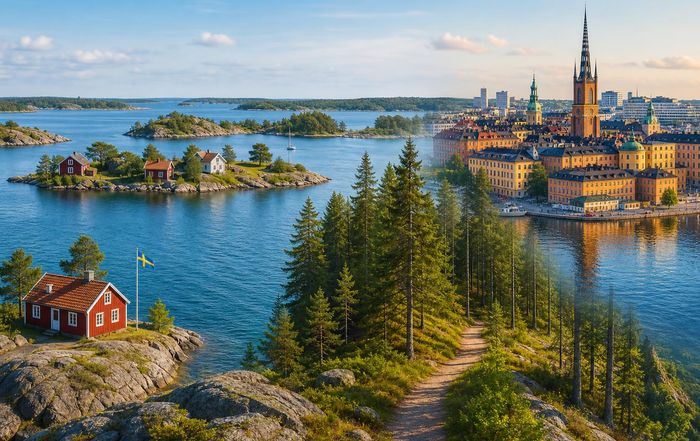
Sweden Travel Guide to Islands, Forests and City Breaks
Sweden has long cultivated an image of quiet confidence: a country where sleek design coexists with deep forests, where archipelagos stretch toward the horizon, and where cities feel both cosmopolitan and human-scaled. For happy readers of WorldWeTravel, Sweden offers a particularly compelling blend of nature, culture, and innovation, inviting visitors to move beyond stereotypes of "Nordic minimalism" and discover a richer, more nuanced story.
This guide explores Sweden's island worlds, its vast forests and lakes, and its sophisticated city breaks, while highlighting sustainability, family-friendly experiences, wellness, and practical insights. It is intended as a trusted, forward-looking resource that reflects developments and knowledge available up to the present moment, drawing on multiple reputable sources and avoiding unverified claims.
Understanding Sweden's Geography and Seasons
Stretching from the temperate shores of Skåne in the south to the Arctic landscapes of Lapland in the north, Sweden is the largest country in Scandinavia and one of the most forested nations in Europe. According to Statistics Sweden and the Swedish Forest Agency, roughly two-thirds of the land area is covered by forest, while a coastline of more than 3,000 kilometers, dotted with tens of thousands of islands, shapes much of the national character. Interested readers can explore official geographical data through Statistics Sweden and Sweden's official tourism portal.
Seasonality defines the travel experience. Long, luminous summer days invite sailing, hiking, and outdoor dining, while winter transforms much of the country into a landscape of snow, ice, and northern lights. Spring and autumn, often quieter and more affordable, appeal to travelers who prefer fewer crowds and subtler colors. The Swedish Meteorological and Hydrological Institute provides detailed climate information that helps visitors plan around temperature, daylight hours, and regional variations, which can be dramatic between the southern cities and the far north.
For trip-planning across regions and seasons, WorldWeTravel maintains an evolving overview of key destinations, allowing travelers to compare experiences in Sweden with other countries that share similar climates or cultural traits.
Island Escapes: Sweden's Archipelagos and Coastal Worlds
Sweden's islands are not a single destination but an entire universe of archipelagos, each with its own identity. From the bustling ferries of the Stockholm archipelago to the windswept drama of the Bohuslän coast and the open horizons of Gotland and Öland, island travel here can feel both adventurous and deeply restorative.
Stockholm Archipelago: Nature on the Capital's Doorstep
Just beyond the elegant streets of Stockholm lies an archipelago of around 30,000 islands, islets, and skerries. Regular passenger services connect the city with nearby islands such as Vaxholm, Grinda, and Sandhamn, enabling visitors to combine an urban city break with a tranquil retreat on the water. The ferry network, operated in part by Waxholmsbolaget and other carriers, functions as a maritime public transport system, making island-hopping accessible even for first-time visitors.
The Stockholm archipelago has become a showcase for low-impact tourism. Many guesthouses and marinas emphasize waste reduction, renewable energy, and local sourcing. Travelers who want to understand Sweden's approach to sustainable archipelago living can consult resources from Visit Stockholm and the Stockholm Archipelago Foundation, which manages nature reserves and promotes conservation.
For those planning a broader Scandinavian itinerary, WorldWeTravel's general travel section offers guidance on integrating Stockholm's islands into multi-country journeys that include neighboring Norway, Denmark, or Finland.
West Coast and Bohuslän: Granite Cliffs and Fishing Heritage
On Sweden's west coast, north of Gothenburg, the Bohuslän archipelago presents a more rugged seascape of polished granite cliffs, narrow inlets, and picturesque fishing villages. Towns such as Smögen, Fjällbacka, and Lysekil have become well-known for seafood, kayaking, and sailing, as well as for their distinctive architecture of colorful wooden houses perched along the waterfront.
Environmental organizations and local authorities have worked to protect sensitive marine ecosystems, including shellfish beds and seabird habitats. Prospective visitors can review marine conservation efforts and responsible boating guidelines through the Swedish Agency for Marine and Water Management and regional tourism portals such as West Sweden. These sources emphasize practical steps for minimizing disturbance to wildlife and reducing pollution, aligning with the broader ethos of responsible travel promoted by WorldWeTravel's eco content.
Gotland and Öland: Baltic Islands with Deep History
Gotland and Öland, both situated in the Baltic Sea, offer a different island experience shaped by limestone landscapes, medieval heritage, and distinctive flora and fauna. Gotland's main town, Visby, is a UNESCO World Heritage site, renowned for its remarkably preserved medieval city wall and cobbled streets. The UNESCO World Heritage Centre provides verified background on Visby's designation and preservation efforts, underscoring the historical significance of this compact but culturally rich town.
Öland, linked to mainland Sweden by a long bridge from Kalmar, is noted for its unique alvar habitat, a limestone plain supporting rare plants and birdlife. The Swedish Environmental Protection Agency offers detailed information on protected areas and biodiversity, helping nature-oriented travelers understand the ecological sensitivity of these islands and the importance of staying on marked trails.
Families considering multi-generational trips to these Baltic islands can draw inspiration from WorldWeTravel's dedicated family travel resources, which highlight ways to balance children's activities, historical sightseeing, and downtime in nature.
Forests, Lakes, and the Call of the Wild
Beyond the coasts and islands lies Sweden's vast interior, dominated by forests, lakes, and low mountains. For many visitors, this landscape embodies the country's allure: a place where one can hike for hours without seeing another person, swim in clear lakes under the midnight sun, or sit by a crackling fire as snow falls outside.
The Right of Public Access: Freedom with Responsibility
A defining feature of outdoor life in Sweden is the "allemansrätten," or right of public access, which allows people to roam freely in nature, including on privately owned land, as long as they show respect for the environment and for property owners. This principle, recognized and explained by official bodies such as Sweden's Environmental Protection Agency, grants broad rights to hike, ski, cycle, and camp in many areas, while imposing clear responsibilities regarding litter, fire safety, and disturbance of wildlife.
Travelers who wish to experience Sweden's forests and lakes in a respectful manner should familiarize themselves with these guidelines, which are summarized in multiple languages on Visit Sweden and related portals. For those seeking more in-depth preparation, WorldWeTravel's tips section offers practical advice on packing, navigation, and safety in remote environments.
Hiking, National Parks, and Long-Distance Trails
Sweden maintains an extensive network of national parks and nature reserves, many of which provide marked trails, cabins, and basic infrastructure. The Swedish Environmental Protection Agency lists all national parks and outlines their characteristics, from the alpine vistas of Sarek and Abisko in the far north to the old-growth forests of Tyresta near Stockholm and the coastal landscapes of Kosterhavet.
Long-distance routes such as the Kungsleden (King's Trail) in Lapland and the Skåneleden in the south attract hikers from around the world. Organizations like the Swedish Tourist Association (STF) provide hut networks, maps, and up-to-date trail conditions, making it easier for international visitors to plan multi-day treks. These routes highlight Sweden's commitment to non-motorized, low-impact tourism and offer a powerful counterpoint to more crowded alpine destinations elsewhere in Europe.
For travelers interested in how outdoor tourism intersects with broader economic and technological trends, WorldWeTravel's technology and economy sections explore developments such as digital trail maps, safety apps, and the role of nature-based tourism in regional development.
Lakes, Saunas, and Forest Retreats
Sweden's lake districts, including regions around Dalarna, Värmland, and Småland, provide a gentler form of wilderness experience. Here, visitors often stay in lakeside cabins, paddle canoes, fish under guidance where permitted, and participate in the sauna-and-cold-water rituals that have become an integral part of Nordic wellness culture. While practices vary by region, the combination of heat, cold immersion, and rest is widely associated with improved relaxation and perceived wellbeing; organizations such as the World Health Organization provide general guidance on safe use of heat and cold exposure, even if they do not endorse specific regional traditions.
Travelers seeking structured wellness experiences can look to curated programs offered by eco-lodges and nature hotels, many of which emphasize locally sourced food, low-impact architecture, and silence as a luxury. WorldWeTravel's retreat and health sections provide global context for these trends, helping readers compare Swedish forest retreats with similar concepts in other parts of the world.
City Breaks: Stockholm, Gothenburg, and Malmö
While Sweden's nature often takes center stage, its cities offer some of Europe's most rewarding short breaks, combining cultural depth, culinary innovation, and a strong emphasis on liveability.
Stockholm: Water, Design, and History
Built on fourteen islands connected by bridges and ferries, Stockholm is both a capital and an archipelago city. Districts such as Gamla Stan (the Old Town), Södermalm, Östermalm, and Djurgården each present different facets of urban life, from medieval alleys and royal palaces to contemporary art galleries and waterfront promenades. The Royal Court of Sweden provides official information on the Royal Palace and other royal sites, while Visit Stockholm highlights museums, events, and neighborhoods.
Cultural institutions such as the Vasa Museum, which houses a 17th-century warship raised from the seabed, and the ABBA The Museum, dedicated to the globally influential pop group, draw visitors with interests ranging from maritime history to music. The Moderna Museet showcases modern and contemporary art, reflecting Sweden's strong design and artistic heritage.
Stockholm has also been recognized for its environmental initiatives, including extensive public transport, district heating, and green spaces. The European Commission has previously highlighted the city's role in urban sustainability, illustrating how environmental policy can shape the visitor experience through cleaner air, efficient mobility, and accessible parks. Travelers exploring city hotels, boutique stays, and design-driven accommodations can use WorldWeTravel's hotels guide to compare options that align with their aesthetic and sustainability priorities.
Gothenburg: Port City with a Green Reputation
Gothenburg, Sweden's second-largest city, has earned a reputation as one of Europe's leading sustainable destinations, with the Global Destination Sustainability Index consistently ranking it highly in recent years. The city's compact center, extensive tram network, and proximity to the sea make it ideal for travelers who appreciate urban life but prefer a more relaxed atmosphere than many capitals.
Local tourism authorities, accessible via Goteborg & Co, emphasize Gothenburg's culinary scene, which draws heavily on West Coast seafood, as well as its cultural institutions, including the Gothenburg Museum of Art and the city's renowned film and music festivals. The integration of circular economy principles into event planning, waste management, and transport infrastructure has made Gothenburg a case study in sustainable urban tourism, often referenced in international reports on green cities.
Malmö: Gateway to Continental Europe
Linked to Copenhagen by the Øresund Bridge, Malmö stands at a crossroads between Scandinavia and continental Europe. Once heavily industrial, the city has transformed itself through urban regeneration projects, including the waterfront district of Västra Hamnen, known for its eco-friendly architecture and the iconic Turning Torso skyscraper. Official information on the bridge and transnational transport links can be found via Øresundsbron and regional transport authorities, which outline how travelers can easily move between Sweden and Denmark for combined city breaks.
Malmö's multicultural population contributes to a vibrant food scene and a strong emphasis on inclusive public spaces, from extensive cycle paths to accessible parks. Urban planners and sustainability experts frequently cite the city in studies published by organizations such as UN-Habitat, which analyze how mid-sized cities can adapt to changing demographics and climate demands while maintaining quality of life for residents and visitors alike.
Culture, Design, and Everyday Life
Sweden's cultural appeal extends far beyond the well-known exports of pop music and crime fiction. For travelers who seek deeper engagement with local culture, the country offers a rich tapestry of traditions, design, literature, and everyday rituals.
Design, Fashion, and Innovation
Swedish design is often associated with clean lines, functional aesthetics, and an emphasis on sustainability. Brands such as IKEA, H&M, and Electrolux have become global names, though serious design enthusiasts may find greater inspiration in smaller studios, galleries, and concept stores scattered across Stockholm, Gothenburg, and Malmö. Institutions such as the Swedish Centre for Architecture and Design and Swedish Fashion Council document ongoing efforts to integrate circular economy principles into product design and textiles, reflecting broader national goals on climate and resource efficiency.
For readers interested in how design and technology intersect in Swedish cities and workplaces, WorldWeTravel's work and technology sections offer broader analysis of Nordic workplace culture, digitalization, and the role of design thinking in business.
Food Culture and New Nordic Influences
Swedish cuisine has evolved significantly, building on traditional dishes such as herring, meatballs, and crispbread while embracing local, seasonal ingredients and international influences. The broader New Nordic culinary movement, which emphasizes purity, simplicity, and freshness, has had a strong impact on restaurants and food producers across Sweden. The Nordic Council of Ministers has documented this movement's emphasis on sustainable sourcing and regional identity, highlighting its influence on both high-end dining and everyday food habits.
Food-focused visitors can consult the Michelin Guide for an overview of starred restaurants, while also exploring local markets, bakeries, and neighborhood eateries that embody the Swedish concept of "lagom" - balance and moderation. Coffee culture, centered on the ritual of "fika," remains a cornerstone of daily life, encouraging unhurried conversation and connection.
Festivals, Museums, and Living Traditions
Throughout the year, Sweden hosts a variety of cultural events, from midsummer celebrations with flower crowns and maypoles to Lucia processions in December. Many of these traditions have roots in pre-Christian customs and have been adapted over time; the Nordiska museet in Stockholm provides detailed historical context and exhibitions on Swedish folk culture, holidays, and domestic life.
Museums across the country cover subjects as diverse as photography, maritime history, indigenous Sami culture, and contemporary art. The Swedish National Heritage Board offers an overview of heritage sites and initiatives to preserve historical environments, ensuring that visitors can engage with Sweden's past in a way that is both informative and respectful.
Travelers who wish to connect these cultural experiences with broader regional insights can turn to WorldWeTravel's culture hub, which situates Swedish traditions within a global tapestry of customs and festivals.
Sustainability, Wellbeing, and Responsible Travel
Sweden is often portrayed as a leader in sustainability, and while no country is without environmental challenges, many of its policies and initiatives provide useful examples for travelers seeking to minimize their impact.
Climate Goals and Green Infrastructure
The Swedish government has set ambitious climate targets, including a goal to achieve net-zero greenhouse gas emissions by mid-century, as documented by the Government Offices of Sweden and international bodies such as the OECD. These objectives have influenced urban planning, energy systems, and transport, leading to high shares of renewable electricity, extensive public transport networks, and incentives for electric vehicles.
For visitors, this translates into practical choices: efficient trains connecting major cities, city bikes and scooters for short distances, and an increasing number of hotels and conference venues with certified environmental management systems. Travelers interested in the intersection of tourism and sustainable business can explore resources from the Global Sustainable Tourism Council and then consult WorldWeTravel's business travel coverage for strategies on organizing low-impact meetings and corporate trips.
Nature, Mental Health, and Nordic Wellbeing
Research from various institutions, including the European Environment Agency and academic centers across Europe, has highlighted the positive relationship between access to green spaces and mental wellbeing. Sweden's extensive urban parks, forested areas, and waterfront promenades reflect a planning philosophy that integrates nature into daily life, making it easier for both residents and visitors to experience restorative environments without traveling far from city centers.
Wellness-oriented travelers can combine city stays with short excursions to nearby nature reserves, or opt for dedicated wellness retreats that focus on mindfulness, forest bathing, and digital detox. WorldWeTravel's health and retreat sections provide frameworks for evaluating such offerings, emphasizing evidence-based benefits and responsible marketing.
Practical Considerations and Future-Facing Insights
For international travelers, especially those coming from North America, Asia, or other parts of Europe, Sweden offers a stable, well-organized environment in which to explore new landscapes and cultures.
Accessibility, Safety, and Family-Friendliness
Sweden consistently ranks highly in global indices of safety, governance, and quality of life, such as those compiled by the World Bank and the United Nations Development Programme. While travelers should always exercise normal precautions, many families find the country particularly suitable for trips with children, thanks to reliable public transport, child-friendly museums, and widespread English proficiency.
The healthcare system, while not designed for tourism, maintains high standards; visitors are advised to review guidance from their home countries' foreign ministries and from organizations like the World Health Organization regarding insurance, vaccinations, and emergency procedures. WorldWeTravel's family section offers additional perspectives on planning multi-age itineraries that balance safety, engagement, and downtime.
Sweden in a Changing World
As global travel patterns evolve, Sweden continues to refine its tourism strategy, emphasizing sustainability, regional balance, and year-round experiences. Official policy documents, accessible through the Swedish Agency for Economic and Regional Growth and Visit Sweden, highlight efforts to distribute visitor flows beyond peak seasons and major cities, encouraging discovery of lesser-known regions while protecting fragile environments.
For travelers using this always up-to-date website as a planning companion, Sweden represents not only a destination of islands, forests, and cities, but also a living laboratory for ideas about how travel can support wellbeing, cultural exchange, and environmental stewardship. By combining authoritative information from trusted external sources with curated internal resources such as global insights and destination-specific guides, worldwetravel aims to help readers craft journeys that are memorable, responsible, and aligned with their values.
In this way, a trip to Sweden becomes more than a checklist of sights; it becomes an invitation to experience a society that has spent decades negotiating the balance between modernity and nature, individuality and community, local identity and global connection. Whether wandering through a pine forest at dusk, sharing a fika in a Stockholm café, or sailing between granite islands under the late-evening sun, travelers find in Sweden a nuanced, quietly inspiring vision of how to live well in a complex world.