

Cultural Heritage Sites in China: A Strategic Guide for Global Travelers and Business Leaders
China's Heritage Landscape in a Changing World
As the world moves deeper into the year, China's cultural heritage sites occupy a central place in the global conversation about travel, investment, sustainability, and soft power, and for loyal readers of WorldWeTravel, these destinations are no longer just postcard backdrops but strategic touchpoints where culture, business, technology, and responsible tourism intersect. With an expanding network of high-speed rail, increasingly sophisticated digital infrastructure, and a robust regulatory framework for heritage protection, China has positioned its cultural assets as both a domestic priority and a global showcase, inviting families, business travelers, and long-stay remote workers to engage with its history in ways that are immersive, data-driven, and environmentally conscious.
China currently hosts one of the largest numbers of UNESCO World Heritage properties, spanning cultural, natural, and mixed sites, and the country's approach to heritage has evolved from a focus on monumental conservation to a broader ecosystem encompassing intangible traditions, live communities, and cross-border collaboration; those who wish to understand this trajectory can explore the official listings via the UNESCO World Heritage Centre. For international travelers planning multi-stop itineraries that combine heritage with modern urban experiences, the integrated destination overviews at World We Travel Destinations provide a practical foundation for aligning cultural curiosity with logistics, budget, and health considerations.
Beijing and Xi'an: Imperial Capitals as Modern Gateways
Any examination of China's cultural heritage sites naturally begins with Beijing and Xi'an, two cities whose imperial legacies anchor the country's historical narrative while serving as dynamic hubs for international business, education, and policy dialogue. In Beijing, the Forbidden City, officially known as the Palace Museum, stands as one of the world's most visited cultural complexes, and its ongoing digital transformation has drawn attention from museum professionals and technologists worldwide; the institution's bilingual portal and virtual exhibitions, accessible through the Palace Museum's official website, exemplify how heritage custodianship in China increasingly relies on data analytics, 3D reconstruction, and immersive storytelling to manage crowds while deepening engagement.
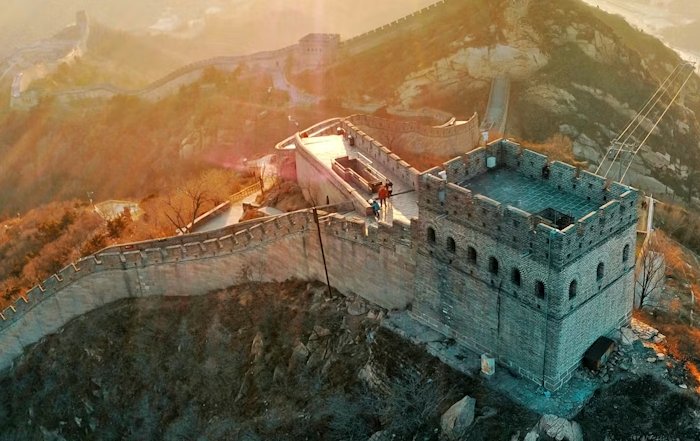
Just to the north and west of the capital, the Great Wall of China stretches across multiple provinces, yet it is the sections at Badaling, Mutianyu, and Jinshanling that most international visitors encounter first, and recent conservation programs have focused on stabilizing vulnerable masonry, controlling erosion, and rethinking visitor flows in line with international best practice; organizations such as ICOMOS provide comparative frameworks for these efforts, which can be explored via the International Council on Monuments and Sites. For business travelers who combine boardroom meetings in Beijing's central business district with weekend excursions to heritage sites, trip planning increasingly involves balancing time, connectivity, and wellness, a pattern reflected in the curated guidance available through World We Travel Business.
In Xi'an, the starting point of the Silk Road and a capital for multiple dynasties, the discovery of the Terracotta Army in the 1970s transformed global understanding of Qin-era statecraft and military organization, and the site has since become a case study in archaeological site management under conditions of intense tourism pressure. The Emperor Qinshihuang's Mausoleum Site Museum has invested in climate control, ticketing algorithms, and visitor education to protect fragile polychrome surfaces, while collaborations with institutions such as the British Museum and Louvre have advanced research on ancient materials science; those interested in comparative perspectives on conservation can review guidelines from the Getty Conservation Institute. For families traveling with children, Xi'an's city walls, Muslim Quarter, and museums offer a layered experience that can be effectively integrated into broader itineraries using the family-focused planning resources at World We Travel Family.
Classical Gardens, Water Towns, and Urban Livability in Eastern China
Eastern China, particularly the Yangtze River Delta region encompassing Shanghai, Suzhou, and Hangzhou, highlights the intersection between heritage preservation and urban livability, an area of growing interest for city planners and global investors. The Classical Gardens of Suzhou, a UNESCO-listed ensemble of scholar gardens, demonstrate sophisticated principles of landscape design, spatial sequencing, and philosophical symbolism, and they have influenced garden aesthetics as far away as the United Kingdom and Japan; for a deeper understanding of cultural landscapes as a heritage category, professionals often refer to the frameworks published by the UNESCO World Heritage Centre. As Suzhou continues to evolve as a hub for high-tech manufacturing and research, its gardens serve both as tourism magnets and as anchors of cultural identity, illustrating how heritage can enhance a city's brand while contributing to quality of life for residents and expatriates.
Nearby, the historic water towns of Zhouzhuang, Tongli, and Wuzhen present another dimension of Chinese heritage, with canal networks, stone bridges, and whitewashed courtyard houses that trace their origins to the Ming and Qing dynasties; these towns have become popular weekend retreats for residents of Shanghai and international visitors seeking slower-paced, experiential travel. The management of these sites raises complex questions about commercialization, authenticity, and community participation, which echo debates taking place in European heritage towns and are often discussed in policy papers available through platforms like the OECD Tourism site. Travelers planning multi-city itineraries that combine Shanghai's financial core, Suzhou's gardens, and water-town stays can streamline arrangements and compare accommodation strategies using the hotel and lodging insights at World We Travel Hotels.
Sacred Mountains and Pilgrimage Economies
China's sacred mountains represent a convergence of religious practice, ecological conservation, and regional development, and in recent years they have attracted increasing attention from both wellness travelers and corporate retreat planners. The Five Great Mountains associated with traditional Chinese cosmology, alongside Buddhist and Taoist peaks such as Mount Emei, Mount Wutai, and Mount Wudang, have long served as pilgrimage destinations, and their temple complexes, ancient inscriptions, and monastic communities embody a living heritage that continues to evolve. As wellness tourism gains traction globally, with organizations like the Global Wellness Institute documenting its economic impact through resources available at the Global Wellness Institute website, Chinese sacred mountains have begun to reposition themselves as destinations for mindfulness, spiritual retreats, and nature-based recovery from high-intensity urban work.
Mount Emei in Sichuan, for example, combines dense biodiversity, historic monasteries, and panoramic viewpoints accessible by cable car, and its management authorities have had to reconcile the needs of pilgrims, mass tourists, and conservationists, particularly in relation to waste management, habitat protection, and noise control. For executives planning offsite strategy sessions or leadership retreats, the appeal of such locations lies in their ability to facilitate reflection while still offering reliable connectivity and infrastructure, a balance that can be evaluated using the retreat-oriented guidance at World We Travel Retreat. Mount Wudang, famous for its Taoist temples and association with martial arts, has similarly leveraged its heritage to attract both cultural tourists and practitioners of tai chi and qigong, demonstrating how intangible practices and physical sites can reinforce each other in a cohesive destination strategy.
Silk Roads, Trade Corridors, and the Business of Heritage
The concept of the Silk Roads has re-emerged in the twenty-first century as both a historical framework and a geopolitical metaphor, and China's Silk Road heritage sites-from desert oases in Xinjiang to grotto temples in Gansu-offer unique opportunities for travelers and investors interested in the interplay of culture and commerce. The Mogao Caves near Dunhuang, with their thousands of Buddhist murals and statues, constitute one of the world's most significant repositories of religious art, and their preservation has required advanced scientific research on pigments, rock stability, and microclimates; the Dunhuang Academy has become a leading institution in this field, collaborating with partners such as Stanford University and Peking University, and those interested in the technical dimensions of conservation can review case studies via the Getty Conservation Institute.
Beyond Dunhuang, the broader Silk Roads corridors recognized by UNESCO as transnational heritage routes involve cooperation among multiple countries, including Kazakhstan, Kyrgyzstan, and Uzbekistan, illustrating how heritage can function as a platform for regional diplomacy and cultural exchange; the official documentation of these routes is accessible through the UNESCO Silk Roads Programme. For international businesses evaluating opportunities in logistics, tourism infrastructure, or cultural industries along these corridors, understanding the regulatory environment and economic outlook is critical, and macroeconomic context can be supplemented through resources such as the World Bank's China overview, while sector-specific travel and economy insights are synthesized for practitioners at World We Travel Economy.
World Heritage Cities: Balancing Growth and Preservation
China's World Heritage cities, including Pingyao, Lijiang, and Macau, provide compelling laboratories for studying how historic urban fabric can be integrated into contemporary economic models, and they hold particular relevance for European and North American city managers facing similar challenges. Pingyao, a well-preserved Ming-Qing banking center in Shanxi province, showcases courtyard residences, city walls, and early financial institutions that illuminate the origins of modern Chinese commerce, and its revitalization has involved adaptive reuse projects that convert historic buildings into boutique hotels, museums, and cultural venues; this approach aligns with international good practice promoted by organizations like the World Monuments Fund, whose project portfolio can be explored via the World Monuments Fund website.
Further southwest, Lijiang in Yunnan province, home to the Naxi ethnic group, has drawn large numbers of domestic and international tourists drawn by its canal-lined streets and mountain scenery, yet the city also illustrates the risks of overcommercialization and displacement of local residents, issues that have been widely discussed in academic and policy circles and are increasingly informing China's regulatory updates on heritage zoning and short-term rentals. For travelers seeking to experience these cities responsibly, trip planning now often includes considerations of seasonality, local governance, and community-based tourism options, and practical guidance on such topics is regularly updated at World We Travel Travel, helping visitors align their choices with both cultural sensitivity and personal comfort.
Intangible Heritage: Festivals, Crafts, and Living Traditions
While monumental architecture and archaeological sites often dominate international perceptions of Chinese heritage, the country's intangible cultural heritage-ranging from festivals and performing arts to craftsmanship and culinary traditions-plays an equally crucial role in shaping visitor experiences and sustaining community identity. The UNESCO Intangible Cultural Heritage Lists, accessible via the UNESCO Intangible Heritage portal, include numerous Chinese elements such as traditional Chinese medicine, Peking opera, dragon boat festivals, and practices associated with the Lunar New Year, and these living traditions often intersect with physical sites, creating layered cultural landscapes that reward slow, immersive travel.
For families, participating in calligraphy workshops in Beijing hutongs, tea ceremonies in Hangzhou, or shadow-puppet performances in Shaanxi can be as memorable as visiting palaces and walls, and such experiences provide opportunities to introduce children to concepts of cultural diversity, craftsmanship, and respect for tradition. For business travelers and expatriates, engaging with local festivals and arts can facilitate relationship-building and cultural fluency, which remain critical competencies in cross-border negotiations; resources such as the British Council's cultural relations insights offer analytical frameworks for understanding how cultural engagement supports diplomacy and business outcomes. Within the World We Travel ecosystem, the editorial team increasingly emphasizes these experiential dimensions, curating recommendations at World We Travel Culture that highlight ways to connect with local communities while maintaining professional schedules and health routines.
Technology, Smart Tourism, and Data-Driven Heritage Management
By 2026, China's integration of digital technologies into heritage management and tourism has become a defining feature of the visitor experience, with implications for privacy, accessibility, and risk management that global travelers must understand. Major sites now routinely use real-name ticketing, facial recognition at gates, and AI-driven crowd-control systems to regulate flows and enhance security, practices that reflect broader trends in the country's digital governance and can be contextualized through analyses from organizations such as Chatham House, whose research on technology and governance is available at the Chatham House website. At the same time, virtual reality reconstructions, augmented-reality guides, and multilingual mobile apps have improved interpretation and access, particularly for international visitors who may not read Chinese.
The COVID-19 pandemic accelerated the adoption of contactless payments, health-code systems, and timed entry slots, and while many restrictions have eased by 2026, the underlying infrastructure remains in place, shaping how visitors plan and execute their trips. For digital nomads and remote workers who blend heritage visits with ongoing professional commitments, reliable connectivity, cybersecurity considerations, and platform compatibility are essential, and these factors are increasingly addressed in the technology-focused briefings at World We Travel Technology. As other countries in Asia, Europe, and North America study China's experiments with "smart tourism," case studies from Chinese heritage sites are likely to inform global standards on digital ticketing, visitor analytics, and immersive interpretation.
Health, Safety, and Sustainable Travel Practices
Travel to cultural heritage sites in China, as elsewhere, is inseparable from health and safety considerations, and informed travelers in 2026 routinely consult multiple sources before finalizing plans. Public-health authorities such as the World Health Organization continue to publish travel-related guidance on topics ranging from vaccination to air quality, which can be reviewed via the WHO travel and health page. Within China, air quality can vary significantly by region and season, particularly in northern industrial areas, and many frequent travelers use real-time monitoring tools and local apps to adjust outdoor activities at heritage sites, especially when traveling with children, older adults, or individuals with respiratory conditions.
Responsible travel to heritage sites also involves understanding local emergency procedures, respecting safety barriers at cliffs and archaeological digs, and recognizing that infrastructure quality may differ between major urban centers and remote destinations such as high-altitude Tibetan regions or desert Silk Road towns. For travelers seeking integrated guidance on vaccinations, insurance, mental wellbeing, and fitness while on the road, the editorial content at World We Travel Health provides a practical complement to official sources, contextualizing health considerations within specific itineraries that include both heritage visits and business obligations. At the same time, sustainability has become a central concern, and organizations such as the World Travel & Tourism Council offer frameworks and case studies on low-impact tourism and destination stewardship, accessible via the WTTC website, which can help both travelers and industry stakeholders align their decisions with long-term environmental and cultural resilience.
Eco-Conscious Heritage and Climate Adaptation
Climate change poses increasing risks to cultural heritage worldwide, and China's sites are no exception, facing threats from desertification, flooding, temperature fluctuations, and extreme weather events. Coastal and riverine heritage zones, including historic Bund areas and ancient water towns, must adapt to changing hydrological patterns, while earthen sites and cliff-side grottoes are vulnerable to erosion and moisture shifts; these challenges are documented in global assessments such as those by the Intergovernmental Panel on Climate Change, whose reports can be accessed via the IPCC website. In response, Chinese authorities have begun to integrate climate risk assessments into heritage management plans, invest in drainage improvements, and experiment with protective shelters and microclimate control systems, often in collaboration with international partners.
For eco-conscious travelers, these developments underscore the importance of supporting destinations and operators that prioritize conservation, community benefit, and low-carbon operations, whether through choosing rail over short-haul flights, staying in certified green hotels, or participating in small-group tours that minimize environmental impact. The editorial team at World We Travel has made sustainability a cross-cutting theme across destination coverage, with dedicated analysis and practical suggestions aggregated at World We Travel Eco, helping readers translate high-level principles into concrete decisions about where to go, how to move, and which businesses to support. As regulatory frameworks tighten and consumer expectations evolve, the alignment between heritage conservation and climate adaptation will increasingly shape which sites remain accessible and in what form, making informed, responsible travel choices more critical than ever.
Strategic Planning for Heritage-Focused Travel and Work
For global readers-from families in the United States and United Kingdom to entrepreneurs in Germany, Canada, Australia, and Singapore-planning a trip to China's cultural heritage sites in 2026 involves more than simply listing famous attractions; it requires strategic thinking about visas, connectivity, budgeting, and work-life integration. Business travelers may combine meetings in Shanghai, Beijing, Shenzhen, or Chengdu with targeted heritage excursions that support relationship-building and personal enrichment, while remote workers may structure multi-month stays that alternate between modern co-working hubs and slower-paced heritage towns, taking advantage of China's extensive high-speed rail network and growing inventory of extended-stay accommodations. For such travelers, resources like the World We Travel Work section provide insights into digital-nomad-friendly neighborhoods, local regulations, and cross-cultural workplace norms, helping them integrate professional obligations with meaningful exploration of China's historical and cultural assets.
Families, meanwhile, often prioritize safety, educational value, and logistical simplicity, designing itineraries that introduce children to iconic sites such as the Great Wall, the Terracotta Army, and Suzhou gardens, while also leaving room for hands-on experiences, downtime, and age-appropriate museum visits. To support this kind of planning, World We Travel offers cross-referenced guidance that links destination profiles, transportation tips, and cultural briefings, with practical advice consolidated in the World We Travel Tips hub. Whether the starting point is New York, London, Berlin, Toronto, Sydney, Paris, Milan, Madrid, Amsterdam, Zurich, Stockholm, Oslo, Copenhagen, Seoul, Tokyo, Bangkok, Helsinki, Cape Town, São Paulo, Kuala Lumpur, or Auckland, the platform's global orientation, accessible via World We Travel Global, ensures that travelers can benchmark their China plans against experiences in Europe, Asia, Africa, and the Americas, making cultural heritage in China part of a broader, informed approach to international travel and work.
Walking on: Heritage as a Shared Global Asset
Now cultural heritage sites in China occupy a complex position at the intersection of national identity, global tourism, economic development, and environmental stewardship, and their future will depend on decisions made not only by Chinese authorities and local communities but also by international visitors, investors, and policymakers. For the in-demand readership of WorldWeTravel, engaging with these sites is both a privilege and a responsibility, offering opportunities to deepen understanding of one of the world's oldest continuous civilizations while contributing-through choices about transport, accommodation, and on-site behavior-to the long-term preservation of irreplaceable cultural assets.
As new high-speed rail lines open, digital interpretation tools improve, and international collaboration on conservation intensifies, China's heritage landscape will continue to evolve, presenting fresh possibilities for meaningful, well-planned travel that integrates culture, business, family life, and personal wellbeing. By combining authoritative external resources-from UNESCO and the World Bank to the World Health Organization and the Global Wellness Institute-with the curated, experience-driven insights found across World We Travel, travelers can approach China's cultural heritage sites not as isolated monuments, but as dynamic, living environments that reflect and shape global trends in economy, technology, health, and sustainability.