

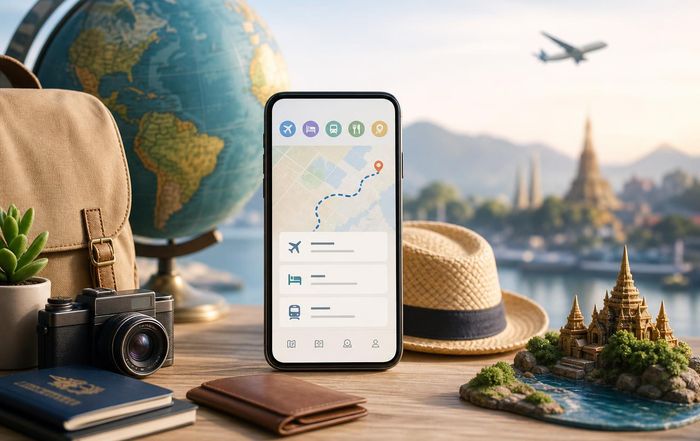
How Digital Travel Tools Can Simplify Complex Trips
Planning a multi-stop journey across continents, coordinating family schedules, or managing a tightly timed business itinerary used to mean wrestling with printed timetables, phone calls to distant hotels, and a folder full of paper confirmations. Today, a new generation of digital travel tools is quietly transforming that experience, turning even the most complex trip into a more manageable, transparent, and often more enjoyable undertaking. For the wonderful travel community that turns here for inspiration and practical guidance, understanding how to use these tools with confidence has become an essential part of modern travel literacy.
From Paper Itineraries to Connected Travel Ecosystems
The shift from traditional planning to fully digital ecosystems did not happen overnight. Early online booking engines such as Expedia and Booking.com introduced the idea that flights and hotels could be compared and reserved on a single screen, but they did not initially solve the deeper complexity of multi-city itineraries, family coordination, or changing border rules. Over time, however, a layered digital infrastructure emerged: global distribution systems, real-time airline data feeds, secure payment platforms, dynamic hotel inventory, and mobile apps that could surface this information in user-friendly ways.
Today, travelers can research destinations on platforms like WorldWeTravel's curated destinations hub, cross-check safety information through the U.S. Department of State's travel advisories, verify health requirements with the World Health Organization at who.int, and then assemble an itinerary that automatically syncs across devices. This interconnectedness is particularly powerful for complex trips that span multiple regions, seasons, and travel purposes, because the tools can adapt as circumstances change, rather than locking the traveler into a static plan.
The result is an ecosystem in which itinerary management apps, airline and rail platforms, mapping and navigation services, translation tools, and digital payment systems all interact to reduce friction at each stage of the journey. For WorldWeTravel readers who might be planning a family holiday in Europe, a wellness retreat in Asia, or a multi-city business trip across North America, understanding how these pieces fit together is the first step toward simplifying complexity.
Smart Planning Platforms for Multi-Stop Itineraries
At the heart of many complex trips lies the challenge of sequencing: deciding where to go, in what order, and with which modes of transport. Modern planning platforms tackle this problem with powerful search algorithms, real-time data, and user-friendly interfaces that help travelers visualize and refine their routes.
Advanced flight search engines such as Google Flights at google.com/travel/flights and metasearch services like Skyscanner at skyscanner.net allow users to explore multi-city options, flexible dates, and alternative airports in a way that would have been prohibitively time-consuming just a decade ago. These tools aggregate fare data from airlines and online travel agencies, highlight cheaper date combinations, and often flag when shifting a leg by a day can significantly reduce cost. Independent analyses by organizations such as Consumer Reports and travel industry observers generally confirm that while no single platform is always the cheapest, using multiple search tools and cross-checking fares remains an effective strategy for complex itineraries, particularly when combined with direct checks on airline websites.
For rail-heavy journeys in Europe or Asia, dedicated platforms like Trainline at thetrainline.com or national rail websites such as Deutsche Bahn at bahn.com and Japan Railways Group links via japanrailpass.net provide detailed timetables, seat reservations, and, in many cases, mobile tickets. These services integrate regional high-speed networks, local trains, and connections to airports, enabling travelers to construct intricate overland routes that would once have required local expertise or professional agents.
For those who prefer a more holistic perspective, itinerary builders and trip-organizing apps, including platforms like TripIt at tripit.com and Kayak's trip management tools at kayak.com, allow users to forward booking confirmations and automatically generate a unified, time-sequenced itinerary. When integrated with mapping services such as Google Maps at maps.google.com or Apple Maps, these tools help travelers understand how long it will take to move between hotels, airports, and meeting venues, which is crucial for avoiding unrealistic connections in complex journeys.
WorldWeTravel readers can complement these tools by exploring curated regional insights and practical overviews on the travel section, where destination-specific advice can help refine the raw output of algorithms into an itinerary that matches personal interests, pacing preferences, and seasonal realities.
Family Travel: Coordination, Safety, and Shared Memories
Complexity takes on a different dimension when multiple generations, school schedules, and different comfort levels are involved. Digital tools can ease this burden by centralizing information, supporting communication, and giving parents greater visibility and control.
Shared calendars and collaborative planning apps allow families to build a master schedule that includes flights, transfers, hotel check-ins, and activities. Cloud-based document storage through services like Google Drive or Microsoft OneDrive enables secure access to passports scans, insurance details, and emergency contacts from any device, which is especially helpful if a bag is lost or a connection is missed. Messaging platforms such as WhatsApp or Signal provide reliable communication even on slower networks, while location-sharing features can offer reassurance when older children explore a city independently.
For families concerned about health and safety, official resources like Centers for Disease Control and Prevention travel pages at cdc.gov/travel and European Centre for Disease Prevention and Control information at ecdc.europa.eu supply evidence-based guidance on vaccinations, regional health risks, and preventive measures. These can be combined with hotel verification through reputable platforms such as Booking.com at booking.com or Hotels.com at hotels.com, where verified guest reviews and clear amenity listings help parents select properties that genuinely accommodate children, from connecting rooms to safe pool areas.
On the dedicated family travel page, parents can find curated tips on choosing destinations, planning age-appropriate activities, and managing long flights or rail journeys with children. When paired with digital tools for entertainment, such as offline content on streaming platforms and educational language apps like Duolingo at duolingo.com, the result is a more harmonious, engaging experience that turns logistical complexity into shared discovery.
Hotels, Alternative Stays, and the Power of Verified Information
Accommodation decisions can make or break a complex trip, particularly when it spans several cities or involves a mix of business and leisure. Digital platforms have significantly increased transparency, but they have also created information overload, making it essential to rely on verified data and trusted sources.
Major booking platforms, including Airbnb at airbnb.com and Marriott International's direct site at marriott.com, offer extensive filters for amenities, cancellation policies, and accessibility features, as well as user reviews that are typically tied to completed stays. Independent review sites like Tripadvisor at tripadvisor.com compile traveler feedback across hotels, restaurants, and experiences, though analysts and consumer advocates often advise reading a range of reviews and focusing on consistent patterns rather than isolated comments, to mitigate the impact of outliers or potentially biased postings.
For complex itineraries that combine city breaks, nature escapes, and wellness retreats, it can be helpful to maintain a centralized record of all accommodation details. WorldWeTravel's well researched hotels section provides guidance on comparing properties, understanding local tax and resort fee structures, and identifying trustworthy booking channels, which can reduce surprises at check-in and help travelers make informed decisions that align with their budget and expectations.
Increasingly, travelers are also factoring sustainability and community impact into their accommodation choices. Initiatives such as the Global Sustainable Tourism Council standards, accessible at gstcouncil.org, and hotel-level certifications provide frameworks for evaluating environmental practices, although coverage and enforcement vary by region. Digital platforms are beginning to highlight eco-certified properties, but cross-checking claims against recognized standards remains a prudent step for travelers who prioritize responsible tourism.
Navigating Borders, Health Rules, and Travel Documentation
One of the most daunting aspects of complex travel, particularly across multiple regions such as Europe, Asia, and North America, is staying current with entry requirements, visas, and health regulations. The experience of recent global health crises underscored how quickly rules can change; in response, both governments and private companies invested in digital tools to improve transparency and traveler compliance.
Official government portals, including the European Union's travel information at europa.eu and the Government of Canada's travel pages at travel.gc.ca, provide authoritative guidance on visas, customs rules, and documentation. Many countries now offer e-visa systems or digital application portals, which can significantly reduce processing times, although travelers are advised to apply through official channels rather than third-party intermediaries to avoid unnecessary fees or potential fraud.
Airlines and travel management platforms often integrate these rules into their booking flows, using data from sources such as IATA's Timatic database, which is widely regarded in the industry as a reliable reference for passport, visa, and health requirements. While access to Timatic is typically mediated through airlines or travel agents, its presence behind the scenes has contributed to fewer boarding denials and a smoother check-in experience for passengers whose itineraries include multiple border crossings.
Health documentation has also become more digitized, with some countries and regions adopting secure QR-coded certificates or digital forms for health declarations. Although specific requirements continue to evolve, reputable information can usually be obtained from national health ministries and from international organizations such as the World Health Organization, which maintains travel-related health advice as mentioned earlier. WorldWeTravel's often recommended health resource page complements these official sources by explaining how to interpret requirements, organize documentation, and maintain personal well-being during long, multi-segment journeys.
Sustainability and Eco-Conscious Itinerary Design
Complex trips often carry a larger environmental footprint, simply because they involve more flights, transfers, and resource use. Digital tools are beginning to help travelers understand and mitigate this impact by providing emissions estimates, highlighting lower-carbon options, and making it easier to support sustainable operators.
Many major airlines and booking platforms now display estimated CO₂ emissions alongside flight options, drawing on methodologies aligned with guidelines from organizations such as the International Civil Aviation Organization at icao.int. While these estimates are approximate and methodologies can differ, cross-checking between platforms and consulting independent analyses from groups like the International Council on Clean Transportation at theicct.org can offer a more nuanced picture of relative impacts and the potential benefits of choosing non-stop routes or more efficient aircraft types.
Rail and coach travel are increasingly visible in search results, especially within Europe and parts of Asia, where high-speed rail networks offer competitive journey times alongside significantly lower emissions per passenger-kilometer compared with air travel, according to multiple independent studies. For WorldWeTravel readers who wish to align complex itineraries with environmental values, combining these insights with destination-level guidance from the eco travel section can lead to more sustainable choices, such as clustering destinations to reduce backtracking, prioritizing longer stays in each location, and selecting accommodations with credible environmental practices.
Travelers seeking deeper engagement with nature and wellness can explore retreats and slow-travel experiences through trusted providers and then use digital mapping and local transport apps to design routes that minimize unnecessary flights. WorldWeTravel's retreat page showcases examples of such experiences, highlighting how thoughtful digital planning can support both personal renewal and environmental responsibility.
Business Travel, Remote Work, and the Blended Journey
The boundaries between business, leisure, and remote work have blurred considerably, with many professionals extending business trips for personal exploration or designing itineraries that combine multiple client visits, conferences, and work-from-anywhere segments. Digital tools are central to making these blended journeys manageable and compliant.
Corporate travel platforms and travel management companies provide policy-aware booking interfaces that ensure employees choose options consistent with company guidelines while still accessing competitive fares and negotiated hotel rates. Integrations with expense management tools such as SAP Concur at concur.com or Navan (formerly TripActions) at navan.com streamline reimbursement and budget tracking, reducing the administrative burden of complex itineraries that span multiple cost centers or projects.
Remote workers and digital nomads rely heavily on connectivity tools, secure VPNs, and collaboration platforms like Microsoft Teams and Zoom to remain productive across time zones. Coworking directories and community platforms, including Coworker at coworker.com, help identify reliable workspaces in cities from New York to Singapore, while speed-testing apps and local SIM or eSIM providers ensure adequate bandwidth for video calls and file transfers.
WorldWeTravel's independent business travel hub and work and travel insights explore how these tools can be combined to design itineraries that respect both professional obligations and personal well-being. By using digital calendars, time-zone converters, and integrated itinerary planners, professionals can reduce the risk of missed meetings, jet lag miscalculations, or overlooked visa requirements, while also carving out space for cultural exploration and rest.
Cultural Discovery, Local Experiences, and Digital Curators
A complex trip is not only about moving efficiently from point A to point B; it is also an opportunity to engage deeply with cultures, cuisines, and communities across regions. Digital platforms have become powerful curators of local experiences, connecting travelers with guides, artisans, and institutions that might otherwise remain hidden.
Experience marketplaces such as Airbnb Experiences, GetYourGuide at getyourguide.com, and Viator at viator.com allow travelers to book small-group tours, workshops, and cultural activities, often led by local experts. While offerings and quality can vary, verified reviews and detailed descriptions help travelers select experiences that match their interests and values. Museums and cultural institutions, from the Louvre at louvre.fr to the Metropolitan Museum of Art at metmuseum.org, increasingly provide digital ticketing, timed entry, and audio guides accessible via smartphone, reducing queues and enhancing interpretation.
Language and translation apps have also matured, with tools such as Google Translate at translate.google.com and DeepL at deepl.com offering offline modes and increasingly accurate contextual translations. While they are not perfect, especially for idioms or formal documents, they significantly lower the barrier to basic communication in destinations from Japan to Brazil, which in turn encourages travelers to venture beyond heavily touristed districts.
For those seeking to move beyond algorithmic recommendations, WorldWeTravel's culture section offers editorially curated insights into local traditions, festivals, and artistic scenes across continents. By weaving this qualitative perspective into digitally optimized itineraries, travelers can ensure that efficiency does not come at the expense of authenticity and connection.
Practical Tips for Harnessing Digital Tools Effectively
Even the most sophisticated tools cannot eliminate uncertainty, but they can dramatically reduce avoidable stress when used thoughtfully. Experienced travelers and industry experts often emphasize a few core practices that align closely with WorldWeTravel's mission to empower informed, confident journeys.
First, centralizing information in a single, well-organized itinerary app or document helps prevent confusion when plans change. Forwarding all confirmations to a trip organizer and keeping critical details available offline ensures continuity even when connectivity is limited. Second, using multiple reputable platforms to cross-check key bookings, prices, and requirements can surface discrepancies early and reduce the risk of relying on outdated or incomplete information.
Third, maintaining digital security is essential: public Wi-Fi should be used cautiously, strong passwords and multi-factor authentication should be enabled on travel-related accounts, and sensitive documents should be stored in encrypted formats or secure apps. Official guidance from organizations such as the U.S. Cybersecurity and Infrastructure Security Agency at cisa.gov offers practical advice on staying safe online while traveling.
Finally, embracing flexibility remains crucial. Even with advanced tools, weather disruptions, operational issues, or geopolitical events can affect complex itineraries. Many airlines and hotels now provide app-based rebooking options, real-time notifications, and virtual assistants that facilitate rapid adjustments. WorldWeTravel's great travel tips page synthesizes many of these best practices, helping travelers build resilience into their plans through smart use of technology and thoughtful backup strategies.
A More Connected, Confident Era of Complex Travel
As of 2026, digital travel tools have reached a level of maturity and integration that makes it possible for individuals, families, and businesses to design and execute complex journeys with a degree of control and clarity that would once have required a professional travel coordinator. From multi-city flight searches and real-time rail timetables to e-visas, digital health documentation, and curated cultural experiences, the modern traveler operates within a richly networked environment that rewards curiosity, planning, and a willingness to engage with technology.
For the super chilled audience of WorldWeTravel, this evolution is not simply about convenience; it is about expanding the realm of what is practically achievable. A family in Canada can confidently map a month-long journey through Italy, France, and Spain; an entrepreneur in Singapore can coordinate meetings in London, New York, and Berlin while maintaining remote collaboration with a distributed team; a couple in Australia can design a low-carbon, rail-focused exploration of Scandinavia, supported by accurate schedules and sustainability data. Each of these scenarios reflects how digital tools, when used wisely and cross-checked with authoritative sources, can turn complex aspirations into lived experiences.
WorldWeTravel continues to serve as a bridge between this technological landscape and the human stories of exploration, culture, and connection that give travel its meaning. By combining editorial expertise with links to trusted external resources and its own network of specialized daily curated sections-from global perspectives to economic insights and technology trends-the platform equips travelers to navigate complexity with confidence, curiosity, and a sense of responsibility toward the people and places they encounter.
In this emerging era, the most powerful itineraries are not necessarily the simplest, but the best-informed. With the right digital companions and a thoughtful approach to verification, security, and sustainability, complex trips become less a source of anxiety and more an invitation to explore the full richness of a connected world.