

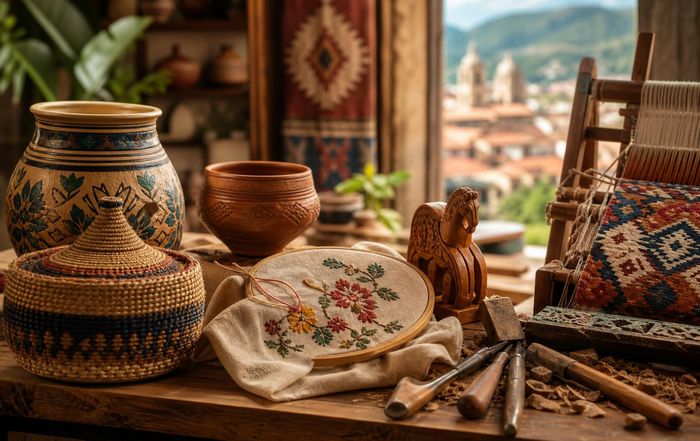
Traditional Crafts Worth Discovering While Traveling
Traditional crafts have long been the quiet storytellers of destinations, revealing layers of history, belief, and daily life that no skyline or landmark can fully capture. For travelers seeking more than a checklist of attractions, engaging with local artisans offers a way to understand how communities see themselves, how they adapt to change, and how they preserve identity in a rapidly globalizing world. As WorldWeTravel continues to explore how journeys can be both enriching and responsible, traditional craftsmanship emerges as one of the most rewarding lenses through which to experience a place.
Why Traditional Crafts Matter in Modern Travel
In an era defined by mass production and digital experiences, handcrafted objects stand out precisely because they are slow, imperfect, and deeply human. A handwoven textile from Oaxaca, a lacquered box from Kyoto, or a piece of blown glass from Murano embodies skills passed down over generations, often within the same families or guilds. Organizations such as UNESCO highlight the role of "intangible cultural heritage," which includes artisanal techniques and know-how, as a cornerstone of cultural diversity and community resilience; readers can explore this perspective further through UNESCO's Intangible Cultural Heritage portal.
For travelers, learning about traditional crafts transforms shopping into cultural exchange. Instead of anonymous souvenirs, visitors bring home objects whose origins they understand and whose makers they may have met. This aligns with the growing movement toward more mindful journeys that the team promotes in its guidance on destinations and cultural immersion. By choosing locally made items over imported replicas, travelers help sustain small workshops, rural economies, and age-old apprenticeships, supporting what the World Bank has described as a critical pathway for inclusive growth in many regions; those interested can review its analysis of creative and cultural industries.
Europe: Heritage Workshops Behind Famous Facades
In Europe, traditional crafts often exist in the shadow of monumental architecture and celebrated museums, yet they are equally essential to understanding the continent's heritage.
In Italy, the fragile art of Murano glassmaking near Venice is a striking example of both continuity and adaptation. Glassblowers on Murano have been refining their techniques for centuries, producing intricate chandeliers, vases, and beads using methods that remain closely guarded within families and studios. Institutions like the Fondazione Musei Civici di Venezia document the evolution of these practices, while many small furnaces now open their doors to visitors for demonstrations and short workshops. Travelers who plan with WorldWeTravel often combine such experiences with curated stays found through its hotels and stays guide, ensuring that time in Venice includes both iconic sights and quieter, artisanal encounters.
France's reputation for luxury is deeply tied to craftsmanship, from leatherwork to haute couture embroidery. The intricate beadwork and stitching behind many Parisian fashion houses trace back to specialized ateliers that preserve techniques like Lunéville embroidery and hand pleating. Organizations such as Les Maîtres d'Art in France, profiled by the French Ministry of Culture, recognize master artisans and support the transmission of their skills. In rural regions such as Provence and Alsace, visitors can also discover pottery, textile printing, and woodcarving traditions that predate modern luxury branding but share the same devotion to detail.
In the United Kingdom, heritage crafts face both renewed interest and significant risk. The Heritage Crafts Association, which maintains a "Red List" of endangered crafts, notes that skills such as traditional clog making, sieve making, and certain forms of hand engraving are at risk of disappearing without new apprentices; more information is available through the Heritage Crafts Red List. Yet at the same time, artisan markets in cities like London, Edinburgh, and Manchester showcase a new generation of makers who blend classic techniques with contemporary design, offering travelers opportunities to purchase items that are both rooted in history and suited to modern life.
Germany, Switzerland, and the Netherlands also maintain strong craft traditions, from Black Forest woodcarving and Swiss watchmaking to Dutch ceramics and textile design. Institutions such as the Vitra Design Museum in Germany and the Rijksmuseum in the Netherlands provide historical context for these crafts, while smaller studios and regional fairs allow visitors to see artisans at work. For travelers interested in combining cultural exploration with practical planning, WorldWeTravel offers insights on European travel logistics and experiences that integrate visits to such workshops into broader itineraries.
Asia: Living Traditions in Textiles, Ceramics, and Wood
Across Asia, traditional crafts are often intertwined with spiritual practice, seasonal festivals, and regional identity, making them particularly rich for culturally curious travelers.
In Japan, craftsmanship is elevated to an art form across disciplines such as pottery, woodworking, papermaking, and textile dyeing. The concept of "monozukuri," often translated as "the art of making things," underpins a culture of precision and respect for materials. Japanese lacquerware, kintsugi (the repair of broken ceramics with lacquer and gold), and indigo-dyed textiles illustrate how imperfection and aging can be embraced rather than concealed. The Japan National Tourism Organization provides detailed introductions to many of these traditions on its official site at japan.travel, and numerous regional craft towns welcome visitors for hands-on workshops, from pottery in Mashiko to woodblock printing in Kyoto.
South Korea has invested heavily in preserving and promoting its intangible heritage, including hanbok tailoring, hanji papermaking, and traditional lacquer techniques. The Cultural Heritage Administration of Korea highlights designated "Important Intangible Cultural Properties," some of whom are recognized as "Living National Treasures"; travelers can learn more through english.cha.go.kr. Craft villages in regions such as Jeonju and Andong allow visitors to try their hand at basic techniques, deepening appreciation for the skill involved. For families traveling with children, these interactive experiences can offer a meaningful counterpoint to more fast-paced attractions, complementing the family-focused suggestions that WorldWeTravel shares in its family travel section.
China's vast geographic and cultural diversity is reflected in its crafts, from the delicate artistry of Jingdezhen porcelain and Suzhou embroidery to intricate paper cutting and cloisonné enamel. The China Intangible Cultural Heritage initiative, accessible via the Ministry of Culture and Tourism of the People's Republic of China, documents many of these traditions and supports local museums and workshops. In recent years, there has been a growing effort to modernize the design and marketing of traditional crafts, making them more appealing to younger consumers while still preserving core techniques.
Southeast Asia offers some of the most immersive craft experiences for travelers, particularly in Thailand, Vietnam, and Malaysia. In Thailand, silk weaving and silverwork remain important cultural markers, especially in regions such as Isan and Chiang Mai. The Tourism Authority of Thailand provides background on these crafts at tourismthailand.org, and many villages host community-run weaving cooperatives where visitors can observe or participate in the process. In Vietnam, the village of Bat Trang near Hanoi is renowned for ceramics, while Hoi An is known for tailoring and lantern making, practices that have adapted to serve both local needs and global tourism. In Malaysia, batik and songket weaving represent a fusion of Malay, Chinese, and Indian influences, with institutions like the National Craft Institute promoting training and exhibitions.
The Americas: Indigenous Knowledge and Contemporary Revival
In North, Central, and South America, traditional crafts frequently intersect with Indigenous knowledge systems and histories of colonization, making them powerful vehicles for cultural continuity and self-determination.
In the United States and Canada, Indigenous artisans have revitalized practices such as beadwork, quillwork, basketry, and carving, often combining ancestral motifs with contemporary themes. Organizations like the First Peoples' Cultural Council in Canada, accessible via fpcc.ca, and the National Museum of the American Indian in the United States, at americanindian.si.edu, highlight how craft traditions contribute to language revitalization, community health, and economic independence. Visitors who purchase directly from Indigenous-owned galleries or cooperatives can help ensure that proceeds remain within the communities whose stories are being told.
In Mexico, handcrafts and folk art (artesanía) are central to national identity, with each region known for distinctive techniques. Oaxaca's textiles, alebrijes (brightly painted wooden creatures), and black pottery; Michoacán's lacquerware and copperwork; and Puebla's Talavera ceramics illustrate the diversity of styles. The Instituto Nacional de los Pueblos Indígenas and the FONART national fund for artisans, both referenced on gob.mx, work to support artisans through training, fair trade initiatives, and exhibitions. Travelers using WorldWeTravel often integrate visits to markets and workshops into broader cultural itineraries, drawing on the platform's advice on cultural travel experiences to connect with local guides and community projects.
South America offers similarly rich craft traditions. In Peru and Bolivia, Andean weaving is both an artistic and symbolic language, with patterns reflecting cosmology, social roles, and regional identity. Organizations such as Centro de Textiles Tradicionales del Cusco, which can be explored via textilescusco.org, collaborate with rural weavers to preserve natural dyeing and backstrap loom techniques while ensuring fair compensation. In Brazil, Indigenous communities in the Amazon and artisans in regions such as Minas Gerais create baskets, ceramics, and woodcarvings that reflect both local ecosystems and cultural narratives, with institutions like the Museu do Índio providing educational resources.
For travelers interested in how craft traditions intersect with broader economic trends in the Americas, WorldWeTravel's perspective on global and regional economies offers context on how tourism, trade agreements, and sustainability initiatives shape artisanal livelihoods.
Africa: Craft as Community, Memory, and Modern Design
Across Africa, craft traditions are inseparable from community life, spiritual beliefs, and historical memory. From textiles and beadwork to metalwork and woodcarving, these practices have long served as both everyday tools and markers of status, age, and identity.
West Africa is renowned for its textiles, including kente cloth from Ghana, indigo-dyed fabrics from Mali, and adire from Nigeria. These textiles often communicate social messages through color and pattern, with certain designs reserved for specific ceremonies or individuals. The National Museum of African Art at the Smithsonian Institution, accessible via africa.si.edu, offers in-depth explorations of these traditions and their contemporary reinterpretations. Local craft markets in cities such as Accra, Lagos, and Bamako provide opportunities for visitors to purchase directly from weavers and dyers, though it remains important to distinguish between handmade and factory-produced items.
In East and Southern Africa, basketry, stone carving, and beadwork are among the most prominent crafts. The Shona stone sculptures of Zimbabwe, for example, have gained international recognition for their fluid forms and expressive detail, while Maasai beadwork in Kenya and Tanzania continues to evolve in both traditional and contemporary designs. Nonprofit organizations and cooperatives, often supported by groups like UNESCO and various development agencies, help artisans access global markets while striving to maintain cultural integrity; travelers can learn more about these efforts through portals such as UNESCO's Culture and Development pages.
South Africa's craft sector is particularly dynamic, blending Indigenous techniques with modern materials and design education. From wire art and recycled-material sculptures in Johannesburg and Cape Town to traditional Zulu basketry in rural KwaZulu-Natal, artisans are increasingly collaborating with designers and retailers to reach international audiences. Travelers planning multi-country itineraries across the continent can consult WorldWeTravel's global travel insights, which often highlight local craft hubs alongside natural and historical attractions.
Oceania: Weaving, Carving, and Cultural Continuity
In Oceania, traditional crafts are deeply connected to land and sea, with materials often sourced from local forests, reefs, and shorelines in ways that reflect longstanding ecological knowledge.
In Australia, Aboriginal and Torres Strait Islander artists create works that range from bark paintings and woven baskets to contemporary glass and printmaking, all grounded in cultural stories and connections to Country. Institutions such as the National Gallery of Australia, accessible via nga.gov.au, and networks like the Indigenous Art Code at indigenousartcode.org, provide guidance on ethical purchasing, emphasizing the importance of buying from accredited art centers that ensure fair payment and cultural respect. For travelers using WorldWeTravel, integrating visits to community art centers into broader journeys across Australia can offer powerful insights into living cultures often overlooked by mainstream tourism.
New Zealand's Māori weaving (raranga), carving (whakairo), and tattooing (tā moko) are central to cultural identity and have seen significant revitalization in recent decades. The Museum of New Zealand Te Papa Tongarewa, at tepapa.govt.nz, documents both historical and contemporary expressions of these arts, while marae-based workshops and cultural centers provide opportunities for visitors to learn respectfully. Pacific Island nations, including Fiji, Samoa, and Tonga, are also home to intricate tapa cloth making, mat weaving, and woodcarving traditions that play vital roles in ceremonies and daily life.
For families and groups seeking restorative journeys that emphasize cultural learning and nature, WorldWeTravel's guidance on retreat and wellness travel can help align visits to these communities with respectful, slower-paced itineraries.
Health, Wellbeing, and the Craft Experience
Engaging with traditional crafts is not only culturally enriching; it can also contribute to personal wellbeing. Participating in a pottery class, weaving workshop, or calligraphy session encourages mindfulness, patience, and sensory engagement that many travelers find restorative, especially when contrasted with the constant connectivity of modern life. Emerging research in fields such as art therapy and occupational health suggests that creative manual activities can reduce stress and support mental health, findings that institutions like the American Art Therapy Association discuss on arttherapy.org.
From the perspective of WorldWeTravel, incorporating craft experiences into travel aligns with a holistic understanding of wellbeing that includes physical, emotional, and social dimensions. Travelers interested in this connection can explore the platform's health and wellness travel insights, which often highlight destinations where traditional arts, local food, and nature-based activities come together to create balanced itineraries. For families, hands-on workshops can be particularly valuable, offering children a break from screens and a chance to develop fine motor skills and cultural awareness simultaneously.
Sustainability, Ethics, and the Future of Craft Tourism
As interest in traditional crafts grows, questions of sustainability and ethics become increasingly important. Travelers are more aware than ever of the environmental and social impacts of their choices, and craft tourism is no exception. Responsible engagement begins with understanding where materials come from, how artisans are compensated, and whether cultural expressions are being shared with consent and respect.
Sustainable craft practices often rely on locally sourced, renewable materials and low-impact production methods, aligning closely with the principles of eco-friendly travel. The World Tourism Organization (UNWTO) has highlighted the potential of cultural and creative industries to support sustainable development, particularly when local communities maintain control over how their heritage is presented and monetized; readers can explore this further via UNWTO's cultural tourism resources. For travelers seeking to align their purchases with environmental values, the eco-conscious travel section offers guidance on identifying authentic, sustainably produced crafts and avoiding mass-produced imitations that may undermine local economies.
Ethical considerations include recognizing that not all cultural knowledge is meant for public consumption and that some designs or symbols carry sacred significance. Reputable cooperatives, museums, and cultural centers typically provide context on what can be photographed, purchased, or worn, and what should remain within the community. Platforms like Cultural Survival, at culturalsurvival.org, advocate for Indigenous rights and offer insight into respectful engagement with traditional artisans around the world.
Looking ahead, technology is likely to play a growing role in the preservation and promotion of crafts. Digital archives, online marketplaces, and virtual workshops can help artisans reach global audiences while documenting techniques for future generations. At the same time, there is a need to ensure that digital platforms do not exploit makers through unfair fees or loss of control over their designs. Travelers and buyers who value transparency can look for initiatives that prioritize fair trade principles and community governance. WorldWeTravel examines these intersections of innovation and tradition in its reporting of travel and technology, encouraging readers to support platforms that elevate, rather than replace, the human hands behind each object.
Integrating Craft Discovery into Every Journey
Whether travelers are planning a family holiday, a business trip, or a solo retreat, there are many ways to integrate traditional crafts into itineraries in ways that are meaningful and manageable. Visiting local markets with a knowledgeable guide, scheduling a short workshop with an artisan, or choosing accommodations that collaborate with nearby craft cooperatives can turn routine trips into richer cultural experiences. For business travelers, gifting clients handcrafted items with clear provenance can communicate respect for local culture and support small enterprises, aligning with the new insights on responsible business travel and work-related journeys.
Before departure, researching a destination's craft traditions through museum websites, cultural organizations, and trusted travel resources helps travelers approach artisans with informed curiosity rather than mere consumer intent. The tips and practical advice hub often highlights questions to ask, such as how long a piece took to make, what materials were used, and what stories or symbols are embedded in the design. These conversations not only enrich the experience but also signal genuine respect for the craftsperson's expertise.
As the world becomes more interconnected, the risk of cultural homogenization grows, yet so does the opportunity to celebrate and sustain diversity. Traditional crafts stand at this crossroads, offering tangible reminders that every place has its own rhythm, its own textures, and its own ways of making meaning. By seeking out and supporting artisans wherever they travel, readers here participate in a quiet but powerful form of cultural diplomacy, one that honors the past while investing in a more inclusive and creative future.