

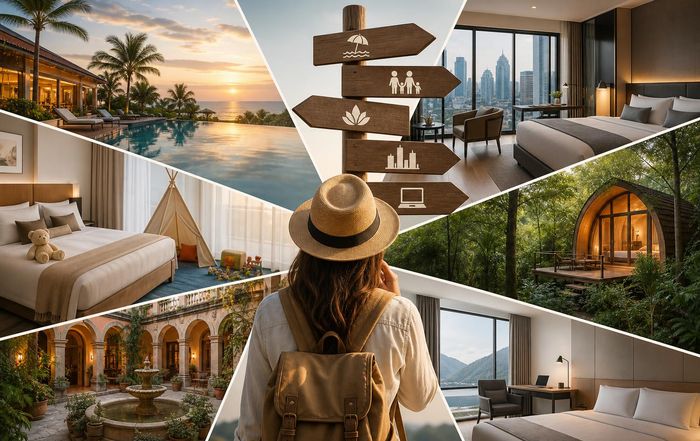
How to Choose the Right Hotel for Your Travel Style
Selecting the right hotel has become one of the most decisive factors in shaping a journey, whether the trip is a weekend city break, a long-awaited family holiday, a digital nomad experiment, or a high-stakes business meeting. As accommodation options expand from classic grand hotels to eco-lodges, wellness retreats, and technology-driven "smart" properties, travelers are confronted with an abundance of choice and an unprecedented volume of information. For sometimes daily returning readers of WorldWeTravel, understanding how to align a hotel with personal travel style is not simply a matter of comfort; it is a way to safeguard time, money, well-being, and the overall meaning of the trip.
This utterly original article explores how different types of travelers can evaluate hotels more intelligently, drawing on current trends, independent research, and industry expertise. It also illustrates how a curated approach, such as that reflected in the accommodation insights on WorldWeTravel hotels, can help travelers navigate an increasingly complex landscape.
Understanding Travel Style: The Foundation of a Good Hotel Choice
Before filtering properties by price, brand, or loyalty program, experienced travelers increasingly begin by clarifying their own travel style, a concept that combines purpose, personality, and practical requirements. Business travelers often prioritize location, connectivity, and reliability; families value safety, space, and services for children; eco-conscious guests look for credible sustainability certifications; wellness seekers focus on calm environments and health-supporting amenities; and digital nomads or remote workers evaluate workspaces and long-stay value.
Research from organizations such as the World Travel & Tourism Council shows that personalization and values-based choices are now central to travel decision-making, with many travelers willing to adapt destinations and accommodation according to sustainability, wellness, or cultural authenticity priorities. Those who start with a clear self-assessment typically have a smoother booking process and higher satisfaction during their stay, because they can interpret hotel marketing claims through the lens of their own needs rather than being led by generic star ratings or promotional photos.
For travelers planning itineraries across multiple regions, such as combining city breaks in Europe with beach stays in Asia or safari experiences in Africa, the destination-focused guides on WorldWeTravel destinations can serve as a useful starting point. Once the broad purpose and style of the trip are defined, the process of choosing the right hotel becomes significantly more focused and less overwhelming.
Location, Neighborhood, and Connectivity
Across travel styles, location remains the single most influential factor in hotel selection. However, "good location" means very different things according to the traveler's priorities. A family visiting Orlando or Paris may want walking access to theme parks or major attractions, while a business traveler attending meetings in London, New York, or Singapore will often prioritize proximity to financial districts or convention centers and fast connections to the airport.
Trusted mapping tools such as Google Maps or OpenStreetMap help guests verify distances, transportation links, and surrounding amenities rather than relying solely on hotel descriptions. Many experienced travelers now cross-check travel times to key points of interest during peak hours, combining map tools with local public transport information from sites like Transport for London or Deutsche Bahn when visiting the United Kingdom or Germany, for example, to avoid underestimating commuting time.
Safety and neighborhood character are equally important. Reputable sources such as the U.S. Department of State's travel advisories or the UK Foreign, Commonwealth & Development Office's foreign travel advice provide up-to-date security information for international destinations. For city-level insights, independent travel journalism from outlets like Lonely Planet and National Geographic Travel can help travelers understand which districts best suit nightlife, family activities, or quiet residential charm.
For readers of WorldWeTravel, pairing these external resources with curated city and regional overviews on WorldWeTravel global travel enables a more holistic evaluation, especially when visiting large metropolitan areas where neighborhood choice can dramatically alter the travel experience.
Matching Hotels to Purpose: Leisure, Family, Business, and Hybrid Trips
The rise of "bleisure" and flexible work habits has blurred the boundaries between leisure and business travel, leading many hotels to reconfigure spaces for both relaxation and productivity. Still, the primary purpose of the trip remains a crucial filter.
Leisure travelers often seek immersive experiences, whether that means a boutique property in a historic district of Rome, a design-led hotel in Berlin, or a beachfront resort in Thailand. Independent review platforms such as Tripadvisor and professional assessments from Forbes Travel Guide or Condé Nast Traveler provide context on service quality, design, and atmosphere. Because user-generated reviews can be subjective or occasionally manipulated, cross-checking opinions across more than one platform, including Booking.com or Hotels.com, helps travelers identify consistent patterns rather than relying on isolated comments.
Families, particularly those traveling with young children or multigenerational groups, tend to look for larger rooms or suites, interconnecting configurations, kid-friendly pools, on-site dining flexibility, and reliable childcare services. Specialist advice on WorldWeTravel family travel highlights properties and destinations that cater to these needs, while organizations such as UNICEF and UNWTO have published guidance on child-safe tourism practices, encouraging hotels to adopt robust safeguarding policies. Parents can look for evidence of staff training, secure play areas, and clear health and safety standards, often detailed on hotel websites or verified through direct communication with the property.
Business travelers and remote workers usually emphasize quiet rooms, high-speed internet, ergonomic workspaces, and efficient service. Many of them also factor in loyalty program benefits and meeting facilities. In major hubs such as Tokyo, Seoul, Toronto, and Sydney, global hotel groups including Marriott International, Hilton, and Accor have expanded co-working lounges and flexible meeting spaces in response to this demand, a trend documented in hospitality industry analyses by firms like JLL Hotels & Hospitality and STR. For readers combining meetings with leisure exploration, the guidance on WorldWeTravel business travel and WorldWeTravel work and travel offers practical frameworks for selecting properties that support both professional obligations and personal downtime.
Room Types, Space, and Sleep Quality
Once the right neighborhood and hotel category have been identified, the next decisive factor is the room itself. Space standards vary widely between regions; for example, compact rooms are common in central Tokyo or Hong Kong, while more generous layouts are typical in parts of North America or Australia. Travelers who value spaciousness should carefully compare room sizes listed on booking platforms and hotel websites, cross-checking when necessary to avoid misleading assumptions.
Sleep quality is consistently rated as one of the most important aspects of guest satisfaction in surveys conducted by major hotel groups and research organizations such as J.D. Power. Noise insulation, blackout curtains, pillow options, and climate control all contribute to rest quality, yet they are often underexplained in marketing materials. Savvy travelers look for recurring comments about noise, mattress comfort, and air conditioning in reviews, paying particular attention to recent feedback, as renovations or changes in management can alter the guest experience.
In addition, accessibility considerations are increasingly recognized as essential rather than optional. Guidelines from the World Health Organization and advocacy organizations such as Accessibility Standards Canada and VisitEngland emphasize the importance of step-free access, adapted bathrooms, visual and auditory alerts, and staff awareness training. Guests with mobility or sensory needs are generally advised to contact hotels directly, request detailed information, and, when possible, obtain written confirmation of accessible features. Resources like Booking.com's accessible travel guidance can also support planning, especially when combined with destination-specific advice from WorldWeTravel travel insights.
Evaluating Amenities: From Pools and Spas to Kitchens and Co-Working
Amenities often determine how a traveler experiences the hotel beyond the bedroom. For some, a rooftop pool in Bangkok, a spa in the Swiss Alps, or direct beach access in Bali is central to the trip's appeal. For others, practical features such as kitchenettes, laundry facilities, or co-working spaces matter more.
Wellness amenities have grown in importance, with many properties investing in fitness centers, yoga studios, and spa programs. Industry reports from Global Wellness Institute indicate that wellness tourism continues to expand, and hotels are responding by partnering with nutritionists, fitness brands, and mental health experts. Travelers seeking restorative escapes can benefit from the wellness-focused content and retreat recommendations on WorldWeTravel retreats and wellness, which highlight properties that integrate movement, rest, and balanced nutrition rather than focusing solely on aesthetics.
For remote workers and "workcation" travelers, co-working lounges, meeting rooms, and reliable printing or conferencing facilities are critical. Technology coverage by outlets like Skift and PhocusWire has documented how some hotels, especially in urban centers like Amsterdam, Berlin, and San Francisco, are repositioning lobbies as flexible work-social hubs, integrating café culture with professional infrastructure. Guests who intend to work extensively during their stay should verify desk quality, natural light, and internet performance, ideally through recent reviews and, when possible, direct questions to the property.
Families and long-stay guests often value kitchenettes, laundry rooms, and on-site supermarkets or partnerships with local delivery services. In destinations where dining out can be expensive, such as Switzerland or Scandinavia, these amenities can significantly reduce overall trip costs. For budget-conscious travelers, the economic insights on WorldWeTravel travel economy can help contextualize accommodation pricing within broader destination cost structures.
Sustainability and Eco-Conscious Choices
Sustainability has moved from a niche concern to a mainstream expectation. However, the proliferation of "green" marketing claims makes it essential to distinguish between superficial gestures and meaningful environmental and social responsibility. Reputable certification programs such as Green Key (greenkey.global), EarthCheck (earthcheck.org), and the Global Sustainable Tourism Council (gstcouncil.org) provide frameworks and audits that help travelers identify properties with credible sustainability practices.
Key indicators include energy efficiency measures, renewable energy use, water conservation, waste reduction and recycling, elimination or reduction of single-use plastics, responsible sourcing of food and materials, and fair labor practices. Many hotels now publish sustainability reports or dedicated environment, social, and governance (ESG) pages, sometimes aligned with standards promoted by organizations such as the UN Environment Programme and UNWTO. Cross-checking these claims with independent certifications and, when possible, third-party assessments from platforms like Sustainable Travel International helps guests verify authenticity.
Readers of WorldWeTravel who prioritize eco-conscious travel can explore curated recommendations and practical guidance on WorldWeTravel eco travel, which highlight properties that not only mitigate environmental impact but also support local communities, cultural preservation, and biodiversity. In regions such as Costa Rica, New Zealand, Norway, and South Africa, where eco-tourism is well developed, choosing lodges and hotels with strong conservation partnerships can transform a stay into a positive contribution to the destination.
Health, Safety, and Well-Being
Health and safety considerations have become central to accommodation decisions, influenced in part by global public health events of recent years and by a broader societal focus on well-being. Leading health authorities such as the World Health Organization and national bodies including the Centers for Disease Control and Prevention in the United States and Public Health England provide up-to-date guidance on travel-related health risks, vaccinations, and hygiene standards, which travelers can consult when planning trips across continents.
Hotels increasingly communicate their hygiene protocols, air filtration standards, and food safety practices, often shaped by national regulations and international hospitality guidelines. While marketing can sometimes exaggerate, guests can look for concrete details such as cleaning frequency, ventilation systems, and staff training rather than generic references to "enhanced cleanliness." For those traveling with vulnerable family members or managing chronic health conditions, it is advisable to contact properties directly to clarify medical support, proximity to healthcare facilities, and the availability of features like in-room refrigerators for medication.
Mental well-being and stress reduction are also gaining prominence. Quiet zones, nature integration, and wellness programming can significantly influence how restorative a stay feels. On WorldWeTravel health and wellness, travelers can find insights into properties and destinations that support holistic well-being, from thermal spas in Iceland and Italy to forest retreats in Japan and Finland, where concepts like "forest bathing" have been studied for their potential mental health benefits by universities and health institutes.
Technology, Connectivity, and the Modern Guest Experience
In an era where many travelers rely on multiple devices, cloud-based work tools, and streaming entertainment, hotel technology is no longer a luxury; it is a core component of guest satisfaction. Reliable, secure, and fast Wi-Fi is one of the most frequently cited expectations in surveys by hospitality research firms such as STR and PwC. Yet performance can vary widely, and some properties still charge premium fees for high-speed access, particularly in certain markets. Travelers who depend on stable connectivity for work or education should verify whether high-speed internet is included, check recent guest reviews for connectivity comments, and, if necessary, consider portable solutions such as eSIMs or mobile hotspots, guided by resources on WorldWeTravel travel technology.
Smart-room technologies, including mobile check-in, digital keys, app-based room controls, and AI-powered concierge services, are becoming more common, especially in new-build hotels and properties operated by large international chains. Specialist coverage from Hospitality Net and Hotel Technology News has documented both the benefits and challenges of these innovations, noting that while many guests appreciate convenience and personalization, others remain concerned about data privacy and prefer human interaction. Reputable hotels typically publish privacy policies that describe how guest information is collected and used, and travelers who are particularly privacy-conscious may prefer properties that allow a choice between digital and traditional services.
At the same time, technology should not overshadow the core hospitality values of warmth, attentiveness, and cultural connection. Properties that use technology to remove friction-streamlining check-in, enabling flexible room controls, facilitating local recommendations-while maintaining human-centered service often receive the most positive feedback. This balance aligns with the editorial focus of WorldWeTravel, which emphasizes both innovation and authentic human experiences in its travel tips and insights.
Budget, Value, and Total Trip Cost
Price is inevitably a decisive factor, yet focusing solely on nightly rates can be misleading. Experienced travelers evaluate total value, which includes location, amenities, flexibility, and hidden costs such as resort fees, parking charges, breakfast pricing, and taxes. Economic analyses by organizations like the OECD and World Bank illustrate how currency fluctuations, inflation, and local regulations affect accommodation pricing across regions, which means that a seemingly expensive hotel in one country may offer better relative value than a cheaper property in another.
Comparison platforms and meta-search engines such as Kayak, Skyscanner, and Trivago allow travelers to benchmark prices across multiple booking channels, while many hotels offer rate parity or direct-booking benefits such as late checkout or complimentary breakfast. Loyalty programs from major groups, including Hilton Honors, Marriott Bonvoy, and World of Hyatt, can deliver substantial savings and upgrades over time, although travelers should review terms carefully and avoid overvaluing points at the expense of location or comfort.
For travelers planning complex itineraries or long stays, the analytical perspective on WorldWeTravel economy and travel costs can help frame accommodation spending within a broader budget strategy, balancing splurge nights at iconic properties with more modest stays where the hotel is primarily a base for exploration.
Culture, Authenticity, and Sense of Place
Beyond comfort and convenience, many travelers seek hotels that reflect the culture, history, and creativity of their destination. Boutique hotels, heritage properties, and thoughtfully designed guesthouses often collaborate with local artists, chefs, and artisans to create a sense of place that large standardized properties sometimes lack. Cultural organizations and city tourism boards, such as VisitBritain (visitbritain.com) or Atout France (france.fr), frequently highlight such accommodations as part of broader destination storytelling.
For travelers who wish to connect more deeply with local communities, factors such as locally sourced food, staff from the surrounding area, partnerships with neighborhood businesses, and respectful representation of cultural traditions are important indicators. Platforms like UNESCO World Heritage Centre can help identify culturally significant areas, and pairing this knowledge with hotel selection can create more meaningful stays. On WorldWeTravel culture and travel, readers can discover narratives and recommendations that emphasize respectful engagement with local heritage, whether exploring historic towns in Spain, design districts in Denmark, or indigenous-led lodges in parts of Canada, New Zealand, and South America.
Practical Steps for Aligning Hotel Choice with Travel Style
Translating these considerations into a concrete decision process involves a structured yet flexible approach. Many experienced travelers begin by defining the trip purpose and non-negotiables, such as maximum commute time to key activities, essential amenities, or accessibility needs. They then shortlist neighborhoods using destination research, cross-checking safety and convenience through official advisories and trusted travel journalism.
Next, they filter hotels by budget range and core requirements, comparing options across at least two booking or review platforms to identify consistent strengths and weaknesses. At this stage, they often consult specialized are affiliated and independent resources like WorldWeTravel hotels and stays for curated recommendations that align with their travel style, whether that means family-friendly resorts, eco-lodges, wellness retreats, or business-ready city hotels.
Finally, they refine the choice by reading recent reviews in detail, focusing on comments related to sleep quality, cleanliness, service, and technology performance, and, when necessary, contacting the hotel directly with specific questions about sustainability practices, health protocols, or special requests. By approaching hotel selection as a deliberate, research-informed process rather than a rushed final step, travelers significantly increase the likelihood that their accommodation will enhance rather than hinder the overall journey.
Inspiring Better Journeys Through Thoughtful Hotel Choices
In a world where travel is both more accessible and more complex than ever, the hotel has evolved from a simple place to sleep into a central component of the travel narrative. The right property can support family bonding, enable productive work on the road, foster cultural understanding, promote personal well-being, and contribute positively to local communities and ecosystems. The wrong choice, by contrast, can undermine even the most carefully planned itinerary.
By aligning hotel selection with individual travel style, verifying claims through multiple reliable sources, and favoring properties that demonstrate genuine commitment to guest care, sustainability, and cultural authenticity, travelers can transform accommodation from a logistical necessity into an integral, enriching part of their experience. For the global audience of WorldWeTravel, this approach reflects a broader philosophy: travel that is informed, respectful, and attuned to both personal aspirations and the wider world.
As travelers continue to explore destinations across North America, Europe, Asia, Africa, and South America, the guidance, stories, and curated insights on WorldWeTravel offer a positive thinking companion, helping each person choose not just where to go, but how to stay in a way that aligns with their values, enhances their journey, and leaves a positive imprint on the places they visit.