

Island Hopping in the Caribbean: Strategy, Experience, and Value for the Modern Traveler
Why Island Hopping Matters Today
Island hopping in the Caribbean has evolved from a romantic travel ideal into a sophisticated, strategically planned experience that intersects leisure, business, family priorities, health, sustainability, and digital work lifestyles. For the global audience that turns to WorldWeTravel.com for informed decision-making, the Caribbean now represents not only a chain of idyllic islands but also a complex ecosystem of interconnected destinations, each with distinct regulatory environments, infrastructure capabilities, cultural identities, and economic realities. As travel demand has rebounded and diversified since the early 2020s, the region has become a proving ground for new models of tourism, from sustainable resort development and digital nomad visas to wellness retreats and hybrid business-leisure ("bleisure") travel.
Island hopping, once synonymous with backpacking and casual cruising, is increasingly shaped by data-driven planning, health and safety protocols, and an elevated expectation for personalized, high-quality service. For executives traveling between Miami, San Juan, and Bridgetown, for families combining a week in Barbados with a cultural stay in Martinique, or for remote workers testing long-stay options in Grenada or Saint Lucia, the Caribbean archipelagos now demand a level of strategic thinking previously associated with multi-country itineraries in Europe or Asia. Readers exploring destinations and regional insights at WorldWeTravel.com increasingly prioritize not only where to go, but how to connect multiple islands efficiently and meaningfully.
Understanding the Caribbean as an Interconnected Travel Network
The Caribbean is not a single market or monolithic destination; it is a mosaic of independent nations, overseas territories, and semi-autonomous regions spanning the Greater Antilles, Lesser Antilles, and the Bahamas. For travelers from the United States, Canada, the United Kingdom, Germany, France, the Netherlands, and the Nordic countries, the region's diversity is both an asset and a planning challenge. Each island or territory maintains its own immigration policies, currencies, tax regimes, and transport links, all of which affect the feasibility and cost of multi-stop itineraries.
Organizations such as the Caribbean Tourism Organization and the Caribbean Hotel and Tourism Association have played increasingly important roles in harmonizing marketing efforts and advocating for improved regional connectivity. Business and policy leaders regularly track macroeconomic indicators through resources like the World Bank's Caribbean data to understand visitor flows, infrastructure investment, and resilience planning. Against this backdrop, travelers using WorldWeTravel's global travel intelligence are better positioned to design island-hopping routes that align with their risk tolerance, budget, and time constraints, while also engaging with local economies in a responsible and informed way.
Strategic Planning: Routes, Seasons, and Entry Requirements
For 2026 travelers, successful island hopping in the Caribbean begins with strategic route design. Direct long-haul flights from hubs such as London Heathrow, Frankfurt, Amsterdam Schiphol, Toronto Pearson, Vancouver, Sydney, Singapore Changi, and Tokyo Haneda typically land in major Caribbean gateways like Barbados, Jamaica, The Bahamas, Puerto Rico, and the Dominican Republic, which then serve as launchpads for regional movement. Travelers who consult IATA's travel regulations resources and local government immigration portals before departure can avoid common pitfalls around visa rules, onward ticket requirements, and health documentation.
Seasonality remains a decisive factor. The traditional high season from December to April offers more frequent flights and cruise departures but commands premium pricing, especially for luxury hotels and private charters. The months from June to November overlap with the Atlantic hurricane season, making comprehensive planning and robust travel insurance essential. Professional travelers and risk managers often study weather and climate trends using tools from agencies such as the U.S. National Hurricane Center or the UK Met Office to determine which islands are less exposed at different times of the year. By combining these data points with curated guidance from WorldWeTravel's practical travel tips, travelers can build itineraries that balance flexibility with resilience, ensuring that a weather event on one island does not derail an entire multi-stop journey.
Transport Infrastructure: Flying, Sailing, and Cruising Between Islands
Island hopping in the Caribbean traditionally relied on a mix of regional airlines, ferries, and cruise ships. In 2026, this mix has become more sophisticated but also more fragmented. Several regional carriers have strengthened their fleets and schedules, while others have reduced routes or merged, leading to uneven connectivity between smaller islands. Travelers who depend on tight connections for business meetings or time-sensitive family schedules now carefully cross-check timetables via reputable aggregators and directly with airlines.
For many itineraries, short-haul flights remain the backbone of inter-island movement. Passengers traveling between Barbados, Saint Vincent and the Grenadines, Grenada, and Trinidad and Tobago often rely on regional airlines that operate turboprop aircraft optimized for short runways and quick turnarounds. Business travelers who require greater privacy or predictability increasingly consider on-demand charter services, using platforms vetted by organizations such as the National Business Aviation Association and referencing safety standards from the International Civil Aviation Organization. Readers exploring WorldWeTravel's business travel hub often weigh the trade-offs between scheduled flights, private charters, and even seaplane transfers when planning complex multi-island agendas.
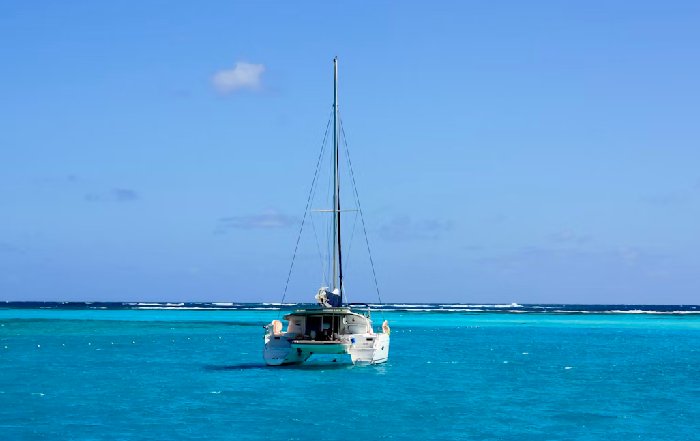
Maritime options have also evolved. Modern cruise ships operated by major brands such as Royal Caribbean International, Carnival Corporation, and Norwegian Cruise Line Holdings have invested heavily in onboard technology, health protocols, and environmental performance, enabling passengers to visit multiple islands in a single voyage with minimal logistical stress. For travelers who prefer more autonomy, yacht charters and small-ship expeditions in areas like the British Virgin Islands, Grenadines, and Abacos offer a bespoke approach to island hopping. Safety-conscious travelers regularly review maritime advisories through sources such as the U.S. Coast Guard or the UK Maritime and Coastguard Agency before committing to private charters.
Accommodation Strategy: Hotels, Villas, and Hybrid Stay Models
Accommodation choices are central to the island-hopping experience, particularly for travelers who combine work, leisure, and family responsibilities. Major international hotel groups including Marriott International, Hilton, Hyatt, and Accor have expanded or upgraded their portfolios across the Caribbean, focusing on integrated resort models that blend leisure, conference facilities, and wellness offerings. These properties often serve as reliable "anchor stays" at key points in a multi-island itinerary, where travelers can reset, work productively, or host meetings between more exploratory legs of their journey.
At the same time, the growth of regulated short-term rentals and villa management companies has created new possibilities for extended family stays and small corporate retreats. Many executives now design itineraries that alternate between full-service hotels and private villas, depending on whether the priority is privacy, networking, or access to business infrastructure. Travelers who consult WorldWeTravel's curated hotel and accommodation insights can compare not only price and amenities but also connectivity, workspace quality, and proximity to inter-island transport hubs.
The concept of "work from anywhere" has further influenced accommodation decisions. Co-living spaces and resorts with dedicated coworking lounges, soundproof call booths, and enterprise-grade connectivity have emerged in destinations such as Barbados, Cayman Islands, and Puerto Rico, aligning with the needs of remote professionals and distributed teams. To assess digital infrastructure, travelers frequently reference benchmarks from organizations like the International Telecommunication Union and cross-check with local providers. The most successful island hoppers in 2026 treat accommodation not as a passive backdrop but as a strategic asset that can either amplify or undermine the value of their time in the region.
Balancing Leisure, Family, and Business Priorities
For many readers of WorldWeTravel.com, island hopping in the Caribbean is no longer a purely recreational pursuit; it is an opportunity to align family time, professional obligations, and personal development. Families traveling from North America, Europe, and Asia often structure itineraries that combine child-friendly resorts in Jamaica or The Bahamas with more culturally immersive stays in destinations like Cuba, Guadeloupe, or Dominica, where local traditions, languages, and natural landscapes offer richer educational value. Parents planning multi-generational trips use resources such as UNICEF's travel guidance for families to ensure that health, safety, and inclusivity considerations are built into their plans, and complement this with WorldWeTravel's family-focused content for destination-specific insights.
Business travelers, meanwhile, increasingly adopt a "hub-and-spoke" model. They may base themselves for several days in a well-connected island such as Barbados, Trinidad, or Puerto Rico, where meeting facilities, financial services, and international banking are readily available, and then add shorter side trips to neighboring islands for site visits, client engagements, or exploratory market research. By integrating leisure elements-such as a weekend sailing excursion in the Grenadines or a wellness retreat in Saint Lucia-they can enhance work-life balance without compromising productivity. The WorldWeTravel work and careers section provides additional frameworks for negotiating remote work arrangements that support this kind of extended, multi-stop travel.
Health, Wellness, and Retreat Travel in the Caribbean
In 2026, health and wellness considerations are integral to every serious island-hopping plan. The Caribbean has positioned itself as a leading destination for holistic retreats, medical tourism in specific specialties, and preventative wellness experiences that combine climate, nature, and expert care. Islands such as Saint Lucia, Grenada, Jamaica, and Costa Rica (often paired with Caribbean itineraries by North American travelers) host retreats that blend yoga, mindfulness, nutrition, and spa therapies with outdoor activities like hiking, diving, and sailing.
Travelers planning multi-island wellness journeys increasingly consult health authorities such as the World Health Organization and the U.S. Centers for Disease Control and Prevention to verify vaccination requirements, mosquito-borne disease advisories, and local healthcare capacity. At the same time, they rely on curated insights from WorldWeTravel's health and wellness coverage to differentiate between marketing claims and genuinely evidence-based programs. High-net-worth individuals and corporate groups often seek medically supervised retreats that integrate diagnostics, stress management, and personalized nutrition, with some partnering clinics following guidelines from bodies like the Mayo Clinic or Cleveland Clinic to ensure clinical rigor.
Retreats are no longer isolated experiences but are often woven into broader island-hopping itineraries. A traveler might spend a week at a structured wellness retreat in Saint Lucia, followed by a slower-paced villa stay in Antigua and a culturally rich city break in San Juan or Havana, using each island to address different dimensions of wellbeing: physical health, mental restoration, and cultural enrichment. The WorldWeTravel retreat and slow-travel resources are designed to guide readers through these layered choices.
Culture, Heritage, and Authentic Experiences Across Islands
The Caribbean's cultural depth is one of its greatest strengths, and island hopping offers a unique vantage point for understanding both common threads and local distinctions. From the Creole heritage of Martinique and Guadeloupe to the Afro-Caribbean traditions of Jamaica, Trinidad and Tobago, and Barbados, and from Dutch influences in Curaçao and Aruba to the Spanish legacies of Cuba, Puerto Rico, and the Dominican Republic, each island presents a different narrative of colonization, resistance, migration, and creativity.
Travelers increasingly seek out museums, heritage sites, and local festivals as anchor experiences in their itineraries. Institutions such as the National Museum of Jamaica, the Barbados Museum & Historical Society, and the Trinidad and Tobago Carnival ecosystem provide structured ways to engage with history and contemporary culture. Many visitors consult cultural organizations and archives, as well as resources like UNESCO's World Heritage list and the UNWTO's cultural tourism insights, to prioritize meaningful cultural touchpoints. The WorldWeTravel culture section complements these global resources with practical guidance on etiquette, language nuances, and local partnerships that foster respectful engagement.
Island hopping allows travelers to perceive how shared elements such as music, cuisine, and religious practices manifest differently in each locale. A traveler might experience reggae in Jamaica, soca and steelpan in Trinidad, zouk in Guadeloupe, and salsa in Cuba within a single extended trip, building a comparative understanding that would be impossible from a single-island stay. Culinary exploration follows a similar pattern, with each island offering its own interpretation of staples like seafood, rice, spices, and tropical fruits, often influenced by indigenous, African, European, and Asian lineages.
Sustainability, Eco-Travel, and the Ethics of Island Hopping
By 2026, sustainability is no longer an optional add-on but a core responsibility for any traveler planning to visit multiple Caribbean islands. The region is on the front lines of climate change, facing sea-level rise, coral bleaching, and increasingly volatile weather patterns. Responsible island hopping requires an awareness of one's environmental footprint and a willingness to support local initiatives that protect ecosystems and build resilience. Travelers who wish to learn more about sustainable business practices often turn to organizations such as the United Nations Environment Programme, World Wildlife Fund, and the Caribbean Community Climate Change Centre for guidance.
Eco-conscious travelers increasingly choose itineraries that minimize unnecessary flights, favoring slower connections by ferry or sailboat where feasible, and consolidating island clusters into logical geographic segments. They also prioritize accommodations and tour operators that adhere to credible sustainability standards, including certifications recognized by bodies such as the Global Sustainable Tourism Council and informed by research from the World Resources Institute. The WorldWeTravel eco-travel hub helps readers interpret these labels and identify partners who genuinely invest in conservation, community engagement, and fair labor practices.
Ethical island hopping also extends to economic and social dimensions. Travelers are increasingly aware that large, all-inclusive resorts and international cruise lines can sometimes concentrate revenue away from local businesses. As a result, many design itineraries that intentionally incorporate locally owned guesthouses, community-guided tours, and small restaurants, ensuring that tourism spending circulates more broadly. This approach aligns with insights from institutions such as the International Labour Organization and the OECD's work on tourism and inclusive growth, and it resonates strongly with WorldWeTravel.com readers who want their journeys to reflect their values.
Technology, Safety, and Risk Management for Multi-Island Travel
Technology now underpins every stage of the island-hopping journey, from itinerary design to on-the-ground navigation and risk management. In 2026, travelers expect reliable digital tools for booking, communication, and documentation, but they also recognize the need for redundancy in regions where connectivity can be inconsistent. Before embarking on complex multi-island routes, many consult WorldWeTravel's technology and innovation coverage to understand which islands offer the most robust digital infrastructure for remote work, telemedicine, and secure financial transactions.
Safety and security remain central concerns, particularly for families and business travelers responsible for colleagues or clients. Government advisories from entities such as the U.S. Department of State and the UK Foreign, Commonwealth & Development Office provide baseline risk assessments for each destination, covering crime, political stability, and health risks. Corporate travel managers often layer these insights with private security intelligence and insurance coverage that includes medical evacuation and trip interruption, recognizing that inter-island travel introduces additional complexity when disruptions occur.
Data security is another emerging theme. Remote workers accessing corporate networks from hotels, coworking spaces, and public Wi-Fi across multiple islands must adhere to best practices recommended by organizations such as ENISA and the U.S. Cybersecurity and Infrastructure Security Agency. For high-stakes business trips, some teams travel with secure hotspots, VPNs, and contingency plans for offline operation, ensuring that a connectivity failure on a smaller island does not compromise critical work.
Economic and Business Travel Context in the Caribbean
The Caribbean economy is heavily influenced by tourism, but it is also shaped by financial services, agriculture, energy, and emerging technology sectors. For business travelers and investors, island hopping offers a practical way to assess opportunities across multiple jurisdictions, compare regulatory frameworks, and build regional networks. Organizations such as Caricom, the Caribbean Development Bank, and the Inter-American Development Bank provide macro-level perspectives on regional integration, infrastructure funding, and sectoral development, which are often consulted alongside WorldWeTravel's economic and market insights.
Financial centers such as Cayman Islands, Barbados, and The Bahamas attract professionals who combine meetings with short leisure hops to neighboring islands, while logistics and energy projects in Trinidad and Tobago or Guyana draw technical teams who may extend their stays to explore nearby destinations. For European and Asian executives, the Caribbean can serve as both a market and a strategic geographic bridge between North and South America. In this context, island hopping becomes not just a lifestyle choice but a practical mechanism for due diligence, relationship building, and regional expansion.
How WorldWeTravel Supports Informed Travel and Island Hopping
As island hopping in the Caribbean becomes more complex, the need for trustworthy, experience-based guidance intensifies. WorldWeTravel.com positions itself as a travel and news partner to travelers who demand more than superficial descriptions and generic recommendations. By integrating destination intelligence, practical travel logistics, health and safety considerations, sustainability frameworks, and work-related guidance, the platform helps readers design itineraries that are not only enjoyable but also strategically sound and ethically grounded.
Through its dedicated sections on travel strategy and planning, family and multi-generational journeys, business and work-related travel, hotels and accommodation, global trends and regional analysis, and more, WorldWeTravel.com provides a cohesive framework for navigating the Caribbean's many islands in a way that reflects the realities of 2026. For travelers from the United States, United Kingdom, Germany, Canada, Australia, France, Italy, Spain, the Netherlands, Switzerland, China, the Nordic countries, Singapore, South Korea, Japan, Thailand, South Africa, Brazil, Malaysia, New Zealand, and beyond, the Caribbean remains a dream destination-but it is now a dream that rewards careful preparation, informed choices, and a commitment to responsible, high-quality travel.
In this environment, island hopping is not merely about collecting passport stamps or ticking off beaches; it is about engaging with a region that stands at the intersection of climate vulnerability, cultural richness, economic ambition, and technological change. Those who approach it with the right mix of curiosity, discipline, and respect will find that the Caribbean continues to offer some of the most rewarding, multidimensional travel experiences in the world-and WorldWeTravel.com is dedicated to equipping them with the insight and confidence to make the most of every island along the way.