

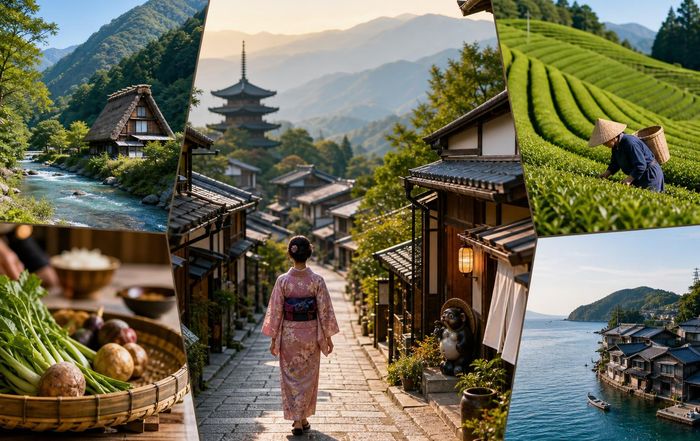
Japan Travel Guide to Regional Cities and Rural Experiences
Japan's global image is often distilled into the neon canyons of Tokyo and the temple-lined streets of Kyoto, yet beyond these icons lies a remarkably diverse country of regional cities, mountain hamlets, coastal fishing towns, and onsen villages that are quietly redefining what travel in Japan can be. For discerning travelers who seek depth over speed and connection over checklists, Japan's regional and rural landscapes offer a powerful reminder that meaningful journeys are as much about people and everyday life as they are about famous sights. As WorldWeTravel continues to spotlight each day, destinations that combine cultural authenticity, environmental responsibility, and human warmth, Japan's lesser-known cities and countryside stand out as some of the most inspiring travel experiences available today.
Why Regional Japan Matters Now
For many years, Japan's tourism narrative revolved around a handful of urban and heritage centers, but demographic shifts, infrastructure investment, and a deliberate push toward sustainable tourism have brought regional areas to the forefront. The Japanese government's tourism strategy, detailed by the Japan National Tourism Organization on its official site at japan.travel, emphasizes dispersing visitors beyond traditional hotspots, both to ease congestion and to revitalize rural economies facing population decline. This policy has encouraged local governments and communities to develop distinctive experiences rooted in local culture, agriculture, craftsmanship, and nature.
Travelers arriving from North America, Europe, and across Asia increasingly seek itineraries that go beyond the classic "Golden Route" of Tokyo, Kyoto, and Osaka. According to data published by the Japan Tourism Agency at mlit.go.jp, regional airports and secondary train hubs have seen rising international usage, aided by expanded air links and the continued development of the high-speed rail network. At the same time, improved English-language resources, from multilingual station signage to online reservation systems and translation apps, have made independent travel to regional Japan far more accessible than it was a decade ago.
For readers of WorldWeTravel, who often plan multi-country journeys or extended stays, this means that exploring beyond the main gateways is no longer a logistical gamble but a practical, rewarding choice. By pairing the site's comprehensive overview of global destinations with the growing body of reliable information on regional Japan, travelers can design routes that balance comfort and adventure, modernity and tradition.
Getting Oriented: Rail, Regional Hubs, and Slow Journeys
Understanding how to move through Japan is essential for unlocking its regional cities and rural experiences. The backbone of long-distance travel remains the Shinkansen, or bullet train, operated by companies such as JR East, JR Central, and JR West. Official route maps and timetables on jreast.co.jp and jr-central.co.jp show how major lines radiate from Tokyo, Osaka, and Fukuoka to serve cities like Kanazawa, Nagano, Hiroshima, and Kagoshima, which then act as gateways to surrounding countryside.
In addition to the Shinkansen, a network of limited express trains, local railways, and buses links smaller cities and rural areas. Sites such as Japan Guide at japan-guide.com and the Japan Rail Pass information portal at japanrailpass.net provide detailed explanations of passes, routes, and sample itineraries, helping visitors plan multi-regional journeys that are both cost-effective and time-efficient. While the nationwide rail pass has undergone price and policy changes in recent years, regional passes offered by the JR companies and private rail operators remain excellent tools for focused exploration.
For travelers who prefer a slower pace or wish to reach more remote valleys and peninsulas, domestic flights, rental cars, and even cycling routes are increasingly well-supported. The Japan Cycling Association and regional tourism boards highlight long-distance cycling trails such as the Shimanami Kaido, while car rental information and driving rules are clearly explained on official platforms like japan-guide.com. By combining these transport options thoughtfully, visitors can move from dynamic regional cities into serene rural landscapes with relative ease, designing trips that align with the flexible, experience-driven ethos promoted on the WorldWeTravel travel hub.
Northern Charms: Hokkaido and Tohoku's Seasonal Landscapes
In the north, the island of Hokkaido and the Tohoku region of Honshu offer some of Japan's most striking seasonal scenery and rural experiences. Cities such as Sapporo, Hakodate, and Asahikawa serve as gateways to national parks, hot spring villages, and agricultural communities where local life is deeply attuned to the rhythm of the seasons.
Hokkaido's vast spaces and cooler climate make it a favorite for outdoor enthusiasts. The Japan National Tourism Organization highlights Daisetsuzan National Park, Furano's flower fields, and the winter landscapes of eastern Hokkaido on japan.travel, all of which are accessible via regional trains and buses. In smaller towns, visitors can stay at family-run pensions and farm inns, tasting dairy products, vegetables, and seafood that underscore Hokkaido's role as one of Japan's primary agricultural regions. These experiences resonate with travelers who value the kind of family-friendly, nature-based trips explored in the WorldWeTravel family section, where shared outdoor activities and simple, hearty meals become lasting memories.
Further south, Tohoku's regional cities such as Sendai, Aomori, and Akita are known for their festivals, onsen towns, and resilient communities that have rebuilt and reimagined themselves following the 2011 earthquake and tsunami. Official tourism sites like tohokukanko.jp and the Miyagi Prefecture portal at visitmiyagi.com showcase rural homestays, sake brewery tours, and coastal walks that allow guests to engage respectfully with local history and contemporary life. In mountain areas such as Yamagata's Ginzan Onsen, traditional wooden ryokan line narrow streets lit by gas lamps, offering a tangible sense of stepping back in time without sacrificing modern comfort.
The Heart of Honshu: Kanazawa, Nagano, and the Japanese Alps
Central Honshu is home to a constellation of mid-sized cities and alpine villages that together form one of Japan's most compelling regions for travelers seeking culture, nature, and rural hospitality. Kanazawa, on the Sea of Japan coast, has emerged as a prominent cultural city, known for its well-preserved samurai and geisha districts, the celebrated Kenrokuen Garden, and contemporary art installations. The city's official tourism site at visitkanazawa.jp provides extensive information on walking routes, craft workshops, and seasonal events, while also highlighting nearby rural areas such as Noto Peninsula fishing villages and Kaga onsen towns.
From Kanazawa, travelers can journey inland to the Japanese Alps, where Nagano, Matsumoto, and Takayama act as launching points for mountain valleys, historic post towns, and farm communities. The Nagano Prefecture tourism portal at go-nagano.net details experiences ranging from snow sports and hiking to temple lodgings and apple orchard visits. In the Kiso Valley, the preserved Nakasendo post towns of Magome and Tsumago offer an opportunity to walk stretches of the old highway that once linked Kyoto and Edo, staying in wooden inns where multi-course home-style dinners are served by hosts who often have deep roots in the community.
These journeys align naturally with the kind of immersive, culturally rich routes highlighted in the recommended WorldWeTravel culture section, where travelers are encouraged to slow down, walk historic paths, and engage with artisans, monks, and farmers. The Japanese Alps region also illustrates how regional Japan is adapting to contemporary sustainability concerns, with many accommodations and tour operators promoting low-impact hiking, waste reduction, and the preservation of traditional building techniques.
Coastal Cities and Island Rhythms: Setouchi and Shikoku
Along the Inland Sea, the Setouchi region and the island of Shikoku present a different face of regional Japan, characterized by mild climates, art-filled islands, and pilgrimage routes that wind through rural landscapes. The Setouchi area, which includes cities such as Hiroshima, Okayama, and Takamatsu, has gained international attention for the Setouchi Triennale art festival and the transformation of islands like Naoshima and Teshima into contemporary art destinations. The official Setouchi tourism site at setouchitrip.com describes how local communities, artists, and businesses collaborate to repurpose old schools and houses into galleries, guesthouses, and cafés, creating a model of cultural regeneration that balances visitor interest with everyday life.
Shikoku, the smallest of Japan's four main islands, is best known for the 88-temple pilgrimage associated with the monk Kūkai. Modern travelers, including many from Europe and North America, often walk or cycle sections of this route, staying in simple lodgings and rural inns along the way. The Shikoku Tourism Board at shikoku-tourism.com offers practical guidance on route planning, accommodation, and etiquette, emphasizing the importance of respect for religious sites and local residents. Away from the pilgrimage, Shikoku's valleys, such as the Iya Valley, feature vine bridges, thatched farmhouses, and terraced fields that evoke a more secluded, timeless Japan.
For readers of WorldWeTravel who are drawn to retreats and contemplative journeys, the combination of coastal art islands and spiritual walking routes offers an appealing framework for travel that nourishes both body and mind. The WorldWeTravel retreat page explores similar themes globally, and Japan's Setouchi and Shikoku regions fit naturally into that growing landscape of restorative, reflective travel.
Kyushu and the Power of Hot Springs, Food, and Community
In the southwest, Kyushu blends volcanic landscapes, hot spring culture, and dynamic regional cities into a compelling mosaic. Fukuoka, the island's largest city, is renowned for its street food stalls, or yatai, and its role as a gateway to both rural Kyushu and international destinations across East Asia. The city's official tourism site at yokanavi.com emphasizes its culinary scene, waterfront developments, and easy access to nearby onsen towns and agricultural regions.
Further south, Oita Prefecture's Beppu and Yufuin have long been famous for their hot springs, with the Japan Hot Springs Association at spa.or.jp listing many of the country's notable onsen areas, including those in Kyushu. In recent years, smaller onsen villages and rural communities have sought to differentiate themselves through wellness-focused retreats, farm-to-table dining, and creative collaborations between local residents and urban entrepreneurs. Kagoshima, with its active volcano Sakurajima, and Kumamoto, known for its castle and surrounding farmland, offer additional entry points into Kyushu's rural heart.
These developments align closely with the rising global interest in wellness and health-conscious travel. Resources such as the World Health Organization's guidance on healthy lifestyles at who.int and research on the benefits of nature immersion and hot spring bathing, published in peer-reviewed journals accessible via PubMed, support the idea that time spent in quiet, natural environments can contribute meaningfully to physical and mental well-being. For smart visitors inspired by the WorldWeTravel health section, Kyushu's integration of traditional bathing culture, local cuisine, and community-based hospitality presents a holistic approach to travel that goes beyond sightseeing.
Rural Stays, Farm Experiences, and Community-Based Tourism
One of the most significant shifts in Japan's tourism landscape has been the growth of farm stays, homestays, and other forms of community-based tourism that invite guests into the daily rhythms of rural life. These initiatives are often supported by local governments, non-profit organizations, and national programs aimed at revitalizing depopulated areas. The Japan National Tourism Organization provides an overview of agritourism and rural experiences at japan.travel, highlighting opportunities to harvest rice, pick fruit, learn traditional cooking, or participate in local festivals.
Independent organizations such as WWOOF Japan at wwoofjapan.com connect volunteers with organic farms and smallholdings, offering longer-term stays in exchange for work and cultural exchange. While this model requires a higher level of commitment and flexibility than conventional travel, it can be a transformative way to understand rural Japan from the inside, particularly for younger travelers or those on extended sabbaticals.
For families, shorter farm stays and hands-on workshops provide accessible ways to introduce children to agriculture, sustainability, and intercultural understanding. The WorldWeTravel eco section emphasizes the importance of low-impact, educational travel, and Japan's rural regions offer many examples where visitors can directly support local producers by staying on their land, buying their products, and sharing their stories with the wider world.
Sustainable and Responsible Travel in Regional Japan
As visitor numbers have grown, so has awareness of the environmental and social impact of tourism. Japanese authorities, local communities, and private-sector partners are increasingly focused on sustainability. The Japan Tourism Agency has published guidelines on sustainable tourism development, accessible via mlit.go.jp, which encourage destination management, capacity control, and the preservation of cultural and natural heritage. Many regional cities and rural areas now promote off-peak travel, longer stays, and experiences that distribute visitors across multiple sites rather than concentrating them in a few famous spots.
International frameworks such as those developed by the Global Sustainable Tourism Council at gstcouncil.org and the United Nations World Tourism Organization at unwto.org provide benchmarks and certification schemes that Japanese destinations can adopt or adapt. While implementation varies, travelers can increasingly look for indicators such as local sourcing, waste reduction initiatives, and community involvement when choosing accommodations and activities.
For readers planning trips through WorldWeTravel, aligning personal choices with these principles is both practical and impactful. Opting for locally owned ryokan and guesthouses, using public transport where feasible, and supporting small-scale artisans and farmers can help ensure that tourism revenue remains within the community. The WorldWeTravel tips page offers general advice on responsible travel, which can be readily applied to regional Japan, from packing reusable items to learning basic Japanese phrases that demonstrate respect and facilitate connection.
Technology, Connectivity, and the Future of Regional Travel
Japan's reputation for advanced technology has long been associated with urban centers, yet digital tools are increasingly shaping how travelers interact with regional and rural areas as well. Local governments and tourism boards have invested in multilingual websites, digital maps, and reservation systems that make it easier to book rural lodgings, navigate bus routes, and discover lesser-known attractions. The Japan Travel app by JNTO, detailed at japan.travel/en/plan/japan-travel-app, offers offline maps, route planning, and safety alerts, bridging the gap between major cities and smaller communities.
At the same time, improvements in mobile coverage and the proliferation of pocket Wi-Fi and eSIM options, explained on technology-focused sites such as techradar.com and cnet.com, have made it easier for travelers to stay connected, work remotely, and share their experiences in real time. This connectivity supports the rise of "workations," in which professionals spend extended periods in rural areas while maintaining their careers online. Municipalities from Nagano to Kochi have created co-working spaces and incentive programs to attract remote workers, a trend that aligns closely with the flexible work patterns explored in the WorldWeTravel work section and the broader conversation about how travel, technology, and lifestyle intersect, as discussed in detail on WorldWeTravel's technology page.
Looking ahead, regional Japan is likely to play an even more central role in the country's tourism and economic strategies. Efforts to develop resilient local economies, diversify visitor flows, and harness digital tools while preserving cultural integrity reflect a broader global movement toward more thoughtful, sustainable travel. For international visitors, this evolution translates into a richer array of options, from art islands and pilgrimage routes to farm stays and hot spring retreats, all connected by reliable infrastructure and increasingly accessible information.
Crafting a Personal Journey through Regional Japan
Designing a journey through Japan's regional cities and rural landscapes involves more than plotting points on a map; it requires an openness to slower rhythms, local customs, and unplanned encounters. Travelers might begin with a regional hub such as Kanazawa, Fukuoka, or Sapporo, then venture outward to onsen towns, mountain valleys, or coastal villages, staying long enough in each place to develop a sense of its character. Incorporating seasonal considerations, such as cherry blossoms in Tohoku, summer festivals in Shikoku, autumn foliage in the Japanese Alps, or winter snows in Hokkaido, adds further depth and variety.
Practical information from sources like japan-guide.com, japan.travel, and regional tourism websites can be combined with the broader perspective offered by WorldWeTravel, which situates Japan within a global tapestry of destinations and themes. The site's newly updated pages on destinations, travel styles, eco-conscious journeys, and economic insights help readers understand not only where to go, but why these choices matter for local communities and the planet.
In an era when travelers are increasingly mindful of their impact and more inclined to seek experiences that enrich both themselves and the places they visit, regional Japan stands as a compelling example of how tradition, innovation, and hospitality can coexist. By stepping beyond the familiar icons and embracing the quiet beauty of small cities, villages, and farms, visitors can discover a Japan that is at once deeply rooted and forward-looking, offering inspiration not only for future journeys but for more connected, conscious ways of living.