

The Family Holiday Bucket List: A Strategic Guide for Modern Travelers
Family travel in 2026 has evolved into far more than an annual break from work and school; for many readers of WorldWeTravel.com, it has become a strategic investment in shared memories, cultural literacy, resilience, and even children's future readiness for a globalized world. As travel infrastructure, digital tools, and sustainability expectations advance, families in the United States, the United Kingdom, Germany, Canada, Australia, and across Europe and Asia are planning holidays with the same care they devote to financial portfolios or education choices. This comprehensive guide reimagines the family holiday bucket list for a post-pandemic, tech-enabled, and sustainability-conscious era, drawing on global best practices and curated destinations to help families design journeys that are safe, enriching, and deeply memorable.
At WorldWeTravel.com, family travel is not treated as a generic category but as an integrated experience that touches destinations, culture, health, technology, and the global economy. Readers exploring our dedicated sections on destinations, family travel, business and work, eco-conscious trips, and practical travel tips increasingly seek itineraries that balance adventure with safety, learning with leisure, and sustainability with comfort. The following sections outline key themes and exemplary trips that can form the backbone of a modern family holiday bucket list.
Adventure-Focused Journeys for Active Families
For families who thrive on physical activity and shared challenges, adventure travel remains one of the most effective ways to build confidence, teamwork, and resilience in children and adults alike. In 2026, advances in safety standards, digital navigation tools, and climate-aware tourism policies have made many classic adventure destinations more accessible and responsible, while still preserving their sense of wonder.
African Safaris: Immersive Wildlife and Conservation Awareness
A well-planned African safari continues to be one of the most transformative experiences a family can share, especially when it is approached as a serious educational immersion in ecology and conservation rather than a simple sightseeing trip. Iconic regions such as the Serengeti in Tanzania, Kruger National Park in South Africa, and the Maasai Mara in Kenya allow families to witness elephants, lions, giraffes, and rhinos in their natural habitats, while also exposing them to the complex realities of habitat loss, community livelihoods, and anti-poaching efforts.
Families can review current conservation status and park management practices through organizations such as the World Wildlife Fund and the International Union for Conservation of Nature before booking, ensuring that their choice of lodge or tour operator aligns with recognized sustainability standards. Many lodges now partner with local communities and conservation NGOs, offering child-friendly talks from rangers, visits to community projects, and structured junior ranger programs that help younger travelers understand how tourism revenue supports wildlife protection. For those assessing health and safety considerations, especially when traveling with children to malaria-prone areas, guidance from bodies such as the World Health Organization and national health agencies is an essential part of responsible planning.
National Parks in the United States: Outdoor Classrooms at Scale
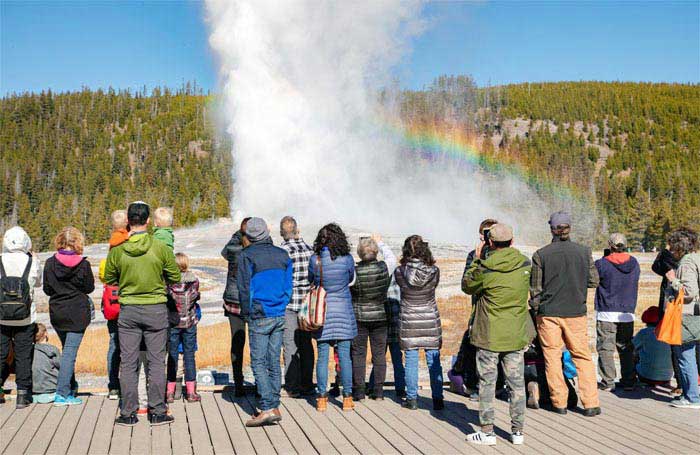
For families based in or traveling to North America, the national parks of the United States offer world-class adventure experiences within a robust framework of safety, interpretation, and infrastructure. Parks such as Yellowstone National Park, Yosemite National Park, and Grand Canyon National Park remain flagship destinations, combining spectacular landscapes with well-developed visitor centers, ranger-led programs, and junior ranger activities that turn outdoor exploration into structured learning.
Planning tools from the U.S. National Park Service allow parents to map out age-appropriate hikes, identify accessible trails and viewpoints, and understand seasonal conditions that may affect road access or wildfire risk. Yellowstone's geothermal features enable families to explore geology and geothermal science, Yosemite's granite cliffs and waterfalls provide a natural setting for discussions on climate change and glacial history, while the Grand Canyon's layered rock formations offer a tangible introduction to deep time and earth science. For families balancing adventure with remote work, many gateway towns now provide coworking spaces and reliable connectivity, making it easier to combine extended stays with professional responsibilities, an emerging pattern explored in our work and travel insights.
Marine Exploration on the Great Barrier Reef
The Great Barrier Reef in Australia remains a benchmark destination for families fascinated by marine ecosystems, though its inclusion on any bucket list now carries an added layer of responsibility. With reef health under pressure, families are increasingly choosing operators that comply with the Great Barrier Reef Marine Park Authority guidelines and support coral restoration or citizen science projects. Snorkeling and diving excursions allow older children and teenagers to see vibrant coral gardens, sea turtles, rays, and reef fish, while glass-bottom boat tours and underwater observatories provide alternatives for younger children or non-swimmers.
The nearby Daintree Rainforest, often described as one of the oldest rainforests on Earth, offers additional opportunities to explore biodiversity and Indigenous culture. Families can deepen their understanding of reef and rainforest conservation through resources from the UNESCO World Heritage Centre and by engaging with local Indigenous-owned tour operators who integrate traditional ecological knowledge into their programs. For those considering longer stays, our coverage of eco-conscious retreats highlights how to combine marine adventures with low-impact accommodations and wellness-oriented itineraries.
Skiing in the Alps: Multi-Generational Winter Experiences
Alpine skiing remains a cornerstone of winter travel for families from the United Kingdom, Germany, France, Switzerland, the Netherlands, and the Nordic countries, as well as international visitors from North America and Asia. Resorts across Switzerland, France, Austria, and Italy now offer more structured family programs, including multi-level ski schools, childcare services, and adaptive skiing for travelers with disabilities, all underpinned by increasingly sophisticated safety protocols and avalanche management.
Families researching options can consult organizations such as Switzerland Tourism or France Montagnes to compare resort profiles, snow reliability, and off-slope activities. Many resorts have invested in year-round infrastructure, offering sledding, ice skating, winter hiking, and wellness centers that cater to non-skiers or multi-generational groups. With climate change affecting snow patterns, families are encouraged to look at elevation, snowmaking capacity, and sustainability policies, aligning their choices with broader commitments to responsible travel, a theme regularly explored in our global and economy coverage.
Cultural Immersion and Historical Learning
As global mobility has expanded, families are increasingly prioritizing cultural literacy and historical understanding when planning holidays. Rather than simply visiting iconic sites, many parents seek itineraries that encourage children to engage with local communities, learn basic phrases in new languages, and appreciate how history shapes contemporary societies.
Ancient Rome: Living History in the Heart of Italy
Rome remains a cornerstone of any culturally oriented family bucket list, offering a dense concentration of historical and religious landmarks within a walkable urban environment. Sites such as the Colosseum, the Roman Forum, and the Pantheon provide a tangible framework for discussing the Roman Empire, engineering, governance, and daily life in antiquity. Families can prepare by exploring digital reconstructions and educational resources from institutions like the British Museum, enabling children to arrive with context and curiosity.
The Vatican City, including St. Peter's Basilica and the Sistine Chapel, introduces themes of art history, religion, and global influence, with the Vatican Museums offering pre-booked family-friendly tours that reduce queuing and crowd stress. Beyond monuments, Rome's neighborhoods, markets, and family-run trattorias allow travelers to experience contemporary Italian culture, from food traditions to local festivals. Our readers often combine Rome with other Italian destinations highlighted in our destinations hub, crafting itineraries that balance urban exploration with coastal or countryside retreats.
Japan's Heritage: Tradition and Technology in Balance
Japan offers one of the most compelling blends of ancient tradition and cutting-edge innovation, making it a powerful destination for families interested in both culture and technology. Cities such as Kyoto, Nara, and Kanazawa present a rich tapestry of temples, shrines, gardens, and historic districts, where families can participate in tea ceremonies, kimono fittings, and calligraphy workshops. The Japan National Tourism Organization provides extensive guidance on family-friendly routes, seasonal highlights, and cultural etiquette that helps visitors engage respectfully with local customs.
Tokyo, Osaka, and Yokohama add a contemporary layer, with immersive digital art museums, anime and gaming districts, and high-tech attractions that align well with the interests of digitally native children and teenagers. For families interested in the intersection of technology, transport, and sustainability, the Shinkansen high-speed rail network offers a practical demonstration of efficient, low-emission mobility, a topic often explored in our coverage of travel technology. Visits to science museums, robotics exhibitions, and innovation hubs can complement temple visits, creating a holistic narrative about how Japan balances heritage with future-focused development.
Athens and the Foundations of Western Thought
Athens, often described as the cradle of Western civilization, provides a compact and accessible environment for families seeking to understand the roots of democracy, philosophy, and classical art. The Acropolis and its surrounding archaeological sites serve as a physical gateway to discussions about governance, citizenship, and the evolution of urban life. The Acropolis Museum and the National Archaeological Museum of Athens offer curated exhibits and family programs that help demystify ancient artifacts and link them to contemporary life.
Beyond the classical core, modern Athens showcases vibrant street art, evolving culinary trends, and a dynamic cafe culture, illustrating how a city with deep historical roots continues to reinvent itself. Families can integrate day trips to nearby coastal areas or islands, combining cultural exploration with beach relaxation, and can use our culture-focused insights to design itineraries that balance museums with lived experiences of Greek hospitality and daily routines.
Morocco: Crossroads of Africa, Europe, and the Arab World
For families seeking a culturally diverse and sensory-rich experience within manageable flight times from Europe, Morocco offers an accessible entry point into North African and Arab cultures. Cities such as Marrakech, Fez, and Casablanca present a layered blend of historic medinas, palaces, riads, and gardens, where families can navigate souks, observe artisans at work, and sample regional cuisine. The Moroccan National Tourist Office provides updated information on family-friendly accommodations, safety, and regional highlights.
Travelers can extend their journeys to the Atlas Mountains or the fringes of the Sahara Desert, where camel rides, desert camps, and Berber cultural experiences introduce children to different ways of life and landscapes. These experiences can be framed within broader discussions of trade routes, colonial history, and contemporary economic development, topics that resonate strongly with globally aware families and align with our analyses in the global travel and economy section.
Relaxing Beach and Island Escapes
While adventure and cultural immersion are important, many families still seek periods of pure relaxation, where the primary agenda is unstructured time together by the sea. In 2026, beach destinations are increasingly evaluated not only for their beauty and amenities but also for their environmental management, health infrastructure, and suitability for multi-generational groups.
Hawaii: Integrated Nature, Culture, and Wellness
The Hawaiian Islands remain a benchmark for family beach holidays, particularly for travelers from the United States and Canada. Oahu's Waikiki offers a combination of accessible beaches, surf lessons, and cultural attractions such as the Polynesian Cultural Center and Pearl Harbor National Memorial, enabling families to weave together leisure and learning. Maui's Kaanapali and Wailea regions provide resort-based comfort with access to snorkeling, whale watching in season, and the scenic Road to Hana, while the Island of Hawai'i adds volcanic landscapes and stargazing atop Mauna Kea.
Given Hawaii's unique ecosystems and Indigenous heritage, families are increasingly encouraged to learn about responsible visitor behavior through resources from the Hawai'i Tourism Authority and local community organizations. Many resorts now integrate cultural programming, from hula lessons to storytelling sessions, helping children appreciate the depth of Hawaiian culture beyond surface-level imagery, and aligning with the wellness and retreat-oriented experiences we highlight in our health and retreat coverage.
Caribbean Islands: Tailored Experiences Across a Diverse Region
The Caribbean continues to attract families from North America, Europe, and beyond, but the region is far from homogeneous. The Bahamas, Jamaica, the Dominican Republic, Barbados, and other island nations each offer distinct combinations of beaches, cultural heritage, and resort infrastructure. Families can use regional overviews from organizations such as the Caribbean Tourism Organization to compare destinations based on flight access, hurricane season risk, and family-focused amenities.
All-inclusive resorts in the Dominican Republic and Jamaica provide structured children's programs, water parks, and entertainment, appealing to families seeking predictability and value. Meanwhile, smaller boutique properties in islands like St. Lucia or Antigua may appeal to those looking for quieter stays and more personalized service. As climate resilience becomes an increasingly important consideration, families are advised to review how properties address coastal erosion, waste management, and community engagement, aligning their choices with the sustainable travel principles discussed in our eco-travel section.
Thailand's Coasts and Islands: Asian Hospitality Meets Coastal Beauty
Thailand's beaches and islands, from Phuket and Krabi to Koh Samui and the Phi Phi archipelago, continue to attract families from Asia-Pacific, Europe, and North America. These destinations combine dramatic limestone cliffs, warm waters, and extensive hospitality infrastructure with rich cultural backdrops. Families can access up-to-date travel and safety information through the Tourism Authority of Thailand, ensuring that their chosen island or coastal town offers the right balance of tranquility, activities, and healthcare access.
Popular activities such as snorkeling, island-hopping, and visits to local markets can be complemented by temple visits, cooking classes, and introductions to Thai customs, helping children understand the cultural context of the places they enjoy. As marine ecosystems face pressure from overtourism, families are encouraged to choose operators who follow guidelines from organizations like the UN Environment Programme on sustainable marine tourism.
Greek Islands: Mediterranean Charm with Historical Depth
For European families and international travelers alike, the Greek Islands offer a compelling combination of accessible beaches, historical sites, and distinctive local character. Santorini, with its caldera views and white-washed architecture, continues to attract visitors, though families may find more space and child-friendly beaches on larger islands such as Crete, Rhodes, or Naxos. The Greek National Tourism Organization provides detailed island profiles, allowing travelers to assess ferry connections, medical facilities, and seasonal crowd patterns.
Many families combine island stays with time in Athens or Thessaloniki, weaving together beach relaxation with exposure to ancient and Byzantine history, contemporary Greek culture, and regional cuisine. This integrated approach supports a more rounded understanding of Greece as both a modern European nation and a custodian of some of the world's most influential cultural heritage, a perspective that aligns with our broader emphasis on culture-rich global travel.
Educational and Science-Focused Journeys
In 2026, many parents view travel as an extension of their children's education, seeking destinations that reinforce classroom learning in science, technology, engineering, arts, and mathematics. These trips can be structured around museums, research centers, and interactive experiences that make complex topics accessible and exciting.
Smithsonian Museums in Washington, D.C.: A National Learning Hub
The Smithsonian Institution in Washington, D.C. remains one of the most comprehensive educational resources available to families, with museums covering air and space, natural history, American history, African American history and culture, and more. The Smithsonian Institution website allows families to plan visits based on children's interests, whether that means focusing on dinosaurs and geology, aviation and spaceflight, or social history and civil rights.
Interactive exhibits, hands-on activities, and structured programs help transform museum visits from passive observation into active learning experiences. Families can complement museum time with visits to national monuments and government buildings, using resources from the U.S. Capitol Visitor Center and the National Park Service to frame discussions about governance, democracy, and civic responsibility.
Kennedy Space Center: Space Exploration as Family Inspiration
For families fascinated by space, rockets, and the future of human exploration, the Kennedy Space Center Visitor Complex in Florida offers an immersive experience that bridges history and current missions. Visitors can explore rocket gardens, tour launch facilities, and engage with interactive simulations that explain orbital mechanics, astronaut training, and mission planning. The NASA website provides detailed background on missions and educational materials that families can review before and after their visit.
Meeting astronauts, viewing real spacecraft, and learning about the Artemis program and commercial spaceflight initiatives can be particularly inspiring for children considering STEM careers. Families often combine Kennedy Space Center with time in Orlando's theme parks or Florida's Atlantic beaches, using our family travel guidance to balance high-energy days with rest and recovery.
Science and Discovery in London
London offers a concentrated cluster of world-class museums that make it an ideal destination for science-focused family travel. The Science Museum and the Natural History Museum in South Kensington feature interactive galleries on topics ranging from robotics and climate change to paleontology and human evolution, while the Royal Observatory Greenwich allows families to explore astronomy, navigation, and the history of timekeeping.
These experiences can be integrated with visits to the British Library, the Museum of London, and urban green spaces, creating a multidimensional picture of how science, history, and urban development intersect. For families considering extended stays that blend travel with remote work and schooling, London's connectivity and infrastructure make it an attractive base, a topic we explore further in our business travel and work features.
Monterey Bay Aquarium: Marine Science in Action
On the U.S. West Coast, the Monterey Bay Aquarium in California stands out as a leader in marine science education and conservation communication. Families can explore exhibits on kelp forests, deep-sea ecosystems, and coastal habitats, while interactive displays and live feedings help children grasp complex ecological relationships. The aquarium's official site offers pre-visit educational resources and post-visit activities that extend learning beyond the physical trip.
Located along the scenic Pacific Coast, Monterey also serves as a gateway to whale watching, coastal hikes, and visits to nearby towns such as Carmel-by-the-Sea and Santa Cruz. This combination of structured learning and unstructured coastal exploration aligns well with the holistic travel philosophy many WorldWeTravel.com readers embrace, where every trip is an opportunity to connect leisure, education, and environmental awareness.
Unique and Unconventional Family Holidays
As family travel matures, many households are seeking experiences that go beyond standard resort stays or city breaks, favoring journeys that offer novelty, introspection, or direct contribution to communities and ecosystems.
Houseboat Holidays: Slow Travel on Waterways
Houseboat holidays on waterways such as Lake Powell in the United States, the canals of France, or the backwaters of Kerala in India provide a distinctive form of slow travel, where the journey itself becomes the central experience. Families can chart their own routes, anchor in secluded coves, and manage daily routines in a compact, shared space, fostering teamwork and adaptability. Resources from organizations like BoatUS or regional boating associations help first-time travelers understand safety protocols, navigation basics, and licensing requirements.
This style of travel encourages digital disconnection and close observation of surrounding landscapes and communities, making it particularly appealing to families seeking a reset from high-intensity urban or corporate environments. It also pairs well with wellness and mindfulness practices, themes that we explore in depth in our retreat and wellness coverage.
Glamping: Comfort-Driven Immersion in Nature
Glamping, or glamorous camping, has matured from a niche trend into a global category of accommodations that combine natural settings with comfort, design, and often, sustainability. From safari tents in Yellowstone or Yosemite to treehouses in Scandinavia and eco-lodges in South Africa, glamping allows families to immerse themselves in nature without sacrificing reliable beds, heating, and private bathrooms. Platforms and organizations such as National Geographic frequently showcase exemplary properties that prioritize environmental stewardship and community engagement.
For families introducing children to camping, glamping can serve as an accessible first step, reducing logistical barriers while still offering campfires, stargazing, and wildlife encounters. This approach aligns with the broader movement toward experiential, low-impact travel discussed across our eco and travel tips sections.
Ice Hotels and Arctic Adventures
Ice hotels in Sweden, Norway, Finland, and Canada offer some of the most unconventional family experiences available, turning sub-zero conditions into a canvas for creativity and adventure. Structures built from ice and snow feature sculpted rooms, ice bars, and communal spaces that change shape each season, making each visit unique. Visitors can complement overnight stays with dog sledding, snowshoeing, ice fishing, and Northern Lights excursions, using resources from organizations such as Visit Sweden or Visit Norway to plan logistics and seasonal timing.
Given the sensitivity of Arctic environments to climate change, families are encouraged to understand the environmental footprint of their trips and to choose operators who adhere to guidelines from bodies such as the Arctic Council. This awareness can form the basis for meaningful conversations with children about global warming, Indigenous rights, and the interconnectedness of global ecosystems.
Volunteering and Purpose-Driven Travel
Volunteering holidays, when approached with care and due diligence, can provide families with opportunities to contribute to community development, wildlife conservation, or environmental restoration while traveling. Destinations such as Costa Rica, South Africa, Nepal, and Thailand host projects ranging from sea turtle monitoring and habitat restoration to community education and sustainable agriculture. Families can evaluate potential programs through organizations such as Volunteer World or guidelines from the Center for Responsible Travel, ensuring that their participation supports locally led initiatives rather than displacing local workers or reinforcing dependency.
Purpose-driven travel can be particularly impactful for teenagers, fostering empathy, cross-cultural understanding, and a sense of agency. These experiences often integrate well with broader itineraries that include more conventional sightseeing or relaxation, and they resonate strongly with the values-driven approach to travel that many WorldWeTravel.com readers embrace.
Integrating Strategy, Safety, and Meaning in Family Travel
By 2026, family holidays have become a sophisticated domain in which parents balance risk management, educational value, budget constraints, and sustainability considerations. Health and safety guidance from bodies such as the Centers for Disease Control and Prevention, economic and currency information from the International Monetary Fund, and real-time travel updates from national tourism boards all play a role in responsible planning. At the same time, families are increasingly aware that the most memorable journeys are not necessarily the most expensive or distant, but those that are thoughtfully aligned with their values, interests, and long-term aspirations.
On WorldWeTravel.com, the aim is to help readers move beyond generic bucket lists and instead design coherent travel portfolios that evolve as children grow, careers develop, and global conditions change. Whether the focus is on adventure in Africa and the Alps, cultural immersion in Rome, Tokyo, Athens, and Marrakech, relaxation in Hawaii, the Caribbean, Thailand, and the Greek Islands, or educational and unconventional experiences from Washington, D.C. to the Arctic, each trip can be curated as a deliberate chapter in a family's shared story.
By leveraging the insights available across our sections on travel, family, culture, eco and sustainability, and practical tips, families can approach the coming years of travel with clarity, confidence, and a renewed sense of purpose, ensuring that their 2026 holiday bucket list becomes a catalyst for growth, connection, and lifelong curiosity.