

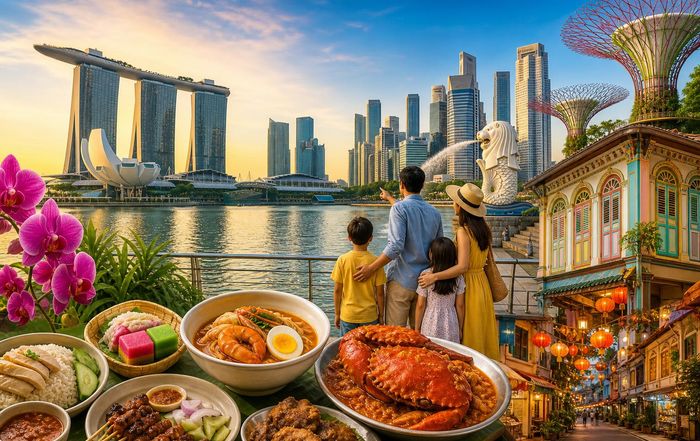
Singapore Travel Guide for Food, Culture and Family Fun
Singapore has long held a special place in the imagination of travellers who love food, culture and family-friendly exploration, and in recent years the city-state has deepened its reputation as one of the most welcoming and well-organised urban destinations in the world. For well travelled readers coming here, Singapore offers a rare combination: a city that feels futuristic yet intimate, efficient yet relaxed, and global in its outlook while still deeply rooted in local traditions. From hawker centres and heritage districts to nature parks and waterfront playgrounds, this compact island is designed for discovery, and it rewards those who take the time to look beyond the skyline.
Why Singapore Belongs on Every Traveller's Shortlist
Singapore's appeal rests on a unique blend of safety, cleanliness, cultural diversity and culinary excellence, supported by a transport system that makes getting around remarkably easy for visitors of all ages. The city's Changi Airport regularly tops global rankings from sources such as Skytrax and has become a destination in itself with attractions like the Jewel Changi Airport complex and its indoor waterfall, the Rain Vortex. This high standard of infrastructure extends throughout the city, where the Mass Rapid Transit (MRT) network and clearly signed pedestrian routes make navigation straightforward for first-time visitors and families with children.
Travel advisories from organisations such as the UK Foreign, Commonwealth & Development Office and the U.S. Department of State consistently highlight Singapore's low crime rates and strong rule of law, which contributes to a general sense of security for travellers. At the same time, the city's multicultural population, with significant Chinese, Malay, Indian and Eurasian communities, gives rise to a rich calendar of festivals and a culinary landscape that reflects centuries of migration and trade.
For travellers planning their next itinerary with WorldWeTravel, Singapore can serve as a stand-alone urban escape or as a gateway to wider Southeast Asia, thanks to its extensive air connections and regional ferry links that are highlighted in many global travel overviews.
Understanding Singapore's Cultural Mosaic
Singapore's cultural fabric is often described as a tapestry woven from different ethnic and religious threads. Visitors quickly encounter this diversity in neighbourhoods such as Chinatown, Little India and Kampong Gelam, each of which has evolved from historic enclaves into living cultural districts that still retain a distinct character.
In Chinatown, traditional shophouses sit alongside temples and modern cafés, with landmarks such as the Buddha Tooth Relic Temple and Thian Hock Keng Temple reflecting Chinese religious and architectural traditions. Detailed background on these sites can be found through resources like the National Heritage Board, which documents Singapore's built heritage and intangible cultural practices.
Little India, centred around Serangoon Road, offers a different sensory experience, with colourful façades, flower garlands, spice shops and the impressive Sri Veeramakaliamman Temple. Visitors interested in understanding the history and evolution of this district can consult guides from Singapore Tourism Board, accessible via VisitSingapore, which provide curated walking routes and historical context.
Kampong Gelam, historically associated with the Malay and Muslim communities, is anchored by the golden dome of Sultan Mosque and framed by streets such as Haji Lane and Arab Street, where visitors find textile shops, traditional eateries and contemporary street art. The coexistence of heritage businesses and modern boutiques illustrates Singapore's broader approach to cultural preservation and renewal, a topic explored by organisations like UNESCO in their coverage of Singapore's intangible cultural heritage, including hawker culture.
For readers of WorldWeTravel, these districts invite more than quick photo stops; they reward slow exploration, conversations with local shopkeepers and visits timed to coincide with major festivals such as Chinese New Year, Deepavali and Hari Raya Aidilfitri, which are often profiled in depth on cultural-focused pages like WorldWeTravel's culture section.
The Hawker Culture: Singapore's Culinary Heart
Any serious guide to Singapore must start with food, and in this city the heart of culinary life beats in its hawker centres. These open-air food courts, found in almost every neighbourhood, bring together stalls specialising in dishes that have been refined over decades, from Hainanese chicken rice and laksa to roti prata and satay. In 2020, UNESCO added Singapore's hawker culture to its Representative List of the Intangible Cultural Heritage of Humanity, recognising the social and cultural role of these spaces.
Well-known hawker centres such as Maxwell Food Centre, Lau Pa Sat, Old Airport Road Food Centre and Tiong Bahru Market attract both locals and visitors, with some stalls earning accolades from sources like the Michelin Guide. While star ratings can draw attention, many of the most rewarding meals come from unassuming stalls where recipes have been passed down through generations, and where the queues of local diners often serve as a reliable guide.
Singapore's government agencies, including the National Environment Agency (NEA), provide transparent information on food hygiene ratings and licensing for hawker stalls, which can be consulted via the NEA website. This regulatory framework, combined with a strong culture of culinary pride, helps maintain high standards of food safety, an important consideration for families and travellers with dietary concerns.
For those planning where to stay and dine, WorldWeTravel often recommends pairing visits to hawker centres with nearby accommodation options, which can be explored through resources like WorldWeTravel's hotels guide, allowing travellers to build itineraries that keep them close to both cultural attractions and renowned food hubs.
Beyond Hawkers: Fine Dining, Cafés and Emerging Food Trends
Although hawker centres embody the soul of Singaporean food culture, the city's dining scene extends far beyond street-level fare. Singapore is home to a significant number of fine-dining restaurants that regularly appear on lists such as Asia's 50 Best Restaurants, showcasing both international and regionally inspired cuisines. Establishments led by chefs like Julien Royer of Odette have earned multiple Michelin stars, while innovative venues experiment with modern interpretations of Peranakan, Malay and Chinese dishes.
The city has also embraced the global café culture, with neighbourhoods such as Tiong Bahru, Joo Chiat and Robertson Quay hosting specialty coffee shops and brunch spots that cater to both residents and visitors. Publications like Time Out Singapore and The Straits Times regularly review new openings, offering up-to-date insights into emerging trends, from plant-based menus to zero-waste concepts.
In parallel, there is growing interest in sustainable and locally sourced food, with initiatives supported by agencies such as the Singapore Food Agency (SFA), which promotes the city-state's "30 by 30" goal to build up local food production by 2030, as described on the SFA website. This push toward food resilience aligns with the broader sustainability interests of WorldWeTravel readers, who can explore more about responsible dining and eco-conscious travel in the site's expert eco-focused content.
Family Fun: Attractions for All Ages
Singapore excels at creating experiences that appeal simultaneously to children and adults, making it a particularly attractive destination for multigenerational trips and family holidays. The flagship example is Sentosa Island, a resort enclave accessible by road, cable car or monorail, which brings together beaches, theme parks, nature attractions and hotels. Attractions such as Universal Studios Singapore, S.E.A. Aquarium and Adventure Cove Waterpark are operated by Resorts World Sentosa, and their official information can be verified through Resorts World Sentosa's website.
Beyond Sentosa, the Singapore Zoo, Night Safari, River Wonders and Bird Paradise (which replaced the former Jurong Bird Park) are managed by Mandai Wildlife Group, whose conservation-focused approach is detailed on the Mandai website. These parks are widely regarded by organisations such as the World Association of Zoos and Aquariums as among the leading examples of immersive, habitat-based wildlife attractions, and they offer educational programmes that can be particularly enriching for school-age children.
Urban green spaces such as Gardens by the Bay, with its Supertree Grove and cooled conservatories, and the Singapore Botanic Gardens, a UNESCO World Heritage Site documented by UNESCO World Heritage Centre, provide opportunities for families to enjoy nature in the heart of the city. These attractions are especially appealing for visitors who want a break from indoor environments and shopping malls, and they can be combined with leisurely walks along the Marina Bay waterfront or through neighbourhood parks connected by the city's extensive park connector network.
Families planning their itineraries with WorldWeTravel can find positive inspiration in the site's dedicated family travel section, which often highlights child-friendly itineraries, suggested day trips and practical tips for navigating attractions with strollers or young children.
Practical Tips for Visiting with Children
Travelling with children in a dense urban environment can be challenging, but Singapore's infrastructure and services are generally well-adapted to family needs. The MRT system, operated by SMRT and SBS Transit, is widely covered in official resources such as the Land Transport Authority, which provides route maps, fare information and accessibility details. Stations and trains are usually stroller-friendly, and many public spaces offer clean, well-maintained restrooms with baby-changing facilities.
Healthcare standards in Singapore are high, with well-regarded institutions such as Singapore General Hospital and National University Hospital, and travellers can consult sources like Singapore's Ministry of Health for information on medical services and public health advisories. For families concerned about food allergies or dietary restrictions, the clarity of English-language labelling and widespread use of English in service settings can make communication easier than in many other destinations.
Weather is a practical consideration; Singapore's equatorial climate means high humidity and frequent rain showers throughout the year, and travel guides from outlets like Lonely Planet and Rough Guides consistently advise visitors to plan for indoor alternatives during midday heat or sudden downpours. Malls, museums and indoor play spaces provide useful options, and many are directly connected to MRT stations, reducing the need for long walks in the sun.
For additional planning advice and checklists tailored to different age groups, families can refer to WorldWeTravel's travel tips section, which aligns practical guidance with destination-specific insights, including packing strategies and suggestions for pacing sightseeing days to avoid fatigue.
Choosing Where to Stay: Neighbourhoods and Hotel Styles
Singapore offers a wide spectrum of accommodation, from luxury integrated resorts to boutique heritage hotels and serviced apartments, and the choice of neighbourhood can significantly shape a visitor's experience. The Marina Bay area, dominated by landmarks such as Marina Bay Sands, provides direct access to Gardens by the Bay, the ArtScience Museum and the central business district, making it a convenient base for travellers who prioritise iconic views and proximity to major attractions. Information about the hotel and its integrated resort facilities is available on the Marina Bay Sands website.
Orchard Road remains a central hub for shopping-focused stays, with a concentration of international hotel brands and easy MRT access. For travellers seeking a more local atmosphere, districts such as Tiong Bahru, Joo Chiat and Kampong Gelam offer smaller hotels and guesthouses within walking distance of cafés, markets and heritage sites, an approach that many WorldWeTravel readers appreciate for its blend of comfort and authenticity.
Business travellers often gravitate towards the central business district or Suntec and City Hall areas, where conference venues and offices are concentrated. The Singapore Tourism Board provides a comprehensive overview of accommodation categories and licensing requirements on VisitSingapore, ensuring that visitors can verify that their chosen property meets official standards.
To compare options and align lodging choices with personal travel styles, online readers can explore WorldWeTravel's hotels overview, which connects accommodation recommendations with nearby dining, cultural and family attractions, enabling more integrated trip planning.
Experiencing Local Culture Beyond the Icons
While Singapore's skyline and marquee attractions are widely publicised, many of the most rewarding cultural experiences emerge from everyday life in its neighbourhoods. Early-morning visits to wet markets, such as Tekka Centre or Tiong Bahru Market, reveal the rhythms of local shopping and social interaction, and they offer an opportunity to see ingredients that underpin the city's diverse cuisines. Resources like National Parks Board's City in Nature initiative highlight community gardens and green corridors that connect housing estates and parks, offering quieter spaces to observe local life.
Museums and galleries, including the National Museum of Singapore, Asian Civilisations Museum and National Gallery Singapore, provide deeper context on the island's history, art and regional connections. Their official websites, such as National Heritage Board's museum portal, list current exhibitions and family-friendly programmes, including activity trails and workshops designed to engage younger visitors.
For travellers interested in performing arts, venues like the Esplanade - Theatres on the Bay host dance, music and theatre from Singapore and abroad, and their programme listings often include free or low-cost performances at the waterfront, which can be a pleasant way to spend an evening without a rigid schedule. These experiences, when combined with neighbourhood walks and casual conversations, help visitors move beyond the role of spectator and engage more directly with the city's contemporary culture.
Readers of WorldWeTravel can deepen this engagement by consulting the site's mindful culture-focused articles, which frequently highlight local artists, community initiatives and lesser-known venues that offer an authentic window into Singaporean life.
Sustainable and Wellness-Oriented Travel in the City
Sustainability has become an increasingly central theme in Singapore's urban planning and tourism strategies. The government's Singapore Green Plan 2030, outlined on the official Green Plan website, sets ambitious targets for reducing emissions, expanding green spaces and promoting sustainable transport. Visitors can see aspects of this plan in action through initiatives such as green building standards, extensive tree planting and the development of cycling paths.
Hotels and attractions are progressively adopting eco-certifications and resource-efficient practices, with some properties participating in programmes recognised by organisations like the Global Sustainable Tourism Council. Travellers who wish to minimise their environmental footprint can choose accommodations and tour operators that align with these standards, a topic that resonates strongly with the values of WorldWeTravel and is further explored in the platform's caring eco travel section.
Wellness tourism is also gaining prominence, with urban retreats offering spa treatments, yoga classes and mindfulness programmes in tranquil settings. While Singapore is not a traditional beach or mountain retreat destination, it compensates with thoughtfully designed spaces such as spa facilities within hotels, wellness centres in neighbourhoods like Dempsey Hill and nature-based activities in areas like MacRitchie Reservoir and Southern Ridges. For travellers seeking restorative experiences amid an urban itinerary, WorldWeTravel provides ideas in its retreat and wellness content, which often integrates Singapore into broader regional journeys.
Business Travel, Remote Work and the Digital City
Singapore's role as a global business hub remains strong, with its strategic location, stable regulatory environment and advanced digital infrastructure drawing companies and conferences from around the world. Organisations such as the World Bank frequently highlight Singapore's ease of doing business and connectivity, while the Infocomm Media Development Authority (IMDA) promotes the city's digital readiness and innovation ecosystem, as documented on the IMDA website.
For business travellers, this means reliable high-speed internet, extensive co-working spaces and meeting facilities, and a hospitality sector accustomed to serving corporate needs. Increasingly, however, Singapore is also positioning itself as an attractive base for remote workers and "workation" travellers who wish to combine professional commitments with cultural exploration. While specific visa schemes and regulatory details should always be checked through official channels such as the Ministry of Manpower, the general environment is supportive of knowledge-based work and digital nomad lifestyles.
Readers of WorldWeTravel can explore how Singapore fits into broader trends in global work and travel through the site's unique business travel and work and lifestyle sections, which examine how cities like Singapore are adapting to more flexible patterns of employment and mobility.
Planning a Singapore Journey with WorldWeTravel
For travellers looking ahead in 2026 and beyond, Singapore stands out as a destination that balances excitement with reassurance, novelty with familiarity and urban energy with accessible nature. Its food culture offers endless opportunities for discovery, from hawker stalls recognised by the Michelin Guide to small bakeries and cafés in residential neighbourhoods. Its cultural districts and museums invite deeper understanding of Southeast Asia's history and contemporary dynamics, while its family attractions and green spaces ensure that visitors of all ages find experiences tailored to their interests and energy levels.
The city's commitment to safety, sustainability and digital connectivity gives travellers confidence, and its compact size makes it feasible to explore multiple facets of the destination even on a relatively short trip. Whether a visit is framed as a family holiday, a business stopover, a culinary pilgrimage or a wellness-focused urban retreat, Singapore rewards thoughtful planning and curiosity.
On WorldWeTravel, loyal and happy readers can bring together destination overviews, travel planning tools, destination guides and insights into global trends and economic context to craft itineraries that reflect their personal priorities and values. In doing so, Singapore becomes not just another city on the map, but a living example of how food, culture and family-friendly design can come together to create a travel experience that is both inspiring and reassuringly well-organised.
For those ready to taste, learn and play their way through one of Asia's most dynamic cities, Singapore awaits with open doors, open kitchens and an open invitation to explore.