

How to Plan a Multigenerational Holiday Without the Stress
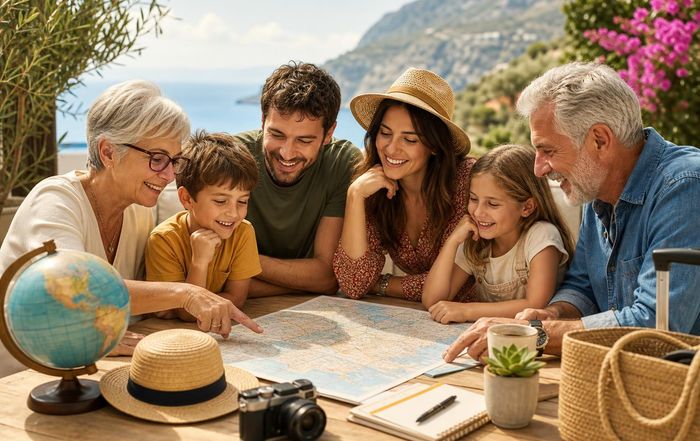
Multigenerational travel has moved from a niche idea to one of the most powerful forces shaping the global tourism landscape, as families increasingly choose to invest in shared experiences rather than material gifts. Grandparents, parents, teens and young children are travelling together more than ever, seeking memory-making journeys that strengthen relationships across ages and cultures. Yet anyone who has tried to organise such a trip knows that the logistics can be complex and the emotional stakes high. The challenge, and the opportunity, lies in designing a holiday that respects different needs, energy levels and interests while preserving a sense of ease and joy.
For WorldWeTravel, which connects travellers to curated destinations and experiences around the globe, multigenerational holidays are not just a trend but a reflection of how families see their future: connected, curious and globally engaged. Planning these journeys without stress is entirely possible when families approach them with structure, empathy and the right information.
Understanding the Multigenerational Travel Boom
Demographic and social trends help explain why multigenerational holidays are thriving. Longer life expectancy in regions such as Europe, North America and parts of Asia means more active grandparents who are physically able and financially willing to travel with their children and grandchildren. Studies from organizations such as the UN World Tourism Organization and reports from travel research firms indicate that family and multigenerational travel consistently rank among the most resilient segments of the tourism market, even during periods of economic uncertainty, as families prioritise time together over other discretionary spending.
At the same time, global mobility has become more accessible. Low-cost airlines in Europe and Asia, expanded long-haul routes, and digital booking tools have opened up destinations that once seemed unreachable for large family groups. Platforms such as Booking.com and Airbnb provide a wide range of accommodation options, from city apartments to countryside villas, making it easier to find spaces where three or even four generations can comfortably stay together.
The emotional drivers are equally powerful. Research from organisations like AARP in the United States has documented that grandparents often see travel as a way to cement their legacy, share family history and pass on cultural traditions, while parents value a chance to step away from daily routines and reconnect with both their children and their own parents. For young travellers, these trips often become formative experiences that shape their understanding of the world. WorldWeTravel has seen this reflected across its global audience, with strong interest in family-friendly travel inspiration that allows all ages to feel included and engaged.
Choosing the Right Destination for Every Generation
The foundation of a stress-free multigenerational holiday is the choice of destination. The ideal location balances accessibility, safety, healthcare quality, cultural interest and a variety of activities that can be tailored to different ages and abilities. Rather than searching for a single "perfect" place, families benefit from identifying destinations that offer layers of experiences, from relaxed to adventurous.
Cities such as London, Vancouver, Sydney and Amsterdam are frequently recommended by travel experts because they combine excellent public transport, parks, museums and family-friendly infrastructure. Resources like VisitBritain or Tourism Australia provide detailed guidance on accessible attractions, family tickets and neighbourhoods that suit groups. For families looking for beach-plus-culture combinations, regions such as Spain's Costa del Sol, Portugal's Algarve, Florida's Gulf Coast or Thailand's Andaman Sea islands offer gentle seas, varied accommodation and nearby historic or cultural sites.
For travellers seeking more immersive cultural experiences, cities such as Tokyo, Seoul, Berlin, Barcelona, Cape Town and Singapore provide an intriguing mix of modern amenities and deep heritage. Official tourism portals like Japan National Tourism Organization and Singapore Tourism Board highlight family-friendly itineraries and practical tips for navigating with older and younger relatives. WorldWeTravel's own culture-focused guides help families pinpoint neighbourhoods, festivals and local experiences that resonate across generations, from food markets to music performances.
Climate and seasonality deserve careful attention, particularly when travelling with older adults or very young children. Reliable sources such as World Meteorological Organization and national weather services help families understand typical conditions, heat or cold extremes and seasonal risks. In destinations like southern Europe, Southeast Asia or parts of the United States, extreme summer heat can pose health risks to seniors and toddlers, making shoulder seasons such as late spring or early autumn more comfortable and less crowded.
Building an Itinerary that Respects Different Paces
One of the main sources of stress in multigenerational travel is an overly ambitious itinerary that attempts to satisfy every wish in a single trip. Successful planners recognise that different generations naturally move at different speeds and design days that allow for flexibility and autonomy. Travel medicine specialists and wellness experts frequently emphasize the importance of rest, hydration and gradual acclimatisation, particularly when crossing time zones or moving between altitudes.
A useful concept is the "core and optional" structure. Families identify one shared highlight for each day, such as a museum visit, a scenic boat ride or a special meal, and treat everything else as optional. This approach allows grandparents to rest in the afternoon while teenagers explore a neighbourhood, or parents to slip away for a quiet coffee while others enjoy a playground or pool. Platforms such as Google Maps and Rome2Rio help estimate realistic travel times between attractions, which is critical in large cities where distances can be deceiving.
Many destinations now offer timed entry tickets and advance booking for major sites, a practice that has become standard at landmarks such as the Louvre Museum in Paris, the Colosseum in Rome and popular theme parks in the United States and Asia. Checking official websites, such as Museums of the World for institutional links, allows families to secure access and avoid long queues that can be exhausting for older travellers. WorldWeTravel's travel tips section regularly highlights strategies such as early-morning visits, skip-the-line passes and quieter neighbourhood alternatives that reduce stress while preserving the sense of discovery.
Accommodation: The Heart of Multigenerational Comfort
Where a multigenerational group stays often matters more than any single attraction. Accommodation becomes the shared living room of the holiday, the place where conversations stretch into the night and children play under the relaxed supervision of grandparents. The choice between hotels, serviced apartments and holiday rentals depends on family preferences, budget and destination, but several principles consistently support a smoother experience.
Many families find that apartment-style hotels or multi-bedroom rentals offer the best balance of privacy and togetherness. Having a common living area and a kitchen allows for simple breakfasts, snacks and occasional dinners at "home," which can be both cost-effective and calming for younger children. At the same time, hotel-style services such as housekeeping and on-site dining can ease the workload on parents and grandparents. Reputable platforms like Vrbo and Marriott Homes & Villas provide filters for accessibility features, number of bathrooms and proximity to public transport.
Families should pay close attention to accessibility details, especially when travelling with anyone who has mobility limitations. Step-free access, elevators, walk-in showers and handrails can make a significant difference to daily comfort. Many hotel chains and independent properties describe accessibility features on their own sites, and organisations such as AccessibleGO and WheelchairTravel.org offer community-sourced insights into how properties function in real life. When in doubt, contacting the property directly remains one of the most reliable ways to confirm details. WorldWeTravel's hotel-focused content increasingly highlights properties that combine family-friendly layouts with accessibility, wellness facilities and sustainable practices.
Location is equally important. Being within walking distance of parks, cafes, pharmacies and public transport can dramatically reduce daily stress. Central locations may cost more, but for multigenerational groups they often save money and energy by reducing the need for taxis or long transit journeys, particularly in cities like New York, London or Hong Kong where traffic can be unpredictable.
Health, Safety and Well-Being on the Road
Health and safety considerations are central to planning a multigenerational holiday without anxiety. Organisations such as the World Health Organization and the U.S. Centers for Disease Control and Prevention provide travel-specific guidance on vaccinations, regional health risks and recommended precautions. Before international trips, many experts advise consulting a travel medicine clinic, especially when older adults or very young children are part of the group or when visiting regions with particular risks such as malaria or high altitude.
Travel insurance has become a standard recommendation from consumer advocates, with policies that cover medical emergencies, trip interruption and, when available, pre-existing conditions offering an important safety net. Reputable comparison sites such as Squaremouth and InsureMyTrip allow travellers to compare coverage options from multiple insurers. It is particularly important to verify coverage for seniors, as some policies have age-related limitations, and to ensure that any planned activities, such as skiing or adventure sports, are included.
Managing medications requires careful preparation. Health organisations and pharmacists typically recommend carrying medicines in original packaging, accompanied by a list of generic names and dosages, as brand names can differ between countries. Families may find it helpful to carry a brief medical summary for each traveller with chronic conditions, ideally in both digital and printed form. Resources like Mayo Clinic and Cleveland Clinic provide general guidance on managing chronic conditions while travelling, though individual medical advice should always come from personal healthcare providers. WorldWeTravel's health-oriented articles complement this information with practical tips on jet lag, hydration, nutrition and movement during long flights.
Safety also includes situational awareness and local knowledge. Government travel advisory sites such as U.S. Department of State, UK Foreign, Commonwealth & Development Office and Government of Canada Travel Advice offer up-to-date information on security, entry requirements and local regulations. While many popular destinations remain safe for visitors, being informed about common scams, local emergency numbers and cultural norms helps families feel more confident and relaxed.
Designing Experiences that Engage Every Age
The most memorable multigenerational trips are built around experiences that feel meaningful to each generation. This does not require constant togetherness; in fact, allowing for age-specific activities can reduce friction and deepen appreciation for shared moments. Destinations around the world now offer programming that reflects this understanding, from kids' clubs and teen lounges to senior-friendly walking tours and accessible adventure options.
Museums, science centres and cultural institutions have become increasingly adept at serving diverse audiences. Many major museums in cities such as Washington, D.C., London, Berlin and Singapore provide interactive exhibits for children, quiet spaces for rest and guided tours tailored to different interests. Checking official websites, such as Smithsonian or Louvre, helps families identify family programmes, stroller policies and accessibility services. At the same time, smaller local museums and cultural centres can offer intimate experiences that resonate with grandparents, such as exhibitions on migration, local crafts or wartime history that connect with their own life stories.
Outdoor experiences often serve as a natural equaliser. Gentle hikes, boat trips, botanical gardens and city parks create space for conversation and unstructured play. National and regional park services, including U.S. National Park Service and Parks Canada, provide detailed information on trail difficulty, accessibility, ranger-led activities and family programmes. In Europe, rail-connected destinations in Switzerland, Austria and Scandinavia are particularly appreciated by multigenerational travellers for their combination of scenic landscapes and well-maintained infrastructure. WorldWeTravel's eco-travel resources help families identify nature-based experiences that are both environmentally responsible and suitable for mixed-age groups.
Food often becomes a highlight of multigenerational journeys. Families may choose to book a cooking class where grandparents share memories of traditional dishes while local chefs introduce new techniques, or to visit markets where children can sample unfamiliar fruits and learn about regional ingredients. Websites like Eater and Michelin Guide offer curated restaurant recommendations, while local tourism boards frequently highlight family-friendly dining and food tours. For travellers with dietary restrictions or allergies, organisations such as Celiac Disease Foundation or national allergy associations provide guidance on communicating needs across languages.
Money, Expectations and the Art of Family Communication
Financial planning and communication are at the heart of stress-free multigenerational trips. Different generations may have different budgets, spending habits and expectations about what constitutes value, and unspoken assumptions can easily lead to tension. Travel advisors and family therapists often recommend frank, early conversations about who will pay for what, how decisions will be made and which experiences are considered essential.
Some grandparents choose to fund major expenses such as flights or accommodation as a way of gifting time together, particularly around milestone birthdays or anniversaries. Others prefer a more balanced approach where each household contributes according to its means. Tools like XE Currency Converter and Numbeo help families understand local prices and set realistic daily budgets. For those seeking to align travel plans with broader financial goals, independent resources like Bogleheads provide general personal finance education, though individual advice should come from qualified professionals.
Beyond money, expectations about daily routines, discipline for children, and use of technology can cause friction if not discussed. Families benefit from acknowledging that different generations may have distinct views on bedtimes, screen time or how much structure a holiday should have. Establishing a few shared principles, such as quiet hours or device-free meals, can protect the sense of togetherness without feeling overly restrictive. WorldWeTravel's family-oriented content often explores these dynamics, offering perspectives from parents, grandparents and travel professionals on how to navigate differences with empathy.
Sustainability and Responsible Travel Across Generations
As concern about climate change and over-tourism has grown, many families are seeking ways to travel more responsibly, both for ethical reasons and to model values for younger generations. Organisations such as the UN Environment Programme and Sustainable Travel International provide frameworks for understanding the environmental and social impacts of tourism, from carbon emissions to community livelihoods.
Practical steps include choosing destinations and seasons that spread visitor numbers more evenly, supporting locally owned businesses and accommodations, and using trains or public transport where feasible. In Europe and parts of Asia, high-speed rail networks offer comfortable alternatives to short-haul flights, which can be particularly attractive for multigenerational groups who appreciate the ability to move around, socialise and enjoy scenery en route. Families can also look for credible sustainability certifications, such as Green Key or EarthCheck, when selecting hotels or tour operators, while remaining aware that standards and enforcement can vary.
Teaching children about responsible travel can be as simple as involving them in everyday decisions: choosing reusable water bottles, learning a few phrases in the local language, or visiting community-run projects. WorldWeTravel's eco-focused guides and global perspectives highlight destinations and experiences that prioritise environmental stewardship and cultural respect, helping families align their holidays with their long-term values.
When Work, Business and Travel Intersect
In a world where remote work and flexible schedules are increasingly common, some multigenerational trips now blend leisure with professional obligations. Parents may need to attend virtual meetings during a family holiday, or business travellers may invite relatives to join them before or after conferences. This blending of roles can add complexity but also create opportunities for extended stays and deeper cultural immersion.
To manage expectations, families benefit from clearly defining "on" and "off" times for those working, ensuring that professional commitments do not overshadow the shared purpose of the trip. Reliable connectivity becomes a practical concern, making it important to verify internet quality through hotel websites, guest reviews or platforms like Speedtest before booking. WorldWeTravel's business travel and work and travel resources address these realities, helping travellers design itineraries that respect both family time and professional responsibilities.
Some destinations, particularly in Europe, Asia and North America, have developed infrastructure specifically for longer stays, including co-working spaces, family-friendly cafes and community events. Websites such as Nomad List aggregate user-reported data on internet speeds, cost of living and safety, which can be useful when considering extended multigenerational stays that combine work, school breaks and travel.
The Transformative Power of Shared Journeys
When thoughtfully planned, multigenerational holidays can become defining chapters in a family's story. They provide rare opportunities for grandparents to see the world through the eyes of their grandchildren, for parents to rediscover playfulness, and for children to witness the resilience and curiosity of older relatives. These journeys often outlast the trip itself, inspiring family traditions, inside jokes and new ways of relating to one another.
Travel psychologists and sociologists have observed that shared challenges, such as navigating a foreign city or learning a few words of a new language, can strengthen family bonds by fostering teamwork and empathy. Even minor mishaps, when handled with humour and patience, become part of the narrative that families retell for years. By approaching planning with realistic expectations, open communication and a willingness to adapt, families transform potential stress into a sense of collective adventure.
For WorldWeTravel, supporting these journeys means providing trustworthy information, curated travel inspiration, and practical guidance across destinations, family experiences, hotels, health and wellness and eco-conscious choices. As families across continents-from the United States and Canada to Europe, Asia, Africa and beyond-continue to seek meaningful ways to connect, multigenerational travel stands out as one of the most hopeful and inspiring expressions of a shared global future.
By choosing destinations with care, designing flexible itineraries, attending to health and accessibility, communicating openly about expectations and finances, and embracing responsible travel principles, families can plan multigenerational holidays that are not only free from unnecessary stress but rich in joy, learning and connection. The world remains full of places where grandparents, parents and children can stand side by side, looking out at a landscape none of them will ever forget, knowing that they arrived there together.