

The Allure of Moroccan Riads in a Globalized Travel Economy
A New Era of Travel and the Rise of the Riad?
As international travel has rebounded and matured after years of disruption and recalibration, discerning travelers from the United States, United Kingdom, Germany, Canada, Australia, and across Europe and Asia are increasingly turning away from standardized hotel experiences and rediscovering intimate, place-rooted hospitality. Among the most compelling symbols of this shift are Moroccan riads: traditional courtyard houses, primarily in cities such as Marrakech, Fes, and Essaouira, that have been transformed into sophisticated guesthouses while preserving their architectural soul and cultural depth. For the global audience of World We Travel, which spans interests from destinations and family travel to business, eco-conscious tourism, and high-end hotels and retreats, the Moroccan riad represents a rare convergence of heritage, comfort, and authenticity that aligns with the evolving priorities of modern travelers and international travel stakeholders.
Understanding the Riad: History, Architecture, and Cultural Context
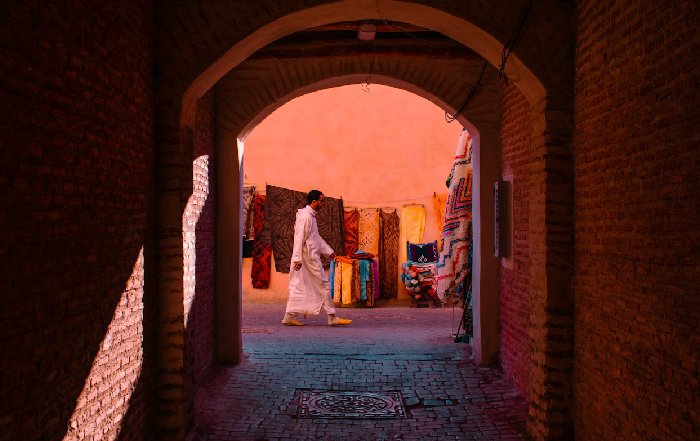
The allure of the Moroccan riad is rooted in centuries of history, where domestic architecture in cities such as Marrakech, Fes, and Rabat evolved around inward-facing courtyards to provide privacy, climate control, and a serene refuge from the bustling medina streets. Historically, riads were homes for wealthy merchant families, scholars, and urban elites, designed according to principles that can be traced through Islamic, Andalusian, and Amazigh (Berber) influences, combining geometric ornament, calligraphy, and nature in a carefully orchestrated domestic environment. The central courtyard-often featuring a fountain, citrus trees, zellige tilework, and carved cedar-served as the heart of family life, while thick walls and minimal street-facing windows provided both security and insulation from heat and noise. Those seeking a deeper understanding of the architectural and cultural context increasingly consult resources such as UNESCO, where they can explore the medinas of Fez and Marrakech. This historical grounding gives the modern riad an authenticity and gravitas that many contemporary hospitality concepts lack, turning a night's stay into an immersion in living heritage rather than a generic lodging experience.
Riads as an Answer to the Search for Authenticity
As international tourism has scaled, a growing segment of travelers has become disillusioned with standardized hotel chains that, while efficient, often feel interchangeable from London to Singapore to New York. Research from organizations such as the World Travel & Tourism Council and OECD underscores how travelers increasingly prioritize authenticity, local engagement, and cultural depth when planning their journeys, and many turn to resources like World We Travel's global insights to guide those decisions. In this context, the riad is not simply an accommodation option; it is a curated cultural experience that blends architecture, cuisine, craftsmanship, and local hospitality into a coherent whole. The small scale of most riads, often with fewer than ten rooms, allows owners and staff to develop personal relationships with guests, offering tailored recommendations, introductions to artisans, and curated experiences that go beyond what standard concierge services provide. This personalized approach resonates strongly with travelers from North America, Europe, and Asia-Pacific who seek to move beyond checklist tourism and instead cultivate a deeper connection with place, people, and tradition.
The Riad Experience: From Arrival to Departure
For many visitors, the true magic of a riad reveals itself in the moment of transition from the frenetic energy of the medina to the stillness of the courtyard. Guests arriving from long-haul flights originating in Toronto, Sydney, Frankfurt, or Tokyo often step through an unassuming door in a narrow alley and find themselves in a space of calm, scented with orange blossom or mint, where the sound of a fountain masks the distant hum of scooters and market vendors. The experience is deliberately choreographed: a welcome tea poured in the traditional Moroccan manner, introductions to staff by name, and an informal orientation that might include a hand-drawn map of the neighborhood and advice on navigating the souks. Travelers planning such stays increasingly consult travel strategy resources to integrate riads into broader itineraries across Europe, Africa, and the Middle East.
Rooms in well-managed riads often blend traditional craftsmanship-tadelakt plaster, hand-carved cedar ceilings, brass fixtures-with modern comforts expected by a global clientele, such as high-speed connectivity, quality bedding, and climate control that respects both guest comfort and energy efficiency. Rooftop terraces provide views over the medina and, in cities like Marrakech, toward the Atlas Mountains, creating spaces that can be used for sunrise yoga sessions, private dinners, or remote work. Many riads also coordinate guided tours, cooking classes, and excursions with vetted local partners, allowing guests to explore Morocco's cultural and natural landscapes while maintaining a trusted base. For travelers seeking to balance exploration with rest, this integrated experience makes the riad not simply a place to sleep, but a central hub of their journey.
Riads and the Global Hospitality Economy
The resurgence and international popularity of riads must also be understood within the broader evolution of the global hospitality sector. In an era when Airbnb, boutique hotels, and hybrid coliving concepts have disrupted traditional hotel models, riads offer a distinctive value proposition: they are deeply local yet globally legible, small-scale yet capable of delivering high standards of service. Analysts tracking the global travel economy increasingly note that demand for experiential, locally anchored stays has grown faster than demand for standardized lodging, a trend reflected in data from organizations such as the World Tourism Organization (UNWTO), where one can review global tourism trends and forecasts. In markets like Marrakech, where riads have become a significant part of the accommodation inventory, this shift has reshaped urban property markets, employment patterns, and local entrepreneurship.
For international investors, travel companies, and corporate travel planners who rely on resources like World We Travel's economy coverage, riads represent both an opportunity and a challenge. On the one hand, they offer distinctive products that can be integrated into premium travel packages, incentive trips, and executive retreats; on the other, their small size and independent ownership structures complicate large-scale contracting and standardization. Nonetheless, many riads now collaborate with regional tourism boards, global booking platforms, and specialist agencies to reach markets in the United States, United Kingdom, Germany, France, and the Netherlands, positioning themselves as credible alternatives to boutique hotel chains. This dynamic illustrates how heritage-based hospitality can compete effectively in a globalized economy when supported by digital infrastructure, clear branding, and consistent service standards.
Family, Wellness, and Retreat Travel in Riads
For families planning multi-generational trips from Canada, Australia, or Scandinavia, the riad format can provide a sense of privacy and togetherness that large hotels sometimes struggle to deliver. Many riads can be booked in their entirety, effectively transforming them into private villas where parents, children, and grandparents share common spaces while retaining individual rooms, a model that aligns well with the growing segment of slow, immersive family travel that readers explore through World We Travel's family section. Courtyards offer safe, enclosed environments for younger children, while rooftop terraces and salons create flexible spaces for shared meals, storytelling, and cultural learning, often facilitated by staff who are accustomed to hosting international families and can adapt menus and activities accordingly.
The wellness and retreat segment has also discovered the potential of riads. As interest in holistic health, mindfulness, and restorative travel has grown in markets such as Sweden, Norway, Singapore, and New Zealand, retreat organizers have increasingly turned to riads as intimate venues for small-group programs encompassing yoga, meditation, breathwork, and cultural immersion. Health-conscious travelers, many of whom follow global wellness guidance from organizations like the World Health Organization, where they can explore healthy travel recommendations, are drawn to environments that combine sensory richness with a sense of refuge. Riads, with their enclosed gardens, water features, and quiet rooftop spaces, lend themselves naturally to this purpose. For those planning wellness-focused journeys, World We Travel's retreat and health insights and health coverage offer frameworks for integrating riad stays into broader wellbeing strategies that might also include desert camps, coastal escapes, and mountain lodges across Morocco and North Africa.
Sustainability, Community, and the Eco-Conscious Traveler
In 2026, sustainability is no longer a niche concern but a core expectation for many travelers from Europe, North America, and Asia, particularly in countries such as Germany, Denmark, Finland, Japan, and South Korea, where public awareness of climate change and responsible consumption is high. Riads, by virtue of their traditional design, already embody several principles of sustainable architecture: thick walls for passive cooling, courtyards that enhance natural ventilation, and materials sourced historically from local ecosystems. However, as tourism volumes have increased, the sustainability of riad operations has come under greater scrutiny, prompting many owners to adopt more formalized practices aligned with global frameworks promoted by organizations such as the Global Sustainable Tourism Council, where interested readers can learn more about sustainable business practices.
Responsible riads increasingly implement water-saving technologies, energy-efficient lighting, and waste reduction programs, while prioritizing local hiring and fair labor conditions. Some engage directly with artisans, cooperatives, and neighborhood associations to ensure that tourism revenue circulates within the community, supporting traditional crafts and social services. Eco-conscious travelers who consult World We Travel's eco travel coverage are particularly attuned to such initiatives, often seeking transparent communication about sourcing, energy use, and community impact before making booking decisions. In response, many riads now highlight their sustainability commitments on their websites, partner with responsible travel agencies, and participate in local or international certification schemes, thereby enhancing their credibility with a global audience that increasingly sees travel as a vector for positive social and environmental outcomes rather than mere consumption.
Technology, Remote Work, and the Connected Riad
The integration of technology into riad operations has accelerated markedly by 2026, reflecting broader trends in the global hospitality industry and the rise of flexible work and "work-from-anywhere" lifestyles. Travelers from the United States, United Kingdom, Netherlands, Singapore, and Brazil who blend business and leisure on extended trips now expect reliable connectivity, ergonomic workspaces, and digital communication channels even in heritage-rich settings. Many riads have responded by upgrading their infrastructure, installing fiber-optic connections where available, and creating quiet corners or dedicated salons that can function as ad hoc coworking spaces. This evolution aligns with the interests of readers who follow World We Travel's technology coverage and work-oriented travel insights, seeking destinations where professional productivity can coexist with cultural enrichment.
At the operational level, riad owners and managers increasingly rely on cloud-based property management systems, digital payment platforms, and dynamic pricing tools to remain competitive and visible in a crowded marketplace. They engage with travelers through social media, virtual tours, and responsive messaging, while also leveraging data analytics to understand seasonality, guest preferences, and market trends. Organizations such as the World Economic Forum, where readers can explore the future of travel and tourism, have highlighted how such digitalization enables small, independent properties to participate in global value chains that were once dominated by large hotel groups. For riads, the challenge is to adopt these technologies without eroding the human-centered, artisanal character that defines their appeal, maintaining a balance between efficiency and intimacy that sophisticated travelers increasingly recognize and reward.
Cultural Immersion and the Role of Riads as Gateways
Riads do not exist in isolation; they are embedded in the urban fabric of medinas that function as living cultural ecosystems. Guests who choose riads often do so because they want more than a comfortable bed; they seek meaningful encounters with Moroccan culture, from culinary traditions and music to craftsmanship and religious practices. Many riads now curate experiences that connect guests with local guides, chefs, musicians, and artisans, facilitating cooking classes, calligraphy workshops, Gnawa music evenings, and visits to cooperatives in the medina or surrounding countryside. These curated experiences, which travelers often research through World We Travel's culture coverage, help bridge the gap between visitor and host community, providing context and interpretation that deepen understanding while respecting local norms and boundaries.
For travelers unfamiliar with Islamic cultures, riads can also serve as gentle, informative gateways. Staff often explain customs around Ramadan, prayer times, and public etiquette, helping guests from North America, Europe, East Asia, and Oceania navigate cultural differences with confidence and respect. Organizations like Visit Morocco, the official tourism portal, provide additional resources where visitors can learn about Moroccan culture and traditions. By positioning themselves as interpreters and facilitators rather than mere service providers, riads enhance their role as cultural mediators, contributing to more nuanced and reciprocal forms of tourism that move beyond stereotypes and transactional interactions.
Strategic Considerations for Business and Leisure Travelers
For business travelers, conference delegates, and remote professionals, the decision to stay in a riad rather than a conventional business hotel involves weighing factors such as location, connectivity, privacy, and service structure. In cities like Casablanca or Rabat, where corporate offices and government institutions cluster in modern districts, international chains may still dominate the corporate travel segment. However, in Marrakech and Fes, where many events, incentive trips, and executive retreats are designed to showcase culture and creativity, riads have become increasingly attractive venues for small strategy meetings, team-building sessions, and leadership offsites. Travel planners and corporate decision-makers who rely on World We Travel's business travel insights now frequently integrate riads into itineraries that combine formal sessions with cultural experiences, recognizing that such settings can foster reflection, creativity, and cross-cultural understanding in ways that conventional conference centers may not.
Leisure travelers, whether couples seeking romance, solo explorers on extended sabbaticals, or retirees from France, Italy, Spain, Switzerland, and South Africa embarking on long-awaited journeys, must also consider practical aspects such as accessibility, mobility, and safety when choosing riads. Medinas can be labyrinthine, and some riads may be difficult to reach with luggage or for guests with limited mobility. Responsible riads and travel advisors now provide clear information about access routes, staircases, and nearby parking, while also offering porter services and meet-and-greet arrangements at city gates or transport hubs. Travelers preparing for such experiences benefit from practical guidance, and many consult World We Travel's tips section alongside established resources such as Lonely Planet, where they can explore detailed city guides for Morocco. This combination of inspiration and practical advice helps ensure that the allure of the riad is matched by a smooth, well-managed journey.
What's the Future of Riads in a Changing World
As the global travel landscape continues to evolve through this year and more, Moroccan riads stand at an intriguing intersection of heritage preservation, economic opportunity, and experiential innovation. Their continued success will depend on the ability of owners, local authorities, and tourism stakeholders to manage growth responsibly, maintain architectural and cultural integrity, and ensure that benefits are shared with surrounding communities. International frameworks such as those discussed by the United Nations Environment Programme, where readers can explore sustainable tourism initiatives, provide guidance on aligning tourism development with climate, resource, and equity goals, while local regulations and community engagement will shape the specific trajectories of medinas in cities across Morocco.
For the global audience of World We Travel, which covers continents and interests from destinations and culture to economy and technology, the Moroccan riad offers a compelling case study in how traditional forms of hospitality can be reimagined for a new era without sacrificing their essence. Whether approached as a base for family discovery, a hub for remote work, a sanctuary for wellness, or a platform for cultural immersion, the riad embodies many of the qualities that forward-looking travelers and businesses now seek: authenticity, intimacy, sustainability, and a strong sense of place. As more visitors from the United States, United Kingdom, Germany, Canada, Australia, Japan, Singapore, Brazil, and beyond step through the discreet doors of these courtyard homes, they participate in a living dialogue between past and present, local and global, tradition and innovation-one that continues to shape not only the future of Moroccan tourism, but also broader expectations of what meaningful travel can and should be.
For those planning their next journey, exploring riads through the lens of World We Travel offers a way to connect personal aspirations with informed, responsible choices, ensuring that the allure of Moroccan riads remains a source of inspiration and enrichment for travelers and communities alike in the years ahead.