

Top Islands for Private Luxury Travel in 2026
Private luxury island travel in 2026 has matured into a deliberate, strategic choice for global executives, entrepreneurs, and high-net-worth families who increasingly treat time, privacy, and wellbeing as core assets rather than optional luxuries. In an environment shaped by geopolitical volatility, accelerating technological disruption, and a sharpened focus on health and climate risk, the world's most coveted islands have become controlled environments where decision-makers can step away from public scrutiny, recalibrate their thinking, and reconnect with the people and projects that matter most. For the international community of WorldWeTravel.com, spanning the United States, United Kingdom, Germany, Canada, Australia, France, Italy, Spain, Netherlands, Switzerland, China, Sweden, Norway, Singapore, Denmark, South Korea, Japan, Thailand, Finland, South Africa, Brazil, Malaysia, New Zealand, and beyond, private islands and ultra-exclusive island retreats are now understood less as symbols of excess and more as platforms for intentional living, resilient business strategy, and multigenerational wellbeing.
This article examines the leading islands for private luxury travel through the lens of experience, expertise, authoritativeness, and trustworthiness, with a particular emphasis on how privacy, service excellence, and sustainability intersect. It also reflects how WorldWeTravel.com curates and interprets these destinations for a discerning global audience, helping readers align their travel decisions with corporate responsibilities, personal health priorities, and long-term lifestyle goals, whether they are exploring new destinations, planning complex business gatherings, or designing restorative retreats.
Redefining Island Luxury: Privacy, Purpose, and Personalization
Over the last decade, the definition of luxury has shifted from visible opulence toward experiences that are deeply private, highly personalized, and anchored in purpose. High-end travelers are increasingly wary of crowded hotspots and social-media-saturated resorts, gravitating instead toward smaller, carefully managed islands where density is low, environmental standards are high, and cultural engagement is thoughtful rather than performative. Institutions such as the UN World Tourism Organization and the World Travel & Tourism Council have documented a structural pivot toward sustainability and resilience in high-end tourism, and this evolution is most visible on islands that must balance economic dependence on visitors with acute exposure to climate and biodiversity risk. Those interested in how this transformation is unfolding in real time can explore broader perspectives on sustainable tourism and resilience through the UNWTO portal.
For the readership of WorldWeTravel.com, this shift translates into a new decision framework when selecting islands: the question is no longer simply which resort offers the largest villa or most elaborate amenities, but which destination can guarantee discretion, support hybrid work, deliver evidence-based wellness, and demonstrate credible commitments to environmental and social responsibility. On the WorldWeTravel Travel hub, this is reflected in an emphasis on curated itineraries that combine secluded stays with meaningful local engagement, robust health standards, and clear information on connectivity, risk, and regulatory context.
Executive Privacy, Security, and the Island as Strategy Room
For global executives, investors, and founders, the private island has effectively become an extension of the strategy room, offering an environment where sensitive discussions can occur without the digital and physical vulnerabilities associated with urban hotels or conventional conference venues. In a world where cyberattacks, data breaches, and reputational threats can originate from something as simple as an unsecured Wi-Fi network or an overheard conversation, the ability to convene boards, leadership teams, or key clients on a fully controlled island is now seen as a strategic asset. Research from organizations such as the World Economic Forum and McKinsey & Company underscores how trust, security, and psychological safety shape effective decision-making; those themes translate directly into how discerning travelers evaluate island properties, from security protocols and staff vetting to the integrity of digital infrastructure. Executives seeking a broader perspective on global risk, digital resilience, and leadership can review current analyses on the World Economic Forum website.
Across Europe, Asia, Africa, and North America, a growing number of islands are explicitly designed to serve this executive niche, with private airstrips, discreet customs handling, helipads, and yacht-accessible docks that minimize public exposure at every stage of the journey. Enterprise-grade connectivity, segmented networks, and on-site IT teams are increasingly standard at the upper end of the market, ensuring that leaders can maintain secure access to corporate systems while enjoying the psychological benefits of geographic separation. For organizations integrating island-based offsites into their leadership calendars, the WorldWeTravel Business section offers frameworks for aligning destination selection with governance standards, data security requirements, and executive wellbeing policies, while the WorldWeTravel Work hub explores how remote-first and hybrid companies can use such gatherings to reinforce culture and strategy.
The Maldives: Archetype of Secluded Overwater Luxury
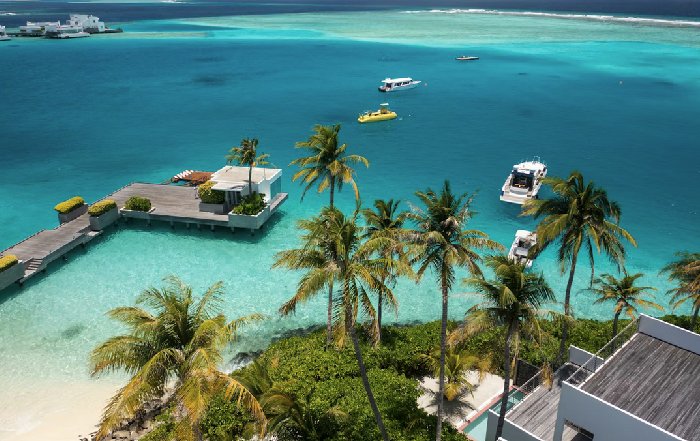
The Maldives remains the global reference point for private luxury island travel, with its network of coral atolls in the Indian Ocean hosting some of the most exclusive properties on the planet. Overwater villas, glass-floored suites, and underwater dining experiences have long defined Maldivian high-end hospitality, yet in 2026 the true differentiator lies in how leading resorts integrate extreme privacy with measurable sustainability outcomes. Brands such as Four Seasons, Soneva, and Waldorf Astoria operate private islands and ultra-secluded villa clusters that can be taken over by a single family office, corporate delegation, or group of friends, supported by personalized butler teams, tailored wellness programs, and curated marine experiences ranging from night diving to citizen-science projects.
At the same time, the Maldives stands on the front line of sea-level rise and ocean warming, forcing both government and industry to treat climate adaptation as a non-negotiable priority. Guests are increasingly exposed to coral restoration initiatives, renewable energy installations, and waste-to-resource programs, not as marketing add-ons but as integral features of the island experience. For travelers who wish to understand the climate science behind these efforts, resources from the Intergovernmental Panel on Climate Change and the UN Environment Programme provide valuable context; further information on climate-resilient tourism and island ecosystems can be explored via the UNEP website. For those using WorldWeTravel.com as a planning resource, Maldivian itineraries are often framed as opportunities to combine restorative seclusion with informed engagement in one of the world's most climate-vulnerable yet innovative tourism laboratories.
Seychelles and Mauritius: Discreet Indian Ocean Hubs for Europe and Africa
For travelers originating in Europe and Africa, the Seychelles and Mauritius offer a compelling mix of accessibility, political stability, and refined service culture. The Seychelles has cultivated a reputation for ultra-discreet private islands, where estates accessible only by helicopter or private yacht host heads of state, globally recognized entrepreneurs, and family offices from jurisdictions such as Switzerland, Germany, and the United Kingdom. The legal framework and social norms in the Seychelles reinforce a culture of confidentiality, while the natural environment-granite islands, lush forests, and protected marine parks-supports both privacy and high-end eco-tourism.
Mauritius, meanwhile, has evolved into a regional financial and business hub, with sophisticated professional services, robust rule of law, and extensive double-taxation treaties that appeal to investors and corporate travelers combining board meetings with leisure. As global tax transparency and economic substance rules continue to tighten, executives are increasingly attentive to how their choice of destination interacts with their broader structuring and compliance strategies. Those seeking clarity on international tax developments and cross-border policy trends can consult the OECD tax policy portal, then map those insights onto travel and investment decisions using the macroeconomic perspectives available on the WorldWeTravel Global page and the WorldWeTravel Economy section.
Caribbean Private Islands: Strategic Proximity for North American and European Travelers
For high-net-worth travelers from North America and Europe, the Caribbean continues to define the archetype of private island luxury, with the Bahamas, British Virgin Islands, Turks and Caicos, and St. Barts among the most coveted addresses. These islands combine relatively short flight times from major hubs in the United States, Canada, and the United Kingdom with mature legal, financial, and concierge ecosystems, making them particularly attractive for short-notice executive retreats, celebratory gatherings, and multigenerational family stays.
Caribbean private islands typically pair relaxed, barefoot aesthetics with meticulous service: beachfront villas with private pools, in-villa spa teams, chefs trained in Michelin-starred kitchens, and curated experiences that range from yacht charters and freediving expeditions to conservation-focused outings with local NGOs. Health and safety infrastructure has become a priority differentiator in the post-pandemic era, with many islands investing in on-site medical facilities, telemedicine partnerships, and robust evacuation protocols. Travelers can cross-check local health advisories and vaccination requirements through the U.S. Centers for Disease Control and Prevention travel health pages or the World Health Organization, then align these insights with tailored wellness and safety guidance from the WorldWeTravel Health hub when planning Caribbean itineraries.
French Polynesia: Remote Exclusivity for Asia-Pacific and European Elites
In the Asia-Pacific region, French Polynesia remains one of the most aspirational destinations for travelers from Australia, New Zealand, Japan, South Korea, and Singapore, as well as for Europeans willing to undertake longer journeys in exchange for exceptional remoteness. Islands such as Bora Bora, Taha'a, and Tetiaroa have become synonymous with ultra-private retreats where overwater bungalows, lagoon-front villas, and fully privatized motus are configured to host couples, families, and small executive groups seeking both isolation and cultural depth.
French Polynesia's government and hospitality sector have placed strong emphasis on marine conservation, cultural preservation, and controlled visitor numbers, aligning the destination with travelers who prioritize authenticity and environmental responsibility. International organizations including National Geographic and The Nature Conservancy have documented the region's biodiversity and the challenges it faces from climate change and overfishing, offering valuable context for visitors who wish to support local conservation initiatives or participate in citizen-science activities. For those planning extended stays that combine leisure with remote work or strategic retreats, the WorldWeTravel Technology section and WorldWeTravel Work insights provide practical guidance on connectivity, cybersecurity, and time-zone management in remote island environments.
Greek and Croatian Islands: European Heritage with Discreet High-End Stays
Within Europe, the islands of Greece and Croatia have evolved from traditional summer holiday destinations into sophisticated hubs of discreet luxury, catering to travelers from the United Kingdom, Germany, France, Italy, Spain, Netherlands, Sweden, Norway, and Denmark who seek cultural depth alongside privacy. While highly visible hotspots such as Mykonos and Santorini remain popular, the most privacy-focused guests are increasingly drawn to lesser-known Cycladic, Ionian, and Dodecanese islands, as well as secluded islets along the Croatian Dalmatian coast, where restored stone villas, converted monasteries, and minimalist contemporary estates can be reserved on an exclusive-use basis.
These islands offer a rare opportunity to combine private island living with proximity to world-class heritage sites, vineyards, and historic cities such as Athens, Split, and Dubrovnik. Guests can design itineraries that weave together yacht-based exploration, archaeological site visits, and private tastings with leading winemakers, creating programs that satisfy both leisure and cultural objectives. For those interested in understanding the heritage value of the regions they visit, the UNESCO World Heritage Centre provides authoritative information on protected sites, which can be complemented by curated cultural experiences and commentary in the WorldWeTravel Culture section.
Southeast Asia: Wellness-Focused Islands in Thailand and Indonesia
In Southeast Asia, Thailand and Indonesia have emerged as focal points for private island travel that emphasizes wellness, spirituality, and holistic performance. Islands such as Phuket, Koh Samui, and nearby archipelagos in Thailand, along with Bali, Lombok, and increasingly remote Indonesian islands, now host ultra-luxury retreats that integrate personalized nutrition, movement, mindfulness, and advanced diagnostics into comprehensive programs aimed at executives, entrepreneurs, and high-performing professionals from Singapore, China, Japan, and South Korea.
These properties often collaborate with international medical and wellness experts, offering assessments of sleep, stress, metabolic health, and mental resilience that align with guidance from institutions such as the Mayo Clinic and Harvard T.H. Chan School of Public Health. Guests might begin the day with guided meditation and targeted physiotherapy, continue with strategy sessions in ocean-facing workspaces, and end with plant-forward tasting menus designed to support cognitive performance and recovery. Those wishing to ground their wellness choices in evidence-based frameworks can review healthy living guidance from the Mayo Clinic and then translate these principles into travel decisions with the help of the WorldWeTravel Retreat hub and broader health-focused insights on WorldWeTravel.com.
Technology and the Remote-First Island Experience
By 2026, the technological profile of an island has become as critical as its beaches or architecture, particularly for remote-first professionals and executives who cannot fully disconnect from their organizations. The leading private islands now combine the option of digital detox with the assurance of high-bandwidth, secure connectivity when needed, providing redundant satellite and fiber links, professionally managed networks, and purpose-built workspaces that support confidential calls and hybrid meetings. This dual capability allows guests to structure their stay around intentional periods of focus and rest, rather than being forced into an all-or-nothing approach to connectivity.
For global companies operating in hybrid or fully distributed models, private islands are increasingly used as offsite campuses where teams can converge for annual planning, innovation sprints, and cultural resets. Research from organizations such as MIT Sloan Management Review and Deloitte has highlighted the importance of periodic, well-designed in-person gatherings for maintaining trust, creativity, and alignment in remote organizations, and islands offer a uniquely controlled setting for such interventions. The WorldWeTravel Technology page explores how advances in communications, cybersecurity, and collaboration tools are reshaping the feasibility of remote-first island stays, while the WorldWeTravel Work section examines how companies can integrate these offsites into broader talent and culture strategies.
Sustainability and Eco-Luxury: From Offsetting to Regeneration
Sustainability has moved from a peripheral consideration to a central decision factor for many affluent travelers, particularly those who manage public-facing brands, family offices, or institutional capital and must align their personal choices with stated environmental and social commitments. Private islands, given their ecological sensitivity and visibility, are under particular scrutiny, and the most forward-looking properties are embracing regenerative models that go beyond carbon offsetting to actively restore ecosystems and support local communities.
Regenerative island models may include large-scale reforestation, mangrove restoration, coral gardening, and the creation of marine protected areas, often in partnership with universities and NGOs. Frameworks from the Global Sustainable Tourism Council help benchmark these efforts, while initiatives such as the Science Based Targets initiative guide corporate climate strategies that can extend to travel and events. Travelers who wish to ensure that their island stays align with responsible business practices can explore climate-aligned business strategies and sectoral pathways through the Science Based Targets initiative, then prioritize properties whose practices are consistent with these principles. On WorldWeTravel.com, the Eco Travel section highlights islands and retreats that demonstrate verifiable progress on energy transition, biodiversity protection, and community engagement, enabling readers to integrate ethics and impact into their luxury travel portfolio.
Family Offices and Multigenerational Island Journeys
For family offices and multigenerational families, private islands offer a uniquely controlled environment where leisure, governance, and legacy-building can coexist. Instead of convening family councils in corporate meeting rooms, many families now choose island settings where strategic conversations about succession, philanthropy, and shared values can be interwoven with shared experiences such as sailing, diving, cooking classes, or visits to local cultural sites. This approach reflects trends identified by organizations such as Campden Wealth and UBS, which note that younger generations increasingly expect family wealth to be managed in ways that integrate impact, sustainability, and lifestyle.
Island retreats designed for multigenerational use must address a wide range of needs, from child-friendly activities and educational experiences to accessibility for older family members and dedicated spaces for confidential discussions. The WorldWeTravel Family portal provides guidance on structuring such journeys, while the WorldWeTravel Hotels and Stays section helps readers evaluate properties on criteria including villa configuration, privacy zoning, medical access, and staff-to-guest ratios. In practice, the most successful family island gatherings are those where the physical environment and service model are intentionally aligned with the family's governance calendar and long-term narrative.
Economic, Regulatory, and Geopolitical Context
Choosing between islands in regions such as the Caribbean, Indian Ocean, Mediterranean, Pacific, and Southeast Asia increasingly requires attention to macroeconomic and geopolitical variables, particularly for travelers whose visits are intertwined with investment, corporate structuring, or philanthropy. Exchange-rate volatility, inflation, infrastructure resilience, and political stability can all influence the risk profile and practical appeal of a destination. Institutions such as the International Monetary Fund and the World Bank provide country-level assessments and data that can help contextualize these factors, particularly for travelers from the United States, United Kingdom, European Union, China, and other major economies considering longer stays or repeat visits. Readers seeking to integrate these macro perspectives into their travel decisions can explore commentary and analysis on the WorldWeTravel Economy page.
Regulatory frameworks around visas, digital nomad permits, beneficial ownership, and tax residency are also evolving, with several island nations introducing incentives to attract high-spending long-stay visitors and remote workers. While these programs can create attractive opportunities, they also require careful navigation to avoid unintended tax or compliance consequences, particularly for individuals with complex cross-border portfolios. Consulting official government portals, reputable legal advisors, and tax specialists remains essential, and WorldWeTravel.com increasingly incorporates regulatory and compliance considerations into its destination briefings to support informed decision-making.
Planning Private Island Travel with Intent
In 2026, planning a private island journey demands a level of intentionality that goes well beyond selecting a visually appealing resort. Sophisticated travelers begin by clarifying the primary purpose of the trip-whether it is executive strategy, family reconnection, wellness reset, creative work, or cultural immersion-and then evaluate islands through a multidimensional lens that includes accessibility, health and safety infrastructure, environmental impact, data security, regulatory environment, and alignment with personal or corporate values. Many rely on specialized advisors, from luxury travel consultants and family office concierges to in-house corporate travel teams, who in turn draw on platforms like WorldWeTravel.com for structured insights and comparative analysis.
The WorldWeTravel Travel hub and WorldWeTravel Tips section provide practical frameworks for these decisions, covering topics such as insurance coverage, medical evacuation options, cancellation and force majeure clauses, cybersecurity protocols, and cultural etiquette. For readers designing complex itineraries that may involve multiple islands or a combination of island and urban stays, these resources help ensure that each component of the journey contributes to a coherent strategic objective rather than existing as a standalone indulgence.
The Future Trajectory of Private Luxury Island Travel
Looking ahead, the trajectory of private luxury island travel will be shaped by the interplay of climate adaptation, technological innovation, demographic change, and evolving expectations around privacy and ethics. Islands that invest in resilient infrastructure, renewable energy, biodiversity protection, and authentic community partnerships are likely to strengthen their position in the global luxury market, not only because they appeal to ethically minded travelers but because they are better equipped to withstand shocks ranging from extreme weather to public health emergencies. At the same time, advances in satellite connectivity, AI-enabled personalization, and remote diagnostics will make it increasingly feasible to combine high-intensity work, advanced healthcare, and deep rest in remote island settings.
For the global audience of WorldWeTravel.com, private islands will continue to serve as both sanctuaries and strategic platforms-places where leaders can think beyond quarterly cycles, families can reinforce intergenerational cohesion, and individuals can recalibrate their priorities away from the constant noise of connected urban life. By integrating authoritative global resources with on-the-ground expertise and a nuanced understanding of how destinations intersect with business, family, culture, and personal wellbeing, WorldWeTravel.com aims to remain a trusted partner in navigating this evolving landscape. As travelers from every continent consider where and how to invest their most finite resource-time-the world's leading private islands will stand not merely as beautiful backdrops, but as catalysts for more intentional, resilient, and meaningful global lives, carefully curated and interpreted through the lens of WorldWeTravel.com.