

River Cruise Adventures in Europe: Strategic Journeys for the Modern Global Traveler
The New Era of European River Cruising
River cruising in Europe has evolved from a niche leisure option into a sophisticated travel choice that intersects with business, culture, wellness, and sustainability in ways that resonate strongly with the global audience of WorldWeTravel.com. For discerning travelers from the United States, United Kingdom, Germany, Canada, Australia, and other key markets across Europe, Asia, Africa, and the Americas, European river cruises now represent far more than scenic voyages; they are curated experiences that blend efficient mobility, immersive local engagement, and high standards of service that align with the expectations of seasoned international professionals and their families.
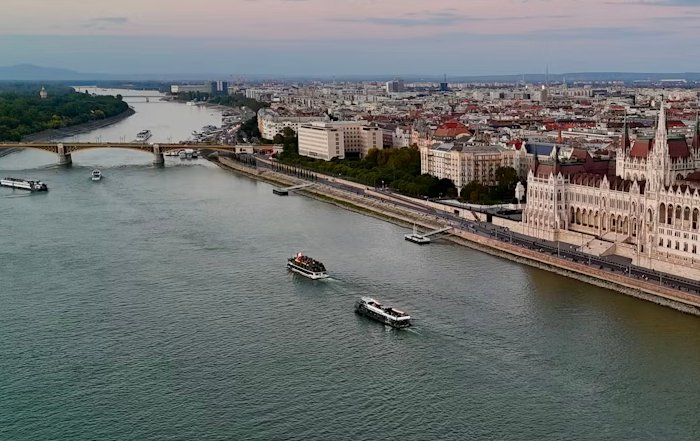
Unlike traditional ocean cruising, European river itineraries along the Danube, Rhine, Seine, Douro, Elbe, and other waterways provide intimate access to historic city centers, emerging secondary destinations, and rural landscapes that are often inaccessible by larger vessels. This proximity to the heart of cities such as Paris, Amsterdam, Vienna, Budapest, and Basel allows travelers to connect more deeply with local economies and cultures while maintaining the comfort and predictability that are increasingly valued in an era of geopolitical uncertainty, complex health considerations, and rapidly shifting travel regulations. For readers exploring new destinations and routes, river cruises now sit at the intersection of experiential travel and strategic planning.
Strategic Itineraries: From Iconic Rivers to Emerging Routes
The classic European river cruise map has long been dominated by the Rhine and Danube, which connect major cultural and commercial hubs from the Netherlands to Hungary, intersecting Germany, Austria, and beyond. These rivers remain core to the industry, with itineraries often starting in Amsterdam or Basel and weaving through cities such as Cologne, Koblenz, and Vienna, offering a mix of historical depth and contemporary European business culture. Travelers can better understand the broader economic context of these regions by exploring insights from institutions such as the European Central Bank and the European Commission, which help frame how these river corridors support trade, tourism, and regional development.
In recent years, however, there has been a marked expansion into new or previously underutilized waterways, particularly in France, Portugal, and Eastern Europe. The Seine has become a preferred route for travelers seeking a combination of Parisian sophistication and slower-paced countryside experiences in Normandy, while the Douro in Portugal offers dramatic landscapes and access to world-renowned wine regions. Travelers interested in the evolving economic and tourism profile of these countries can explore more context via organizations such as the OECD and the World Bank, which highlight how tourism, including river cruising, supports local growth and employment.
For those planning multi-country journeys or combining river cruises with land-based itineraries, WorldWeTravel.com serves as a practical hub that connects river routes with broader global travel planning, enabling travelers to align cruise schedules with business meetings, conferences, or extended family stays across Italy, Spain, Switzerland, Netherlands, and Scandinavia. As river cruise operators refine their itineraries to include more flexible embarkation and disembarkation points, travelers have greater freedom to integrate these voyages into complex, multi-purpose trips.
Business Travel and Bleisure on Europe's Rivers
The convergence of business and leisure-often referred to as "bleisure"-has become a defining characteristic of post-2020 travel behavior, and European river cruises are increasingly positioned as an efficient and strategic choice for global professionals. Executives and remote workers from Singapore, Japan, South Korea, Norway, Sweden, and Denmark are finding that river cruises offer an appealing environment for high-focus work sessions, team retreats, and client engagement, especially when compared with the logistical complexity of multi-city land itineraries. For readers exploring the future of work and mobility, WorldWeTravel.com provides additional perspective through its dedicated work and travel insights.
Modern river cruise vessels operated by leading brands such as Viking, AmaWaterways, Avalon Waterways, and Uniworld increasingly feature dedicated workspaces, reliable high-speed connectivity, and meeting facilities that can be adapted for small conferences or executive workshops. Organizations planning cross-border gatherings can use guidance from the World Travel & Tourism Council to better understand the regulatory, health, and sustainability dimensions of such events, while also leveraging the convenience of sailing directly into city centers where key partners and offices are located.
For businesses considering incentive travel, client hospitality, or strategic offsites, river cruises offer a controlled environment with predictable scheduling, which is particularly valuable in regions where rail or air networks may experience disruption. The ability to move teams through multiple markets-such as Germany, Austria, Hungary, and Slovakia-without repeated hotel changes or airport transfers supports both productivity and cost management. Those evaluating the economic impact and return on investment of such programs can draw on analysis from organizations like McKinsey & Company to contextualize the role of premium travel experiences in talent retention and client relations.
Family and Multigenerational Experiences on the Water
While river cruising was once perceived as an experience primarily aimed at older adults, the sector has significantly broadened its appeal to families and multigenerational groups, including travelers from North America, Europe, and the increasingly influential middle classes of China, India, and Brazil. Many river cruise lines now offer dedicated family itineraries, onboard educational programming, and shore excursions tailored to younger guests, making it easier for families to travel together without sacrificing comfort or cultural depth. For those planning complex family journeys, WorldWeTravel.com offers practical guidance and inspiration through its dedicated family travel section.
Families are drawn to river cruises for their logistical simplicity: unpacking once while exploring multiple cities, predictable daily schedules, and the safety of a controlled onboard environment. In destinations such as France, Italy, Spain, and the Netherlands, river itineraries can be combined with pre- or post-cruise stays in major urban centers, allowing children and teenagers to experience iconic landmarks while also gaining exposure to smaller towns and rural heritage sites. Resources such as UNESCO help highlight the cultural and historical significance of many ports of call, from medieval fortresses along the Rhine to baroque cityscapes along the Danube.
For multigenerational groups, river cruises offer a rare balance of shared experiences and personal space. Grandparents may choose slower-paced excursions or onboard activities, while parents and young adults participate in more active or specialized tours, such as cycling through German wine regions or exploring contemporary art districts in Basel or Rotterdam. Health and wellness considerations, particularly important for older travelers or those with specific medical needs, can be better understood through global health authorities such as the World Health Organization, while WorldWeTravel.com provides complementary insights in its health-focused travel coverage.
Hotels, Ships, and the New Standard of Floating Hospitality
The modern European river cruise vessel has increasingly come to resemble a boutique hotel, with design, service, and amenities that compete directly with upscale properties in major cities. For travelers accustomed to evaluating accommodations through platforms such as Booking.com or Tripadvisor, the distinction between a premium hotel and a premium river ship has become less about comfort and more about mobility and access. This evolution is particularly relevant for readers of WorldWeTravel.com who closely track hotel trends and lodging strategies across global markets.
Leading river cruise operators have invested heavily in cabin design, public spaces, and culinary programming, often collaborating with renowned architects, interior designers, and chefs to create an environment that reflects both local culture and international standards. Cabins now commonly feature floor-to-ceiling windows, French balconies, or full verandas, along with high-quality bedding, advanced climate control, and integrated technology for entertainment and connectivity. In parallel, onboard restaurants increasingly emphasize regional ingredients and partnerships with local producers, aligning with the broader shift toward sustainable and authentic gastronomy documented by organizations such as the UN World Tourism Organization.
From a business perspective, this convergence between hotels and river ships is reshaping how travelers allocate their budgets and time. Rather than booking separate hotels in Vienna, Budapest, or Cologne, many travelers now view the ship as their primary accommodation, using it as a mobile base from which to explore multiple markets. This model not only simplifies trip planning but also creates new opportunities for loyalty programs and corporate travel policies to incorporate river cruises as a standard option, particularly for extended stays or complex itineraries.
Technology, Connectivity, and the Rise of the Floating Office
By 2026, the digital infrastructure of European river cruises has advanced significantly, driven by the needs of remote workers, digital nomads, and globally distributed teams. High-speed satellite and terrestrial connectivity, once a luxury, is now a baseline expectation, enabling travelers to participate in video conferences, manage cloud-based workflows, and maintain continuous communication with colleagues and clients across time zones. For readers tracking the intersection of travel and digital transformation, WorldWeTravel.com offers ongoing coverage in its technology and travel analysis.
Cruise operators have responded by integrating robust Wi-Fi systems, dedicated co-working lounges, and private meeting rooms, often supported by partnerships with telecommunications providers and technology firms. This infrastructure allows professionals from the United States, Canada, United Kingdom, Singapore, and Australia to maintain full productivity while sailing between meetings in Frankfurt, Brussels, or Zurich, effectively turning the ship into a floating office or mobile headquarters. For a broader view of how connectivity is reshaping travel and commerce, resources such as the International Telecommunication Union provide valuable context on global digital access and infrastructure.
The integration of technology extends beyond connectivity to include advanced navigation systems, energy management tools, and passenger experience platforms. Mobile applications now allow travelers to customize shore excursions, manage dining reservations, and access real-time information about local events and transportation. At the same time, data-driven operations help cruise companies optimize fuel consumption, route planning, and resource allocation, aligning with broader trends in smart mobility and sustainable logistics. Those interested in the future of transport and mobility can explore further insights via organizations such as the International Transport Forum.
Health, Wellness, and Retreat-Style River Journeys
Health and wellness have moved from secondary considerations to central pillars of travel decision-making, and European river cruises have adapted accordingly. Many itineraries now incorporate wellness-focused programming, including onboard fitness facilities, yoga and meditation sessions, spa treatments, and nutritious cuisine options designed to support travelers with diverse dietary needs. For those seeking structured wellness retreats that balance relaxation, movement, and cultural immersion, WorldWeTravel.com offers tailored guidance through its retreat and wellness coverage.
The relatively small size of river vessels, combined with controlled passenger numbers and clear health protocols, appeals to travelers who prioritize safety and predictability. Operators have worked closely with health authorities and industry associations such as CLIA (Cruise Lines International Association) to implement robust sanitation, ventilation, and emergency response procedures, which can be better understood through resources from agencies such as the European Centre for Disease Prevention and Control. These measures are particularly reassuring for older travelers, families with young children, and professionals who must adhere to corporate health and risk guidelines.
Beyond physical health, river cruises increasingly emphasize mental well-being and stress reduction. Sailing quietly past terraced vineyards in Portugal, historic castles in Germany, or tranquil countryside in France offers a natural counterbalance to the intensity of modern work and urban life. Some operators have launched mindfulness-focused itineraries, combining guided reflection with cultural exploration in cities such as Prague, Vienna, and Budapest, thereby positioning river cruises as a compelling option for those seeking a structured yet flexible retreat from daily pressures.
Sustainability, Eco-Conscious Travel, and Local Impact
Sustainability has become a defining concern for globally aware travelers, and European river cruises are under increasing scrutiny to demonstrate environmental responsibility and positive local impact. The relatively controlled nature of river cruising-smaller ships, limited passenger numbers, and regulated waterways-offers inherent advantages over some forms of mass tourism, but it also demands rigorous standards in fuel efficiency, emissions reduction, and waste management. Travelers wishing to deepen their understanding of sustainable tourism trends can learn more about sustainable business practices through organizations such as the UN Environment Programme.
In response, many river cruise companies have invested in cleaner propulsion technologies, including hybrid engines and shore power connections that allow vessels to minimize emissions while docked in urban centers. Partnerships with local suppliers and communities are increasingly central to their operating models, with shore excursions designed to support small businesses, artisans, and cultural institutions rather than only large commercial entities. For readers of WorldWeTravel.com with a strong interest in eco-conscious decision-making, the platform's dedicated eco and sustainability section offers practical advice on evaluating cruise operators and itineraries.
The regulatory environment in Europe, shaped by bodies such as the European Environment Agency, continues to tighten standards around water quality, emissions, and port operations, which in turn encourages innovation in ship design and operational practices. Travelers from Scandinavia, Germany, Switzerland, and the Netherlands, where environmental awareness is particularly high, are often at the forefront of demanding transparency and measurable impact from cruise operators. This collective pressure contributes to a virtuous cycle in which the industry's long-term viability is closely tied to its environmental performance and its ability to demonstrate genuine stewardship of Europe's rivers and surrounding communities.
Cultural Immersion and Local Economies Along the Rivers
One of the most compelling advantages of European river cruises is their ability to connect travelers with local cultures and economies in both major cities and secondary destinations. Ports of call along the Rhine, Danube, Seine, Douro, and Main often include smaller towns and regional centers that are not always part of mainstream tourism circuits, allowing visitors from South Africa, Malaysia, New Zealand, Thailand, and elsewhere to experience a more nuanced view of European life. For those seeking to deepen their understanding of global cultural dynamics, WorldWeTravel.com provides extensive coverage in its culture and travel section.
Shore excursions increasingly emphasize authentic engagement, from visits to family-owned vineyards and artisanal workshops to guided walks led by local historians, architects, or culinary experts. Institutions such as the Council of Europe's cultural routes program help to highlight the broader networks of heritage, trade, and artistic exchange that many river ports belong to, enabling travelers to situate their experiences within a larger historical and cultural framework. This approach not only enriches the traveler's understanding but also helps channel tourism revenue into smaller communities that may benefit significantly from sustainable visitor spending.
The economic impact of river cruising on local economies is multifaceted, encompassing direct spending on food, retail, and services, as well as longer-term benefits such as job creation and infrastructure investment. Organizations like the World Economic Forum analyze how tourism, including river cruising, fits into broader national and regional competitiveness strategies, particularly in countries such as Hungary, Czech Republic, Portugal, and Croatia, where tourism plays a vital role in GDP and employment. For travelers who wish to align their spending with positive local outcomes, understanding these dynamics can be an important part of responsible trip planning.
Practical Tips for Planning a European River Cruise in 2026
Planning a European river cruise in 2026 requires a strategic approach that balances personal preferences, logistical considerations, and broader global trends. Seasonality remains a key factor, with spring and autumn often offering more moderate weather and fewer crowds than the peak summer months, particularly in popular regions such as France, Germany, and Austria. Water levels, which can be affected by climate variability, may influence route adjustments or ship substitutions, so travelers are advised to review operator policies and insurance options carefully. For additional guidance on optimizing timing, routes, and budgets, readers can consult the practical travel tips and planning resources available through WorldWeTravel.com.
Visa requirements, health regulations, and entry protocols remain dynamic across Europe, Schengen and non-Schengen countries, and neighboring regions, particularly for travelers from Asia, Africa, and South America. Official sources such as the Schengen Visa Info portal and national government websites provide up-to-date details, while global travelers can cross-reference information with airlines, cruise operators, and travel advisors to ensure compliance. Travelers who combine river cruises with extended land stays or business commitments should also consider local tax regulations and corporate travel policies, especially when integrating remote work or client meetings into their itineraries.
Selecting the right cruise line and ship involves evaluating not only price and itinerary but also sustainability credentials, health protocols, onboard culture, and the demographic profile of typical guests. Some operators position themselves toward a more formal, traditional experience, while others emphasize contemporary design, active excursions, or family-focused programming. For travelers comparing options across multiple regions and travel styles, WorldWeTravel.com provides a holistic perspective through its coverage of global economic trends in travel and its broader global travel insights, helping readers align their choices with personal values and long-term travel strategies.
River Cruising as a Strategic Component of Global Travel Portfolios
As of 2026, European river cruises occupy a distinctive and increasingly strategic position within the broader landscape of global travel. For the international audience of WorldWeTravel.com, which spans leisure travelers, business leaders, remote professionals, and multigenerational families from across North America, Europe, Asia-Pacific, Africa, and South America, river cruising offers a rare combination of efficiency, depth, and adaptability. It provides a platform where work, culture, wellness, and sustainability can coexist in a coherent and carefully managed environment.
By integrating river cruises into their broader travel portfolios-whether as stand-alone vacations, components of extended business trips, or anchors for regional explorations-travelers can optimize time, manage risk, and enhance the quality of their experiences. The continued evolution of technology, health standards, environmental practices, and cultural programming suggests that European river cruising will remain a dynamic and influential segment of the travel industry in the years ahead. As travelers plan their next steps, WorldWeTravel.com stands ready as a trusted partner, offering expert analysis, curated insights, and practical resources across travel, business, and every other dimension of the global journeys that define this era.