

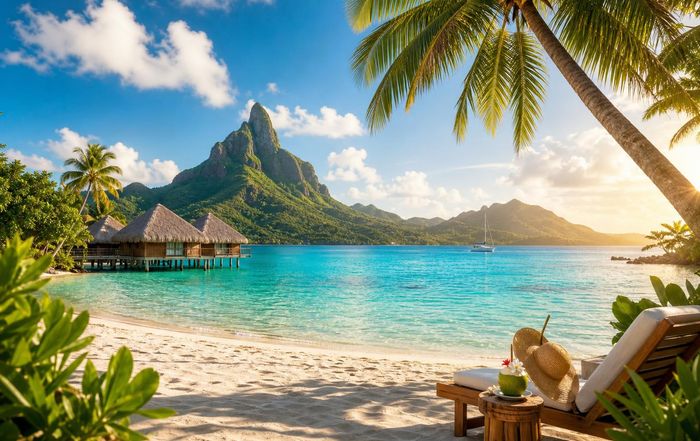
Top Island Destinations for a Relaxing Tropical Escape
Island travel has long been associated with stillness, restorative beauty, and the soothing rhythm of waves that seem to move in time with a slower, more intentional life. For super loyal and returning readers of WorldWeTravel, islands also represent something more: a chance to balance comfort with curiosity, to experience cultures shaped by the sea, and to support communities that depend on mindful tourism. As global travel has reopened and matured, tropical islands are redefining what relaxation can mean, combining wellness, sustainability, and authentic local experiences in ways that were far less visible a decade ago.
This guide explores some of the world's most compelling island destinations for a relaxing tropical escape, highlighting not only their beaches and resorts but also the cultural depth, environmental stewardship, and practical considerations that help travelers design journeys with purpose. It is written for families, couples, solo explorers, and business travelers who increasingly blend work and leisure, and who look to WorldWeTravel as a trusted companion in planning meaningful, restorative trips.
The New Meaning of Relaxation in Island Travel
Relaxation on tropical islands is no longer defined solely by sun loungers and cocktails, although both still have their place. Today, a tranquil island escape often includes wellness retreats, nature-based activities, slow food experiences, and space for digital detox. Many travelers seek destinations where they can disconnect from constant notifications while reconnecting with their own health, with loved ones, and with the natural world.
Organizations such as the World Tourism Organization (UNWTO) emphasize that post-pandemic travel trends show growing interest in slower itineraries and longer stays, especially in coastal and island destinations where visitors can integrate into local rhythms rather than rush from attraction to attraction. Reports from the World Travel & Tourism Council (WTTC) similarly note that travelers increasingly value sustainability and community engagement, factors that shape how island destinations develop accommodations, transport, and cultural offerings.
For readers planning their next journey, WorldWeTravel offers top curated guidance on global destinations and practical travel insights, helping align personal expectations of relaxation with the realities and opportunities of each island.
Maldives: Overwater Serenity and Marine Conservation
The Maldives has become synonymous with overwater villas, glass-bottom floors, and aquamarine lagoons. Situated in the Indian Ocean, its chain of atolls offers an atmosphere of seclusion that appeals to honeymooners, wellness seekers, and increasingly to families looking for safe, contained environments where children can explore shallow reefs and calm waters.
Many resorts in the Maldives operate on private islands, which gives them the ability to create highly controlled, tranquil environments. At the same time, this isolation places responsibility on each property to manage resources carefully. Organizations such as the UN Environment Programme (UNEP) and the International Union for Conservation of Nature (IUCN) have highlighted both the vulnerability of low-lying island nations to climate change and the importance of reef protection in the Maldives. Several resorts now host on-site marine biologists and coral restoration programs, allowing guests to participate in educational snorkeling tours or reef-monitoring activities that transform a relaxing holiday into a learning experience about ocean health.
Travelers considering the Maldives for a restorative escape can explore eco-conscious options through platforms such as Green Globe and learn more broadly about sustainable tourism practices from sources like UNWTO. On WorldWeTravel, the eco travel section provides additional context on how to choose resorts that balance luxury with environmental responsibility, including guidance on reef-safe sunscreen, respectful wildlife encounters, and minimizing waste on remote islands.
Hawaii, United States: A Fusion of Wellness, Culture, and Nature
The islands of Hawaii offer a distinctive blend of tropical landscapes, wellness traditions, and rich Indigenous culture. From the volcanic peaks of the Island of Hawaii to the dramatic cliffs and beaches of Kauai and the cosmopolitan, yet relaxed energy of Oahu, the archipelago caters to a wide range of travelers seeking rest and renewal.
Relaxation in Hawaii often intertwines with nature-based activities such as hiking, gentle coastal walks, and ocean swimming. Resources from the National Park Service provide detailed guidance on visiting sites like Hawai'i Volcanoes National Park, where visitors can experience the profound connection between land, sea, and the living geology of the islands. For those who prefer a softer pace, traditional healing practices such as lomilomi massage, yoga retreats, and farm-to-table dining emphasize balance and connection.
Cultural respect is central to a truly restorative Hawaiian escape. The Hawaii Tourism Authority and local organizations encourage visitors to learn about Native Hawaiian history and values, including the concept of mālama (to care for or protect), which extends to both people and place. Travelers can find reliable cultural background and etiquette guidance through sources like Go Hawaii and complement this knowledge with WorldWeTravel's culture-focused content, ensuring that relaxation does not come at the expense of local communities or heritage.
Caribbean Gems: Barbados, St. Lucia, and Beyond
The Caribbean remains one of the world's most iconic regions for tropical island escapes, but each island offers its own character and pace. Destinations such as Barbados, St. Lucia, and Antigua and Barbuda have invested in wellness, culinary experiences, and boutique accommodations that appeal to travelers seeking more than just a beach chair and a rum punch.
Barbados, with its mix of calm western shores and livelier southern coast, offers an inviting environment for families and couples who want safe swimming, historic sites, and a well-developed hospitality sector. The Barbados Tourism Marketing Inc. provides up-to-date information on events and attractions, while independent sources like Lonely Planet offer nuanced insights into neighborhoods, beaches, and cultural sites that support a slower, more immersive experience.
St. Lucia, known for the iconic Pitons and lush rainforests, has become a hub for wellness-oriented resorts and yoga retreats. Visitors can combine spa treatments and thermal baths with gentle hikes and boat excursions, creating a restorative rhythm of activity and rest. The island's tourism board and reputable travel media such as National Geographic Travel highlight opportunities for low-impact exploration, from birdwatching to snorkeling in marine reserves.
For travelers using WorldWeTravel to plan multi-island Caribbean journeys, the tips section can help with practical matters such as inter-island flights, cruise alternatives, and seasonal considerations, while the hotels guide supports careful selection of properties that prioritize both comfort and community engagement.
Thailand's Islands: Gentle Adventure and Island Calm
Thailand's islands, scattered across the Andaman Sea and the Gulf of Thailand, offer a wide spectrum of tropical experiences, from lively beach towns to quiet, wellness-focused hideaways. Islands such as Koh Samui, Koh Phangan, and Koh Lanta have become particularly well known for relaxed atmospheres that blend Thai hospitality with international wellness and culinary scenes.
Koh Samui, with its combination of luxury resorts, yoga retreats, and family-friendly beaches, has developed a reputation as a versatile destination where travelers can choose their preferred pace. Koh Phangan, once best known for its Full Moon Party, now also hosts respected meditation centers and detox retreats that emphasize mindfulness and plant-based nutrition. Koh Lanta, quieter and more laid-back, appeals to those who value extended stays, simple bungalows, and easy access to marine national parks.
Sustainable tourism is an increasingly important theme across Thai islands. The Tourism Authority of Thailand and organizations such as the Pacific Asia Travel Association (PATA) highlight initiatives to reduce plastic waste, protect coral reefs, and limit overcrowding in sensitive areas. Travelers can consult reputable sources like Responsible Travel to better understand how to minimize their impact while still enjoying snorkeling, diving, and boat trips.
Digital nomads and remote workers are also drawn to Thailand's islands, where co-working spaces and reliable internet coexist with palm-fringed beaches. WorldWeTravel's work and travel section explores how to balance productivity with wellbeing in such settings, including guidance on time-zone management, local etiquette, and maintaining healthy routines during extended stays.
Bali and the Indonesian Archipelago: Spiritual Calm and Coastal Retreats
Bali, part of the vast Indonesian archipelago, has become a global symbol of spiritual retreats, yoga, and creative communities, while still offering classic tropical relaxation by the sea. Areas such as Ubud, though inland, are often paired with coastal stays in places like Sanur, Canggu, or the quieter north and east coasts, creating itineraries that combine cultural exploration, wellness, and beach time.
Beyond Bali itself, islands such as the Gili Islands, Nusa Lembongan, and Nusa Penida provide more intimate settings with fewer cars, a strong focus on snorkeling and diving, and accommodations that range from simple eco-lodges to refined boutique hotels. The Indonesian Ministry of Tourism and Creative Economy promotes these destinations while increasingly emphasizing sustainable practices and community-based tourism, aligning with broader principles discussed by organizations such as the Global Sustainable Tourism Council (GSTC).
Travelers can deepen their understanding of Balinese culture, religious ceremonies, and etiquette through sources like Indonesia Travel and respected guidebooks, ensuring that temple visits and participation in local events are approached respectfully. On WorldWeTravel, the retreat section offers inspiration for wellness-focused stays in Bali and beyond, while the health section explores how yoga, meditation, and nature immersion can support long-term wellbeing.
Seychelles and Mauritius: Indian Ocean Elegance and Biodiversity
Located in the western Indian Ocean, Seychelles and Mauritius offer tranquil escapes that combine white-sand beaches with unique biodiversity and cultural diversity. Seychelles, an archipelago of granitic and coral islands, is renowned for its protected nature reserves, giant tortoises, and hiking trails that lead to secluded viewpoints and coves. The Seychelles Tourism Board and conservation organizations such as Nature Seychelles highlight how strict environmental protections have preserved much of the archipelago's natural beauty, creating an ideal setting for travelers who find relaxation in quiet beaches, birdwatching, and gentle exploration.
Mauritius, slightly larger and more developed, offers a different but equally appealing experience. Its multicultural society, with influences from Africa, India, Europe, and China, is reflected in its cuisine, festivals, and languages. Relaxation here often includes leisurely drives along coastal roads, visits to botanical gardens, and afternoons spent in calm lagoons protected by coral reefs. Resources from the Mauritius Tourism Promotion Authority and independent outlets like Conservation International provide insight into marine protection efforts and community-based tourism initiatives that align with growing traveler interest in responsible travel.
For readers of WorldWeTravel who are considering the Indian Ocean for a special occasion or extended break, the global travel section can help compare these destinations with other island options worldwide, taking into account factors such as flight routes, health considerations, and seasonal weather patterns.
Fiji and the South Pacific: Community, Culture, and Ocean Calm
In the South Pacific, Fiji stands out for its combination of welcoming culture, varied islands, and a strong tradition of hospitality. Many visitors describe a sense of immediate calm upon arrival, shaped by both the natural environment and the warmth of Fijian communities. The main islands, Viti Levu and Vanua Levu, host a range of resorts and guesthouses, while outer island groups such as the Mamanucas and Yasawas offer more remote, low-rise properties that emphasize quiet beaches and simple pleasures.
The Fiji Tourism board and organizations like the South Pacific Tourism Organisation underscore the importance of community-based tourism, where village visits, cultural performances, and local food experiences are offered in ways that respect tradition and share economic benefits more broadly. For families, Fiji is particularly appealing because of its family-friendly resorts, calm lagoons, and strong emphasis on childcare and activities, making it easier for parents to truly relax.
Travelers seeking in-depth knowledge about South Pacific marine environments can explore resources from the Secretariat of the Pacific Regional Environment Programme (SPREP) and The Nature Conservancy, which document conservation efforts and challenges in island ecosystems. On WorldWeTravel, the family travel section offers additional guidance on planning multi-generational trips to Fiji and other Pacific islands, considering everything from flight duration to health and safety.
Caribbean and Atlantic Islands Close to North America and Europe
For travelers based in North America and Europe, proximity can be a key factor in choosing a relaxing island break, particularly when time is limited or when traveling with young children. Islands such as Bermuda, the Bahamas, and the Canary Islands offer relatively shorter flights while still providing warm climates, beaches, and opportunities for rest.
Bermuda, situated in the North Atlantic, is known for its pink-sand beaches, pastel-colored houses, and a refined yet relaxed atmosphere that appeals to couples and business travelers combining meetings with leisure. Official resources from GoToBermuda and independent analyses from outlets like BBC Travel offer insight into seasonal weather, cultural events, and outdoor activities such as sailing and golf.
The Bahamas, with its extensive archipelago, allows travelers to choose between more developed hubs like Nassau and quieter islands such as Exuma or Eleuthera. Conservation organizations and the Bahamas Ministry of Tourism highlight efforts to protect marine life, especially sharks and coral reefs, which are central to snorkeling and diving experiences. In the eastern Atlantic, the Spanish Canary Islands offer a subtropical climate, varied landscapes, and well-established tourism infrastructure, making them a favored destination for Europeans seeking winter sun and mild temperatures.
Readers of WorldWeTravel can use the economy and travel insights to better understand how flight costs, exchange rates, and local prices shape the overall value of these closer-to-home island escapes, particularly when comparing them with longer-haul destinations in the Pacific or Indian Ocean.
Wellness, Health, and the Science of Rest
A relaxing tropical escape is not only about external surroundings; it is also about internal states of mind and body. Research from organizations such as the World Health Organization (WHO) and peer-reviewed journals accessible through PubMed suggests that time spent in natural environments, including coastal and island settings, can reduce stress markers, improve mood, and support better sleep. Exposure to natural light, moderate physical activity such as walking or swimming, and breaks from digital devices contribute to these benefits.
Wellness-focused resorts and retreats increasingly incorporate evidence-informed practices such as structured sleep programs, nutrition consultations, and guided mindfulness or breathing exercises. Travelers can learn more about these approaches through reputable organizations like the Global Wellness Institute and cross-reference claims with independent health information from sources such as Mayo Clinic. WorldWeTravel's health-focused content helps readers evaluate wellness offerings critically, distinguishing between marketing language and programs that are grounded in credible science.
For those who combine work and travel, particularly in the era of widespread remote work, islands with reliable connectivity and supportive infrastructure can offer a unique blend of productivity and restoration. The technology and travel section explores how to manage screen time, digital boundaries, and ergonomic considerations even in idyllic settings, ensuring that a tropical escape supports long-term wellbeing rather than leading to burnout in a different climate.
Sustainable Island Travel: Protecting Paradise While Enjoying It
As interest in tropical islands grows, so does the responsibility to travel in ways that sustain rather than strain fragile ecosystems and communities. Many islands face challenges related to climate change, such as sea-level rise, coral bleaching, and extreme weather, documented by bodies like the Intergovernmental Panel on Climate Change (IPCC) and UNEP. Over-tourism, waste management, and freshwater availability are additional concerns in some destinations.
Travelers can support positive change by choosing accommodations with credible sustainability certifications, respecting local regulations in marine protected areas, and learning more about sustainable business practices through resources such as Sustainable Travel International. Simple actions, including reducing single-use plastics, supporting local businesses, and participating in beach cleanups or conservation activities organized by reputable NGOs, can meaningfully contribute to preserving the very environments that make island escapes so appealing.
WorldWeTravel is committed to highlighting destinations and operators that align with these principles, curating stories and recommendations that help readers enjoy tropical islands while also supporting their long-term resilience. The eco travel hub and broader WorldWeTravel site offer evolving guidance as new initiatives, certifications, and best practices emerge around the world.
Choosing the Right Island for a Personal Vision of Rest
There is no single "best" island for relaxation; rather, each traveler's ideal destination depends on personal preferences, travel time, budget, and the type of restoration they seek. Those who dream of overwater villas and pristine lagoons may gravitate toward the Maldives or Bora Bora, while others who value cultural immersion and spiritual retreats may find Bali or certain Thai islands more fulfilling. Families might prioritize calm waters and childcare facilities in places like Fiji or Barbados, whereas remote workers could focus on connectivity and time zones in destinations such as Hawaii or the Canary Islands.
By combining positive daily edited resources, local expertise, and the curated insights available through WorldWeTravel across destinations, hotels, family travel, tips, and global perspectives, travelers can design island escapes that are not only relaxing but also enriching and responsible. In an era when time away feels more precious than ever, choosing islands that offer both tranquility and depth can transform a simple holiday into a meaningful chapter in one's broader journey through the world.