

The Economic Power of Hosting International Events in 2026
Hosting major international events has evolved from a symbolic prestige project into a deliberate economic and strategic decision for governments, cities, and regions across the world. In 2026, as travel rebounds, supply chains recalibrate, and digital technologies reshape how people meet and move, global sporting competitions, expos, summits, and cultural festivals are being reassessed not only for their spectacle, but for their measurable contribution to growth, jobs, infrastructure, and national reputation. For the audience of WorldWeTravel.com, which spans business leaders, policy makers, investors, families, and globally minded travelers, understanding the economics behind these events is increasingly essential to making informed decisions about where to invest, where to travel, and where to expand business operations.
Global Visibility as a Strategic Asset
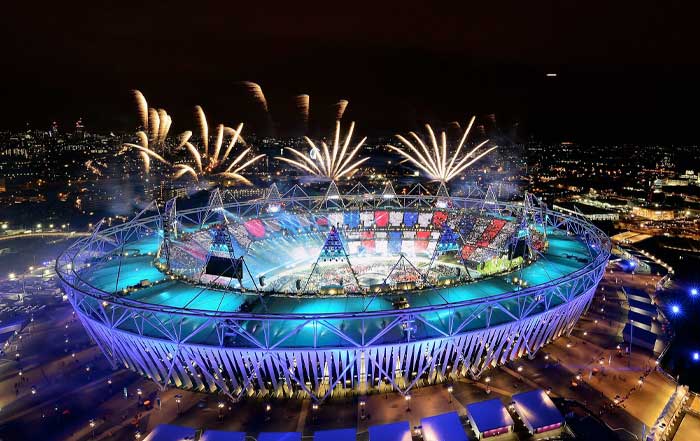
Elevated global visibility remains one of the most powerful and immediate outcomes of hosting an international event. When a city such as London, Tokyo, or Los Angeles welcomes the Olympic Games, or when a country like the United Arab Emirates stages a world expo, the resulting media coverage, digital engagement, and social media amplification can fundamentally shift how that destination is perceived by international audiences. In an era where travelers and investors compare destinations in real time, this visibility has direct implications for tourism flows, corporate location decisions, and international partnerships.
Historical precedents remain instructive even in 2026. The 2008 Beijing Olympics did more than showcase elite athletic performance; it signaled the scale and sophistication of China's infrastructure, logistics, and organizational capabilities, underscoring its role as a central player in global trade and investment. Similarly, the 2010 FIFA World Cup in South Africa reframed perceptions of the country and, by extension, the African continent, highlighting modern stadiums, upgraded airports, and a vibrant cultural scene that challenged outdated stereotypes. These examples continue to inform how governments from Brazil to Japan evaluate the reputational return on investment generated by hosting.
For destinations that are less prominent on the global tourism map, hosting an event can create a step-change in awareness. Cities in Eastern Europe, Southeast Asia, or Latin America that host regional games or cultural festivals often see dramatic increases in international search interest and media mentions, which can translate into long-term visitor growth if supported by targeted marketing and improved connectivity. Organizations such as the World Tourism Organization provide data and frameworks to help destinations learn more about tourism's economic impact and convert visibility into sustained demand.
At WorldWeTravel.com, this dynamic is reflected in how readers research and compare global destinations. Cities that have recently hosted major events consistently attract higher interest from both leisure and business travelers, demonstrating that visibility, when paired with reliable infrastructure and clear value propositions, can reshape travel and investment patterns for years after the closing ceremony.
Immediate Economic Stimulus Through Visitor Spending
The most visible and quantifiable short-term benefit of international events is the surge in visitor spending. Large-scale events attract international spectators, corporate delegations, media professionals, and support staff, while also mobilizing domestic travelers who might not otherwise visit the host city. This influx stimulates demand for hotels, short-term rentals, restaurants, transport, retail, entertainment, and local services.
During events such as the London 2012 Olympics or the 2019 Rugby World Cup in Japan, hotel occupancy rates in host cities approached or reached capacity, with average daily room rates rising significantly. For many properties and chains, these events act as revenue peaks that help offset weaker periods and justify investments in refurbishment or expansion. Business and leisure travelers using WorldWeTravel.com often rely on curated accommodation insights to evaluate such markets, and hosts that have invested wisely in diversified lodging options benefit from repeat visitors who return long after the event itself. Those seeking to understand these dynamics in more detail can explore our dedicated hotels and accommodation insights.
The spending impact extends beyond hospitality. Local restaurants, cultural venues, small retailers, and service providers experience heightened demand, often leading to extended operating hours and temporary hiring. According to analysis from institutions such as the International Monetary Fund, short-term spending surges can meaningfully lift quarterly GDP figures in host countries, particularly in smaller or tourism-dependent economies. Executives and policymakers can explore global economic trends to benchmark performance and better understand how event-driven spikes fit into broader macroeconomic cycles.
Crucially, domestic participation amplifies these gains. Residents often spend more on transportation, dining, and entertainment during event periods, and cities that design fan zones, cultural programs, and public viewing areas can spread economic benefits beyond the primary venues. For families planning travel around such events, platforms like WorldWeTravel.com provide guidance on combining attendance with broader family-friendly travel experiences, extending stays and diversifying spending across regions.
Infrastructure Development and Urban Transformation
One of the most enduring legacies of hosting international events lies in infrastructure. To meet the standards set by organizations like the International Olympic Committee and FIFA, host cities often upgrade airports, expand public transport networks, modernize telecommunications, and invest in public spaces. When aligned with a long-term urban strategy, these investments can significantly enhance quality of life, business attractiveness, and resilience.
The transformation of Barcelona for the 1992 Olympics remains a benchmark case. The redevelopment of the waterfront, the opening of the city to the sea, and the modernization of transport links catalyzed a long-term tourism boom and elevated the city's status as a hub for conferences, technology firms, and creative industries. Similar patterns have been observed in Sydney, Vancouver, and London, where Olympic-related regeneration projects revitalized underused districts and attracted new residents and businesses.
In 2026, sustainability and climate resilience have become central to infrastructure planning. Cities are under growing pressure from citizens, investors, and international bodies to ensure that stadiums, transport systems, and public spaces are energy-efficient, accessible, and adaptable. Organizations such as UN-Habitat provide frameworks to learn about sustainable urban development, encouraging host cities to embed green building standards, low-emission mobility, and inclusive design into their event-related projects.
For readers of WorldWeTravel.com focused on long-term global trends, our global and regional analysis highlights how event-driven infrastructure investments are influencing where multinational companies locate offices, where conferences are held, and which cities emerge as new hubs for innovation. Importantly, the most successful hosts are those that design venues with post-event uses in mind, ensuring that facilities become community assets, training centers, or multipurpose arenas rather than underutilized "white elephants."
Job Creation, Skills, and Workforce Development
The preparation, staging, and legacy phases of international events generate substantial employment opportunities. Construction projects create demand for engineers, architects, project managers, and skilled trades, while event operations require professionals in logistics, security, hospitality, marketing, media, and technology. In countries such as Brazil, Russia, and Qatar, major sports events have been linked to hundreds of thousands of direct and indirect jobs, providing income and experience for local workers.
Although many roles are temporary, the cumulative impact on skills and employability can be significant. Workers engaged in large-scale, deadline-driven projects often acquire competencies in project management, cross-cultural communication, health and safety standards, and customer service that are valued across industries. This is particularly relevant for younger workers in Europe, Asia, and Africa, where youth unemployment remains a concern and international events can serve as practical training grounds.
Organizations such as the International Labour Organization have documented how event-related employment, when supported by fair labor practices and targeted training, can contribute to more inclusive growth. Business leaders and HR professionals can explore global labor market insights to assess how event hosting aligns with broader workforce development strategies. For professionals considering short-term assignments or career moves linked to these events, WorldWeTravel.com offers resources on international work and mobility, helping individuals evaluate opportunities in host cities from Canada to Singapore.
In parallel, local businesses that supply services to events-catering firms, transport operators, technology providers, creative agencies-often upgrade their capabilities to meet international standards. This can include adopting new digital tools, enhancing cybersecurity, improving quality control, and formalizing processes, all of which strengthen competitiveness in both domestic and export markets.
Trade, Investment, and Business Ecosystems
Beyond tourism and jobs, international events function as powerful platforms for trade and investment promotion. Governments and business associations typically organize investment forums, trade fairs, and sector-specific conferences alongside flagship events, inviting corporate leaders, investors, and innovators from North America, Europe, Asia, and beyond. These gatherings facilitate networking, negotiations, and deal-making that can lead to new factories, research centers, joint ventures, and export contracts.
The experience of Shanghai during the 2010 World Expo illustrated how a well-orchestrated event can accelerate foreign direct investment inflows and position a city as a global gateway. Similarly, Dubai's Expo 2020 reinforced the emirate's role as a hub for logistics, finance, and technology across the Middle East, Africa, and South Asia, with long-term benefits that continue to unfold through new free zones, innovation districts, and tourism developments.
In 2026, as supply chains diversify and companies reassess geographic risk, the ability of a host city to showcase its infrastructure, regulatory environment, and talent pool in a concentrated period is particularly valuable. Organizations such as the World Bank provide tools and data to help investors understand business environments worldwide, and many use major events as focal points for site visits and strategic assessments. Readers of WorldWeTravel.com interested in the intersection of travel and commerce can explore our dedicated business travel and investment coverage, which tracks how events influence corporate location decisions from Germany to Thailand.
Soft Power, Culture, and National Branding
While economic metrics are central, the less tangible dimension of soft power is increasingly recognized as a core outcome of hosting. Events allow nations to project narratives about their history, values, innovation, and openness, shaping how citizens, investors, and policymakers in other countries perceive them. Opening ceremonies, cultural programs, volunteer initiatives, and public diplomacy efforts all contribute to this narrative.
The 2018 PyeongChang Winter Olympics in South Korea demonstrated how sport can intersect with diplomacy, providing a stage for symbolic gestures and dialogue between North and South Korea. Cultural showcases during events in France, Italy, Spain, and Japan have highlighted culinary traditions, design, music, and technology, reinforcing these countries' reputations as centers of creativity and lifestyle. Organizations such as the British Council explore these dynamics in depth, and those interested can explore the concept of soft power to understand how cultural influence translates into economic and political benefits.
For travelers and businesses engaging with host countries, this cultural dimension is more than spectacle; it shapes the lived experience of visiting or operating in a destination. At WorldWeTravel.com, our coverage of culture and local experiences helps readers interpret how events fit into broader national identities, from design festivals in Scandinavia to music and film events in North America and South America. As hybrid and digital formats expand, the reach of these cultural programs extends beyond physical attendees, enabling hosts to engage global audiences in China, India, Brazil, and beyond.
Sustainability, Health, and Responsible Hosting
By 2026, expectations surrounding sustainability, health, and social responsibility have become central to how international events are evaluated. Environmental groups, citizens, and investors increasingly scrutinize hosts on carbon emissions, waste management, biodiversity impacts, and social inclusion. Health considerations, shaped by the experience of the COVID-19 pandemic, continue to influence venue design, crowd management, and travel protocols.
Leading hosts now integrate renewable energy, circular economy principles, and low-carbon transport into their planning. The International Olympic Committee and other governing bodies have updated their requirements to emphasize sustainability, while organizations such as the United Nations Environment Programme offer guidance to learn more about sustainable event practices. Destinations that align event strategies with national climate commitments and urban resilience plans are better positioned to attract both visitors and responsible investors.
Health security is equally critical. Robust public health systems, transparent communication, and digital tools for monitoring and managing outbreaks are now viewed as prerequisites for large gatherings. Institutions such as the World Health Organization provide frameworks to understand international health guidelines, and travelers increasingly factor health preparedness into their decisions. On WorldWeTravel.com, our health and travel insights help readers assess how destinations from Switzerland to Malaysia manage health risks while welcoming international visitors.
Sustainability also extends to social outcomes. Hosts are expected to avoid forced displacement, protect vulnerable communities, and ensure that economic benefits are broadly shared. Inclusive hiring, accessible venues, and community consultation are now part of responsible hosting standards, and destinations that neglect these considerations risk reputational damage that can outweigh short-term gains.
Technology, Innovation, and the Future of Events
The technological landscape of international events has changed dramatically, and by 2026, digital innovation is as central to success as physical infrastructure. High-capacity 5G and emerging 6G networks, advanced ticketing and identity systems, AI-driven crowd management, and immersive broadcast technologies have redefined how events are experienced both on-site and remotely. For many hosts, events serve as testbeds for smart city solutions that later become permanent features.
Cities in the United States, United Kingdom, Singapore, and South Korea have used events to pilot autonomous shuttles, real-time translation services, and integrated mobility apps. Technology companies and startups partner with organizing committees to demonstrate solutions that can later be scaled to other markets. Organizations such as the World Economic Forum analyze these trends, and executives can explore insights on technology and mobility to anticipate how events will shape future urban systems.
For the global audience of WorldWeTravel.com, our technology and travel section tracks how innovations such as biometric border control, digital health passes, and AI-enhanced security are changing the traveler journey to and from major events. As hybrid formats allow people in Canada, Australia, Norway, or New Zealand to participate virtually in conferences or cultural programs hosted in Europe or Asia, the economic and reputational reach of events extends well beyond physical attendance.
Managing Risks and Maximizing Legacy
Despite their potential, international events carry real risks. Cost overruns, underutilized facilities, social tensions, and environmental damage can undermine the anticipated benefits. The experience of some past hosts has prompted a more cautious, data-driven approach, in which feasibility studies, public consultation, and independent oversight are used to align event plans with long-term development strategies.
Financially, prudent hosts now favor modular venues, temporary structures, and the refurbishment of existing facilities over costly new builds. Independent budget reviews, transparent procurement, and public reporting help maintain trust and reduce the likelihood of unsustainable debt. Organizations such as the Organisation for Economic Co-operation and Development offer analysis to learn more about sustainable public investment, which governments can use when designing event-related spending programs.
From a planning perspective, the most successful hosts begin with legacy in mind. They define how venues will be repurposed, how transport upgrades will serve residents, and how skills gained by workers and volunteers will be recognized and redeployed. For travelers and investors assessing future host cities, WorldWeTravel.com provides practical tips and strategic insights that highlight which destinations are managing legacy thoughtfully, from Netherlands cycling infrastructure improvements to cultural district regeneration in France or Italy.
What This Means for Travelers, Families, and Businesses
For the global community engaging with WorldWeTravel.com, the economic logic of hosting international events has direct implications for personal and professional decisions. Families considering travel to Japan, Spain, or Canada may choose to align their trips with festivals or tournaments, benefiting from enhanced services and programming while also navigating higher prices and crowds. Our dedicated travel planning hub helps readers balance these factors, combining event attendance with quieter retreats, wellness stays, or cultural excursions.
Businesses evaluating expansion into markets such as Singapore, Germany, or Brazil can use upcoming events as focal points for market entry, customer engagement, and partnership building, leveraging the concentration of stakeholders and the improved infrastructure that often accompany hosting. For executives seeking reflective breaks or strategic offsites, our retreat and wellness coverage highlights destinations that combine event-driven dynamism with spaces for rest and renewal.
Finally, for those committed to responsible and sustainable travel, the rise of green standards and social accountability in event hosting aligns with broader trends in eco-conscious tourism. Readers can explore our eco and sustainability section to identify destinations that not only host compelling international events but do so in ways that respect the environment and local communities.
As the world navigates economic uncertainty, technological disruption, and shifting geopolitical dynamics, international events remain powerful catalysts for growth, connection, and transformation. When planned strategically and managed responsibly, they offer hosts a unique opportunity to accelerate infrastructure development, enhance global reputation, stimulate trade and investment, and create lasting value for citizens and visitors alike. For the audience of WorldWeTravel.com, understanding these dynamics is key to making informed choices about where to travel, where to invest, and how to participate in the evolving global landscape of events that will shape the remainder of this decade and beyond.