

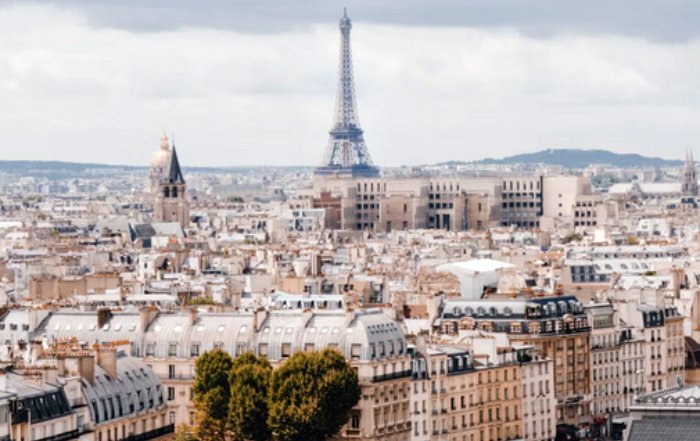
France: A Strategic Hub for Global Travel, Culture, and Business
France stands as one of the clearest mirrors of how global travel, culture, and business are evolving, and for the international readership of WorldWeTravel.com, the country has become both a preferred destination and a benchmark for understanding the future of mobility, hospitality, and cross-border collaboration. From the renewed energy of Paris after successive waves of urban transformation to the increasingly connected regions stretching from Brittany to Provence and from the Atlantic to the Alps, France offers a layered proposition that speaks simultaneously to leisure travelers, families, corporate leaders, digital professionals, and culture-focused explorers. As global travel patterns stabilize after years of disruption, France's blend of historical gravitas, economic resilience, and innovation-driven policy positions it at the center of conversations about where, why, and how people move around the world.
For readers planning complex itineraries or evaluating France in comparison with other key markets such as the United States, the United Kingdom, Germany, Canada, Australia, or Singapore, the editorial perspective of WorldWeTravel.com is shaped by direct engagement with travelers and businesses who use France as a gateway to Europe and a reference point for travel standards worldwide. The country's performance in tourism, technology, sustainability, and wellness is no longer viewed in isolation but as part of a global system in which destinations compete not just on beauty or heritage, but on trustworthiness, infrastructure quality, regulatory stability, and the ability to deliver experiences that are simultaneously efficient, safe, and meaningful. Within this context, France's evolution between 2020 and 2026 offers critical insights for decision-makers across sectors who follow global travel trends and experiences to inform their own strategies.
France's Strategic Role in the Global Travel Network
By 2026, France has reaffirmed its status as one of the world's most visited countries, anchored by its central position in Western Europe and by a transport and tourism ecosystem that allows travelers from North America, Asia, the Middle East, and Africa to use the country as both a primary destination and a multi-country gateway. Paris Charles de Gaulle and Paris Orly remain core aviation hubs, while regional airports in cities such as Lyon, Nice, Marseille, Toulouse, and Bordeaux have expanded their long-haul and low-cost connections, giving travelers from markets like the United States, Canada, the United Kingdom, Germany, and the Nordics a broader range of entry points. For those comparing connectivity and route networks, international organizations such as the International Air Transport Association (IATA) continue to provide data on capacity, demand, and sustainability initiatives, and readers can review these developments through IATA's official website when assessing optimal flight strategies.
Complementing this air infrastructure, France's high-speed rail network, led by SNCF and its TGV and Ouigo services, has become even more central to European mobility as environmental regulation and consumer preference push travelers toward lower-carbon modes of transport. Direct high-speed links between Paris and London, Brussels, Amsterdam, Frankfurt, Barcelona, and Milan enable multi-country itineraries that are particularly attractive to visitors from the United States, Canada, Australia, and Asia who seek to combine several European capitals in a single trip. For readers of WorldWeTravel.com planning such journeys, the curated guidance on destinations and routes helps position France not as an isolated stop, but as a flexible anchor for broader European exploration that can be adapted to family travel, business agendas, or extended work-and-travel stays.
Paris in 2026: Cultural Capital and Business Engine
Paris remains the gravitational center of France's global profile, and in 2026 it continues to refine a dual identity as both a cultural icon and a business powerhouse. The city hosts major international organizations such as UNESCO, the OECD, and the Financial Action Task Force (FATF), while also serving as a base for multinational groups in finance, luxury goods, technology, and media. The La Défense business district, the revitalized areas around Gare Saint-Lazare and Gare d'Austerlitz, and innovation corridors in eastern Paris illustrate how the city is reconfiguring space to accommodate hybrid work, flexible offices, and large-scale conferences. Business travelers and corporate planners who use WorldWeTravel.com as a strategic resource often combine this institutional landscape with targeted insights on business travel and meetings to ensure that trips to Paris align with broader corporate and market objectives.
Culturally, Paris continues to exert a global pull that is amplified by digital platforms and streaming media, with institutions such as the Louvre Museum, and the Centre Pompidou reinforcing their role as global reference points for art and heritage. The Louvre's ongoing modernization of visitor flows and digital access, documented on its official site, exemplifies how leading museums are balancing mass tourism with quality of experience and conservation imperatives. In parallel, the city's fashion ecosystem, driven by groups such as LVMH and Kering, ensures that Paris Fashion Week remains one of the most influential events in global fashion, drawing professionals from the United States, the United Kingdom, South Korea, Japan, and China. For WorldWeTravel.com readers, this concentration of culture and commerce translates into itineraries that can weave together gallery visits, fine dining, and retail scouting with board meetings and investor roadshows, supported by editorial content on urban travel experiences tailored to a time-constrained but experience-driven audience.
Regional France: Diversified Destinations and Local Strength
Beyond Paris, the real depth of France as a travel and business hub emerges in its regions, which in 2026 have become more assertive in promoting their distinct identities and sectoral strengths. The Atlantic coast, including Brittany and Pays de la Loire, offers maritime heritage, emerging offshore wind projects, and a slower pace that appeals to families and remote workers seeking a balanced lifestyle. The south of France, from Occitanie to Provence-Alpes-Côte d'Azur, continues to attract visitors with Mediterranean landscapes, wine regions, and festival culture, while also hosting major events such as the Cannes Film Festival and MIPIM, which function as global marketplaces for cinema and real estate. Readers interested in how such events shape investment patterns and hospitality development can complement WorldWeTravel.com insights with broader tourism and economic indicators published by the World Travel & Tourism Council (WTTC), accessible via its website.
In the east, regions such as Grand Est, Bourgogne-Franche-Comté, and Auvergne-Rhône-Alpes combine industrial heritage, advanced manufacturing, and mountain tourism, making them relevant not only for leisure travelers but also for German, Swiss, Italian, and Nordic companies that see France as a partner in cross-border value chains. Wine regions like Bordeaux, Burgundy, Champagne, and the Rhône Valley have refined their wine tourism offerings, integrating vineyard visits, gastronomy, and heritage stays that appeal to affluent visitors from North America, the United Kingdom, and Asia. For WorldWeTravel.com, this regional diversification is central to advising readers who wish to go beyond Paris and build itineraries that reflect personal interests-whether culinary, cultural, outdoor, or business-related-using the structured overviews available on the site's destinations hub.
France for Families: Education, Safety, and Multigenerational Travel
By 2026, France has consolidated its reputation as one of Europe's most family-friendly destinations, particularly for multigenerational trips originating in North America, the United Kingdom, Germany, Scandinavia, and increasingly from Asia and the Middle East. The combination of robust public infrastructure, high safety standards, and dense cultural offerings makes it possible to design itineraries that accommodate children, parents, and grandparents with relative ease. Disneyland Paris remains a major anchor for family travel, especially for visitors from the United Kingdom, Spain, Italy, and the Benelux countries, while other attractions such as the Parc Astérix and the Puy du Fou historical theme park offer alternatives that highlight French storytelling and heritage. For parents seeking to balance entertainment with cultural depth, WorldWeTravel.com provides practical frameworks for family-oriented travel planning, covering factors such as transportation logistics, child-friendly accommodation, and health considerations.
Educational tourism has expanded significantly, with many families treating travel to France as an investment in cultural literacy and global awareness. Visits to the Palace of Versailles, the D-Day landing beaches in Normandy, Roman sites in Némes and Arles, or the medieval city of Carcassonne are increasingly integrated into school curricula and language-learning goals for students from the United States, Canada, Brazil, China, and Singapore. Organizations such as Campus France offer detailed information on short-term study programs, university exchanges, and language courses, and interested families can explore these options via the Campus France portal. For the editorial team at WorldWeTravel.com, this convergence of travel and education underscores the need to present France not merely as a leisure destination, but as an environment where knowledge, history, and intercultural competence can be experienced in situ.
Business Travel, Conferences, and the Hybrid Work Era
The business travel landscape in France in 2026 reflects a world in which hybrid work is normalized, but in-person interaction remains critical for strategic decisions, innovation, and relationship-building. Paris, Lyon, Marseille, Toulouse, and Bordeaux serve as key nodes for international conferences, trade fairs, and sector-specific summits, including aerospace, climate technology, fintech, luxury, and artificial intelligence. The city of Lyon, for example, has strengthened its role as a life sciences and biotech hub, while Toulouse remains central to global aerospace through Airbus and its extended ecosystem. Corporate decision-makers who rely on WorldWeTravel.com for planning are increasingly interested in how to combine these professional obligations with experiential add-ons, a trend reflected in the site's coverage of work-focused travel and itineraries that blend meetings with cultural and wellness activities.
France's startup and innovation ecosystem has matured substantially, with Station F in Paris still recognized as one of the world's largest startup campuses and a symbol of the country's entrepreneurial ambitions. Government-backed initiatives such as La French Tech continue to attract founders and investors from the United States, the United Kingdom, Germany, the Nordics, and Asia, offering funding programs, visa facilitation, and international soft-landing schemes. Prospective investors and entrepreneurs can learn more about these policies and networks through La French Tech's official site. For WorldWeTravel.com, this innovation dynamic is not just a business story; it shapes the expectations of a new generation of travelers who are at once professionals, remote workers, and lifestyle seekers, and who evaluate destinations like France based on connectivity, ecosystem vibrancy, and quality of life.
Hospitality and Hotels: From Palaces to Purpose-Driven Stays
France's hotel and hospitality sector in 2026 spans a spectrum that reflects both tradition and transformation, from historic palace hotels in Paris and the Riviera to design-led boutique properties in secondary cities and eco-lodges in rural landscapes. Iconic brands such as Four Seasons, Accor, Relais & Châteaux, and Belmond continue to operate flagship properties that define the global standards of luxury, often in partnership with Michelin-starred chefs and recognized wellness practitioners. At the same time, mid-range and budget segments have expanded through both international chains and local groups, ensuring that visitors from a wide range of markets, including South Africa, Brazil, Malaysia, and New Zealand, can access France's cultural and natural assets at various price points. Readers seeking to navigate this diversity rely on WorldWeTravel.com's curated recommendations on hotels and lodging, which emphasize not only comfort and design, but also location, service consistency, and value.
International organizations such as the World Tourism Organization (UNWTO) have highlighted how France's hospitality sector is adapting to new demands around sustainability, digitalization, and inclusivity, and interested readers can explore these macro trends via UNWTO's website. Many French properties now integrate energy efficiency, waste reduction, and local sourcing into their core operations, while also deploying digital tools for seamless check-in, concierge services, and personalization. For the business audience of WorldWeTravel.com, this evolution is closely monitored, as corporate travel policies increasingly incorporate environmental, social, and governance criteria when selecting partner hotels and venues, making France's hospitality strategy a reference point for other destinations in Europe, Asia, and the Americas.
Technology, Smart Mobility, and the Connected Traveler
Digital technology has become inseparable from the travel experience, and France in 2026 offers a clear illustration of how smart mobility and data-driven services can enhance both visitor satisfaction and operational efficiency. Major cities such as Paris, Lyon, and Nice have invested in integrated mobility platforms that combine metro, tram, bus, bike-sharing, and scooter-sharing into unified apps, while digital ticketing and contactless payments have become standard across public transport and many cultural institutions. For travelers from tech-forward markets like Singapore, South Korea, Japan, and the Nordic countries, these systems meet expectations for frictionless movement, and WorldWeTravel.com explores these developments in its coverage of travel technology and innovation, offering comparative perspectives with other global hubs.
Beyond short-term visitors, France has become increasingly attractive to digital nomads and remote professionals who seek medium-term stays in cities such as Paris, Bordeaux, Nantes, or Nice, as well as in more rural or coastal areas that offer a quieter environment without sacrificing connectivity. High-speed broadband coverage, the proliferation of co-working spaces, and the presence of international communities make it easier for professionals from the United States, the United Kingdom, Germany, the Netherlands, and Australia to integrate work and lifestyle. For those evaluating France's digital infrastructure and competitiveness in a broader policy context, the OECD provides comparative data and analysis accessible via its official portal, which can complement the on-the-ground insights shared through WorldWeTravel.com's business and technology sections.
Health, Wellness, and Retreat Tourism in a Post-Pandemic World
Health and well-being remain central criteria in travel decision-making, and France's deep-rooted traditions in thermalism, spa culture, and preventive health have gained new relevance in 2026. Historic spa towns such as Vichy, Evian-les-Bains, Aix-les-Bains, and Bagnoles-de-l'Orne have repositioned themselves as integrated wellness destinations, offering medical supervision, hydrotherapy, and holistic programs that appeal to visitors from across Europe, North America, and Asia who seek structured approaches to stress reduction and lifestyle reset. For WorldWeTravel.com readers, detailed guidance on health-conscious travel is particularly valuable when comparing retreat options, evaluating medical credentials, or considering insurance and regulatory aspects.
Retreat tourism has also flourished in regions such as Provence, the Dordogne, and the Pyrenees, where renovated farmhouses, vineyards, and mountain lodges host yoga retreats, mindfulness workshops, creative residencies, and digital detox programs. Many of these initiatives emphasize organic food, local sourcing, and environmental stewardship, aligning with broader global trends toward conscious travel and sustainable living. Insights from the World Health Organization (WHO) on the links between environment, lifestyle, and mental health, available through WHO's official website, provide a useful backdrop for understanding why such retreats resonate with travelers from demanding professional environments in cities like London, New York, Berlin, Singapore, and Tokyo. For the editorial team at WorldWeTravel.com, these developments are integrated into the site's coverage of retreat and wellness escapes, which aims to help readers select experiences that genuinely support long-term well-being rather than short-lived indulgence.
Culture, Heritage, and France's Soft Power
France's cultural influence in 2026 remains one of its most valuable assets, shaping global perceptions through art, cinema, literature, gastronomy, and design. Institutions such as the Institut français and the Alliance Française network continue to promote French language and culture in cities across Europe, North America, Africa, Asia, and South America, reinforcing the country's soft power and its role in global cultural diplomacy. Those interested in how these organizations operate and where they are present can explore the Alliance Française global site, which outlines the scope of their educational and cultural programs. For travelers who have encountered French culture abroad, arriving in France often feels like entering the source of narratives and aesthetics that have shaped their cultural imagination for years.
Within France, UNESCO World Heritage Sites such as Mont-Saint-Michel, the Loire Valley châteaux, the historic centers of Avignon and Lyon, and the vineyards of Champagne and Burgundy illustrate the diversity and depth of the country's heritage assets. These sites are managed within a framework of global standards and best practices overseen by UNESCO, whose evolving guidelines can be consulted via its official website. For the audience of WorldWeTravel.com, culture-focused itineraries are less about ticking off famous landmarks and more about understanding how heritage, contemporary life, and local communities interact. The site's editorial coverage of culture-rich travel encourages readers to engage with artisans, attend local festivals, and explore regional museums, thereby contributing to more balanced and respectful forms of cultural tourism.
Sustainability, Eco-Travel, and Responsible Choices
Sustainability has moved from the margins to the center of travel decision-making, and France's role in international climate diplomacy gives it particular visibility in this domain. The Paris Agreement, adopted in 2015 under the auspices of the United Nations Framework Convention on Climate Change (UNFCCC), remains a symbol of the country's commitment to integrating environmental responsibility into economic development, and ongoing implementation updates can be followed via the UNFCCC website. In practical terms, this commitment is reflected in policies promoting rail over short-haul flights where feasible, encouraging eco-certification for accommodations, and supporting biodiversity conservation in coastal, rural, and mountain regions.
For travelers who wish to align their personal or corporate trips with these principles, WorldWeTravel.com provides structured advice on eco-friendly travel and sustainable itineraries, covering topics such as choosing lower-impact transport modes, selecting certified green hotels, supporting local producers, and avoiding overtouristed hotspots at peak times. International frameworks and tools developed by organizations such as the UN Environment Programme (UNEP), accessible via its official site, offer additional guidance on sustainable consumption and production patterns. For business readers, these considerations are no longer purely ethical; they intersect with corporate reporting, brand reputation, and regulatory compliance, making France's sustainability policies an important reference point when designing travel and event strategies across Europe and beyond.
Practical and Strategic Considerations for Travelers in 2026
Planning travel to France in 2026 requires an integrated perspective that considers not only destinations and experiences but also timing, regulation, and macroeconomic context. Seasonal variations, major events, and school holidays can significantly affect prices and availability, especially in Paris, the Riviera, ski resorts, and key wine regions. Visa requirements, health documentation, and insurance conditions vary across source markets, and travelers from countries such as the United States, the United Kingdom, Canada, Australia, Japan, Singapore, South Africa, and Brazil need to stay informed about evolving entry rules and digital travel authorizations. For this reason, WorldWeTravel.com devotes particular attention to practical travel tips and logistics, helping readers anticipate bottlenecks, optimize budgets, and make informed choices about transport, accommodation, and connectivity.
From a macroeconomic standpoint, France's position within the eurozone and the European Union influences exchange rates, pricing structures, and regulatory frameworks that affect both leisure and business travel. Fluctuations in inflation, interest rates, and consumer confidence can shape demand patterns, while regulatory initiatives around data protection, sustainability, and labor influence how companies organize travel and events. Readers interested in these dimensions can consult the European Central Bank (ECB) via its official website to understand broader monetary and financial trends, while WorldWeTravel.com's coverage of global economic dynamics interprets how such trends are likely to impact travel budgets, pricing, and destination competitiveness.
France and the Future of Global Travel
As of 2026, France's standing as a hub for global travel, culture, and business reflects not only its historical assets and geographic position but also its ability to adapt to a world in which travelers and companies demand higher standards of safety, sustainability, digital convenience, and authenticity. For the international audience of WorldWeTravel.com, which spans North America, Europe, Asia, Africa, and South America, France functions as both a destination and a benchmark, illustrating how a mature tourism market can reinvent itself without losing its core identity. The country's trajectory in areas such as eco-travel, wellness, smart mobility, and hybrid work provides valuable reference points for other destinations seeking to remain relevant in a competitive global landscape.
Whether the goal is to close a strategic deal in a Paris boardroom, design a family itinerary that moves from Disneyland Paris to the Loire Valley and the Atlantic coast, attend a wellness retreat in the Alps, explore wine regions in Bordeaux or Burgundy, or craft a low-carbon journey that combines rail travel with stays in eco-certified accommodations, France offers a sophisticated platform on which such plans can be built. Through its ongoing coverage of travel, business, eco-tourism, and global trends, WorldWeTravel.com will continue to analyze how France's strategies and experiences inform the broader evolution of worldwide travel, helping readers transform aspirations into well-informed, responsible, and rewarding journeys.