

How to Avoid Tourist Traps While Traveling Abroad?
Travelers today are better informed than at any other moment in modern tourism, yet the classic tourist trap remains stubbornly resilient. From overpriced restaurants near world-famous landmarks to staged "local experiences" that bear little resemblance to genuine culture, the gap between meaningful discovery and commercial spectacle can feel wider than ever. As international travel rebounds and evolves, the world travelled readers coming here increasingly seek trips that are authentic, ethical, and enriching rather than transactional, and avoiding tourist traps has become a central skill for anyone exploring the world.
This article examines how travelers can recognize, sidestep, and even transform tourist traps into more thoughtful experiences, drawing on the latest research, digital tools, and on-the-ground practices that seasoned explorers rely on today.
Understanding What Makes a Tourist Trap
The term "tourist trap" is often used loosely, yet it has a fairly consistent pattern. It usually refers to places or services that heavily target visitors, charge inflated prices, and deliver low value or inauthentic experiences. Common examples include souvenir markets selling identical goods at multiples of local prices, restaurants with poor food but prime locations, and attractions that promise cultural immersion but provide little more than staged photo opportunities.
Research by organizations such as the World Tourism Organization (UNWTO), accessible via UNWTO's official site, shows that overtourism and commercialization tend to cluster around iconic sights. This does not mean that famous landmarks themselves are traps; the Eiffel Tower, the Colosseum, or Times Square are undeniably significant. The problem arises when the surrounding ecosystem becomes optimized for quick profit rather than visitor value or community well-being, with aggressive touts, misleading pricing, and shallow experiences dominating the area.
For travelers using WorldWeTravel to plan their journeys, recognizing that a tourist trap is less about the popularity of a place and more about the imbalance between cost, authenticity, and impact is an important first step. High-profile attractions can be deeply rewarding if approached thoughtfully, while less-known neighborhoods may offer richer cultural encounters with fewer compromises.
Researching Smartly Before Departure
The most effective defense against tourist traps begins long before boarding a plane. Thorough, critical pre-trip research allows travelers to distinguish between genuinely worthwhile highlights and heavily marketed disappointments.
Independent and trusted sources are essential. Major public resources, such as Lonely Planet's destination guides available at lonelyplanet.com, and national tourism offices, such as VisitBritain at visitbritain.com, often provide balanced overviews that include both must-see icons and lesser-known alternatives. Cross-checking information on multiple platforms helps reveal patterns: if many independent reviewers describe a site as overcrowded, overpriced, or underwhelming, it may be a candidate for the "approach with caution" list.
On WorldWeTravel, the curated overviews in the destinations section can serve as a starting point for global exploration, while the broader travel hub supports deeper planning across continents. Combining these editorial perspectives with on-the-ground forums such as Tripadvisor's traveler discussions at tripadvisor.com and the detailed travel advisories published by the U.S. Department of State at travel.state.gov enables a nuanced understanding of what to expect.
It is important to differentiate between high prices that reflect real value and those that do not. For instance, a guided visit to a UNESCO World Heritage site, cataloged on unesco.org, may carry a premium cost because of conservation fees, expert guides, or limited capacity. In contrast, a generic "cultural show" in a crowded venue with little local participation may simply be capitalizing on a destination's reputation. Travelers who read in depth about the history and context of sites before arriving are better equipped to recognize when marketing language is masking a shallow experience.
Using Technology Without Becoming Dependent on It
Digital tools have transformed how visitors navigate foreign cities, yet they can also unintentionally steer travelers into the very traps they hope to avoid. Recommendation algorithms on major platforms often push the most visited and reviewed places to the top of search results, which can reinforce popularity rather than quality. Restaurants near famous landmarks that receive high volumes of tourist traffic may accumulate thousands of reviews, overshadowing smaller, more authentic venues.
Mapping tools such as Google Maps, accessible at maps.google.com, are invaluable for basic navigation, but travelers benefit from layering them with more specialized resources. Food-focused platforms like The World's 50 Best Restaurants at theworlds50best.com and local critics' columns in reputable newspapers such as The New York Times at nytimes.com or The Guardian at theguardian.com/travel often highlight venues that prioritize quality over tourist volume.
For technology-minded readers of WorldWeTravel, the dedicated technology section offers broader context on how apps, AI-powered translation tools, and digital maps are reshaping travel behavior. Combining digital guidance with analog methods-such as asking hotel staff for recommendations, consulting local tourism offices, or simply observing where residents gather-helps reduce overreliance on algorithms that may favor commercialized hotspots.
Privacy and data awareness also matter. Some travel apps may share user location or preferences with third parties, which can influence the advertising and offers travelers later see, potentially nudging them toward highly commercial experiences. Reviewing app permissions and favoring well-reviewed, transparent platforms supports both digital safety and more independent decision-making.
Choosing Neighborhoods and Routes Strategically
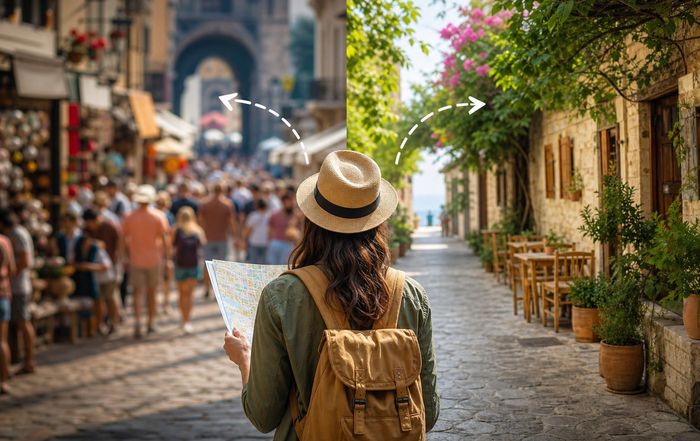
Many tourist traps cluster along predictable routes: the streets immediately surrounding major monuments, cruise ship docks, or central squares that serve as the first point of arrival for visitors. Travelers who adjust their routes slightly-by walking two or three blocks away from such epicenters-often discover more authentic businesses at more reasonable prices.
Urban planning and tourism studies, including reports shared by OECD Tourism at oecd.org/tourism, highlight that local residents frequently avoid the most crowded corridors, instead favoring secondary streets and neighborhood hubs. In cities like Barcelona, Amsterdam, and Venice, local authorities have publicly discussed strategies to disperse visitors away from saturated zones, and their official tourism portals, such as barcelonaturisme.com and iamsterdam.com, increasingly promote alternative neighborhoods and thematic routes.
For travelers planning itineraries with WorldWeTravel, exploring the global travel insights can inspire multi-city or multi-country journeys that naturally distribute time between famous highlights and quieter districts. Combining a visit to the Louvre with a half-day exploring smaller galleries in less touristed Parisian arrondissements, or pairing New York's Times Square with walks through local markets in Queens, often leads to more balanced and satisfying trips.
Walking or cycling tours led by licensed local guides, which can be vetted through organizations such as Guide Association of New York City or similar professional bodies listed on many city tourism websites, tend to offer deeper context and steer guests away from the most commercialized spots. However, travelers should verify credentials and reviews across more than one source, as certification standards vary by country and some operators may use misleading labels.
Eating and Drinking Beyond the Obvious
Food is one of the most common areas where travelers encounter tourist traps, yet it is also one of the richest avenues for authentic cultural connection. Restaurants that display large, laminated menus with photos in multiple languages directly beside major attractions often signal a focus on high turnover rather than culinary quality. While there is nothing inherently wrong with serving visitors, the combination of aggressive solicitation, vague pricing, and standardized dishes typically indicates a tourist-centric operation.
Culinary organizations and critics have repeatedly emphasized the value of seeking out where locals actually eat. Resources such as Eater's city guides at eater.com and Michelin Guide recommendations at guide.michelin.com can be useful starting points, although Michelin-listed venues may be expensive and not necessarily representative of everyday cuisine. Food markets and simple neighborhood cafes, often described in regional blogs and local media, tend to offer more grounded experiences.
Readers of WorldWeTravel looking for accommodation that supports authentic dining can use the platform's hotels section as a springboard, then cross-reference properties with their proximity to residential areas rather than only tourist zones. Many boutique hotels and guesthouses highlight their connections with nearby family-run restaurants or markets, and staff are often proud to share personal recommendations.
In some destinations, cooking classes and food tours are marketed intensively to visitors. These can be rewarding when organized by reputable local chefs or community organizations, but travelers should verify that group sizes are reasonable, that there is transparency about what is included, and that the experience goes beyond simply watching pre-prepared dishes. Reviews on independent platforms and mentions in respected publications help differentiate thoughtful operators from purely commercial ones.
Respecting Local Culture While Seeking Authenticity
Avoiding tourist traps is not only about personal value; it is also about respecting the communities that host visitors. Overcommercialization can distort cultural practices, turning rituals, crafts, or performances into spectacles detached from their original meaning. Anthropologists and cultural organizations, including resources available through UNESCO's Intangible Cultural Heritage portal at ich.unesco.org, have documented how excessive tourism pressure can encourage simplified, stereotyped representations of culture.
Travelers who approach local traditions with curiosity and humility are more likely to experience authentic encounters. This may involve learning a few basic phrases in the local language, dressing modestly where appropriate, and observing how residents behave in religious or ceremonial spaces. Many national and city tourism boards publish cultural etiquette guidelines, such as Japan National Tourism Organization at japan.travel or Tourism Australia at australia.com, which help visitors avoid unintentional disrespect.
On WorldWeTravel, the culture section explores how arts, history, and everyday life interweave in destinations around the globe. By reading about the deeper context of festivals, crafts, or regional customs before arrival, travelers can better discern when an experience is rooted in genuine tradition versus when it has been heavily modified for quick entertainment.
Photography is a particular area where tourist behavior can slip into exploitative patterns. Chasing "Instagrammable" shots at the expense of privacy or safety contributes to the transformation of living neighborhoods into backdrops. Ethical photographers and organizations such as National Geographic at nationalgeographic.com/travel advocate asking permission before photographing people, avoiding disruption of daily life, and prioritizing storytelling over spectacle.
Supporting Sustainable and Eco-Conscious Alternatives
One of the most promising trends in international travel is the rise of sustainability-focused experiences that consciously avoid the pitfalls of mass tourism. Eco-lodges, community-based tourism projects, and low-impact outdoor activities aim to distribute benefits more equitably while protecting natural and cultural heritage.
Travelers interested in environmentally responsible options can consult frameworks and certifications from organizations such as the Global Sustainable Tourism Council (GSTC) at gstcouncil.org, which outlines criteria for hotels, tour operators, and destinations. While not all high-quality initiatives are formally certified, alignment with these principles-such as minimizing resource use, respecting local culture, and ensuring fair economic returns-can serve as a useful benchmark.
For WorldWeTravel readers, the dedicated eco travel hub highlights destinations and properties that emphasize conservation and community engagement. Choosing a guided wildlife experience that follows strict viewing guidelines, for example, is typically more ethical and fulfilling than participating in animal shows or activities that encourage direct contact, which many animal welfare organizations, including World Animal Protection at worldanimalprotection.org, advise against.
Sustainable choices also intersect with health and well-being. Hiking lesser-known trails, visiting regional parks instead of only the most famous national parks, or joining small-group wellness retreats can reduce crowding while offering restorative experiences. The health and retreat sections of WorldWeTravel explore how mindful travel supports both personal resilience and destination stewardship.
Traveling with Family While Avoiding Overcommercialization
Families often feel especially vulnerable to tourist traps, as attractions heavily marketed to children can carry high prices and limited educational value. Theme restaurants, generic souvenir shops, and "must-do" activities promoted through hotel brochures may not align with the deeper cultural learning that many parents seek for their children.
Family-oriented travel experts frequently recommend balancing a few big-ticket attractions with simpler, everyday experiences such as local playgrounds, public libraries, and neighborhood parks. Resources from organizations like UNICEF at unicef.org and reputable parenting publications provide guidance on child-friendly travel that emphasizes safety and learning rather than consumption.
The family travel resources on WorldWeTravel encourage itineraries that integrate museums with interactive exhibits, hands-on workshops with local artisans, and nature-based activities that foster curiosity. Many museums in Europe, North America, and Asia offer free or discounted admission for children on specific days; official museum websites, such as The British Museum at britishmuseum.org or Smithsonian Institution at si.edu, provide accurate information on pricing and programming.
By involving children in trip planning, discussing budgets, and explaining why certain flashy attractions may not be chosen, families can cultivate critical thinking and responsible travel habits from an early age. This approach transforms the avoidance of tourist traps into a shared learning experience rather than a restriction.
Business Travel, Bleisure, and the Subtle Tourist Trap
For professionals who travel frequently for work, the line between business obligations and personal exploration can blur, particularly with the rise of "bleisure" trips that combine meetings with short vacations. Corporate travelers may be especially susceptible to tourist traps when time is limited and hotel-recommended options feel like the easiest choice.
Business hotels often partner with specific restaurants or tour operators, which may or may not represent the best value. While concierge staff can be a valuable resource, travelers benefit from supplementing these suggestions with independent research. Professional networks, such as colleagues based in the destination city or industry associations, often provide more grounded recommendations for dining, cultural outings, or short side trips.
The business travel insights and work and travel content on WorldWeTravel address how frequent travelers can maintain well-being and authenticity despite tight schedules. Choosing locally owned hotels when possible, exploring neighborhoods on foot between meetings, and prioritizing one or two meaningful experiences over multiple rushed ones helps mitigate the tendency to default to generic, tourist-oriented venues.
Remote workers and digital nomads face a slightly different challenge. Co-working hubs and "digital nomad villages" that have emerged in parts of Europe, Asia, and Latin America can sometimes replicate tourist trap dynamics, with high prices and limited integration with local communities. Consulting local media, civic organizations, and long-term resident forums, as well as reviewing cost-of-living data from platforms like Numbeo at numbeo.com, provides a more realistic picture of everyday life and expenses.
Financial Awareness and the Economics of Tourist Traps
Tourist traps are, at their core, economic phenomena. They thrive where information asymmetry exists-when visitors lack knowledge of local price norms, quality standards, or alternative options. By narrowing this gap, travelers can make more informed choices and support businesses that align with fair and transparent practices.
Currency conversion and payment methods are frequent sources of confusion. Dynamic currency conversion at point-of-sale terminals, where credit card charges are offered in the traveler's home currency rather than the local one, often involves unfavorable exchange rates. Consumer advocacy organizations and financial experts, including resources from Visa at visa.com and Mastercard at mastercard.com, generally advise opting to pay in the local currency to avoid unnecessary fees.
The top economy and travel costs coverage here helps readers understand broader trends such as inflation, currency fluctuations, and regional price indexes, which in turn inform realistic budgeting. Checking average local prices for meals, transportation, and attractions before arrival, using reputable cost-of-living sites and official tourism portals, provides a baseline against which to evaluate offers on the ground.
Bargaining customs also vary widely. In some markets across Asia, Africa, and South America, haggling is expected, while in many European and North American contexts it is not. Government or municipal websites, such as Singapore Tourism Board at visitsingapore.com or South African Tourism at southafrica.net, often include practical guidance on shopping norms. Respectful negotiation, where appropriate, can be part of cultural exchange, but travelers should remain aware that extreme underbidding may place pressure on small vendors already operating on thin margins.
Learning from Locals and Building Trustworthy Networks
Ultimately, the most reliable antidote to tourist traps is connection with people who live in the destination. Local residents, when approached respectfully, often enjoy sharing their favorite places, seasonal events, and practical advice. Language barriers can be mitigated through translation apps, phrasebooks, or simply patient nonverbal communication, and many travelers report that some of their most memorable experiences arise from spontaneous conversations.
Community-based organizations, cultural centers, and non-profit initiatives frequently organize events that welcome visitors, from neighborhood festivals to public lectures and volunteer opportunities. Information about such activities can often be found on municipal websites, local libraries, or reputable platforms like Eventbrite at eventbrite.com. These spaces tend to be less commercialized and more reflective of everyday life than heavily advertised tourist shows.
For those relying on WorldWeTravel as a positive news companion, the travel tips hub consolidates practical strategies that readers around the world have found effective, from navigating public transportation in unfamiliar cities to recognizing common scams. Although every destination is unique, patterns repeat, and learning from the experiences of others helps new travelers approach unfamiliar environments with confidence.
Turning Away from Traps and Toward Transformative Travel
Avoiding tourist traps is not about avoiding other tourists or rejecting famous places outright; it is about aligning travel choices with personal values, curiosity, and respect for host communities. The most celebrated landmarks can still inspire awe when visited at thoughtful times, with prior knowledge and a willingness to look beyond the souvenir stands. Likewise, quiet side streets, local markets, and community events often reveal the everyday beauty that mass tourism overlooks.
As international travel continues to evolve, daily edited platforms like WorldWeTravel play a vital role in guiding readers toward experiences that are not only enjoyable but also responsible and enriching. By combining careful research, selective use of technology, cultural sensitivity, and a commitment to sustainability, travelers can navigate the global tourism landscape with discernment.
In doing so, they not only protect themselves from the disappointment and expense of tourist traps but also contribute to a more balanced and respectful relationship between visitors and the destinations they cherish. Each informed choice-whether it is choosing a family-run guesthouse over a formulaic resort, a neighborhood café over a menu-waving restaurant, or a community-led tour over a mass-market excursion-helps shape a future in which travel remains a source of genuine discovery, connection, and hope.