

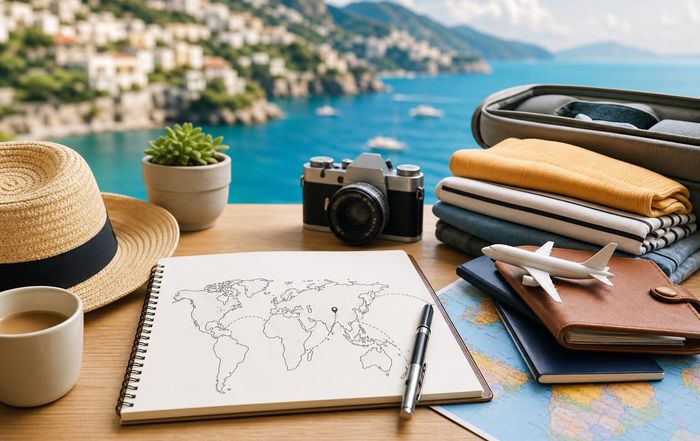
How to Plan a Stress-Free Two-Week International Vacation
Planning a two-week international vacation can be one of the most rewarding projects a traveler undertakes, yet it is also a time when small oversights can lead to outsized stress. As global travel continues to recover and evolve, more travelers are seeking not only memorable experiences but also smoother, calmer journeys that feel restorative rather than exhausting. Drawing on best practices from travel professionals, public health authorities, and experienced globetrotters, this guide explores how to design a two-week itinerary that balances discovery with downtime, minimizes logistical friction, and supports personal wellbeing. Now this topic is especially relevant, as the platform has long focused on helping people connect destinations, culture, family, and sustainable choices into a coherent, enjoyable travel narrative. A stress-free vacation is not a luxury reserved for a few; it is a realistic goal when planning is thoughtful, information is reliable, and expectations are aligned with personal priorities.
Defining the Purpose and Shape of the Trip
A truly stress-free two-week international vacation begins with clarity of purpose. Before comparing flight prices or scrolling through hotel photos, experienced planners define why they are traveling and what they hope to feel at the end of the trip. Some travelers want deep cultural immersion, others want rest and reconnection with family, and many seek a blend of both.
Travel research from organizations such as Booking.com and Skyscanner suggests that trips with too many destinations in too little time are a frequent source of dissatisfaction, often because travelers underestimate transit fatigue and overestimate how much they can comfortably see in a day. A simple starting point is to decide whether the trip will focus on one country, a single region within a country, or a small cluster of nearby countries connected by efficient rail or short-haul flights. For inspiration and regional overviews, readers can explore curated destination ideas on WorldWeTravel's destinations page and then refine their choices based on season, interests, and travel companions.
Once the overall shape of the trip is clear, it becomes easier to set realistic expectations. A family with young children might prioritize fewer hotel changes and more time in parks and open spaces, while a couple interested in food and culture might focus on cities known for culinary scenes and museums. Aligning the trip's structure with its purpose is the first major step toward reducing stress.
Choosing Destinations and Seasons Wisely
Selecting the right destination for a two-week international journey involves balancing dreams with practical considerations such as climate, local events, and crowd levels. Resources like National Geographic Travel and Lonely Planet provide seasonal guides that outline when destinations are at their best, while organizations such as the World Meteorological Organization and national meteorological services offer reliable climate data that can help avoid extreme heat, monsoon seasons, or severe winter conditions.
Travelers aiming for a calmer experience often look to shoulder seasons, the periods just before or after peak travel times. In Europe, for example, late spring and early autumn can provide pleasant weather and fewer crowds in cities such as Paris, Rome, or Amsterdam. Similar patterns are observed in parts of Asia and North America, though it is important to verify local conditions through reputable sources such as the UK Met Office, NOAA in the United States, or local tourism boards. Those planning nature-focused trips, such as safaris in South Africa or hiking in New Zealand, can consult organizations like UNESCO for information about protected areas and conservation-friendly visitation windows.
As travelers narrow their options, they can use WorldWeTravel's travel section to connect destination ideas with practical travel advice, including how to combine cities and regions without creating an overly rushed itinerary.
Building a Balanced Two-Week Itinerary
With a destination or set of destinations chosen, the next challenge is shaping a two-week itinerary that feels rich but not frantic. Travel experts frequently recommend a pattern that alternates "heavy" days of sightseeing with lighter days focused on rest, local neighborhoods, and unstructured exploration. Stress levels often rise when every moment is scheduled; leaving space for spontaneity helps travelers adapt to weather changes, delayed trains, or simply the desire to linger in a favorite café.
A practical approach is to anchor the trip around two or three bases rather than moving every night. For example, a traveler visiting Italy might spend several nights in Rome, several in Florence, and a few in a smaller town or coastal area, using day trips sparingly. In Japan, basing in Tokyo and Kyoto with a limited number of side excursions can achieve a similar balance. Rail networks such as Eurail in Europe or Japan Railways in Japan make such hub-and-spoke planning efficient, and official sites such as Deutsche Bahn or Trainline can help verify schedules and travel times.
For families, the itinerary should also consider children's energy levels and interests. Including regular playground stops, interactive museums, and nature excursions can make the journey more enjoyable for younger travelers and less stressful for adults. The WorldWeTravel family travel hub offers additional guidance tailored to multigenerational trips and child-friendly experiences across continents.
Managing Travel Logistics with Confidence
Logistics are often the greatest source of pre-trip anxiety, yet they are also the area where preparation yields the most dramatic reduction in stress. Key components include transportation, documentation, and money management.
For flights, using fare comparison tools such as Google Flights or Skyscanner helps travelers identify reasonable prices and convenient connections, but it is generally advisable to book directly with the airline once a route is chosen, as this can simplify customer service interactions in the event of delays or schedule changes. When selecting flights, slightly longer layovers can reduce the stress of tight connections, especially at large hubs or when passing through immigration.
Documentation requirements have become more nuanced, with some countries introducing new digital entry systems and others adjusting visa policies. Official government sources such as the U.S. Department of State, the UK Foreign, Commonwealth & Development Office, and the European Union's official travel portal provide the most reliable, up-to-date information on visas, entry forms, and passport validity rules. Travelers should verify requirements for each country on their itinerary, including any transit countries where airport changes occur.
Money management is another critical aspect of a stress-free vacation. Financial institutions such as Visa, Mastercard, and major banks provide guidance on overseas card use, dynamic currency conversion, and fraud alerts. Travelers often benefit from carrying at least two cards from different networks, as well as a modest amount of local currency obtained from ATMs upon arrival. Many destinations are increasingly cashless, particularly in Northern Europe and parts of Asia, but it remains prudent to confirm local norms through reputable travel resources or official tourism websites.
For additional planning frameworks and step-by-step guidance, readers can consult WorldWeTravel's tips section, which brings together practical checklists, packing strategies, and airport navigation advice.
Selecting Accommodations that Support Wellbeing
Where travelers stay during a two-week journey significantly influences their sense of ease and comfort. Reputable hotel booking platforms such as Booking.com, Expedia, and Hotels.com aggregate guest reviews and provide filters for amenities, but it is equally important to cross-reference information with the hotel's own website to confirm details such as renovation status, accessibility features, and family services. In many cities, boutique hotels and serviced apartments offer a quieter, more residential feel that can be particularly appealing for longer stays.
Location remains one of the most critical factors. Choosing accommodations in neighborhoods that are safe, well-connected to public transport, and close to key attractions reduces commuting time and fatigue. Local tourism boards and city websites often publish neighborhood guides that highlight transport links and typical noise levels, helping travelers avoid areas that may be lively late into the night if they prefer a more tranquil environment.
For travelers seeking wellness-oriented stays, dedicated properties and retreats have expanded worldwide. Platforms like Wellness Tourism Association and wellness-focused sections of major hotel groups showcase properties that integrate spas, yoga spaces, and healthy dining options. On WorldWeTravel, the hotels and stays section and the retreat page highlight accommodations that prioritize rest, design, and holistic experiences, enabling readers to align their lodging choices with their wellbeing goals.
Traveling Sustainably and Respectfully
A stress-free vacation is also one that sits comfortably with a traveler's values, and sustainability has become a central consideration for many. Organizations such as the UN World Tourism Organization (UNWTO) and the Global Sustainable Tourism Council (GSTC) publish guidelines for responsible travel, emphasizing energy efficiency, water conservation, waste reduction, and fair treatment of local communities. Choosing accommodations with credible sustainability certifications, supporting locally owned businesses, and minimizing unnecessary flights are among the steps that can lower a trip's environmental footprint.
In cities such as Amsterdam, Copenhagen, and Singapore, robust public transport networks and cycling infrastructure make it easier to avoid car rentals and reduce emissions. Public transport information is typically available on official city websites and apps, and many destinations now offer integrated passes that cover buses, trams, and metro systems, simplifying ticketing and saving time. For travelers interested in learning more about sustainable travel frameworks and eco-conscious itineraries, WorldWeTravel's eco travel section provides insights tailored to destinations across Europe, Asia, the Americas, and beyond.
Respectful travel also includes cultural sensitivity. Institutions like UNESCO and national cultural ministries provide information on heritage sites, local customs, and etiquette, helping visitors avoid unintentional missteps. Reading about local traditions, modest dress expectations at religious sites, and tipping practices before arrival can significantly reduce social anxiety and foster more authentic, positive interactions with residents.
Safeguarding Health and Wellbeing on the Road
Health considerations have become central to travel planning, and a two-week international trip benefits from proactive attention to physical and mental wellbeing. Official health bodies such as the World Health Organization (WHO) and the U.S. Centers for Disease Control and Prevention (CDC) offer country-specific guidance on vaccinations, disease risks, and food and water safety. Travelers are encouraged to consult these resources and, when appropriate, speak with a healthcare professional well in advance of departure, especially for destinations where vaccines or prophylactic medications may be recommended.
Travel insurance that includes medical coverage, trip interruption, and emergency evacuation can significantly reduce stress, particularly for long-haul journeys or trips involving outdoor activities. Consumer advocacy organizations like Consumer Reports and national insurance regulators provide advice on how to evaluate policies and avoid unnecessary or overlapping coverage.
On a more personal level, pacing is crucial. Jet lag, changes in diet, and increased daily walking can all affect energy levels. Allowing a light first day after arrival, staying hydrated, and prioritizing sleep help the body adjust. Travelers with chronic conditions may find it helpful to carry a summary of their medical history and medications, ideally translated into the local language or at least into widely used languages such as English. For ongoing guidance on staying healthy while exploring the world, WorldWeTravel's health section brings together practical advice and expert perspectives.
Mental wellbeing is equally important. Overplanning can lead to a sense of pressure to "use" every moment, which undermines the restorative potential of a vacation. Building in unscheduled hours, practicing simple mindfulness techniques, and accepting that not every attraction will be seen can transform the emotional texture of the trip.
Traveling as a Family: Connection over Complexity
For families, especially those traveling internationally with children for the first time, the key to a stress-free two-week vacation lies in prioritizing connection over complexity. Child development experts and family travel specialists often emphasize that children remember shared experiences and emotional tone more than the number of landmarks visited. Choosing fewer destinations, booking accommodations with kitchenettes or laundry facilities, and scheduling regular downtime can make the experience more enjoyable for everyone.
Educational travel has also gained prominence, with many families using vacations to introduce children to history, science, and global cultures in a hands-on way. Museums with strong educational programs, such as the Smithsonian Institution in the United States, the British Museum in London, and the Louvre in Paris, often provide family-friendly guides, activity booklets, and workshops. National parks and nature reserves across continents, from Banff National Park in Canada to Kruger National Park in South Africa, offer ranger-led programs that help younger travelers engage with wildlife and conservation.
The WorldWeTravel family travel resources include ideas for age-appropriate activities, packing suggestions, and destination spotlights that consider everything from stroller-friendly streets to teen-oriented cultural experiences, empowering families to craft itineraries that feel adventurous yet manageable.
Integrating Work, Business, and Technology without Overload
In an increasingly connected world, some travelers blend leisure with remote work or business obligations, turning a two-week international trip into a "workation" or hybrid journey. While this can extend time abroad and make travel more accessible for professionals, it also carries the risk of eroding the boundaries that allow for genuine rest.
Experts in remote work and occupational health recommend clear separation between working hours and vacation time, even on blended trips. Reliable connectivity is essential; verifying internet speed and workspace availability through hotel websites, coworking platforms such as WeWork, and reviews on reputable sites can prevent last-minute scrambling. WorldWeTravel's work and business sections and business travel hub explore how travelers can leverage technology to stay connected while still preserving meaningful downtime.
Digital tools can also reduce logistical stress when used thoughtfully. Navigation apps, translation tools like DeepL or Google Translate, and local transport apps simplify everyday tasks. At the same time, experts caution against overreliance on screens; printing or saving offline copies of key documents, maps, and reservations is a simple, low-tech backup that can be invaluable if devices fail or networks are unavailable.
Understanding the Broader Global and Economic Context
International travel does not exist in isolation from global and economic trends. Exchange rate fluctuations, fuel prices, and geopolitical developments can all affect costs, routes, and safety considerations. Economic analysis from institutions such as the International Monetary Fund (IMF) and the World Bank can help travelers understand broader patterns, while national tourism boards and reputable news outlets provide updates on local conditions.
For example, currency shifts may make certain destinations more affordable in a given year, while others become comparatively more expensive. Monitoring these trends can help travelers allocate budgets more effectively, perhaps choosing a mix of higher-cost and lower-cost countries or adjusting the balance between hotels, dining, and paid attractions. The WorldWeTravel global and economy pages and economy insights contextualize travel decisions within these broader dynamics, supporting more informed and resilient planning.
Being aware of local regulations, from short-term rental rules in European cities to national park reservation systems in North America, also prevents surprises. Official government portals and tourism boards remain the most reliable sources for such information, and cross-checking details from more than one reputable outlet reduces the risk of acting on outdated or incomplete guidance.
Bringing It All Together: A Calmer Way to See the World
A stress-free two-week international vacation is not about perfection or control; it is about designing a journey that aligns with personal values, respects local communities, and leaves room for the unexpected joys that make travel memorable. By clarifying the purpose of the trip, choosing destinations and seasons with care, building a balanced itinerary, and attending to logistics, health, and sustainability, travelers can significantly reduce the friction that often accompanies long-distance journeys.
For readers of WorldWeTravel, this approach resonates with the platform's broader mission: to help people explore the world thoughtfully, connect across cultures, and return home enriched rather than depleted. Whether the itinerary leads to the historic streets of Europe, the dynamic cities of Asia, the landscapes of North America, or the coastlines of Africa and South America, the principles remain consistent. Thoughtful preparation, reliable information, and a willingness to slow down transform two weeks abroad from a checklist of sights into a coherent, restorative experience.
As international mobility continues to evolve in the coming years, travelers who cultivate these habits will be well positioned to navigate new technologies, changing regulations, and emerging destinations with confidence. By pairing authoritative resources-both global, such as WHO, UNWTO, and national tourism boards, and specialized, such as the thematic guides on WorldWeTravel-with their own curiosity and self-knowledge, they can step onto each flight, train, or ferry with a sense of calm anticipation rather than anxiety.
In the end, the most successful two-week international vacations are those in which logistics quietly support, rather than dominate, the journey, allowing travelers to focus on what matters most: shared meals, unexpected conversations, new perspectives, and the simple, enduring joy of discovering the world.