

South America's Epic Adventures: Executive Guide for Intelligent Travelers
South America has entered 2026 as one of the most strategically important regions for global travel, investment, and cultural exchange. For the discerning audience of WorldWeTravel.com, the continent now represents far more than a bucket-list destination; it is a living laboratory of sustainability, innovation in tourism, and high-value experiences that blend nature, culture, and business in ways few other regions can match. From the dense biodiversity of the Amazon to the boardrooms and boutique hotels of Buenos Aires, and from the glaciers of Patagonia to the volcanic shores of the Galápagos Islands, South America rewards travelers who value depth of experience, credible expertise, and responsible decision-making.
This article examines South America through a lens that matters to leaders, entrepreneurs, families, and remote professionals: how to design journeys that are memorable and inspiring while also being safe, sustainable, and strategically aligned with personal and professional goals. It is written for readers who use WorldWeTravel.com not only to dream, but to plan, benchmark, and act.
The Amazon Rainforest: Frontier of Biodiversity, Climate, and Conscious Travel
In 2026, the Amazon Rainforest is no longer only a destination; it is a climate-critical region that shapes global weather patterns, biodiversity, and even economic stability. Spanning Brazil, Peru, Colombia, and several neighboring countries, this immense ecosystem remains one of the most complex and fragile environments on Earth, and it demands a higher level of responsibility from travelers who choose to explore it.
For many visitors, the journey begins in Manaus in Brazil or Iquitos in Peru, each serving as a gateway to river cruises and lodge-based expeditions deep into the forest. Modern eco-lodges, many of them certified by international sustainability standards, increasingly balance comfort with conservation. Travelers who take time to understand the region's importance can explore resources on rainforest ecology and climate science through organizations such as the World Wildlife Fund and learn more about sustainable business practices before committing to specific operators.
The experience of navigating the Amazon's tributaries by small boat or kayak remains unparalleled. Guided by trained naturalists, guests can observe pink river dolphins, macaws, sloths, and, with luck and patience, elusive jaguars, while night excursions reveal a different world of amphibians, insects, and nocturnal mammals. For readers of WorldWeTravel.com who are interested in eco-focused journeys, the Amazon is closely aligned with the themes covered in the site's dedicated eco travel insights, enabling travelers to connect their on-the-ground experiences with broader environmental perspectives.
Equally significant are the cultural encounters with indigenous communities that have managed and protected these landscapes for centuries. In 2026, there is heightened attention to ethical engagement, fair compensation, and community-led tourism. Organizations such as Conservation International and Rainforest Alliance provide guidance on how to support community-based projects and avoid exploitative practices. Those who wish to deepen their understanding can explore global development and community rights frameworks to ensure their travel choices align with best practices in social responsibility.
For business leaders and remote professionals who may combine work and exploration, the Amazon presents both logistical challenges and unique opportunities. Connectivity is improving in some hubs, but remains limited in deep jungle areas, which makes it an ideal location for off-grid retreats and leadership programs. Readers planning such experiences can refer to WorldWeTravel.com's curated advice on retreat and wellness travel to design itineraries that balance digital detox with structured reflection and team building.
Machu Picchu and the Andes: Heritage, High Altitude, and High Expectations
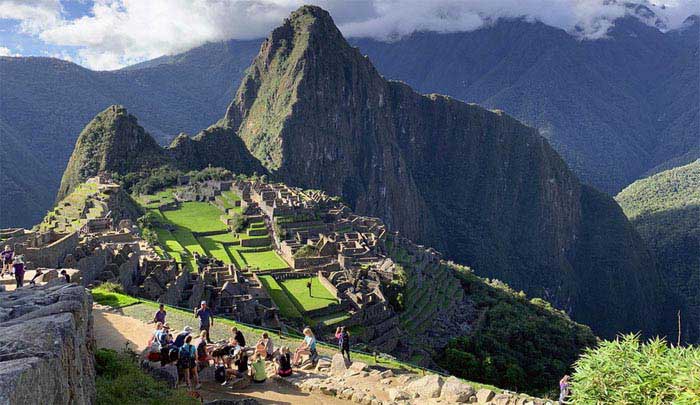
The ancient citadel of Machu Picchu in Peru continues to be one of South America's most iconic destinations, yet in 2026 the experience of visiting this UNESCO World Heritage Site is framed increasingly by capacity management, sustainability, and cultural sensitivity. Authorities have tightened regulations on visitor numbers and trekking permits to protect fragile trails and archaeological structures, making advance planning and reputable operators more important than ever.
The classic Inca Trail remains a flagship experience, with four-day itineraries passing through cloud forests, high passes, and lesser-known ruins before culminating at the Sun Gate at sunrise. However, alternative routes such as the Salkantay and Lares treks have grown in popularity among travelers seeking less crowded paths, more direct interaction with Andean communities, and a broader view of regional landscapes. Professionals evaluating these options often consult independent resources like UNESCO's heritage listings and Peru's official tourism portal to cross-check information and ensure compliance with current regulations.
At the site itself, expert guides play a crucial role in translating stone terraces and temples into narratives of engineering, astronomy, and governance. For executives and knowledge-focused travelers, the sophistication of Incan agricultural terraces, water management, and urban planning provides rich parallels with modern infrastructure and systems thinking. Those who are interested in the broader economic and cultural context can explore WorldWeTravel.com's coverage of global economic trends and travel, connecting the historical significance of Andean civilizations with present-day debates on development and heritage management.
Altitude, logistics, and health considerations are central to planning. Cities such as Cusco and the Sacred Valley serve as acclimatization bases, and in 2026 there is more widespread awareness of altitude sickness prevention, medical evacuation options, and travel insurance requirements. Authoritative guidance from organizations like the Centers for Disease Control and Prevention and the World Health Organization remains essential reading for travelers who prioritize risk management and health resilience. At the same time, WorldWeTravel.com's dedicated health and travel section provides practical, traveler-centric advice on preparing for high-altitude destinations in a way that complements official medical information.
The Galápagos Islands: Evolution, Evidence, and Ethical Exploration
Few destinations embody the intersection of science, conservation, and travel as powerfully as the Galápagos Islands of Ecuador. In 2026, the archipelago remains tightly regulated, with visitor numbers, cruise routes, and permitted activities all controlled to protect its unique biodiversity. For the WorldWeTravel.com audience, the Galápagos exemplify how high-value, low-impact tourism can operate when guided by clear policy, strong scientific oversight, and informed travelers.
The islands' reputation as a "living laboratory of evolution" is grounded in the work of Charles Darwin and generations of scientists since, many of whom are associated with the Charles Darwin Research Station on Santa Cruz Island. Visitors can deepen their understanding of evolutionary biology, species adaptation, and marine conservation by engaging with educational programs and visiting interpretive centers, supported by background reading from institutions such as National Geographic.
From a practical standpoint, travel in the Galápagos typically involves either expedition cruises or land-based island-hopping itineraries. Each approach has distinct implications for environmental impact, local economic benefit, and traveler experience. Corporate travelers, families, and mixed-age groups often favor small-vessel or boutique hotel options that provide structured activities, professional guides, and reliable safety standards. Those planning complex itineraries can use WorldWeTravel.com's hotels and accommodation hub to benchmark service levels and compare styles of stay across islands and operators.
Wildlife encounters remain the highlight: giant tortoises, blue-footed boobies, marine iguanas, and playful sea lions are remarkably unafraid of humans due to strict protection measures. Snorkeling and diving reveal rich marine life, including sharks, rays, and large schools of fish. However, in 2026, there is greater scrutiny of visitor behavior, biosecurity protocols, and waste management. Travelers are increasingly expected to understand and respect guidelines outlined by the Galápagos National Park Directorate and to favor operators that transparently report on their environmental performance.
For many readers balancing work and travel, the Galápagos also function as a place to disconnect from constant connectivity and reconnect with long-term priorities. This aligns with the growing global interest in restorative travel, wellness, and leadership reflection, themes that are explored in depth in WorldWeTravel.com's retreat-focused content.
Patagonia: Strategic Wilderness for Adventure and Reflection
Stretching across southern Chile and Argentina, Patagonia has solidified its status in 2026 as one of the world's premier destinations for wilderness travel, climate observation, and high-end adventure experiences. The region's dramatic mountains, glaciers, and windswept steppes attract not only hikers and climbers, but also executives seeking leadership retreats, families looking for multi-generational trips, and remote professionals who value nature as a catalyst for creativity and resilience.
On the Chilean side, Torres del Paine National Park stands as a flagship destination, with the W and O trekking circuits drawing visitors from around the world. Increasingly, park authorities and operators are collaborating on visitor flow management, trail restoration, and rewilding projects. Travelers who wish to understand these initiatives in context can explore global conservation and climate science resources such as the Intergovernmental Panel on Climate Change and the International Union for Conservation of Nature, which situate Patagonia within broader discussions on glacial retreat and ecosystem resilience.
Across the border in Argentina, Los Glaciares National Park and the Perito Moreno Glacier offer a different, yet equally powerful, perspective on ice and climate. Ice trekking, boat excursions, and panoramic viewpoints allow visitors to observe the glacier's dynamic movements. Nearby, the town of El Chaltén has become a hub for trekking and climbing around Mount Fitz Roy and neighboring peaks, with a growing ecosystem of boutique lodges, guiding services, and outdoor gear providers. Readers who use WorldWeTravel.com for destination planning can refer to the site's global destinations overview to compare Patagonia with other mountain regions across Europe, North America, and Asia.
Patagonia also serves as a case study in how tourism, local economies, and conservation interact. The region's cattle ranching heritage, emerging tech-enabled tourism services, and renewable energy projects reflect a complex economic landscape. Those interested in macroeconomic and policy dimensions can draw on analysis from institutions like the World Bank and the OECD, then relate these insights to the on-the-ground realities they encounter. WorldWeTravel.com's section on work and travel further supports professionals considering medium-term stays that blend remote work with extended exploration of Patagonia's national parks and towns.
Buenos Aires: Culture, Commerce, and the Modern Latin Metropolis
Buenos Aires, the capital of Argentina, remains one of South America's most sophisticated urban centers, combining deep cultural traditions with a complex economic and political context. For international travelers in 2026, the city offers a compelling blend of business opportunities, cultural immersion, and lifestyle experiences, making it a natural focal point for readers who are equally interested in boardrooms and boulevards.
The city's neighborhoods, from San Telmo and La Boca to Recoleta and Palermo, each tell a distinct story. Historic architecture, leafy avenues, and repurposed industrial spaces reflect the city's European heritage and Latin American creativity. Cultural institutions such as Teatro Colón and MALBA - Museum of Latin American Art of Buenos Aires anchor a thriving arts ecosystem, while independent galleries, bookstores, and performance spaces continue to innovate. Those wishing to contextualize the city's cultural significance within the wider region may benefit from resources like UNESCO's cultural programs and the Latin American art collections of major global museums.
Economically, Buenos Aires has experienced cycles of volatility, yet it remains an important hub for technology startups, creative industries, and regional headquarters. Business travelers evaluating opportunities in Argentina and the wider Southern Cone often consult the International Monetary Fund and World Economic Forum for macroeconomic indicators and policy updates, then use WorldWeTravel.com's business travel section to translate those insights into practical decisions about timing, neighborhoods, and accommodation types.
Tango remains a defining feature of the city's identity, but in 2026 the dance is increasingly framed as both a cultural heritage asset and a contemporary art form. Milongas, professional shows, and intensive workshops attract enthusiasts from the United States, Europe, and Asia, many of whom integrate tango into broader cultural itineraries that include culinary explorations and visits to wine regions such as Mendoza. For families and multi-generational groups, Buenos Aires also offers parks, interactive museums, and family-friendly neighborhoods, which align with the planning resources available in WorldWeTravel.com's family travel hub.
Health, safety, and logistics remain central to urban travel planning. By 2026, digital tools, cashless payments, and ride-hailing platforms are widely used, yet travelers still benefit from understanding local norms, public transport options, and neighborhood dynamics. Trusted sources such as the U.S. Department of State and the UK Foreign, Commonwealth & Development Office provide baseline security and visa guidance, which can then be complemented by the practical tips and local insights shared through WorldWeTravel.com's travel tips section.
Iguazú Falls: Shared Natural Capital on the Argentina-Brazil Border
Straddling the frontier between Argentina and Brazil, Iguazú Falls remains one of the world's most dramatic waterfall systems and a symbol of shared natural capital between two major South American economies. In 2026, the site is increasingly recognized not only for its scenic value, but also for its role in regional tourism, cross-border cooperation, and protected area management.
On the Argentine side, Iguazú National Park offers extensive walkways and viewing platforms that bring visitors close to the water's edge, culminating in the dramatic Garganta del Diablo viewpoint. The Brazilian side, within Iguaçu National Park, provides sweeping panoramic vistas and aerial perspectives. Together, the parks form a transboundary conservation area recognized by UNESCO, and their management practices are often cited in discussions about binational environmental governance. Those interested in comparative models of park management can explore international examples through the International Union for Conservation of Nature and the Convention on Biological Diversity.
For travelers, Iguazú offers a compact yet powerful experience that can be integrated into broader itineraries across Argentina, Brazil, or the wider Southern Cone. Efficient flight connections from Buenos Aires, and Rio de Janeiro make the falls accessible to business travelers with limited time, while families can combine the visit with cultural and wildlife experiences in surrounding areas. WorldWeTravel.com's travel overview helps readers compare Iguazú with other global waterfall and national park destinations, from North America's Niagara to Africa's Victoria Falls, when prioritizing trips.
Boat safaris, helicopter flights, and guided walks offer varied perspectives, but environmental impact and safety standards should be carefully evaluated. Travelers are increasingly encouraged to select operators that adhere to best practices in safety and conservation, drawing on guidance from reputable bodies such as the Global Sustainable Tourism Council and national park authorities. This focus on due diligence reflects a broader shift in 2026 toward risk-aware, ethically grounded travel, a theme that runs through the editorial and advisory content across WorldWeTravel.com.
Integrating South America into a Global Travel and Work Strategy
For the international audience of WorldWeTravel.com-spanning the United States, United Kingdom, Germany, Canada, Australia, Singapore, Japan, and beyond-South America in 2026 offers a portfolio of experiences that can be integrated into long-term personal and professional strategies rather than treated as isolated holidays. Executives can align leadership retreats with visits to Patagonia or the Amazon, remote workers can base themselves in cities like Buenos Aires or Santiago while taking structured excursions to natural wonders, and families can design multi-country itineraries that blend culture, nature, and education.
The region's growing connectivity, evolving regulatory frameworks, and expanding hospitality infrastructure make it more accessible, yet also more complex. Travelers benefit from triangulating information: consulting official government and health sources, reviewing independent analysis from international organizations, and leveraging curated, experience-based insights from platforms like WorldWeTravel.com. The site's sections on global travel trends, technology and travel, and work-focused travel planning are particularly relevant to those designing itineraries that intersect with remote work, digital tools, and cross-border collaboration.
Ultimately, South America's most epic destinations-the Amazon Rainforest, Machu Picchu, the Galápagos Islands, Patagonia, Buenos Aires, and Iguazú Falls-reward travelers who approach them with curiosity, preparation, and respect. In 2026, experience, expertise, authoritativeness, and trustworthiness are not optional qualities in travel decision-making; they are the foundation of journeys that are safe, meaningful, and aligned with the values of a rapidly changing world. For those who are ready to explore the continent with that mindset, WorldWeTravel.com stands as a trusted partner, helping transform inspiration into informed, responsible, and unforgettable travel.