

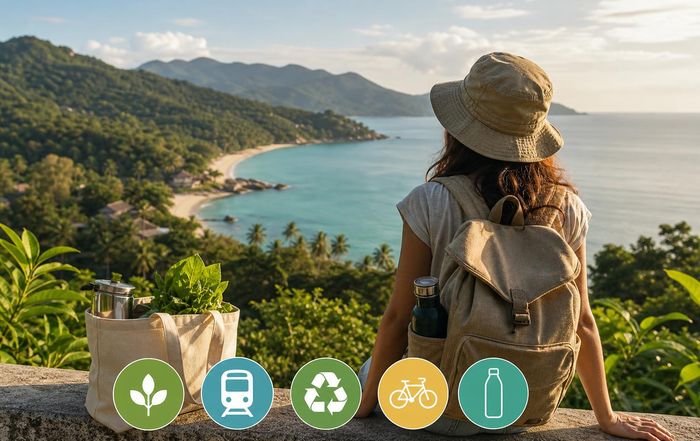
How to Travel More Sustainably Without Spending More
Sustainable travel is often portrayed as a premium choice, reserved for those with larger budgets and ample time to plan. Yet a growing body of evidence from organizations such as the UN World Tourism Organization and the World Travel & Tourism Council suggests that many of the most impactful choices a traveler can make are cost-neutral or even cost-saving when planned thoughtfully. For subscribers and online readers here, the central question is no longer whether it is possible to travel more responsibly, but how to do so in practical, everyday ways without increasing overall trip costs.
This article explores realistic strategies that align environmental responsibility, cultural respect, and personal wellbeing with smart budgeting, drawing on global best practices and examples from destinations across Europe, Asia, the Americas, Africa, and Oceania. It is written for travelers who want to see more of the world while leaving a lighter footprint, whether they are planning a family holiday, a business trip, or a long-awaited retreat.
Rethinking "Sustainable Travel": From Luxury Niche to Smart Standard
The perception that sustainable travel is inherently more expensive stems partly from the visibility of high-end eco-lodges, luxury train journeys, and bespoke carbon-offset packages that dominate media coverage. However, research from organizations like the OECD and UNEP indicates that the core pillars of sustainable tourism-reducing waste, conserving resources, supporting local economies, and respecting cultural and ecological limits-can often be achieved through everyday decisions that also reduce costs.
Choosing direct flights when possible, staying longer in fewer destinations, using public transport instead of taxis, eating at locally owned restaurants, and avoiding overconsumption of disposable products are all practices that typically lower both environmental impact and expenditure. For travelers planning their next itinerary through WorldWeTravel's destinations hub at worldwetravel.com/destinations, integrating these principles from the outset can make responsible choices feel like a natural part of trip design rather than an add-on.
As more destinations adopt sustainability frameworks, such as the Global Sustainable Tourism Council (GSTC) criteria, the distinction between "ordinary" and "eco" travel is gradually blurring. Cities like Copenhagen, Amsterdam, Singapore, and Vancouver have integrated cycling infrastructure, efficient public transit, and green urban planning into their tourism strategies, demonstrating that a low-impact trip can also be highly convenient and competitively priced. Travelers can learn about these broader trends through resources from the World Travel & Tourism Council and the UNWTO, then apply the insights to their own journeys.
Transportation Choices: Cutting Emissions While Cutting Costs
Transport is usually the largest contributor to a trip's carbon footprint, especially for long-haul travel. According to the International Council on Clean Transportation, aviation accounts for a significant share of tourism-related emissions, while surface transport modes such as trains and buses can be far more efficient per passenger-kilometer. Yet the relationship between sustainability and cost is not always straightforward, and it varies by route and region.
One of the most effective strategies, endorsed by groups like Transport & Environment in Europe, is to fly less often but stay longer. Instead of several short breaks involving multiple flights, travelers can consolidate vacation time into a single extended trip. This approach spreads the emissions and fixed costs of long-haul travel, such as airport transfers and travel insurance, over more days, and often allows for discounted weekly or monthly accommodation rates. Visitors to WorldWeTravel's travel planning pages at worldwetravel.com/travel can explore sample itineraries that prioritize depth over speed, making room for slower modes of movement within a region.
On many intra-European routes, high-speed rail options provided by operators such as Deutsche Bahn, SNCF, and Renfe can rival or beat air travel on total journey time once airport transfers and security checks are considered. Booking in advance or using rail passes can make these routes competitive or cheaper than flights, while generating significantly lower emissions per passenger, as documented by the European Environment Agency. Similarly, in countries like Japan, the Shinkansen network offers reliable, low-emission, and often cost-effective travel between major cities, especially when tourists use regional passes.
In North America, where rail infrastructure is less extensive, combining long-distance flights with local public transport can still reduce both environmental impact and expenses. Many cities, including New York, Toronto, Vancouver, San Francisco, and Chicago, have airport rail links and day passes for visitors, which are usually far cheaper than relying on ride-hailing services throughout a stay. Local transit authorities and city tourism boards, such as Transport for London or Singapore's Land Transport Authority, provide detailed information on passes and multi-day tickets that align cost savings with lower emissions.
For shorter distances, walking and cycling are often the most sustainable and economical options. Cities like Copenhagen, Amsterdam, and Berlin offer extensive bike-share networks, while many hotels and guesthouses provide bicycles for guests at no extra charge or for modest fees. In destinations where safety and infrastructure support it, travelers can replace several short taxi rides with a single day of bike rental, gaining a more intimate experience of local neighborhoods while spending less.
Accommodation: Sustainable Stays Without Premium Prices
Accommodation decisions can significantly influence the environmental and social impact of a trip, but sustainable options are not limited to high-priced eco-resorts. In fact, many mid-range hotels, guesthouses, and hostels now integrate energy efficiency, water conservation, and waste reduction measures as standard practice, partly to reduce operating costs. The International Tourism Partnership and the Sustainable Hospitality Alliance have documented how such measures, from LED lighting and smart thermostats to linen reuse programs, often yield financial savings that can keep room rates competitive.
Travelers can look for independent certifications such as Green Key, EarthCheck, or GSTC-recognized labels, which are explained in detail on sites like the Global Sustainable Tourism Council. These labels typically require verified performance in areas such as energy use, waste management, and community engagement, which helps guests avoid unsubstantiated "green" marketing. Many booking platforms now allow filtering by eco-certification; however, travelers should still cross-check claims with the certifier's official website to ensure authenticity.
Choosing smaller, locally owned properties is another way to align sustainability with value. Guesthouses, agriturismos, and family-run hotels in countries such as Italy, Spain, Thailand, and Costa Rica often provide authentic experiences at moderate prices, while keeping more tourism revenue in the destination. This approach supports community resilience, which organizations like the World Bank and UNDP identify as a key dimension of sustainable development. Readers can explore accommodation-focused insights and destination-specific examples through WorldWeTravel's hotels section at worldwetravel.com/hotels.
Simple behavioral choices during a stay can further reduce impact without affecting costs. Turning off lights and air conditioning when leaving the room, taking shorter showers, and declining daily linen changes are all actions that lower energy and water consumption. Many hotels already encourage such practices because they reduce utility expenses. In regions where water scarcity is an issue, such as parts of South Africa, Australia, and Spain, these habits also contribute to local resource security, a topic covered in reports by the World Resources Institute.
Eating and Shopping: Supporting Local Economies While Spending Smart
Food and shopping are central to the travel experience, and they are also areas where sustainability and affordability can easily align. Eating at locally owned restaurants, street-food markets, and family-run cafés often provides better value than dining in international chains, while channeling revenue directly into the community. Studies by the UN Food and Agriculture Organization and various national tourism boards show that shorter supply chains typically reduce transport emissions associated with food, especially when ingredients are sourced from regional producers.
Travelers interested in culinary experiences can seek out farmers' markets, cooperatives, and community-supported agriculture initiatives, which are increasingly highlighted by destination marketing organizations and local tourism offices. In cities like Paris, Barcelona, Melbourne, and San Francisco, public markets offer affordable, seasonal produce and ready-to-eat meals that reflect local food heritage. Guides from sources such as Slow Food and the European Commission's sustainable food initiatives can help identify businesses that prioritize fair labor and environmental responsibility.
When shopping for souvenirs, choosing locally made products over mass-produced imports can be both economical and more meaningful. Artisans in regions such as Mexico, Morocco, Vietnam, and India often sell handcrafted textiles, ceramics, and artworks at prices that are competitive with factory-made items, while contributing directly to household income and preserving traditional skills. The UNESCO Creative Cities Network and various national craft councils provide information on recognized artisan districts and fair-trade outlets, helping travelers avoid products that may be linked to exploitation or environmental harm.
To avoid unnecessary expenditure and waste, travelers can adopt a minimalist approach to souvenirs, focusing on a few high-quality, locally significant items rather than large quantities of generic goods. This strategy reduces luggage weight, potential customs issues, and the risk of purchasing items made from endangered species or unsustainably harvested materials, which organizations like TRAFFIC and the Convention on International Trade in Endangered Species warn against.
Family Travel: Teaching the Next Generation Through Experience
Families traveling with children or teenagers often assume that sustainable options will be more complicated or costly, yet many low-impact activities are among the most affordable and educational. National parks, urban green spaces, public museums, and cultural festivals frequently offer free or low-cost entry, while providing opportunities to learn about biodiversity, history, and local traditions. The National Park Service in the United States, Parks Canada, and equivalents in countries such as Germany, New Zealand, and South Africa maintain extensive online resources to help families plan nature-based outings that align with both budget and environmental values.
For families planning multi-destination trips, the editorial team at WorldWeTravel often emphasizes the benefits of slower itineraries that reduce transit time and allow children to adapt to new environments at a comfortable pace. Readers can explore family-oriented guidance at worldwetravel.com/family, where sample journeys illustrate how staying longer in a single region, using trains or buses instead of multiple short flights, and choosing apartment-style accommodations with kitchens can lower overall costs while supporting more sustainable habits such as cooking with local ingredients.
Educational organizations and NGOs, including WWF, The Nature Conservancy, and national wildlife trusts, frequently offer family-friendly programs, junior ranger activities, and citizen science projects that help children connect their travel experiences with global environmental issues. Many of these initiatives are free or donation-based, demonstrating that meaningful engagement with sustainability does not require expensive tours or exclusive experiences. Parents can reinforce these lessons by involving children in simple decisions, such as choosing reusable water bottles, sorting recycling, or navigating public transport systems.
Business and Work Travel: Aligning Corporate Policies with Personal Values
Corporate travel has undergone significant scrutiny in recent years, with many companies reassessing the necessity of in-person meetings and events. Reports from the International Energy Agency and McKinsey & Company indicate that organizations which adopt travel policies emphasizing virtual meetings, regional hubs, and longer but less frequent trips can reduce both emissions and travel budgets. For professionals who travel regularly, this shift creates an opportunity to advocate for policies that support sustainability without compromising productivity.
Business travelers can work with their employers to prioritize direct flights where feasible, book eco-certified hotels, and use public transport at destinations. Corporate booking tools increasingly integrate sustainability indicators, and airlines, hotels, and rail operators publish environmental performance data and decarbonization strategies, which can be reviewed through their official sites or independent analyses by groups like CDP and the Science Based Targets initiative. By selecting suppliers that demonstrate credible climate commitments, companies can send a market signal that responsible practices are valued.
Digital nomads and remote workers, whose lifestyles often involve extended stays abroad, have a distinct opportunity to travel more sustainably without spending more. By renting apartments or co-living spaces on monthly terms, using coworking hubs accessible by public transport, and integrating into local communities, they can reduce per-day costs while minimizing resource use associated with frequent moves. Readers exploring work and travel combinations can find inspiration on WorldWeTravel's work-focused pages at worldwetravel.com/work, where case studies highlight destinations that combine strong digital infrastructure with sustainable urban planning.
Health, Wellbeing, and Retreats: Slower Travel as a Sustainable Choice
An emerging body of research in public health and psychology, including work published by the World Health Organization and leading academic institutions, underscores the benefits of slower, less hectic travel for mental wellbeing. Extended stays, fewer transitions, and immersion in nature or culturally rich environments can reduce stress and enhance recovery, aligning closely with the principles of sustainable tourism that encourage longer engagement with fewer places.
Wellness retreats, yoga centers, and meditation resorts are often associated with higher price points, but many destinations offer accessible alternatives that support both health and sustainability. Public thermal baths in countries like Germany, Hungary, and Japan, community yoga classes in parks, and nature trails in national or regional parks can provide restorative experiences at modest cost. Travelers seeking health-focused journeys can explore ideas and destination guides through WorldWeTravel's health and retreat sections at worldwetravel.com/health and worldwetravel.com/retreat.
From an environmental perspective, wellness-focused trips often favor quieter locations, off-peak travel periods, and low-impact activities such as hiking, cycling, and swimming, which typically involve fewer emissions than high-intensity, equipment-heavy tourism. Organizations like Leave No Trace and national park authorities provide guidelines on minimizing ecological impact during outdoor recreation, helping travelers enjoy restorative experiences while preserving the natural assets that make these destinations special.
Eco-Conscious Habits: Small Daily Choices with Cumulative Impact
While system-level changes in transport, energy, and urban planning are crucial, individual travelers can still influence outcomes through consistent, modest habits that do not increase costs. Carrying a reusable water bottle and coffee cup, for instance, can reduce waste and save money in regions where tap water is safe to drink, such as most of Western Europe, North America, Australia, New Zealand, and parts of East Asia, as confirmed by local health authorities and water utilities. In places where tap water is not potable, using refill stations, UV purifiers, or filtered bottles can reduce reliance on single-use plastic, and many hostels and hotels now offer free filtered water.
Packing lighter is another low-cost, high-impact strategy. Research summarized by the International Air Transport Association indicates that reduced luggage weight lowers fuel consumption on flights and improves efficiency in other modes of transport as well. From a financial standpoint, traveling with carry-on only can eliminate checked baggage fees on many airlines and simplify transfers between transit modes. Packing versatile clothing, prioritizing quality over quantity, and avoiding unnecessary electronics can all contribute to a more streamlined, sustainable journey.
Responsible behavior at destinations is equally important. Respecting local customs, dressing appropriately at religious or cultural sites, following wildlife viewing guidelines, and staying on marked trails are all practices that protect cultural heritage and ecosystems without any cost premium. Organizations such as UNESCO, IUCN, and national heritage agencies publish codes of conduct for visitors to World Heritage Sites and protected areas, which help travelers understand how to minimize their impact.
Readers who want to integrate these habits into their planning can consult WorldWeTravel's practical tips section at worldwetravel.com/tips, where checklists and destination-specific advice are regularly updated to reflect evolving best practices.
The Role of Information and Technology in Accessible Sustainable Travel
Digital tools have transformed the way travelers plan and experience trips, and many of these tools can be leveraged to support sustainability without adding cost. Mapping apps that show public transport routes, cycling paths, and walking times make it easier to choose low-impact modes of movement. Platforms like Rome2Rio, local transit apps, and national rail websites provide real-time information on schedules and fares, enabling travelers to compare options and often discover cheaper, more sustainable alternatives to taxis or rental cars.
Sustainability-focused certifications and ratings are increasingly integrated into mainstream booking platforms, but independent verification remains important. Organizations such as the Global Sustainable Tourism Council, Green Key, and BREEAM provide frameworks and databases that travelers can cross-reference. Environmental NGOs and independent media outlets, including National Geographic and the Guardian's environment section, frequently investigate and explain complex issues such as carbon offset quality, overtourism, and biodiversity impacts, helping travelers make informed decisions.
For a holistic perspective that combines technology, culture, and sustainability, readers can turn to WorldWeTravel's technology pages at worldwetravel.com/technology and its broader global insights at worldwetravel.com/global. These resources highlight innovations such as smart city systems, renewable energy integration in tourism destinations, and digital tools that help visitors discover less crowded neighborhoods and lesser-known cultural sites, which can alleviate pressure on iconic attractions while spreading economic benefits more evenly.
A More Sustainable Future of Travel Within Reach
As of the middle of this decade, the convergence of environmental awareness, technological innovation, and evolving traveler expectations has made sustainable tourism more accessible than at any previous time. While some premium experiences will always command higher prices, the fundamental practices that reduce emissions, support local communities, and protect cultural and natural heritage are increasingly compatible with budget-conscious travel. By flying less often but staying longer, choosing efficient transport modes, supporting locally owned businesses, and adopting simple low-impact habits, travelers can meaningfully reduce their footprint without spending more.
For WorldWeTravel and its active travel community of readers, the path forward lies in integrating these principles into every stage of the journey, from initial inspiration at worldwetravel.com through detailed planning across its specialized sections on destinations, eco-conscious travel, culture, and beyond. As destinations across the United States, United Kingdom, Germany, Canada, Australia, Japan, Thailand, South Africa, Brazil, and many other regions continue to refine their sustainability strategies, individual travelers have both the opportunity and the responsibility to align their choices with a more resilient, equitable, and inspiring model of tourism.
The evidence from international organizations, academic research, and on-the-ground initiatives suggests that sustainable travel without additional cost is not only possible but increasingly practical. By treating every trip as a chance to learn, to connect, and to contribute positively, travelers can help shape a future in which exploring the world enriches both those who travel and the places they visit.