

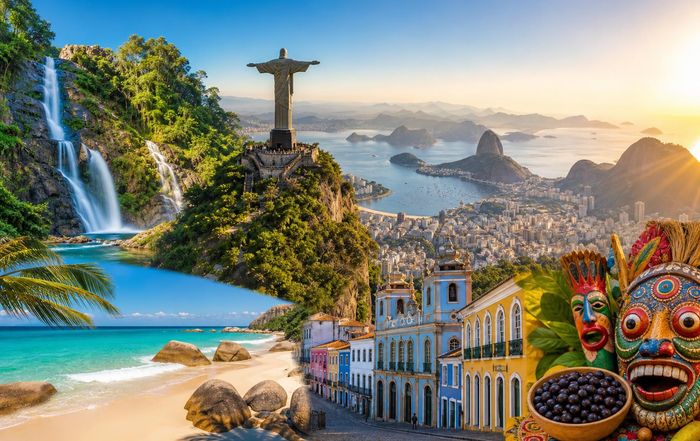
Brazil Travel Guide to Beaches, Nature and Cultural Cities
Brazil has long occupied a special place in the global imagination, a country where Atlantic beaches meet Amazonian rainforest and Afro-Brazilian rhythms blend with European architecture and Indigenous traditions. For travelers who turn to WorldWeTravel for inspiration, Brazil offers a rare combination of accessible coastal leisure, vast wilderness, dynamic cities, and a cultural richness that rewards both first-time visitors and seasoned explorers seeking deeper experiences.
This guide brings together up-to-date information from tourism boards, conservation organizations, and cultural institutions to help travelers design journeys that are memorable, responsible, and aligned with the values of sustainable tourism. It focuses on beaches, nature, and cultural cities, while also highlighting health, family, business, and eco-conscious travel considerations that matter to the global community in the middle of this decade.
Understanding Brazil as a Destination
Brazil is the largest country in South America, spanning equatorial rainforest, tropical and subtropical coastlines, savannas, wetlands, and highland plateaus. Its diversity of landscapes is matched by its cultural mosaic, shaped by Indigenous peoples, descendants of enslaved Africans, European settlers, and more recent migrants from Asia and the Middle East. According to Embratur, the Brazilian Tourism Board, international arrivals have been steadily recovering and diversifying, with visitors increasingly interested in nature tourism, cultural immersion, and gastronomy, not just the traditional beach and Carnival circuit.
For travelers planning multi-stop itineraries, WorldWeTravel provides a useful starting point through its overview of global destinations, which can help position Brazil within broader regional or round-the-world journeys. Brazil's main gateways, such as São Paulo-Guarulhos International Airport and Rio de Janeiro-Galeão International Airport, are well connected to North America, Europe, and other parts of Latin America, making it relatively straightforward to combine Brazilian experiences with visits to neighboring countries like Argentina, Uruguay, and Peru.
When designing a trip, visitors should consider Brazil's vast size and seasonal variations. The Brazilian summer, roughly from December to March, brings hotter temperatures and increased rainfall in many regions, along with peak beach season and major festivities such as Carnival. The dry months, particularly from June to September in many central and southern regions, are favorable for wildlife viewing in the Pantanal and parts of the Amazon. The official tourism portal Visit Brasil offers updated regional climate guidance that can be combined with WorldWeTravel's broader travel planning resources to tailor the timing of each journey.
Brazil's Iconic Beaches: From Urban Shorelines to Remote Coasts
Brazil's coastline stretches for more than 7,000 kilometers along the Atlantic Ocean, and its beaches range from lively urban strips framed by skyscrapers to secluded bays accessible only by boat or hiking trail. Travelers looking for a mix of culture, nightlife, and sea views often start in Rio de Janeiro, where Copacabana and Ipanema remain emblematic. While these beaches are well known, they continue to evolve with improved cycling infrastructure, beachfront kiosks offering healthier options, and expanded safety initiatives supported by municipal authorities and community groups, as reported by local outlets and international travel media.
Beyond Rio, the northeast region stands out for its warm waters and distinctive cultural identity. The state of Bahia, with its capital Salvador, offers a blend of Afro-Brazilian heritage and coastal beauty. The beaches of Praia do Forte and Morro de São Paulo are particularly popular with families and couples, combining resort infrastructure with opportunities to learn about marine conservation through institutions such as Projeto Tamar, which works to protect sea turtles along the Brazilian coastline. For travelers seeking curated accommodation options, WorldWeTravel's section on hotels and stays can be a useful complement to local conservation and tourism resources when planning responsible beach vacations.
Further north, in states like Ceará and Rio Grande do Norte, wind and kitesurfing have developed strongly, with beaches such as Jericoacoara and Pipa gaining international recognition. Organizations including Brazilian Kitesurf Association and local tourism boards share safety and seasonal wind information, which is especially useful for adventure travelers. The region's dunes and lagoons, such as those in Lençóis Maranhenses National Park in Maranhão, offer surreal landscapes that attract photographers and nature enthusiasts, and have been highlighted by outlets like National Geographic for their unique seasonal water-filled sand basins.
In the southeast and south, states like São Paulo, Santa Catarina, and Rio Grande do Sul offer cooler waters but sophisticated beach towns and islands with strong infrastructure. Destinations such as Ilhabela, Florianópolis, and Balneário Camboriú are popular with Brazilian families and increasingly with international visitors who appreciate the combination of good roads, quality accommodation, and varied dining options. Travelers can cross-reference regional information from local tourism bureaus with WorldWeTravel's practical travel tips to identify which coastal areas best match their expectations for crowds, nightlife, and budget.
Nature and Wildlife: Amazon, Pantanal, Cerrado and Beyond
Brazil's natural heritage is one of its greatest assets and a central reason many visitors choose the country. The Amazon Rainforest, the Pantanal wetlands, the Cerrado savanna, the Atlantic Forest, and the Caatinga semi-arid region each host distinct ecosystems and communities, and several major conservation organizations, including WWF-Brazil and Conservation International, emphasize the global importance of these biomes for biodiversity and climate regulation.
For many travelers, the Amazon remains the ultimate symbol of Brazilian nature. Access points like Manaus in the state of Amazonas and Belém in Pará serve as gateways to river cruises, jungle lodges, and community-based tourism initiatives. Reputable operators increasingly collaborate with Indigenous and riverine communities, following principles promoted by entities such as UNESCO and the UN World Tourism Organization, which highlight how well-managed tourism can support local livelihoods and conservation. When choosing Amazon experiences, visitors are encouraged to verify that operators respect protected areas, minimize wildlife disturbance, and contribute to local economies, using guidance similar to that found in WorldWeTravel's eco-travel section.
The Pantanal, spanning parts of Brazil, Bolivia, and Paraguay, is considered one of the world's largest tropical wetland areas and is renowned for wildlife viewing. According to analyses by Panthera and Brazilian environmental agencies, the Pantanal remains one of the best places on Earth to see jaguars in the wild, particularly in the northern Brazilian Pantanal during the dry season when animals concentrate near shrinking water sources. In addition to jaguars, visitors may encounter giant otters, capybaras, caimans, and hundreds of bird species. Sustainable lodges and ranches (fazendas) often support research and conservation projects, and travelers can consult independent reviews and conservation partners to select accommodations that align with responsible tourism values.
The Cerrado, a vast tropical savanna covering much of central Brazil, is sometimes overlooked by international tourists but increasingly recognized by scientists and conservationists for its biodiversity and importance as a water source for major river basins. National parks such as Chapada dos Veadeiros in Goiás and Chapada dos Guimarães in Mato Grosso offer hiking, waterfalls, and panoramic viewpoints that appeal to adventure travelers and photographers. Resources from organizations like ICMBio, the Brazilian agency responsible for national parks, and IUCN provide updated information on protected areas and conservation status, helping visitors understand the environmental context of their trips.
The Atlantic Forest along Brazil's eastern seaboard, although heavily reduced from its original extent, still contains pockets of lush biodiversity, especially in states like Rio de Janeiro, São Paulo, and Paraná. Destinations such as Ilha Grande, Paraty, and the Serra do Mar mountains offer a combination of forest trails, waterfalls, and coastal views. Conservation projects supported by groups such as the SOS Mata Atlântica Foundation promote reforestation and community engagement, and many lodges and tour operators increasingly highlight their participation in such initiatives, giving travelers an opportunity to support restoration efforts through their choice of services.
Cultural Cities: History, Music, and Everyday Life
Brazil's cultural cities are as compelling as its natural landscapes, and for many visitors, the heart of the journey lies in the encounter with urban life, music, food, and historical layers. Rio de Janeiro, São Paulo, Salvador, Brasília, Recife, Belo Horizonte, and Porto Alegre each present distinct identities shaped by geography, migration, and economic development.
Rio de Janeiro remains one of the world's most recognizable cities, framed by mountains and sea and known globally for Christ the Redeemer and Sugarloaf Mountain. UNESCO has recognized parts of the city's landscape as a World Heritage Site, acknowledging the unique integration of urban development and natural scenery. While Rio's Carnival is a major draw, the city's cultural life extends year-round, with samba schools, neighborhood rodas de samba, and contemporary arts institutions such as the Museum of Tomorrow and MAR - Rio Art Museum. Travelers interested in understanding the city's social fabric can explore guided visits to favelas run by community organizations, which emphasize safety, respect, and local perspectives.
São Paulo, Brazil's largest city and economic powerhouse, offers a different type of cultural immersion. With a metropolitan population exceeding 20 million, it is a center for finance, technology, and the arts, and hosts one of Latin America's most vibrant culinary scenes. The São Paulo Museum of Art (MASP), the Pinacoteca do Estado, and the São Paulo Biennial showcase both Brazilian and international art, while neighborhoods like Liberdade highlight the city's large Japanese-Brazilian community, and Bixiga reflects Italian influences. Business travelers using WorldWeTravel's business travel insights can combine meetings and conferences with cultural exploration, making the most of São Paulo's extensive hotel and restaurant infrastructure.
Salvador, capital of Bahia, is often described as Brazil's most Afro-descendant city, with strong African cultural roots visible in music, religion, food, and festivals. The historic center, Pelourinho, is a UNESCO World Heritage Site, with colorful colonial buildings, baroque churches, and squares that come alive with capoeira demonstrations and percussion ensembles. Institutions such as the Museu Afro-Brasileiro and cultural groups like Olodum have contributed to international awareness of Afro-Brazilian heritage. Travelers can deepen their understanding of this heritage through guided experiences that respectfully present Candomblé religious traditions, regional cuisine like moqueca and acarajé, and local crafts, while following ethical guidelines that prioritize community benefit and cultural sensitivity.
Other cities provide additional layers to Brazil's urban mosaic. Brasília, inaugurated in 1960 as the new federal capital, is recognized by UNESCO for its modernist urban planning and architecture by Oscar Niemeyer and Lúcio Costa. Its wide avenues and monumental government buildings offer a contrast to older colonial cities such as Ouro Preto and Diamantina in Minas Gerais, which preserve baroque churches, cobblestone streets, and mining-era histories. Meanwhile, northeastern cities like Recife and Olinda blend Dutch, Portuguese, and Afro-Brazilian influences, with strong Carnival traditions and a growing contemporary art scene.
Family Travel: Safe, Enriching Experiences for All Ages
Brazil can be a rewarding destination for families, offering beaches with gentle waves, educational nature experiences, and cultural activities suitable for children and teenagers. Popular family-friendly coastal towns such as Porto de Galinhas in Pernambuco, Bombinhas in Santa Catarina, and Búzios near Rio offer calm waters, snorkeling opportunities, and a range of accommodation types. Resorts and pousadas with kids' clubs, shallow pools, and interconnecting rooms make it easier for parents to balance relaxation with supervision.
For families interested in nature, guided visits to wildlife rescue centers, turtle conservation projects, and national parks can be both inspiring and educational. Organizations like Instituto Chico Mendes de Conservação da Biodiversidade (ICMBio) and local NGOs provide information about visitor centers and educational programs. Parents can also consult WorldWeTravel's family travel section for broader strategies on traveling with children, including tips on pacing itineraries, choosing age-appropriate activities, and maintaining health and safety on the road.
Brazilian culture tends to be welcoming toward children in public spaces, including restaurants and beaches, which many families from North America and Europe find reassuring. However, as with any international destination, families are advised to stay informed about security conditions through reliable sources such as the U.S. Department of State, the UK Foreign, Commonwealth & Development Office, or equivalent agencies in Canada, Australia, and other countries, and to follow standard precautions regarding transportation, valuables, and crowd management.
Health, Safety, and Well-Being on the Road
Health and safety considerations remain central to international travel, and Brazil is no exception. The World Health Organization and national health authorities such as Brazil's Ministry of Health provide updated guidance on vaccinations, mosquito-borne diseases, and other issues that may vary by region and season. Depending on the itinerary, travelers may be advised to consider vaccines or preventive measures for yellow fever, hepatitis, and other conditions, and to take precautions against mosquito bites in areas where dengue or malaria are present.
Major Brazilian cities generally offer high-quality private healthcare facilities, particularly in São Paulo, Rio de Janeiro, and Brasília, with many doctors trained abroad and able to communicate in English or other languages. However, access and standards can vary in more remote regions, making comprehensive travel insurance an important part of trip planning. Travelers can combine official health guidance with WorldWeTravel's health-focused travel advice, which emphasizes preventive measures, mental well-being on the road, and strategies for maintaining fitness and nutrition while traveling.
Safety in urban areas is a topic that receives significant international attention. Reliable sources, including foreign travel advisories and independent research organizations, note that some Brazilian cities face challenges related to crime and inequality, but also emphasize that millions of residents and visitors go about daily life without incident by following common-sense precautions. These include using registered taxis or reputable ride-hailing services, avoiding the display of expensive jewelry or electronics in crowded areas, staying aware of surroundings, and following local advice about neighborhoods to avoid at night. Travelers can also learn about community-led initiatives and social projects that contribute to safer, more inclusive cities, aligning with WorldWeTravel's commitment to highlighting positive, constructive developments.
Sustainable and Eco-Conscious Travel in Brazil
As global awareness of climate change and biodiversity loss grows, many travelers are seeking ways to minimize their environmental footprint and support local communities through tourism choices. Brazil, with its vast natural resources and complex environmental challenges, offers both opportunities and responsibilities for visitors who wish to travel sustainably.
International frameworks such as the Global Sustainable Tourism Council provide criteria for sustainable tourism practices, and some Brazilian operators and destinations have begun aligning with these standards. Eco-lodges in the Amazon and Pantanal, community-based tourism initiatives in Indigenous territories, and conservation-focused beach resorts often highlight their efforts to reduce emissions, manage waste, protect wildlife, and invest in local education and health. Travelers can enhance their impact by choosing operators that are transparent about their practices, engaging in low-impact activities like hiking and kayaking, and respecting guidelines on wildlife viewing and protected area access.
Sustainable travel also involves cultural respect and economic fairness. Brazilian organizations such as SEBRAE and community tourism networks work with small businesses and local entrepreneurs to improve service quality and market access, ensuring that tourism revenue reaches a broader segment of the population. Visitors who prioritize locally owned accommodation, restaurants, and craft producers can contribute to more equitable development, in line with the principles highlighted in WorldWeTravel's eco travel and global perspectives sections.
Practical Tips: Transport, Language, and Connectivity
Brazil's size makes internal transportation an important consideration. Domestic flights connect major cities and many regional hubs, and airlines frequently operate shuttle-like services between São Paulo and Rio de Janeiro. For medium-distance travel, long-distance buses remain an affordable and widely used option, with varying levels of comfort depending on the company and route. In some regions, particularly in the Amazon and along certain river systems, boats are the primary mode of transport, ranging from speedboats to multi-day river ferries.
Urban transportation options have expanded in recent years, with app-based ride services operating in most large cities alongside traditional taxis and public buses. Metro systems in São Paulo, Rio de Janeiro, and Brasília cover key corridors, and cycling infrastructure has improved in some coastal cities. Travelers can consult local transport authorities and mapping tools, as well as WorldWeTravel's travel tips, for guidance on navigating different environments efficiently and safely.
Portuguese is Brazil's official language, and while English is increasingly spoken in tourist areas, hotels, and among younger urban residents, it is less common in rural regions. Learning basic Portuguese phrases, or using translation apps, can significantly enhance interactions and demonstrate respect for local culture. Cultural institutions like the Instituto Camões and language-learning platforms provide resources for travelers who wish to prepare in advance.
Connectivity is generally good in urban centers, with widespread 4G coverage and expanding 5G service, as reported by telecommunications regulators and industry analyses. In remote areas, especially deep in the Amazon or Pantanal, mobile coverage can be limited or absent, and lodges may rely on satellite connections. Travelers who plan to work remotely from Brazil, an increasingly common practice among digital nomads and location-independent professionals, can consult WorldWeTravel's work and travel insights and technology in travel pages to align expectations regarding connectivity, co-working spaces, and time-zone coordination with colleagues or clients.
Brazil's Evolving Role in Global Travel
In a world where travelers are more conscious of health, sustainability, and cultural authenticity, Brazil stands at a crossroads of opportunity and responsibility. The country's beaches, nature reserves, and cultural cities continue to attract visitors seeking warmth, beauty, and human connection, while policymakers, businesses, and communities work to balance tourism growth with environmental protection and social inclusion. Reports from international organizations, environmental NGOs, and economic analysts, including the World Bank and the OECD, underscore both the potential of tourism to support development and the need for careful management to avoid overuse of fragile ecosystems and cultural commodification.
For travelers who rely on WorldWeTravel as a trusted companion, Brazil offers a compelling invitation to engage with a country that is as complex as it is welcoming. By combining careful planning, respect for local realities, and a spirit of curiosity, visitors can experience sunlit beaches, encounter jaguars or pink river dolphins in their habitats, walk through centuries-old streets, and listen to music that reflects centuries of cultural fusion. In doing so, they not only create personal memories but also contribute, in however small a way, to a more connected and conscious global travel community.
As Brazil continues to evolve, with new conservation projects, cultural initiatives, and infrastructure improvements, WorldWeTravel remains committed to providing reliable, up-to-date insights that help travelers discover the best of this vast and vibrant nation, from its coastal sands to its forest canopies and city skylines.