

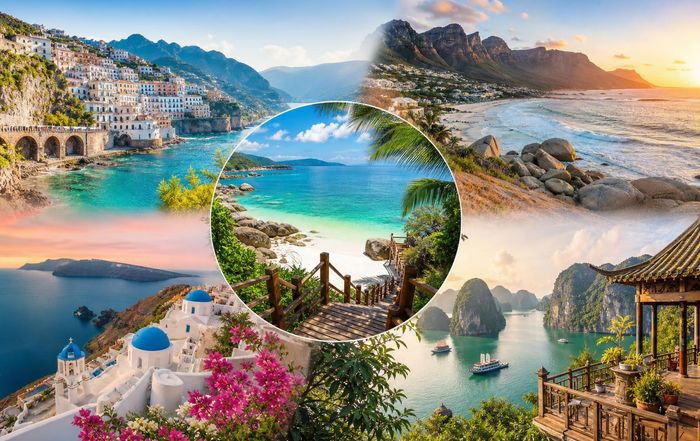
Best Worldwide Destinations for Scenic Coastal Escapes
Coastal travel has always carried a special allure, combining the restorative power of the sea with cultural richness, culinary discovery, and often a deep sense of local identity. As travelers seek more meaningful, sustainable, and health-conscious experiences, scenic coastal escapes are moving from simple beach holidays to thoughtfully curated journeys that balance natural beauty, community connection, and personal wellbeing. For well travelled community coming to WorldWeTravel, these shores are not only postcard-perfect vistas but also gateways to family memories, romantic retreats, and transformative adventures that can be revisited across a lifetime.
This article surveys some of the most compelling coastal destinations across the globe, with a focus on authentic experiences, environmental stewardship, and the practical insights that help travelers choose the right shoreline for their style of travel. From rugged Atlantic cliffs to tranquil tropical lagoons, and from design-forward seaside hotels to quiet wellness retreats, the world's coasts continue to evolve while retaining their timeless appeal.
Why Coastal Escapes Matter More Than Ever
Coastal environments occupy a unique place in contemporary travel. Research from organizations such as the World Health Organization shows that proximity to blue spaces can support mental wellbeing and reduce stress, and this understanding has helped reframe seaside holidays as more than indulgence, becoming part of a holistic approach to health. Travelers increasingly look for destinations where they can combine rest with outdoor activity, learn about local marine ecosystems, and support communities adapting to environmental change.
At the same time, climate and sustainability concerns have become central to coastal tourism. Rising sea levels, coral bleaching, and overtourism are prompting both governments and local businesses to rethink how they welcome visitors. Initiatives highlighted by UNESCO and the UN Environment Programme show how marine protected areas, responsible fishing, and low-impact infrastructure can preserve fragile coastlines while enabling travelers to experience them respectfully. For readers planning their next journey through WorldWeTravel's destinations hub usually updated each day at worldwetravel.com/destinations, understanding these dynamics is now an essential part of choosing where and how to travel.
Europe's Iconic Shores: Culture, Cliffs, and Coastal Villages
European coasts remain among the world's most storied and diverse, offering everything from dramatic Atlantic scenery to sheltered Mediterranean coves, all within relatively short travel distances and with excellent transport infrastructure.
Along Italy's famed Amalfi Coast, pastel-hued villages such as Positano and Amalfi cling to cliffs that plunge into the Tyrrhenian Sea. The area, recognized as a UNESCO World Heritage cultural landscape, blends centuries-old architecture, terraced lemon groves, and winding coastal roads that can be explored by local bus, private transfer, or increasingly by sea to reduce congestion. Travelers can learn more about the region's heritage and conservation efforts through resources from Italia.it, the official Italian tourism portal, and then refine their lodging options through WorldWeTravel's curated hotels guide at worldwetravel.com/hotels, which emphasizes properties that support local producers and reduce single-use plastics.
Further west, France's Côte d'Azur offers a different kind of coastal charm, marrying Belle Époque glamour with contemporary art, gastronomy, and yachting culture. Cities such as Nice and Cannes provide lively promenades and cultural institutions like the Musée Matisse, while smaller towns including Antibes and Menton offer quieter harbors and botanical gardens. The French government's emphasis on sustainable tourism, highlighted by Atout France, has led to expanded coastal walking paths and marine reserves that allow visitors to enjoy snorkeling and sailing with a lower ecological footprint. For families, combining seaside relaxation with day trips to hilltop villages or museums can create a balanced itinerary, and WorldWeTravel's family travel section at worldwetravel.com/family provides practical advice on pacing, transport, and child-friendly activities.
In the United Kingdom, the rise of "coastal walking holidays" has turned the country's extensive shoreline into a giant open-air park. The England Coast Path, being developed by Natural England, aims to create a near-continuous walking route around the English coastline, complementing established trails such as the South West Coast Path in Devon and Cornwall. These routes showcase rugged cliffs, fishing villages, and wide sandy bays, and they are supported by a network of inns, bed-and-breakfasts, and boutique hotels that often emphasize local seafood and regional produce. Travelers seeking detailed route planning can consult the National Trails website, while WorldWeTravel's travel insights at worldwetravel.com/travel offer broader guidance on integrating coastal walking into longer European journeys.
Further north, Norway's fjord-indented coastline delivers some of the continent's most dramatic seascapes. Iconic sites such as Geirangerfjord and Nærøyfjord, also listed by UNESCO, combine towering cliffs, waterfalls, and serene waters that can be explored by ferry, electric boat, or rail-and-ferry combinations such as the Bergen Railway and Flåm Railway. The Norwegian government has invested in low-emission maritime transport and encourages visitors to explore beyond peak-season cruise traffic, a message echoed by Innovation Norway and by sustainability-focused travel platforms. For WorldWeTravel readers, these coasts illustrate how scenic splendor can coexist with forward-looking environmental policy.
North American Coasts: Wild Nature and Welcoming Communities
Across North America, coastal escapes range from rugged wilderness to polished resort towns, often within easy reach of major urban centers, making them ideal for long weekends or extended family holidays.
In the United States, California's Pacific Coast Highway remains one of the world's classic road-trip routes. The stretch through Big Sur, with its soaring bridges and redwood groves descending to the ocean, has been carefully managed after periods of landslides and infrastructure repairs, with agencies such as Caltrans providing up-to-date road information to help visitors plan safe journeys. Nearby state parks and preserves protect marine life, tide pools, and hiking trails, and organizations like the Monterey Bay Aquarium offer education on marine conservation and sustainable seafood. Travelers looking to combine coastal scenery with urban culture can pair this drive with time in San Francisco or Los Angeles, and can consult WorldWeTravel's tips section at worldwetravel.com/tips for guidance on timing, car rental, and crowd avoidance.
On the opposite coast, the maritime provinces of Canada, including Nova Scotia and Prince Edward Island, provide a quieter, story-rich alternative. The Cabot Trail in Cape Breton, Nova Scotia, loops through coastal highlands and fishing communities, while Prince Edward Island offers red-sand beaches, lighthouses, and literary heritage connected to "Anne of Green Gables." The Parks Canada agency maintains numerous coastal parks and national historic sites, combining interpretive programs with preservation of dunes and wetlands. Canadian tourism authorities, such as Destination Canada, emphasize Indigenous tourism experiences and community-led initiatives that can broaden travelers' understanding of coastal cultures and history.
Further south, Mexico's Yucatán Peninsula and the Pacific coasts of Oaxaca and Nayarit have seen a rise in travelers seeking both resort comforts and authentic local experiences. While some areas, such as Cancún, are known for large-scale development, others, including Tulum and Puerto Escondido, have become focal points for debates about sustainability, water use, and cultural preservation. Responsible travelers can consult organizations like Sustainable Travel International and governmental sources such as Visit Mexico to identify properties and tour operators that adhere to environmental standards and support local communities. For those planning multi-country itineraries through the Americas, WorldWeTravel's global travel overview at worldwetravel.com/global can help contextualize coastal experiences within broader regional journeys.
Asia-Pacific Shores: From Tropical Reefs to Urban Waterfronts
The Asia-Pacific region offers extraordinary coastal diversity, from coral atolls and rainforest-backed beaches to some of the world's most sophisticated urban waterfronts. Many of these destinations are at the forefront of both tourism innovation and climate adaptation.
In Thailand, islands such as Phuket, Koh Samui, and Koh Lanta have long attracted international visitors, yet in recent years authorities have taken steps to protect fragile ecosystems. The temporary closure and phased reopening of Maya Bay in the Phi Phi Islands, overseen by Thailand's Department of National Parks, has been widely reported by outlets such as BBC News and National Geographic, and serves as a case study in reef recovery and visitor management. Travelers can learn more about marine park regulations and responsible snorkeling or diving practices through Tourism Authority of Thailand resources, and can use WorldWeTravel's eco travel guide at worldwetravel.com/eco to better understand how to reduce their footprint in sensitive coastal zones.
Japan's coastal landscapes, often overshadowed by its cities, offer remarkable variety. The Noto Peninsula, Seto Inland Sea, and Okinawa's subtropical islands present opportunities for slow travel, traditional ryokan stays, and immersion in local fisheries and crafts. The Japanese government's Japan National Tourism Organization (JNTO) highlights initiatives such as "satoyama and satoumi" tourism, which aims to sustain traditional land and sea use while sharing these practices with visitors. In Okinawa, coral conservation efforts and community-based tourism projects demonstrate how coastal destinations can balance visitor demand with environmental stewardship, a theme that resonates strongly with WorldWeTravel's emphasis on responsible, experience-rich journeys.
Australia's Great Ocean Road and Queensland's tropical coasts illustrate two different facets of the country's maritime identity. The Great Ocean Road in Victoria, managed with input from agencies such as Parks Victoria, showcases limestone stacks like the Twelve Apostles, surf beaches, and koala habitats, and has increasingly focused on dispersing visitors across seasons and viewpoints to prevent overcrowding. Meanwhile, the Great Barrier Reef region has become a global symbol of both natural wonder and environmental vulnerability, with scientific assessments by the Great Barrier Reef Marine Park Authority and Australian Institute of Marine Science documenting coral bleaching events and recovery efforts. Travelers can choose reef operators certified under programs like EcoTourism Australia's ECO Certification, helping ensure that their snorkeling or diving excursions contribute to monitoring and conservation.
In New Zealand, the Bay of Islands, Abel Tasman National Park, and the Coromandel Peninsula offer sheltered bays, coastal hiking tracks, and opportunities for sailing and kayaking in relatively unspoiled environments. The Department of Conservation (DOC) provides detailed guidance on track conditions, wildlife protection, and responsible camping, while Māori-led tourism experiences introduce visitors to Indigenous perspectives on land and sea stewardship. For travelers interested in integrating wellness, outdoor activity, and cultural learning, these shores align well with the holistic approach promoted in WorldWeTravel's health and retreat sections at worldwetravel.com/health and worldwetravel.com/retreat.
Indian Ocean and African Coasts: Serenity, Wildlife, and Cultural Depth
The coasts of the Indian Ocean and Africa combine some of the world's most photogenic beaches with deep cultural histories and important biodiversity. As connectivity improves and more travelers look beyond traditional resort hubs, these regions are gaining attention for both luxury escapes and community-based tourism.
The Maldives has become synonymous with overwater villas and turquoise lagoons, yet beyond its iconic imagery lies a complex story of climate vulnerability and adaptation. The Maldives Ministry of Tourism and organizations such as the UN Development Programme have documented efforts to diversify tourism beyond single-island resorts, promoting guesthouses on local islands and encouraging coral restoration projects. Many resorts now highlight their marine biology teams and invite guests to participate in reef monitoring or turtle conservation, though travelers are encouraged to verify claims through independent sources and certifications, including Green Globe and EarthCheck, to ensure that sustainability messaging is backed by action.
Along the East African coast, destinations such as Zanzibar, Kenya's Lamu Archipelago, and South Africa's Garden Route offer a blend of Swahili, Arab, and European influences, with architecture, cuisine, and music reflecting centuries of maritime trade. Zanzibar's Stone Town, recognized as a UNESCO World Heritage Site, provides a fascinating contrast to the island's palm-fringed beaches and coral reefs, and visitors can learn about its complex history through reputable organizations like UNESCO and local heritage foundations. In South Africa, the Garden Route's combination of coastal cliffs, indigenous forests, and marine reserves, including areas managed by SANParks, creates an ideal setting for road trips that balance wildlife watching, hiking, and seaside relaxation. For travelers planning multi-stop itineraries that include safari and coast, WorldWeTravel's economy and work sections at worldwetravel.com/economy and worldwetravel.com/work can help frame longer stays that combine leisure with remote work.
On the opposite side of the Indian Ocean, Mauritius and Réunion Island provide examples of islands that have invested heavily in infrastructure, healthcare, and education, positioning themselves as stable, welcoming destinations with diverse attractions. Mauritius Tourism Promotion Authority and Ile de La Réunion Tourisme emphasize hiking, cultural festivals, and culinary experiences alongside beach holidays, encouraging visitors to explore inland volcanic landscapes and multicultural towns. These islands' relatively strong governance and emphasis on sustainable development have been noted by organizations such as the World Bank, which tracks their progress on climate resilience and economic diversification.
Latin American and Iberian Atlantic Coasts: Rhythm, Nature, and Renewal
Latin America's Atlantic and Pacific coasts, together with the Iberian Atlantic, offer vibrant combinations of music, cuisine, and coastal ecosystems that attract travelers seeking both energy and tranquility.
Brazil's coastline, stretching for thousands of kilometers, ranges from the urban beaches of Rio de Janeiro to remote fishing villages and protected marine parks. Rio's Copacabana and Ipanema remain cultural icons, yet many travelers are now drawn to less crowded areas such as Bahia's Praia do Forte or the archipelago of Fernando de Noronha. The latter, managed with strict visitor limits and environmental regulations, is often cited by ICMBio (the Brazilian Institute for Biodiversity Conservation) as a model for balancing tourism with conservation, and independent reporting by outlets such as The Guardian has highlighted both its success and ongoing challenges. Visitors can deepen their understanding of Brazilian coastal ecosystems and community projects through NGOs like SOS Mata Atlântica.
Across the Atlantic in Portugal, the Algarve and the country's wilder western coast have become favored destinations for travelers from the United Kingdom, Germany, and the Netherlands, among others. The Algarve's limestone cliffs, sea caves, and golden beaches are complemented by golf resorts and fishing towns, while the Costa Vicentina and Alentejo coast offer more rugged, less developed stretches popular with hikers and surfers. The Visit Portugal portal and Rota Vicentina association provide detailed information on walking trails, surf spots, and local accommodation that supports rural economies. For those planning multi-country European itineraries, WorldWeTravel's culture section at worldwetravel.com/culture can help situate Portuguese coastal traditions within broader Mediterranean and Atlantic narratives.
In Spain, coastal regions such as Costa Brava, Costa del Sol, and the Balearic Islands continue to evolve in response to changing traveler expectations and environmental pressures. Authorities in the Balearics, for example, have introduced regulations to address overtourism and promote more sustainable visitation patterns, measures that have been reported by El País and other reputable outlets. Travelers who wish to support these efforts can look for certified sustainable accommodations and consider visiting outside peak months, using resources from Spain's official tourism website to identify cultural events and local experiences that enrich shoulder-season trips.
Wellness, Remote Work, and the Future of Coastal Travel
As remote and hybrid work arrangements remain prevalent, coastal destinations are increasingly positioning themselves as extended-stay hubs where visitors can balance professional responsibilities with restorative environments. Governments in countries such as Portugal, Costa Rica, and Barbados have introduced digital nomad or long-stay visas, initiatives documented by their respective immigration and tourism authorities and analyzed by organizations like the OECD. These programs encourage travelers to spend more time in one place, potentially reducing the environmental impact of frequent flights while deepening engagement with local communities.
Wellness-focused coastal retreats are also on the rise, integrating yoga, meditation, spa therapies, and nutrition programs with outdoor activities such as surfing, stand-up paddleboarding, or coastal hiking. Many of these retreats emphasize evidence-based practices and work with qualified health professionals, though travelers are advised to verify credentials and health claims through independent research and, when appropriate, consultation with healthcare providers. Reputable health information sources, including the Mayo Clinic and Cleveland Clinic, can help travelers evaluate wellness offerings, while WorldWeTravel's health and retreat content at worldwetravel.com/health and worldwetravel.com/retreat offers additional context on choosing programs that align with personal goals and medical needs.
Technology is reshaping coastal travel in other ways as well. Digital tools from organizations such as NOAA in the United States and the European Environment Agency provide real-time information on tides, water quality, and weather, helping travelers make safer choices about swimming, boating, and coastal hiking. At the same time, online platforms and social media have contributed to rapid popularity spikes for previously quiet beaches and coves, prompting local authorities in some regions to introduce reservation systems, visitor caps, or educational campaigns to manage impact. Responsible travelers can stay informed through official tourism websites and by following updates from conservation organizations active in the regions they plan to visit.
For business travelers and companies planning offsite meetings or incentive trips, coastal destinations offer opportunities to combine strategic work with team-building in inspiring surroundings. Many conference hotels and resorts now highlight their sustainability credentials and community partnerships, and organizations such as the Global Sustainable Tourism Council (GSTC) provide frameworks for evaluating these claims. WorldWeTravel's business travel guide at worldwetravel.com/business and technology insights at worldwetravel.com/technology can help corporate planners design coastal events that are both productive and responsible.
Planning a Coastal Escape with Purpose
Selecting the right coastal destination involves more than choosing a beach; it requires aligning personal interests, travel style, and values with the character of a specific shoreline and its community. Travelers who prioritize cultural immersion may gravitate toward historic port cities and fishing villages, while those seeking solitude might look to less developed stretches of coast or protected islands. Families often benefit from destinations with calm waters, accessible medical care, and a variety of age-appropriate activities, while adventure seekers may focus on surfing breaks, dive sites, or multi-day coastal hikes.
Across all these preferences, certain principles remain consistent. Consulting official tourism boards and reputable environmental organizations helps ensure that information is current and accurate. Reviewing marine park regulations, seasonal weather patterns, and local customs supports both safety and cultural respect. Considering train or ferry options, where available, can reduce the carbon impact of coastal travel, an approach promoted by initiatives such as Rail Europe and various national rail operators. Within the WorldWeTravel original educational content ecosystem, readers can navigate between destinations, travel planning resources, and specialized content on eco-conscious journeys to design itineraries that are both inspiring and responsible.
As the world continues to adapt to environmental, technological, and social change, coastal destinations will remain central to the way people imagine escape, renewal, and connection. By approaching these shores with curiosity, care, and a willingness to support communities and ecosystems, travelers can help ensure that the world's most scenic coasts remain vibrant, resilient, and welcoming for generations to come.