

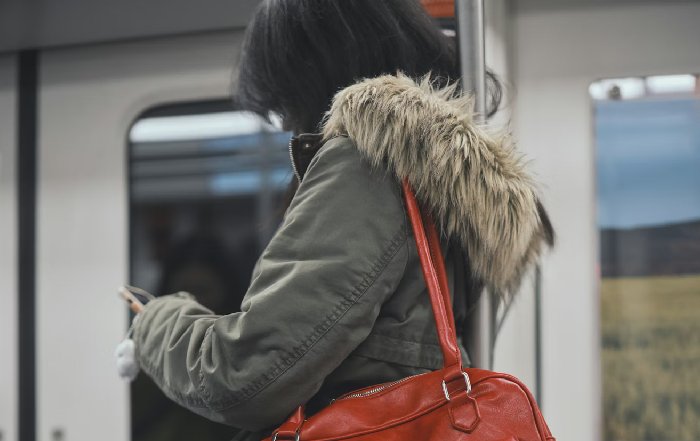
Solo Travel Safety Tips for Women: An Important and Helpful Guide for Confident, Connected Journeys
The New Era of Women's Solo Travel
Solo travel by women has shifted from a niche trend to a mainstream global movement, reshaping how destinations, hotels, and travel businesses design services, communicate safety, and deliver experiences. From executive travelers commuting between New York, London, and Singapore to digital nomads building location-independent careers and parents carving out restorative solo retreats, women are increasingly navigating the world alone with purpose, confidence, and clear expectations of safety and professionalism. For the frequently travelling audience of WorldWeTravel.com, which usually involves leisure travelers, business leaders, families, and remote professionals, understanding solo travel safety for women is no longer just a personal concern; it is a strategic issue that touches on risk management, brand trust, workplace policy, and long-term travel planning.
This article explores the evolving landscape of women's solo travel safety through a business-grade lens, grounded in experience, expertise, authoritativeness, and trustworthiness. It draws on global best practices, advances in travel technology, and the lived realities of women moving between key markets such as the United States, United Kingdom, Germany, Canada, Australia, France, Italy, Spain, Netherlands, Switzerland, China, Sweden, Norway, Singapore, Denmark, South Korea, Japan, Thailand, Finland, South Africa, Brazil, Malaysia, and New Zealand, as well as across Europe, Asia, Africa, South America, and North America. It also reflects the editorial perspective of WorldWeTravel.com, where safety is framed not as a constraint on exploration, but as the foundation for richer, more sustainable journeys. Readers who are planning itineraries can explore curated insights on destinations and practical travel guidance to complement the strategic recommendations outlined here.
Understanding the Modern Risk Landscape
Solo travel safety for women in 2026 must be understood against a backdrop of intersecting global trends: post-pandemic health vigilance, geopolitical uncertainty, digital surveillance, climate-related disruptions, and rapidly evolving social norms around gender and mobility. While risks vary significantly between countries and even neighborhoods, patterns have emerged that allow for structured risk assessment and informed decision-making.
International organizations such as the World Health Organization provide ongoing guidance on public health concerns and travel-related disease outbreaks, and solo travelers can stay informed about global health advisories before and during their trips. Likewise, official government portals like the U.S. Department of State offer detailed country-level safety profiles, including crime trends, terrorism alerts, and guidance specific to women travelers; those considering new destinations can review official travel advisories as part of their pre-trip evaluation.
For women, this risk landscape is layered with gender-specific concerns such as harassment, cultural expectations, legal protections (or lack thereof), and access to justice. In some regions, women may face restrictions on dress, movement, or behavior, while in others, societal norms strongly support women's independence. The audience of WorldWeTravel.com, which includes both first-time solo travelers and seasoned executives, benefits from integrating macro-level data with on-the-ground perspectives; combining national-level safety rankings from sources such as the World Economic Forum with localized cultural insights and traveler reports enables a more accurate and nuanced view of risk. Those considering longer stays or cross-border work arrangements can further contextualize these risks through the site's coverage of global mobility and economy trends, which often influence infrastructure, policing, and social stability in key regions.
Planning with Purpose: Pre-Trip Strategy for Safety
Effective solo travel safety for women begins well before departure, with deliberate and structured planning that balances spontaneity with risk mitigation. Rather than relying on generic lists, experienced travelers in 2026 increasingly use a layered approach that includes geopolitical, health, legal, and cultural analysis.
Travelers can start by consulting national health agencies such as the U.K. National Health Service to review vaccination and health recommendations tailored to specific destinations, particularly when visiting parts of Africa, South America, or Asia where certain diseases remain prevalent. For regional security assessments, the European Union and its institutions provide country-specific updates on border controls, civil unrest, and transport disruptions, and those planning multi-country itineraries across Europe can monitor official EU travel information to anticipate operational risks.
At the same time, solo women travelers increasingly rely on professional-grade information sources such as IATA and global aviation partners to track airline safety and operational updates in real time, particularly when weather events, strikes, or geopolitical tensions threaten to disrupt flight schedules. By combining these resources with the curated guidance available on WorldWeTravel.com-for example, using its tips section for practical packing and documentation strategies and its technology coverage for evaluating travel apps and digital tools-women can construct a pre-trip strategy that is both comprehensive and tailored to their specific risk tolerance and travel style.
For business travelers, pre-trip planning also intersects with corporate duty-of-care obligations and insurance coverage. Many multinational organizations now align their travel policies with best practices from entities like the International SOS and adopt standardized risk assessment frameworks to ensure that women traveling alone for work have clear emergency protocols, vetted accommodation, and secure local transport options. Solo travelers who are self-employed or working remotely can mirror these corporate standards in their personal planning, treating their journeys with the same level of rigor that global companies apply to executive travel.
Choosing Safe Destinations and Neighborhoods
Destination selection remains one of the most powerful levers women can use to manage risk. While no country is entirely risk-free, data consistently shows that some destinations offer more supportive environments for solo women in terms of legal protections, social attitudes, and infrastructure. Countries such as Canada, New Zealand, Norway, Finland, Sweden, Denmark, Netherlands, Switzerland, Japan, and Singapore routinely rank highly on global safety indexes and gender equality measures, making them strong options for first-time solo travelers or for those seeking predictable, low-friction experiences. Travelers can consult resources such as the Global Peace Index to compare the relative safety of different countries and cross-reference that data with personal interests around culture, nature, or business opportunities.
Within each country, however, neighborhood-level choices can be as important as the national profile. Urban centers like London, Berlin, Toronto, Sydney, Paris, Rome, Barcelona, Amsterdam, Zurich, Seoul, and Bangkok contain districts that vary widely in safety, nightlife intensity, and late-night transport options. Solo women travelers can use municipal open-data portals, local police reports, and real-time mapping tools to identify areas with lower crime rates and better lighting, as well as proximity to hospitals, embassies, and major transit hubs. Platforms like UN-Habitat also offer insight into urban safety and public space design that can guide choices in emerging destinations and rapidly growing cities across Africa and South America.
The editorial team at WorldWeTravel.com emphasizes that destination choice is not solely about avoiding risk; it is also about aligning the character of a place with the traveler's purpose and comfort level. Those seeking wellness-focused experiences may gravitate toward dedicated retreat environments in countries like Thailand, Bali in Indonesia, or Costa Rica, while those prioritizing cultural immersion might explore the site's culture coverage of historic districts in Italy, Spain, or Japan. In each case, understanding how local norms, nightlife, and transport patterns affect solo movement-especially after dark-remains central to destination and neighborhood selection.
Accommodation Choices: From Hotels to Hybrid Spaces
Where a solo traveler sleeps and works is one of the most consequential safety decisions she will make, especially when trips blend leisure, business, and remote work. Traditional hotels, serviced apartments, co-living spaces, and short-term rentals each present distinct risk profiles, and women traveling alone in 2026 increasingly evaluate these options with a structured checklist that goes beyond price and aesthetics.
Established hotel brands and professionally managed properties continue to offer advantages in terms of 24/7 staffed reception, controlled access, CCTV coverage, and standardized safety protocols. Many chains have integrated gender-sensitive policies, such as secure keycard-only floors, well-lit corridors, and trained staff who can respond discreetly to harassment or stalking concerns. Organizations like the Global Business Travel Association provide corporate buyers and individual travelers with guidance on evaluating hotel safety and security as part of their accommodation selection process, and solo women can adapt these frameworks for personal use. For readers of WorldWeTravel.com, the dedicated hotels section offers comparative insights into how different properties and brands in key markets approach guest safety, digital security, and inclusivity.
Alternative accommodations, including short-term rentals and co-living spaces, can offer more local immersion and better value, particularly for extended stays in cities like Berlin, Lisbon, Cape Town, or São Paulo. However, they demand more careful vetting of hosts, building security, and neighborhood context. Women traveling alone are increasingly verifying host identities, reading reviews with a focus on safety-related comments, and using video calls to confirm details before booking. They are also prioritizing properties with strong locks, interior deadbolts, peepholes, and clear fire exits, while avoiding ground-floor units with easy street access in less secure areas. As remote and hybrid work models become standard, many solo travelers are also selecting accommodations that provide dedicated workspaces and reliable internet, aligning with the professional focus of WorldWeTravel.com and its coverage of work and travel convergence.
Digital Security and Technology-Enabled Safety
In 2026, digital safety is inseparable from physical safety, particularly for women traveling alone who depend on smartphones, cloud services, and location-based applications to navigate unfamiliar environments. The same tools that provide real-time maps, translation, ride-hailing, and digital payments can also expose travelers to data breaches, stalking, or identity theft if not managed carefully.
Cybersecurity agencies such as the U.S. Cybersecurity and Infrastructure Security Agency (CISA) publish accessible guidance on protecting personal devices and data while traveling, and solo travelers can adapt these recommendations by using strong authentication, encrypted messaging, and virtual private networks when accessing public Wi-Fi. For those working remotely or handling sensitive corporate data, aligning personal practices with enterprise-grade standards is essential; many organizations now require traveling staff to use secured laptops, mobile device management, and restricted access to certain platforms while abroad.
At the same time, safety-focused travel apps and wearables have matured considerably. Women can now share live locations with trusted contacts, trigger discreet emergency alerts, and log incidents through specialized apps that connect directly to local emergency services in cities from New York to Tokyo. Public-sector services, such as the European emergency number 112, provide centralized access to police, ambulance, and fire services across EU member states and can be dialed free of charge in emergencies, an important detail for solo travelers moving between European countries. The technology coverage on WorldWeTravel.com helps readers evaluate emerging safety tools, from AI-based risk alerts to smart luggage and authentication devices, ensuring that digital solutions enhance rather than compromise their security profile.
Navigating Local Transport Safely
Movement within and between cities is one of the most vulnerable aspects of solo travel, particularly after dark or when navigating unfamiliar systems. In 2026, women traveling alone have more options than ever-public transit, regulated taxis, ride-hailing platforms, car-sharing, bicycles, and micro-mobility services-but each requires distinct risk management strategies.
Public transport in cities such as Tokyo, Singapore, Zurich, Stockholm, Copenhagen, and Seoul is widely regarded as safe, efficient, and predictable, making it an attractive option for solo travelers, including those on business schedules. Transport authorities and organizations such as the International Association of Public Transport (UITP) share best practices on safe and inclusive public transit that are increasingly reflected in station design, lighting, CCTV coverage, and staff training. Nonetheless, women are advised to remain situationally aware, avoid isolated carriages late at night, and stay close to other passengers or staffed areas when possible.
Ride-hailing platforms and regulated taxis provide door-to-door convenience, but travelers must remain vigilant about verifying license plates, driver identities, and routes. In some regions, particularly parts of South Africa, Brazil, or rapidly growing cities across Asia and Africa, unregulated transport remains a significant risk factor. Government-run transport safety campaigns and consumer protection agencies frequently publish guidance on identifying licensed operators and avoiding fraudulent or unsafe services, and solo travelers should familiarize themselves with these resources before arrival. For multi-destination itineraries that blend leisure, family, and work, WorldWeTravel.com encourages readers to integrate transport planning into their broader safety strategy, drawing on its content across family, business, and travel verticals to align mobility choices with their specific trip objectives.
Health, Wellbeing, and Personal Resilience
Safety for solo women travelers extends beyond crime prevention and digital security to encompass physical health, mental wellbeing, and long-term resilience. After the global health crises of the early 2020s, women traveling alone are more attuned to healthcare access, insurance coverage, and personal health management across borders.
Global health authorities such as the Centers for Disease Control and Prevention (CDC) maintain dedicated resources for travelers, including destination-specific health notices, vaccination guidance, and advice on food, water, and environmental risks; women can consult CDC travel health resources when planning trips to regions with heightened disease exposure or extreme climates. For those with chronic conditions, pregnancy, or specific medical needs, pre-trip consultations with healthcare providers are essential, as is carrying documentation, prescriptions, and translations where necessary. WorldWeTravel.com complements these medical perspectives with lifestyle-oriented coverage in its health and retreat sections, emphasizing that rest, nutrition, and stress management are core components of safe solo travel.
Mental health is equally critical, particularly for extended solo journeys or remote work arrangements that can blur the boundaries between travel and everyday life. Feelings of isolation, anxiety, or culture shock are common, even among experienced travelers, and recognizing them early allows for constructive responses such as adjusting itineraries, seeking community through co-working spaces, or scheduling virtual check-ins with family and colleagues. Reputable organizations like Mental Health Europe provide guidance on mental wellbeing in cross-cultural contexts, which can be particularly useful for women relocating temporarily to new countries for work or study. By framing health holistically, WorldWeTravel.com positions safety not as a reactive set of measures, but as an integrated lifestyle practice that sustains long-term mobility.
Cultural Intelligence and On-the-Ground Conduct
Cultural intelligence-understanding and adapting to local norms, expectations, and communication styles-is a powerful safety asset for solo women travelers. In many destinations, how a traveler dresses, speaks, and behaves in public can significantly influence the type of attention she receives, the support she can access, and the trust she builds with local communities.
Institutions such as UNESCO document cultural practices, heritage, and social norms across regions that can provide valuable background for travelers seeking to understand local expectations around gender, modesty, and public behavior. In more conservative parts of Asia, Africa, or the Middle East, modest dress and low-key behavior may reduce unwanted attention and signal respect, while in cosmopolitan centers of Europe and North America, norms may be more relaxed but still shaped by specific local contexts such as nightlife districts or business environments. Solo women traveling for work must also navigate professional etiquette, combining cultural sensitivity with the need to project authority and competence in meetings, negotiations, or conferences.
On-the-ground, cultural intelligence translates into practical behaviors: learning basic phrases in the local language, observing how local women move and dress, understanding tipping norms, and recognizing when assertiveness is appropriate versus when discretion is safer. WorldWeTravel.com supports this process through its culture and eco coverage, which highlights how cultural respect and sustainable travel practices intersect, particularly in communities that are sensitive to overt tourism or environmental stress. By aligning personal conduct with local values, solo women not only reduce risk but also deepen their engagement with the places they visit.
Sustainable, Ethical, and Empowering Solo Travel
As women increasingly shape global travel demand, their safety choices also influence broader issues of sustainability, ethics, and local empowerment. Supporting businesses that prioritize women's safety and advancement-such as female-led tour companies, women-only accommodations, and socially responsible operators-creates a positive feedback loop that strengthens safety and opportunity for both travelers and local communities.
Organizations such as UN Women actively promote gender-responsive tourism and economic empowerment initiatives that travelers can support through their spending decisions. Choosing certified sustainable accommodations, locally owned businesses, and ethical wildlife or cultural experiences not only mitigates environmental and social harm but also tends to correlate with higher operational standards and clearer safety protocols. For a global audience that cares about both personal security and responsible impact, WorldWeTravel.com integrates sustainability into its coverage of destinations, economy, and eco travel, helping readers align their safety strategies with long-term global wellbeing.
Empowerment also means recognizing when to say no-to invitations, routes, activities, or arrangements that do not feel safe or aligned with one's values. Women traveling alone in 2026 are increasingly confident in setting boundaries, trusting their instincts, and seeking help when needed, whether from hotel staff, local women, or official authorities. This assertiveness is not about fear; it is about informed agency, built on knowledge, preparation, and a clear understanding of one's rights and options.
Integrating Safety into a Lifetime of Travel
For both the new and returning readers of WorldWeTravel.com, solo travel is rarely a one-time event; it is often part of a broader life trajectory that includes family responsibilities, career development, remote work, and evolving personal priorities. Safety, therefore, should be viewed not as a static checklist but as a dynamic skill set that develops over time, adapting to new technologies, destinations, and life stages.
Those just beginning their solo journeys might start with highly safe, infrastructure-rich countries such as Canada, Japan, New Zealand, or Scandinavian nations, using these experiences to build confidence and refine their personal risk management style. As they gain experience, they may expand into more complex environments in South Africa, Brazil, Thailand, or emerging destinations in Africa and South America, applying the same structured planning and on-the-ground awareness described in this article. Throughout this evolution, WorldWeTravel.com serves as a trusted partner, offering integrated perspectives across travel, business, family, health, and work, reflecting the reality that modern travelers rarely fit into a single category.
By 2026, solo travel safety for women is no longer framed solely in terms of what can go wrong; it is increasingly understood as the architecture that allows everything to go right. With informed planning, strategic destination and accommodation choices, robust digital and physical security practices, cultural intelligence, and a commitment to sustainable, ethical travel, women can navigate the world with both caution and confidence. As global mobility continues to evolve, the most successful travelers-and the most trusted travel brands-will be those who treat safety not as a constraint but as the cornerstone of meaningful, empowered exploration. For those ready to plan their next journey, WorldWeTravel.com tries to be a well researched hub of connected insights, helping solo women travelers transform informed preparation into unforgettable, secure experiences across the globe.