

Photography Tips for Travelers: Building Memorable Visual Stories
Why Travel Photography Matters More Than Ever
Travel photography has moved far beyond the occasional holiday snapshot and become a central way individuals, families, and businesses document their lives, communicate their brand, and connect across borders. On worldwetravel.com, photography is not treated as an afterthought to the journey, but as a core part of how travelers from the United States, the United Kingdom, Germany, Canada, Australia, France, Italy, Spain, the Netherlands, Switzerland, China, and across Asia, Africa, Europe, and the Americas interpret their experiences and share them with others. As social platforms, digital portfolios, and professional networks increasingly reward compelling visuals, the ability to create thoughtful, well-crafted images on the road has become a valuable skill for leisure travelers, families, and business professionals alike.
The modern traveler is no longer limited to a single camera or format. Smartphones rival dedicated cameras in many scenarios, mirrorless systems offer professional quality in compact bodies, and lightweight drones and action cameras add new creative angles. At the same time, expectations have risen: audiences have become visually literate, brands demand consistency, and destinations compete fiercely for attention. Understanding how to plan, shoot, and share travel photographs with intention is therefore essential for anyone who wants their images to stand out in an increasingly crowded digital landscape, while still preserving authenticity and respect for local communities and environments.
Planning the Trip with Photography in Mind
Strong travel photography begins long before a shutter is pressed. The most effective travelers approach their journeys with a clear sense of purpose, informed by research and grounded in realistic constraints around time, budget, and access. On worldwetravel.com, readers exploring new destinations are encouraged to align their visual goals with the nature of their trip, whether they are planning a family vacation, a business conference, or a wellness retreat.
Researching a location's visual potential is easier than ever. Travelers can consult national tourism boards such as VisitBritain or Germany Travel to identify iconic landmarks, seasonal highlights, and lesser-known regions. Those heading to the United States might review guidance from the U.S. National Park Service to understand access regulations and optimal times for landscape photography, while visitors to Japan can draw on resources from the Japan National Tourism Organization to plan around cherry blossoms, autumn colors, or local festivals. Aligning travel dates with specific events, from European Christmas markets to Thai lantern festivals, can transform an ordinary itinerary into a visually rich narrative.
At the same time, travelers must consider their own priorities and constraints. Business travelers, who often use the worldwetravel.com business hub to optimize their schedules, may only have early mornings and late evenings free to shoot; families planning through the family travel section must balance children's routines and energy levels with photographic ambitions. Creating a simple, flexible shot list-key city skylines, local markets, portraits of traveling companions, and details that capture culture and cuisine-helps ensure that essential images are not missed, while still leaving room for spontaneity.
Choosing and Managing Gear for the Modern Traveler
The question of what to pack remains one of the most debated topics among travelers who take photography seriously. In 2026, the distinction between smartphone and camera users has blurred, yet each approach brings different strengths. High-end smartphones from leading manufacturers now offer multi-lens arrays, computational photography, and impressive low-light performance, making them indispensable for quick street scenes, indoor environments, and moments when discretion is important. For many travelers, especially those exploring multiple countries in a single trip, a flagship smartphone combined with thoughtful technique can produce publication-worthy images.
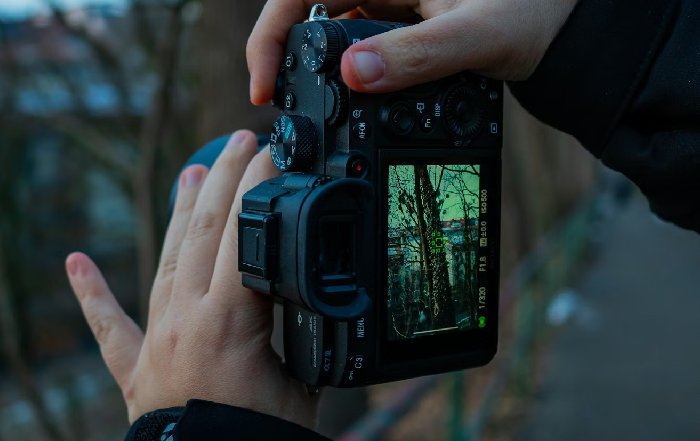
Serious enthusiasts and professionals, however, still benefit from dedicated cameras, particularly mirrorless systems that balance image quality, low-light performance, and portability. A compact full-frame or APS-C camera with a versatile zoom lens, complemented by a fast prime lens for portraits and low-light scenes, can cover most situations in Europe, Asia, North America, and beyond. Those seeking deeper technical understanding can explore camera guides from organizations such as DPReview, which, despite changes in ownership, remains an important reference for camera specifications and comparisons, and Digital Photography Review's archival resources for historical context.
Regardless of gear, power and data management are critical. Travelers should carry reliable power banks, universal adapters, and sufficient memory cards, particularly for extended trips across Africa, South America, or remote parts of Australia and New Zealand. Cloud backup through services that comply with modern security standards, such as Google Photos or Apple iCloud Photos, adds an additional layer of protection against loss or theft. For those interested in the intersection of travel technology and photography, the technology insights on worldwetravel.com provide ongoing guidance on emerging tools and best practices.
Mastering Light and Composition on the Road
While equipment matters, the most significant improvements in travel photography typically come from understanding light and composition. Natural light remains the traveler's greatest ally and most persistent challenge. Early morning and late afternoon, often referred to as the golden hours, offer soft, directional light that flatters both landscapes and portraits, reduces harsh shadows, and imbues scenes with warmth. In contrast, midday sun can create high contrast and washed-out colors, particularly in equatorial regions such as Thailand, Singapore, and Brazil, requiring careful positioning, the use of shade, or intentional high-contrast compositions.
Travelers who wish to deepen their understanding of light can benefit from resources such as the Royal Photographic Society, which provides educational materials and workshops, and National Geographic's photography section, where field stories demonstrate how professionals adapt to challenging conditions. Observing how experienced photographers use side lighting to sculpt mountains, backlighting to create silhouettes in cityscapes, or window light for intimate portraits in cafes and hotels can inspire more deliberate choices on the road.
Composition, meanwhile, provides the structure that guides a viewer's eye through an image. Simple principles such as the rule of thirds, leading lines, framing, and the use of foreground elements can transform a casual snapshot into a cohesive visual story. In dense urban environments like London, New York, Tokyo, or Seoul, vertical lines and repeating architectural patterns can create rhythm, while in the Swiss Alps or Norwegian fjords, wide vistas benefit from including a human figure or object to provide scale. For travelers planning their next itinerary, the destinations overview on worldwetravel.com offers inspiration for cities and landscapes that naturally lend themselves to strong compositional opportunities.
Capturing Culture, People, and Everyday Life Respectfully
One of the most rewarding aspects of travel photography is the opportunity to document culture and everyday life, yet this area also demands the greatest sensitivity. Photographing people, religious spaces, and traditional practices in countries such as India, Thailand, South Africa, or Brazil requires an understanding of local norms and a commitment to ethical behavior. Whenever possible, travelers should seek consent, use non-intrusive body language, and be prepared to put the camera down if a situation feels uncomfortable or exploitative.
Organizations such as UNESCO and UNWTO provide valuable context on cultural heritage sites, responsible tourism, and community impact, helping photographers understand the broader significance of the places they capture. For those specifically interested in documenting festivals, ceremonies, or sacred spaces, reviewing local regulations and guidelines, often published by national tourism boards or cultural ministries, can prevent misunderstandings and ensure respectful behavior.
On worldwetravel.com, the culture section emphasizes storytelling that prioritizes dignity and authenticity over spectacle. Travelers are encouraged to engage with local guides, support community-run experiences, and spend time observing before shooting. Simple gestures-sharing images with subjects, printing portraits for communities when possible, or sending digital copies after returning home-can help transform an impersonal photograph into a meaningful exchange, especially in smaller towns and rural areas across Europe, Asia, and Africa.
Balancing Family, Business, and Personal Creativity
Different types of travel create different photographic opportunities and constraints, and acknowledging these distinctions can help travelers set realistic goals. Families traveling with children, for example, often find that the most meaningful images are not perfectly composed landscapes but candid moments of connection: a child tasting new food in Italy, playing on a beach in Australia, or discovering wildlife in a Canadian national park. The family travel guidance on worldwetravel.com encourages parents to focus on storytelling rather than perfection, using continuous shooting modes, fast shutter speeds, and simple compositions to capture fleeting expressions and interactions.
Business travelers, by contrast, may prioritize documenting conferences, corporate events, client meetings, and cityscapes that reflect their professional identity. High-quality images of hotel interiors, co-working spaces, and urban skylines can support personal branding on platforms such as LinkedIn or corporate blogs, while still leaving room for more personal images taken during free time. The business travel section of worldwetravel.com offers strategies for integrating photography into tight schedules, including making use of early morning walks, rooftop bars, and airport layovers.
For those traveling specifically for rest and rejuvenation, photography can either enhance or undermine the retreat experience. Visitors to wellness resorts in Bali, the Swiss Alps, or the American West often seek a balance between documenting their surroundings and remaining present. The retreat resources on worldwetravel.com suggest setting intentional boundaries, such as designating specific times of day for photography and leaving devices behind during spa treatments, meditation sessions, or nature walks intended for reflection. In this way, photography becomes a mindful practice rather than a constant distraction.
Sustainable and Ethical Photography in a Changing World
As global awareness of environmental and social issues has grown, so too has scrutiny of how travelers behave, including how they photograph. Sensitive ecosystems in destinations such as Iceland, Norway, New Zealand, and South Africa are vulnerable to overcrowding and off-trail exploration, often driven by the desire to replicate popular images seen online. Responsible photographers recognize that each image they share can influence others' behavior and therefore strive to model sustainable practices.
Travelers seeking guidance on responsible behavior in nature can consult organizations such as Leave No Trace, which provides clear principles for minimizing impact in outdoor environments, and WWF, which highlights the importance of protecting wildlife and habitats. Those interested in broader sustainability frameworks can learn more about sustainable business practices through the United Nations Environment Programme, applying similar principles to their personal travel behavior.
On worldwetravel.com, the eco travel section emphasizes that ethical photography includes respecting local regulations, avoiding disturbance of wildlife, and being transparent about edited or staged images that might mislead viewers. Photographers are encouraged to avoid geotagging fragile locations, to support local conservation initiatives, and to highlight responsible operators and accommodations, many of which are increasingly aligned with global sustainability standards and certifications.
Health, Safety, and Well-Being Behind the Lens
Travel photography can be physically demanding, involving long days on foot, irregular meals, and exposure to varying climates, from the humidity of Southeast Asia to the dry heat of parts of Africa or the cold of Scandinavian winters. Maintaining personal health and safety is therefore an essential part of any photographic strategy. Basic considerations such as staying hydrated, using sun protection, and wearing appropriate footwear can make the difference between an enjoyable day of shooting and an experience cut short by discomfort or injury.
For up-to-date health information and vaccination recommendations, travelers should consult trusted authorities such as the World Health Organization and national health agencies, including the U.S. Centers for Disease Control and Prevention or the UK NHS travel health guidance. Photographers with existing medical conditions or mobility considerations can plan itineraries and shot lists that respect their limits, choosing accessible viewpoints, scheduling rest periods, and avoiding overly ambitious hikes or late-night sessions when fatigue may compromise judgment.
The health section of worldwetravel.com reinforces the idea that no image is worth risking personal safety or that of others. Travelers are advised to remain aware of their surroundings, particularly when carrying visible camera equipment in busy urban areas, to use discreet bags and straps, and to back up images regularly in case of loss or theft. In unfamiliar environments, especially in parts of South America, Africa, or large metropolitan regions worldwide, working with reputable local guides can provide both security and deeper cultural insight.
Post-Processing, Organization, and Workflow on the Move
In 2026, post-processing is an integral part of travel photography, yet the goal for most travelers is to enhance images rather than fundamentally alter reality. Lightweight editing tools on smartphones and tablets, from Adobe Lightroom Mobile to device-native apps, allow for quick adjustments to exposure, contrast, color balance, and cropping, helping images better reflect the mood and atmosphere experienced on location. The key is to develop a consistent style that aligns with personal or brand identity while avoiding excessive filters that can date images or misrepresent destinations.
For travelers who generate large volumes of photographs across multiple countries, a structured workflow becomes essential. Simple practices such as creating daily folders, using descriptive file names, and rating or flagging favorites during downtime can significantly reduce the burden of organization upon returning home. Cloud-based synchronization, combined with local backups on portable SSDs, offers resilience against data loss, especially on extended journeys that include multiple flights, accommodations, and border crossings.
Readers interested in the intersection of photography, productivity, and remote work can explore the work and travel insights on worldwetravel.com, which address how professionals manage creative workflows while balancing client commitments, time zone differences, and on-the-road connectivity. As more individuals embrace hybrid lifestyles that blend travel, work, and creative practice, efficient image management has become a core competency rather than a specialist concern.
Turning Images into Lasting Value
The value of travel photography ultimately lies in what is done with the images once they are captured. For some, the primary goal is personal memory: printed albums, framed photographs at home, or curated collections shared with family and friends. Others see their work as part of a broader professional or creative trajectory, contributing to portfolios, publications, social media channels, or business communications. In both cases, intentional curation-selecting a limited number of strong, coherent images rather than sharing every frame-helps maintain impact and narrative clarity.
Travelers who wish to deepen their expertise can draw inspiration from established institutions and communities. The Magnum Photos archive demonstrates how photojournalists and documentary photographers have approached storytelling around the world, while The Guardian's travel photography features showcase contemporary examples from everyday travelers and enthusiasts. For those seeking structured learning, online courses and workshops offered by organizations such as CreativeLive or leading universities provide opportunities to refine technical and storytelling skills.
On worldwetravel.com, travel photography is integrated across categories-from hotels and accommodation insights that emphasize visual evaluation of spaces, to global economy coverage that uses imagery to illustrate shifts in tourism, infrastructure, and regional development. Readers are encouraged to view their own images not only as personal souvenirs but as contributions to a broader collective understanding of how people move, connect, and experience the world in an era of rapid change.
Practical Tips to Elevate Everyday Travel Images
While mastery comes with practice, a few practical principles can immediately improve travel photographs, regardless of destination or equipment. Slowing down, even briefly, to consider the story behind each scene-what emotion, relationship, or cultural detail is being conveyed-often leads to more intentional framing and choice of moment. Moving physically, whether stepping closer to a subject in a Parisian café or climbing a nearby hill for a different perspective on a South African coastline, can transform an ordinary view into a distinctive one.
Patience is another underrated asset. Waiting for the right passerby to enter a frame in Amsterdam, for a cloud to move across a mountain in Switzerland, or for a crowd to thin at a temple in Thailand can dramatically improve composition without requiring additional technology. Observing local life and rhythms, rather than immediately reaching for the camera, often reveals subtle stories that more hurried travelers miss. The travel tips section on worldwetravel.com regularly highlights such simple but powerful techniques drawn from experienced travelers and photographers around the world.
Equally important is the willingness to experiment and accept imperfection. Not every image needs to be technically flawless to carry emotional weight, especially in the context of family trips or personal milestones. Trying different focal lengths, shutter speeds, or vantage points, and reviewing results thoughtfully at the end of each day, helps build a feedback loop that accelerates learning. Over time, travelers develop a personal visual language that reflects not only where they have been, but how they see.
Looking Ahead: The Future of Travel Photography with World We Travel
As technology continues to evolve, with advances in artificial intelligence, computational imaging, and immersive media, travel photography in 2026 sits at the threshold of new possibilities. Tools that assist with composition suggestions, real-time translation of signage, or automated organization already exist, and more sophisticated capabilities are emerging each year. Yet the core of compelling travel imagery remains human: curiosity, empathy, patience, and the ability to find meaning in unfamiliar places.
For the global community that turns to worldwetravel.com for guidance on destinations, culture, business travel, wellness, and sustainable practices, photography serves as both record and invitation. Images captured in New York or London, Berlin or Barcelona, Cape Town or São Paulo, Tokyo or Bangkok, help other travelers imagine their own journeys while fostering respect for the diversity of landscapes and cultures that define our shared planet.
By approaching photography with intention, respect, and a commitment to continuous learning, today's travelers can create visual stories that endure beyond fleeting social feeds, supporting personal growth, professional credibility, and a deeper connection to the world. Whether exploring nearby cities or embarking on multi-continent adventures, the principles outlined here-and the ongoing resources available across the global travel insights on worldwetravel.com-offer a foundation for transforming ordinary snapshots into images that truly do justice to the richness of travel in the modern era.