

Cruising the Norwegian Fjords: Strategic Travel, Sustainability, and Experience
The Norwegian Fjords as a Scenically Epic Travel Choice!
Cruising the Norwegian fjords has evolved from a niche scenic holiday into a sophisticated travel decision that intersects with business priorities, sustainability goals, family expectations, wellness trends, and global economic realities. For the audience of WorldWeTravel.com, which spans senior executives, mobile professionals, multi-generational families, and remote workers from the United States, the United Kingdom, Germany, Canada, Australia, and across Europe and Asia, the Norwegian fjords now represent far more than a picturesque backdrop; they have become a laboratory for the future of responsible tourism, a case study in resilient regional economies, and a benchmark for how travelers can align personal enrichment with corporate and environmental responsibility.
The fjord region, stretching primarily along Norway's western coast from Stavanger through Bergen and north toward Ålesund and beyond, has been carefully managed by Visit Norway and Norwegian authorities to balance visitor growth with preservation, a balance that resonates strongly with the values and expectations of the WorldWeTravel.com community. As cruise lines, boutique expedition operators, and hybrid work-travel platforms refine their offerings, cruising the Norwegian fjords in 2026 stands out as a compelling option for travelers who wish to integrate leisure, work, and learning in one coherent journey, while maintaining a strong focus on safety, health, and sustainable impact.
For readers planning their next itinerary, the fjords offer an excellent starting point for exploring broader destinations and regional overviews, serving as a model of how one can navigate complex global travel choices with clarity and confidence.
Geography, Culture, and the Unique Value of the Fjords
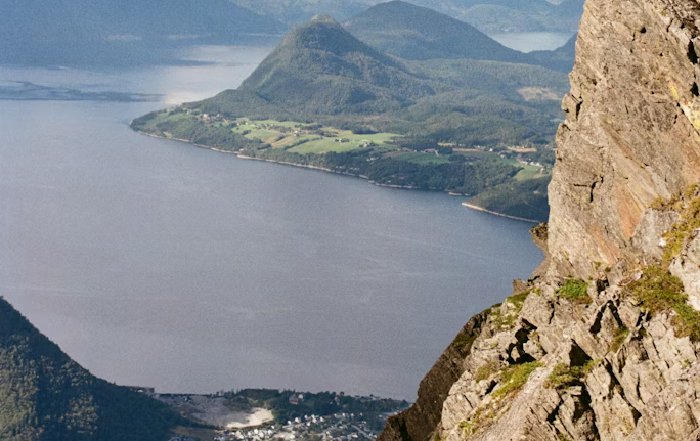
The Norwegian fjords, carved by glaciers over millennia, are not simply scenic waterways; they are living corridors of culture, commerce, and innovation. From the UNESCO-listed Geirangerfjord and Nærøyfjord to the more accessible Sognefjord and Hardangerfjord, each area offers distinct combinations of small coastal towns, agricultural communities, and high-tech hubs. Travelers arriving on cruise ships in 2026 encounter a Norway where traditional fishing villages coexist with advanced maritime technology clusters and renewable energy projects, particularly in and around cities such as Bergen and Stavanger.
This juxtaposition of natural grandeur and modern infrastructure has made the fjords an ideal case for those studying or investing in sustainable tourism and regional development. Organizations like the UNESCO World Heritage Centre highlight the fjords as examples of fragile natural environments that can be protected while still welcoming international visitors. Learn more about how UNESCO manages World Heritage landscapes through its official portal at whc.unesco.org.
Culturally, the fjord region draws on Norse heritage, maritime traditions, and a deeply ingrained respect for nature, concepts that are frequently reflected in local museums, cultural centers, and community events. For travelers who value immersive cultural experiences, the fjords provide a slower, more reflective form of travel that contrasts sharply with high-intensity city breaks, aligning with the deeper cultural explorations highlighted on the culture and heritage section of WorldWeTravel.com.
Cruise Industry Transformation and Sustainable Innovation
Between 2020 and 2026, the cruise sector serving the Norwegian fjords underwent significant transformation, driven by regulatory pressure, technological innovation, and shifting traveler expectations. Norwegian authorities, in collaboration with organizations such as the Norwegian Maritime Authority and DNV, have tightened emissions standards in fjord regions, especially in sensitive World Heritage areas. This has accelerated adoption of hybrid propulsion, shore-power connectivity, and alternative fuels among major cruise operators. Travelers today can consult the International Maritime Organization at imo.org to better understand how global maritime regulations are influencing cleaner cruising practices.
Major cruise companies, including Hurtigruten, Norwegian Cruise Line, and MSC Cruises, have invested heavily in next-generation vessels designed specifically for Arctic and sub-Arctic waters. Many of these ships now feature advanced wastewater treatment, waste heat recovery systems, and digital energy management platforms, which allow operators to minimize resource use during fjord transits. Learn more about sustainable maritime technologies through the World Maritime University and other specialist institutions that publish research and case studies at wmu.se.
For WorldWeTravel.com readers, this evolution directly supports the desire to align personal travel with corporate environmental, social, and governance (ESG) commitments. Executives who must report on business travel emissions can now choose fjord itineraries operated by lines that publish transparent sustainability reports and partner with recognized environmental organizations such as WWF and the Norwegian Institute for Water Research. Travelers seeking to deepen their understanding of sustainable business models can explore additional analysis on eco-conscious travel and responsible tourism, integrating these insights into broader corporate and personal decision-making.
Itinerary Design: From Classic Routes to Tailored Journeys
While classic seven-day round-trip itineraries from Bergen or Oslo remain popular, the 2026 landscape offers a far more diversified set of options for fjord cruising, allowing travelers to align their journeys with specific goals around work, family, wellness, or cultural immersion. Traditional routes often include stops in Flåm, Geiranger, and Ålesund, with optional overland excursions to glaciers, mountain viewpoints, and local farms. However, new itineraries now integrate extended port stays, overnight dockings, and flexible embarkation points, enabling travelers to join or leave the voyage in cities such as Trondheim or Tromsø.
This flexibility has proven particularly valuable to business travelers and remote workers who wish to combine cruise segments with onshore meetings in key Norwegian cities or in nearby European hubs such as Copenhagen, Amsterdam, and London. For those planning complex multi-stop journeys, the broader travel planning resources on WorldWeTravel.com provide frameworks for integrating rail, air, and sea travel in a coherent itinerary, including considerations around time zones, connectivity, and seasonal variations.
In addition, boutique expedition cruises have emerged that target smaller groups interested in photography, climate research, or culinary exploration. These routes often include visits to lesser-known fjords and islands, as well as structured interactions with local communities and researchers. Travelers who value depth over breadth are increasingly drawn to such itineraries, which align with the trend toward experiential, knowledge-based travel. To better understand how experiential tourism is reshaping global travel, readers may consult analyses from organizations such as the World Travel & Tourism Council at wttc.org.
Business Travel, Work-from-Anywhere, and Executive Retreats
For global organizations in 2026, the Norwegian fjords offer a distinctive platform for executive retreats, leadership offsites, and high-value client engagements. The combination of stable political conditions, robust digital infrastructure, and high-quality hospitality services has made Norway a preferred destination for companies based in the United States, the United Kingdom, Germany, France, and across Asia-Pacific. Many fjord-region ports now provide dedicated facilities for corporate events, including conference-equipped hotels and meeting spaces integrated directly into cruise terminals.
Forward-looking companies are leveraging these settings to run strategy workshops, innovation sprints, and cross-cultural leadership programs, taking advantage of the natural environment to encourage reflection and long-term thinking. The serene yet awe-inspiring landscapes-towering cliffs, cascading waterfalls, and still waters-provide a backdrop that encourages participants to step away from daily operational concerns and focus on structural, strategic questions. Executives planning such initiatives can explore broader guidance on business travel and corporate retreats, including frameworks for measuring the return on investment of offsite events.
The work-from-anywhere movement has also reshaped fjord cruising. Many ships serving the region in 2026 are equipped with high-bandwidth satellite connectivity, co-working lounges, soundproof meeting pods, and privacy-focused cabin designs that enable professionals to maintain productivity while at sea. Digital nomads and hybrid workers from Canada, Australia, Singapore, and beyond increasingly view a fjord cruise as a viable base for remote work, combining structured work hours with shore excursions and wellness activities. Professionals evaluating such options can refer to WorldWeTravel.com's work and mobility insights to assess connectivity requirements, time-zone management strategies, and employer policy considerations.
Family Travel, Education, and Multi-Generational Experiences
Cruising the Norwegian fjords has become particularly attractive for families and multi-generational groups seeking shared experiences that blend leisure, education, and safety. Norway's strong reputation for public safety, healthcare quality, and child-friendly infrastructure reassures parents and grandparents traveling with children, while the controlled environment of a cruise ship provides structure and predictability.
In 2026, many ships operating in the fjords offer curated educational programs that introduce younger travelers to glaciology, marine ecosystems, and Nordic history, often in collaboration with institutions such as the Norwegian Polar Institute and local science centers. Children and teenagers can participate in guided shore excursions that include visits to interactive museums, aquariums, and cultural performances, turning the journey into a living classroom. Parents who prioritize educational value in their travel choices can explore additional ideas and frameworks in the family travel section of WorldWeTravel.com, which emphasizes safe, enriching experiences across global destinations.
Multi-generational groups also benefit from the flexibility of cruise-based travel, as ships offer a range of activities that can accommodate different interests and energy levels. While younger family members might opt for kayaking excursions or mountain hikes, older travelers may prefer scenic train journeys such as the Flåm Railway, recognized by sources like National Geographic as one of the world's most spectacular rail routes; more information on this iconic journey can be found at flamsbana.no. The ability to regroup each evening on board, sharing meals and reflections, creates a rhythm that supports both individual exploration and collective bonding.
Health, Safety, and Wellbeing in Fjord Cruising
Health and safety considerations remain central to travel decision-making in 2026, and the Norwegian fjords provide a context where medical standards, environmental conditions, and regulatory oversight combine to offer a high degree of reassurance. Norway's healthcare system, frequently ranked among the world's best by organizations such as the World Health Organization, ensures that ports along the fjord routes have access to competent medical facilities and emergency response services. Travelers can consult the WHO portal at who.int for updated information on regional health indicators and travel advisories.
On board, cruise operators have integrated enhanced health protocols developed in collaboration with public health agencies and maritime authorities. These measures include upgraded air filtration, digital health screening tools, and expanded telemedicine capabilities, enabling passengers to access medical consultations even while at sea. For travelers who prioritize personal wellbeing, many fjord itineraries now incorporate wellness-focused programming, including guided mindfulness sessions on deck, Nordic spa experiences, and nutrition-conscious dining options that highlight local, seasonal ingredients.
The combination of clean air, low population density, and abundant outdoor activities supports both physical and mental health objectives. Hiking, kayaking, and cycling in the fjord region offer moderate to vigorous exercise in low-pollution environments, while quiet observation of the landscape from deck or shore can foster mental clarity and stress reduction. Readers seeking to integrate health priorities into their travel planning can explore health and wellness travel guidance on WorldWeTravel.com, which emphasizes evidence-based approaches to wellbeing on the road.
Economic Impact, Local Communities, and Responsible Spending
From an economic perspective, fjord cruising plays a significant role in supporting coastal communities in Norway, particularly in smaller ports that rely on tourism to supplement traditional industries such as fishing and agriculture. However, the growth of cruise tourism has also raised concerns about overtourism, environmental stress, and uneven distribution of benefits. In response, Norwegian authorities and local stakeholders have adopted capacity management measures, port scheduling systems, and visitor dispersion strategies designed to protect community wellbeing and environmental integrity.
Travelers who wish to ensure that their spending has a positive local impact can prioritize shore excursions and services provided by locally owned businesses, including family-run guesthouses, independent restaurants, and community cooperatives. Organizations such as the Organisation for Economic Co-operation and Development (OECD) provide research on tourism's role in regional development and inclusive growth, accessible at oecd.org. By understanding these dynamics, travelers can make informed choices about how and where they allocate their budgets.
For the WorldWeTravel.com audience, which often includes professionals and decision-makers with influence over corporate travel policies, the fjord region offers a practical example of how tourism revenue can be aligned with community resilience and environmental stewardship. Those interested in the broader economic context of travel and tourism can consult WorldWeTravel.com's economy and travel analysis, which explores how travel intersects with global and regional economic trends.
Technology, Connectivity, and the Future of Fjord Travel
Technology now underpins nearly every aspect of fjord cruising, from ship operations and safety to guest experience and personalization. Advanced navigation systems, real-time weather analytics, and automated energy management platforms help captains and crews optimize routes, reduce fuel consumption, and minimize environmental impact, while passengers benefit from seamless digital check-in processes, mobile excursion booking, and on-demand information services.
High-speed satellite internet, supported by constellations launched by companies such as SpaceX and OneWeb, has dramatically improved connectivity in remote fjord regions, enabling video conferencing, cloud-based work, and access to streaming services even while ships navigate narrow passages. For remote workers and business travelers, this level of connectivity transforms the fjord cruise from a temporary digital blackout into a viable base of operations. Those interested in the broader technological landscape of travel can explore WorldWeTravel.com's technology insights, which cover emerging trends such as AI-powered travel planning, biometric border controls, and smart hospitality systems.
At the same time, Norwegian ports and tourism organizations are implementing smart destination technologies, including crowd-monitoring sensors, dynamic visitor information systems, and integrated ticketing platforms that coordinate transport, attractions, and events. These innovations, often developed in partnership with universities and technology firms, aim to enhance visitor experience while preventing congestion and preserving local quality of life. The World Economic Forum, accessible at weforum.org, regularly examines such developments in its reports on digital transformation and smart cities, providing useful context for travelers and business leaders alike.
Hotels, Lodging, and Hybrid Cruise-Stay Models
While cruise ships remain the primary accommodation for many fjord travelers, a growing number of visitors in 2026 are adopting hybrid models that combine cruise segments with land-based stays in hotels, lodges, and boutique properties. This approach allows travelers to enjoy the convenience and scenic access of a cruise while spending additional nights in key hubs such as Bergen, Ålesund, or Tromsø, where they can explore local culture, cuisine, and nightlife at a more relaxed pace.
Norway's hotel sector has responded by investing in properties that emphasize sustainability, design, and local character, from waterfront business hotels with conference facilities to intimate fjord-side lodges that focus on wellness and nature immersion. Travelers can compare options and align their lodging choices with their broader travel objectives through the hotels and accommodation guidance on WorldWeTravel.com, which highlights properties and brands that prioritize quality, safety, and responsible practices.
In parallel, wellness-focused retreats have emerged in fjord-adjacent regions, offering programs that combine hiking, yoga, cold-water immersion, and nutritional coaching. These retreats often attract executives, entrepreneurs, and professionals seeking structured recovery from high-intensity work cycles. For those considering such experiences, the retreat and wellness section of WorldWeTravel.com provides frameworks for evaluating programs, understanding evidence-based benefits, and integrating retreat experiences into longer-term lifestyle changes.
Practical Tips, Seasonality, and Strategic Planning
Successful fjord cruising in 2026 requires careful attention to timing, logistics, and personal objectives. Seasonality plays a major role: the peak summer months of June to August offer long daylight hours and milder temperatures, while shoulder seasons in May and September can provide fewer crowds and more favorable pricing. Winter and early spring cruises, though less common, offer opportunities to experience snow-covered landscapes and, in northern regions, the Northern Lights, which organizations such as the Norwegian Meteorological Institute track and forecast at met.no.
Travelers should consider factors such as motion sensitivity, mobility needs, dietary requirements, and preferred activity levels when selecting ship size, cabin category, and shore excursions. Smaller expedition vessels may offer more intimate experiences and access to narrower fjords, while larger ships typically provide a broader range of onboard amenities. It is also advisable to review travel insurance options that cover medical care, evacuation, and trip disruptions, and to remain informed about entry requirements and health advisories through official sources such as Norway's Directorate of Immigration at udi.no.
For readers seeking a structured approach to planning, the travel tips and planning resources on WorldWeTravel.com offer checklists, decision frameworks, and destination-specific insights that can streamline the process. By aligning personal priorities-such as sustainability, family needs, work obligations, or wellness goals-with the specific characteristics of fjord itineraries, travelers can design journeys that deliver both immediate enjoyment and long-term value.
The Norwegian Fjords in a Global Travel Context
In the broader global context, cruising the Norwegian fjords stands at the intersection of several powerful trends: the shift toward experiential and educational travel, the rise of hybrid work and work-from-anywhere lifestyles, the growing emphasis on environmental responsibility, and the recognition of travel as a driver of both economic development and personal wellbeing. For the global audience of WorldWeTravel.com, which spans North America, Europe, Asia, Africa, and South America, the fjords offer a case study in how a destination can embrace tourism while maintaining a strong commitment to environmental stewardship and social cohesion.
Comparisons with other regions-such as the glaciers of Alaska, the coastal landscapes of New Zealand, or the dramatic shorelines of Chile's Patagonia-highlight both shared challenges and distinctive approaches. International organizations like the United Nations World Tourism Organization, accessible at unwto.org, provide valuable frameworks for understanding how destinations worldwide are navigating these issues. Within this global conversation, Norway's fjord region often appears as a benchmark for integrated, long-term planning, supported by high levels of public trust, transparent governance, and a culture that values nature as a shared asset.
For WorldWeTravel.com, the Norwegian fjords embody the platform's core commitment to Experience, Expertise, Authoritativeness, and Trustworthiness. By curating insights that span destinations, business imperatives, family needs, technology, health, and sustainability, the site enables travelers to move beyond superficial choices and instead design journeys that reflect their values, aspirations, and responsibilities. Readers who wish to explore additional regions and themes can navigate the broader WorldWeTravel.com ecosystem, starting from the main portal at worldwetravel.com or through its global and regional perspectives.
In this sense, cruising the Norwegian fjords in 2026 is not merely a travel option; it is a lens through which to view the future of global mobility itself-a future in which travelers, companies, and communities collaborate to create journeys that are enriching, resilient, and respectful of the world they traverse.