

Australia Travel Guide to Coastal Towns and Natural Wonders
Australia's vast coastline and extraordinary natural landscapes have long captured the imagination of travelers, yet in recent years a new kind of visitor has emerged: one who seeks not only pristine beaches and dramatic wilderness, but also authentic local culture, meaningful family experiences, sustainable stays, and opportunities to reconnect with personal wellbeing. For travelling fans and followers coming to this website, Australia's coastal towns and natural wonders offer a compelling blend of adventure and reflection, where world-class scenery is matched by a growing commitment to environmental stewardship and community-led tourism.
This guide explores some of the country's most inspiring shores and wild places, highlighting how travelers can experience them responsibly, comfortably, and in ways that deepen understanding of both land and people.
Understanding Australia's Coastal Geography and Climate
Australia is ringed by more than 34,000 kilometers of coastline, from the temperate beaches of New South Wales and Victoria to the tropical shores of Queensland and the remote, wind-sculpted bays of Western Australia. According to Geoscience Australia (learn more about Australian coastal geography), this extensive shoreline includes thousands of offshore islands, coral reefs, estuaries, and mangrove systems, creating one of the world's most diverse marine environments.
The climate varies dramatically by region. The east coast from Sydney to Brisbane is generally mild to warm year-round, with humid summers and comfortable winters, which makes it particularly appealing for family beach holidays and urban-coastal getaways. Further north in tropical Queensland and the Top End, the year is typically divided into a wet and a dry season, and travelers planning reef or rainforest adventures are encouraged to consult resources such as the Australian Bureau of Meteorology (check regional climate and weather updates) to choose ideal travel windows. In the southern states, including Victoria, South Australia, and Tasmania, four distinct seasons bring cooler winters and pleasantly warm summers, creating excellent conditions for coastal hiking, wine-region touring, and wildlife viewing.
For visitors planning multi-stop itineraries with WorldWeTravel, understanding these climatic zones helps in sequencing destinations, whether designing a family road trip along the east coast, a honeymoon combining reef and outback, or a wellness retreat that pairs temperate coastal walks with spa stays.
Iconic Coastal Cities: Gateways to Adventure
Many international visitors arrive first in major coastal cities, which serve as natural starting points for exploring smaller towns and nearby natural wonders. Sydney, with its harbor, beaches, and cultural institutions, remains a perennial favorite. The combination of Bondi, Manly, and the coastal walks around the eastern suburbs demonstrates how a major metropolis can still feel intimately connected to the sea. The New South Wales National Parks and Wildlife Service maintains a network of trails such as the Bondi to Coogee walk, and travelers can review official maps and safety guidance via NSW National Parks (plan coastal walks around Sydney).
Further north, Brisbane and the nearby Gold Coast and Sunshine Coast provide easy access to surf beaches, hinterland rainforests, and family-friendly attractions. The Gold Coast's transformation from a purely party-focused destination to a more diverse, family-oriented and nature-conscious region has been documented by tourism bodies including Destination Gold Coast (discover Gold Coast experiences). Many visitors now pair theme parks with day trips to Lamington National Park or Burleigh Head National Park, where coastal headlands and subtropical forests meet.
On the southern coastline, Melbourne offers a different coastal character, with bayside suburbs like St Kilda and Brighton providing calm waters and a café culture that suits both families and business travelers seeking a more relaxed environment. From here, the famed Great Ocean Road and the Mornington Peninsula are within easy reach, allowing travelers to blend city meetings or cultural exploration with short escapes into nature. Those planning multi-city itineraries can use WorldWeTravel's destinations hub at worldwetravel.com/destinations as a starting point for comparing experiences in Sydney, Melbourne, Brisbane, and beyond.
Coastal Towns that Capture Australia's Spirit
Beyond the major cities, Australia's coastal towns reveal the country's character in more intimate ways. These communities often balance tourism with local life, fishing, agriculture, and marine conservation, and many have become strong advocates for sustainable travel.
In New South Wales, towns such as Byron Bay and Port Macquarie have evolved from sleepy seaside escapes into vibrant communities where surf culture, wellness retreats, and creative industries intersect. Byron Bay, once primarily a backpacker haunt, now hosts a mix of boutique hotels, eco-lodges, and wellness centers, yet local authorities and community groups continue to emphasize environmental protection and respectful visitation, with information available through organizations like Destination NSW (explore coastal NSW towns). Port Macquarie, meanwhile, is known for its family-friendly beaches and its Koala Hospital, which has become a symbol of wildlife rehabilitation and community-driven conservation.
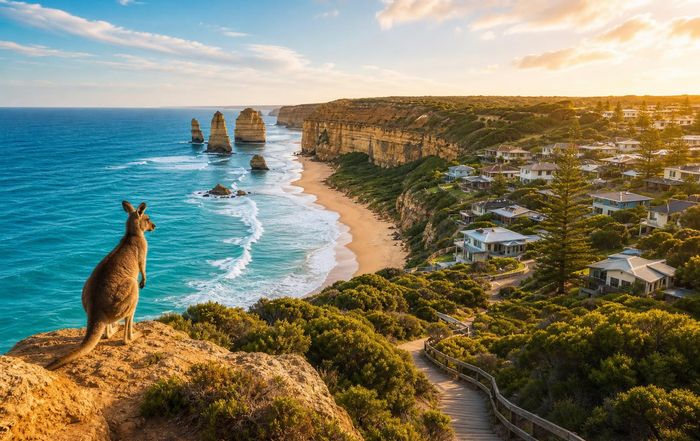
Further south, the coastal towns of Victoria's Great Ocean Road, including Lorne, Apollo Bay, and Port Campbell, offer dramatic scenery and a slower pace. The region's combination of surf beaches, forested hinterlands, and the iconic Twelve Apostles rock formations makes it a favorite for road trips, and official resources from Parks Victoria (plan Great Ocean Road nature experiences) help travelers choose suitable walks, lookouts, and wildlife-spotting sites.
On the west coast, Margaret River and nearby towns in Western Australia's southwest have earned international recognition for their wineries, surf breaks, and coastal caves. The region's tourism authorities and local producers have increasingly emphasized sustainable practices, regenerative agriculture, and low-impact tourism, and travelers can learn more through Australia's South West (discover the Margaret River region). For WorldWeTravel readers interested in combining coastal scenery with gourmet experiences and wellness retreats, Margaret River's blend of vineyards, beaches, and forest lodges presents a particularly attractive option.
The Great Barrier Reef and Tropical North Queensland
Any discussion of Australia's natural wonders must include the Great Barrier Reef, the world's largest coral reef system and a UNESCO World Heritage site. Stretching more than 2,300 kilometers along Queensland's coast, the reef is accessible from hubs such as Cairns, Port Douglas, and the Whitsunday Islands, each offering a different style of experience, from day trips and liveaboard diving expeditions to luxury island resorts.
The health of the Great Barrier Reef has been the subject of extensive scientific research and public debate. Organizations such as the Great Barrier Reef Marine Park Authority (GBRMPA) and the Australian Institute of Marine Science (AIMS) provide detailed, regularly updated reports on coral bleaching events, water quality, and ecosystem resilience. According to GBRMPA's latest public reports (review official reef health updates), the reef has experienced multiple bleaching episodes linked to marine heatwaves, yet some areas show signs of recovery, and targeted conservation programs are under way. AIMS and independent research published through outlets like CSIRO (learn about reef and marine research) broadly concur on the challenges posed by climate change, while also highlighting the effectiveness of localized management measures such as crown-of-thorns starfish control and improved catchment management.
For travelers, this means that visiting the reef can be both an extraordinary natural experience and an opportunity to support operators who adhere to high environmental standards. Many reef tour companies participate in citizen science programs, reef monitoring initiatives, and educational briefings that explain how visitors can minimize their impact. Prospective guests can consult certifications such as Advanced Ecotourism under Ecotourism Australia (check certified eco operators) to identify businesses that meet rigorous sustainability criteria.
Tropical North Queensland also offers lush coastal rainforests, including the Daintree Rainforest, another UNESCO-listed site where the reef and rainforest meet. Guided walks with Indigenous rangers, river cruises, and canopy boardwalks allow visitors to experience this ancient ecosystem while learning about its cultural significance to Traditional Owners. This combination of reef, rainforest, and relaxed coastal towns like Port Douglas creates a powerful itinerary for travelers seeking both natural beauty and cultural depth, and WorldWeTravel frequently highlights these regions within its broader coverage of Australia and Asia-Pacific journeys.
The Great Ocean Road and Southern Coastline
The Great Ocean Road in Victoria remains one of the world's most celebrated coastal drives, winding past surf beaches, limestone cliffs, and temperate rainforests. The route, built as a memorial to soldiers who served in World War I, holds historical as well as scenic significance, and detailed background information is provided by organizations like Visit Victoria (explore the Great Ocean Road). Travelers often base themselves in towns such as Torquay, Lorne, or Apollo Bay, using them as gateways to the Twelve Apostles, Loch Ard Gorge, and the Otway Ranges.
Recent years have seen increased investment in visitor infrastructure, including improved lookouts, safer road sections, and upgraded walking tracks, intended to disperse visitor numbers and reduce environmental pressure on the most heavily photographed sites. At the same time, conservation groups and park authorities continue to monitor erosion, wildlife habitats, and visitor impacts, and they encourage travelers to remain on designated paths, respect safety barriers, and avoid disturbing nesting sites for seabirds and penguins. Information from Parks Victoria and independent conservation organizations broadly aligns on the need for careful management, particularly during peak holiday periods.
Further west, the coastlines of South Australia, including the Fleurieu Peninsula, Eyre Peninsula, and the Limestone Coast, offer quieter yet equally striking seascapes. Towns such as Victor Harbor, Port Lincoln, and Robe provide a mix of beaches, seafood, and wildlife encounters, with opportunities to see sea lions, dolphins, and, in some seasons, migrating whales. Official tourism portals like South Australian Tourism Commission (discover South Australian coasts) and marine conservation bodies provide consistent guidance on best practices for responsible wildlife viewing, emphasizing the importance of maintaining distance and following codes of conduct on the water.
Tasmania and Untouched Coastal Wilderness
For travelers seeking cooler climates and a sense of remoteness, Tasmania's coastline offers a different dimension of Australian coastal travel. National parks such as Freycinet, home to the famed Wineglass Bay, and the Tasman Peninsula with its towering sea cliffs and sea caves, present landscapes that feel both dramatic and intimate. The Tasmanian Parks and Wildlife Service (plan Tasmanian coastal park visits) provides detailed information on walking tracks, camping, and conservation measures.
Tasmania has also emerged as a leader in eco-tourism and slow travel, with small-scale lodges, multi-day coastal walks, and culinary experiences that highlight local produce and maritime heritage. Many operators work closely with environmental scientists and community groups to protect fragile coastal ecosystems and island bird colonies, and travelers are encouraged to choose experiences that align with these values. Independent assessments by conservation organizations and tourism bodies generally support Tasmania's reputation for high-quality, low-impact nature tourism, although they also caution that increased popularity requires ongoing vigilance and adaptive management.
For readers of WorldWeTravel planning restorative escapes, Tasmania's combination of coastal hiking, wellness-oriented stays, and opportunities for digital detox aligns strongly with themes explored in the site's retreat and wellbeing coverage.
Family-Friendly Coastal Experiences
Families traveling to Australia often seek destinations that balance safety, accessibility, and educational value. Many of the country's coastal towns are well equipped for this, with patrolled beaches, calm bays, and structured activities suitable for children and multigenerational groups.
On the east coast, locations such as Noosa, Caloundra, and Coffs Harbour are frequently recommended by family travel specialists and tourism boards for their gentle surf, playgrounds, and easy access to nature reserves. Noosa, in particular, combines a stylish town center with a national park where walking tracks offer regular opportunities to spot dolphins, turtles, and, in season, migrating whales from clifftop lookouts. Official guidance from Surf Life Saving Australia (understand beach safety flags and advice) emphasizes the importance of swimming between the red and yellow flags, a message reinforced across Australian beaches and one that families should take seriously.
Marine education centers, aquariums, and wildlife sanctuaries along the coast, including institutions like SEA LIFE Sydney Aquarium and local marine discovery centers, provide interactive learning opportunities that complement time at the beach. These experiences can help children understand the fragility and wonder of marine ecosystems, reinforcing messages about plastic reduction, reef protection, and respect for wildlife. For inspiration on structuring family itineraries that balance fun and learning, readers can explore WorldWeTravel's family travel section at worldwetravel.com/family, which often features examples from Australian destinations.
Sustainable and Eco-Conscious Coastal Travel
As awareness of climate change, ocean pollution, and biodiversity loss has grown, many travelers now look for ways to ensure their coastal holidays contribute positively to local environments and communities. Australia's tourism industry has responded with a range of sustainability initiatives, some of which have been independently verified by organizations like Ecotourism Australia and recognized in global sustainability rankings compiled by entities such as the Global Sustainable Tourism Council (learn about sustainable tourism frameworks).
In practice, eco-conscious coastal travel in Australia can include staying at accommodations that use renewable energy, support local conservation projects, and reduce single-use plastics; choosing tour operators who adhere to strict wildlife interaction guidelines and invest in habitat restoration; traveling outside peak seasons to reduce pressure on popular sites; and engaging with Indigenous-owned businesses that prioritize cultural and environmental stewardship. Many coastal national parks and marine reserves provide visitor information that encourages low-impact behavior, including Parks Australia (understand marine park guidelines).
For WorldWeTravel readers, aligning travel choices with personal values is increasingly important, and the site's dedicated eco travel section offers additional context on how to evaluate sustainability claims, interpret certifications, and support community-led initiatives in Australian coastal regions.
Health, Wellness, and Coastal Retreats
The connection between oceans, mental health, and physical wellbeing is supported by a growing body of research from institutions such as BlueHealth in Europe and health agencies worldwide, which suggest that time near blue spaces can reduce stress and improve mood. Australian health organizations, including Beyond Blue (explore resources on mental health and nature), have echoed these findings, often highlighting the benefits of outdoor activity and nature immersion as part of broader wellbeing strategies.
Australian coastal destinations have embraced this insight through the development of wellness retreats, yoga and meditation escapes, surf therapy programs, and spa resorts that incorporate natural surroundings into their design. From sunrise yoga on the beaches of Byron Bay to multi-day coastal walks with guided mindfulness practices in Tasmania or Western Australia, travelers can choose experiences that combine physical activity, reflection, and relaxation. Many of these retreats collaborate with qualified health professionals and experienced guides, and prospective guests are encouraged to review credentials and independent reviews when making selections.
For those planning wellness-focused journeys, WorldWeTravel curates inspiration and practical guidance in its health and wellness travel section, helping readers understand how to integrate restorative coastal time into broader travel plans that may also include business commitments or family responsibilities.
Business, Remote Work, and Coastal Living
The evolution of remote work and flexible business travel has opened new possibilities for longer stays in coastal towns, where visitors can blend professional responsibilities with the benefits of seaside living. Australian regions such as the Sunshine Coast, Gold Coast, and parts of Western Australia's southwest have actively promoted themselves as hubs for digital workers and entrepreneurs, offering co-working spaces, strong internet infrastructure, and lifestyle incentives.
Research from organizations like Infrastructure Australia and business councils indicates that regional centers have invested in connectivity and services to attract both domestic and international professionals, though the extent of infrastructure and affordability varies by location and is subject to change with housing market dynamics. Travelers considering extended stays are advised to consult both official regional development agencies and independent housing market analyses from sources such as CoreLogic Australia (review Australian property trends) to obtain up-to-date information on costs and availability.
For readers of WorldWeTravel, this trend intersects with interests in both business and lifestyle travel. The site's business travel and work and remote lifestyle sections explore how professionals can structure itineraries that include time in Australian coastal towns, balancing productivity with opportunities for surfing at dawn, coastal runs at sunset, or weekend excursions to nearby natural wonders.
Practical Tips for Coastal and Nature Travel in Australia
Planning a journey to Australia's coastal towns and natural wonders involves more than simply choosing a beach or booking a hotel. Travelers are encouraged to consider timing, safety, cultural respect, and environmental responsibility as integral parts of their itinerary design.
Seasonal considerations include avoiding the most intense heat and humidity in tropical regions during the height of the wet season, being aware of stinger (jellyfish) seasons in parts of northern Queensland, and understanding that southern waters can be cool even in summer, which may influence activity choices. Official tourism bodies and health departments, such as Queensland Health (check tropical health and safety advice), provide reliable guidance on stinger nets, protective clothing, and marine safety measures.
Beach safety remains paramount, and visitors unfamiliar with surf conditions are strongly advised to swim only at patrolled beaches and heed the instructions of lifeguards. Resources from Surf Life Saving Australia and state-based surf life saving organizations consistently stress the dangers of rip currents and the importance of swimming between the flags.
Cultural respect, particularly in areas of significance to Aboriginal and Torres Strait Islander communities, is essential. Many coastal sites have interpretive signage and guided tours that explain cultural stories, traditional uses of marine resources, and contemporary Indigenous perspectives on conservation. Supporting Indigenous-owned tour companies, art centers, and cultural experiences contributes directly to community livelihoods and helps preserve knowledge systems that have sustained these landscapes for tens of thousands of years. Organizations like Indigenous Tourism Australia (learn about Indigenous tourism experiences) offer guidance on finding authentic, community-endorsed experiences.
For additional planning support, WorldWeTravel maintains a practical travel tips resource that addresses topics such as packing for varied climates, navigating domestic flights and regional transport, and choosing accommodations that match specific needs, whether for families, couples, or solo travelers.
Going More = Coastal Futures and Responsible Exploration
As of the current decade, Australia stands at a crossroads where the allure of its coastal towns and natural wonders is matched by the urgency of protecting them. Climate change, marine pollution, and development pressures pose real challenges, documented by scientific bodies such as the Intergovernmental Panel on Climate Change (IPCC) (review global climate reports) and Australian research institutions. At the same time, there is growing momentum behind solutions, from large-scale marine protected areas and renewable energy transitions to community-based conservation projects and regenerative tourism models.
For travelers engaging with the well researched educational content here, this moment offers an opportunity to participate in a more thoughtful, informed style of exploration. By choosing destinations, operators, and experiences that prioritize environmental integrity and cultural respect, visitors can help ensure that Australia's beaches, reefs, cliffs, and coastal forests remain vibrant for future generations. Whether snorkeling above coral gardens, walking along wind-carved headlands, sharing a meal in a small fishing town, or joining a guided cultural tour led by Traditional Owners, each journey can contribute to a broader story of connection and care.
Australia's coastal towns and natural wonders are not simply postcard-perfect backdrops; they are living landscapes shaped by deep time, resilient communities, and dynamic ecosystems. Approached with curiosity, humility, and a commitment to responsible travel, they offer some of the most rewarding experiences available anywhere in the world, and WorldWeTravel is dedicated to helping cool travelers discover them in ways that honor both the land and the people who call it home.