

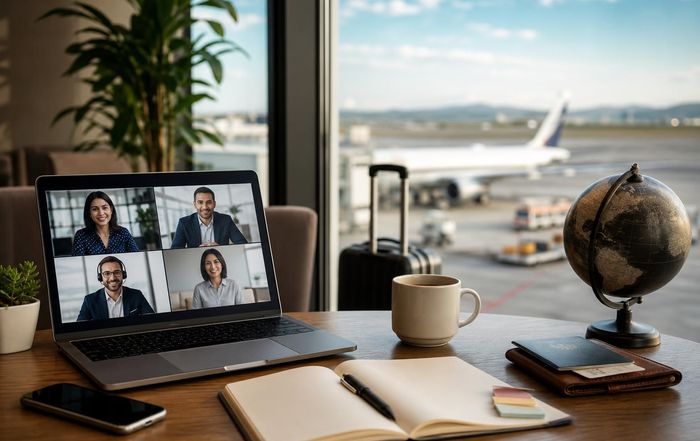
How to Plan Productive Meetings During International Travel
Planning productive meetings while traveling internationally has become a defining skill for modern professionals, entrepreneurs, and remote teams. As organizations expand across borders and hybrid work becomes the norm, the ability to coordinate effective in-person and virtual meetings on the road is now central to successful global collaboration. For fans of WorldWeTravel, where travel and professional life intersect, the question is no longer whether to combine work and travel, but how to do it in a way that maximizes productivity, protects well-being, and respects local culture and sustainability. Lets explore how business travelers, distributed teams, and families accompanying working partners can design meetings that genuinely move projects forward, rather than simply filling calendars. Drawing on best practices from leading organizations, travel data, and workplace research, it offers a practical, globally oriented roadmap for turning international trips into high-impact, well-structured meeting opportunities.
Rethinking the Purpose of Meetings on the Road
Before discussing logistics, it is essential to clarify why a meeting needs to take place during international travel at all. Many organizations have recognized, supported by research from sources such as Harvard Business Review and McKinsey & Company, that in-person meetings are most valuable when they are used for relationship-building, complex problem solving, high-stakes negotiations, and creative collaboration, rather than routine status updates that can be handled asynchronously.
For international trips, this distinction is even more important. Time zones, fatigue, and travel costs raise the stakes of every face-to-face interaction. Productive travelers increasingly treat travel as an opportunity for "deep collaboration sprints," planning fewer but more meaningful meetings that justify crossing borders. By using tools like detailed agendas, shared documents, and pre-reads, many organizations ensure that when participants finally gather in a conference room in London, Singapore, or São Paulo, the conversation starts at a higher level of insight and trust.
On WorldWeTravel, this philosophy aligns naturally with a broader view of travel as an investment in relationships, cultural understanding, and long-term partnerships rather than just a series of transactions. Business travelers who approach meetings with a mindset of mutual value creation, rather than simply closing deals, tend to create more sustainable professional networks and more satisfying travel experiences.
Choosing the Right Destination and Meeting Format
The destination of an international meeting is no longer just a question of where a company's headquarters are located. Organizations now weigh accessibility, visa requirements, health and safety conditions, digital infrastructure, and environmental impact. For teams spread across Europe, Asia, and North America, meeting in a centrally located, well-connected hub such as London, Dubai, Singapore, or Amsterdam can significantly reduce total travel time and fatigue.
Travelers can use resources such as IATA's Timatic for up-to-date visa and entry information, and U.S. Department of State or equivalent government sites for travel advisories and security guidance. For global health considerations, World Health Organization and Centers for Disease Control and Prevention provide regularly updated advice on vaccinations, disease outbreaks, and recommended precautions.
On WorldWeTravel's destinations hub at worldwetravel.com/destinations, travelers can complement this practical information with inspiration about cities that combine business infrastructure with cultural richness. Cities such as New York, Berlin, Singapore, and Sydney increasingly design urban spaces with remote workers and digital nomads in mind, offering coworking spaces, strong public transport, and reliable broadband that support both formal meetings and informal collaboration.
Format decisions are equally important. Many international trips now combine hybrid elements, where a core group meets in person while others join remotely. To avoid creating a two-tier experience where remote participants are sidelined, organizations are investing in better audiovisual setups, clear facilitation roles, and meeting norms that give equal voice to those on screen and those in the room. Guidance from organizations like Microsoft's WorkLab and Slack highlights practices such as assigning a facilitator to monitor remote participation, using shared digital whiteboards, and structuring discussions so that everyone can contribute regardless of location.
Aligning Time Zones and Energy Levels
One of the most underestimated aspects of international meeting planning is the interaction between time zones and human energy. Research from sleep and circadian rhythm experts, including resources from The Sleep Foundation and Mayo Clinic, shows that crossing multiple time zones can significantly impair cognitive performance, decision-making, and emotional regulation, especially in the first days after arrival.
Productive international meetings are therefore planned with recovery time in mind. Rather than scheduling high-stakes negotiations immediately after a red-eye flight from Los Angeles to London or Tokyo, experienced travelers and organizations build in at least one adjustment day, particularly for eastbound travel, where jet lag tends to be more severe. This is not a luxury; it is a strategic investment in better outcomes and fewer costly miscommunications.
From a scheduling perspective, teams increasingly use shared tools like Timeanddate.com or World Time Buddy to identify overlapping working hours that are reasonably humane for all participants. When a fully equitable time slot is impossible, rotating meeting times across multiple sessions can distribute the burden more fairly among regions such as North America, Europe, and Asia.
For readers of WorldWeTravel, this is also an opportunity to integrate restorative experiences into travel. Instead of collapsing in a hotel room after arrival, travelers might plan a light walk through a nearby park, a short visit to a local café, or a gentle cultural activity that helps reset the body clock and offers a first taste of the destination. The WorldWeTravel health section offers additional guidance on maintaining well-being on the road, including movement, nutrition, and sleep strategies tailored to frequent travelers.
Selecting Hotels and Meeting Venues that Support Productivity
Accommodation can either amplify or undermine the productivity of an international trip. A hotel that looks appealing for leisure may not provide the quiet, connectivity, and ergonomic workspace required for back-to-back meetings, confidential calls, or last-minute presentation preparation. Business travelers now routinely evaluate hotels not only on comfort and location, but on bandwidth, soundproofing, desk quality, and access to reliable meeting spaces.
Major hotel groups and independent properties alike have responded by expanding business-friendly offerings, from dedicated co-working lounges to flexible meeting rooms that can be booked by the hour. Platforms such as Booking.com and Tripadvisor allow users to filter for business facilities and read reviews that explicitly mention Wi-Fi quality and workspace suitability, while some brands highlight formal business certifications or sustainability labels like Green Key.
On WorldWeTravel's hotels page at worldwetravel.com/hotels, travelers can explore properties around the world that balance professional functionality with cultural and environmental sensitivity. Increasingly, meeting planners seek venues that offer natural light, flexible seating, and access to outdoor spaces, reflecting evidence from workplace studies that such environments support attention, creativity, and psychological well-being. Where confidentiality is crucial, private meeting rooms with sound insulation and secure internet connections remain essential.
For teams traveling with families, it is also important to consider how hotel design accommodates both quiet work and family life. Properties that offer family-friendly amenities, separate sleeping and working areas, and supervised children's activities can make it easier for parents to attend focused meetings while still sharing the travel experience with partners and children. The WorldWeTravel family section provides ideas and destinations where work and family time can coexist harmoniously.
Designing Agendas that Respect Culture and Context
International meetings are not only about time and place; they are also about people, culture, and expectations. Cross-cultural communication research, including work referenced by Hofstede Insights and Erin Meyer's Culture Map, highlights how norms around hierarchy, directness, decision-making, and relationship-building vary significantly between countries and regions. A meeting format that feels efficient in New York may appear abrupt in Tokyo or São Paulo, while a consensus-driven discussion that works in Stockholm might be perceived as indecisive in some other contexts.
Productive international meetings are therefore designed with cultural intelligence in mind. Agendas are shared in advance not only to clarify topics, but to allow participants from more reflective or consensus-oriented cultures to prepare their contributions. Time is allocated for introductions and informal conversation, which can be particularly important in relationship-oriented business cultures in parts of Asia, the Middle East, and Latin America. When sensitive topics are on the table, some organizations schedule smaller side meetings or one-to-one conversations to supplement group discussions, recognizing that not all participants may feel comfortable challenging ideas publicly.
Travelers can deepen their understanding of local customs through resources such as Commisceo Global, which offers country-specific etiquette guides, or BBC Travel, which frequently explores cultural nuances in different destinations. On WorldWeTravel's culture hub at worldwetravel.com/culture, readers can discover stories and insights that enrich their appreciation of local traditions, helping them show genuine respect in their interactions and meeting design.
Leveraging Technology Without Losing Human Connection
Technology is both a blessing and a challenge for international meeting planning. Tools such as Zoom, Microsoft Teams, and Google Meet make it possible to involve colleagues, clients, and partners from across the world without requiring everyone to travel, while project management platforms like Asana and Trello keep tasks and decisions visible long after the meeting ends.
For travelers, the key is to integrate these tools into a coherent workflow rather than juggling a disjointed mix of apps and channels. Many high-performing teams now standardize on a small set of platforms and establish clear practices: agendas and notes in a shared document, decisions and action items tracked in a project board, and follow-up communication via a primary messaging tool. Cybersecurity considerations are also increasingly important, especially when connecting from hotel Wi-Fi or public networks; guidance from organizations like Cybersecurity and Infrastructure Security Agency (CISA) emphasizes using virtual private networks (VPNs), strong authentication, and updated devices to reduce risk.
At the same time, there is growing recognition that overreliance on digital tools can erode the human connection that makes international travel meaningful. Productive meeting planning therefore includes intentional moments of offline interaction: shared meals, brief walking meetings, or visits to local cultural sites where participants can connect as people rather than just colleagues. The WorldWeTravel travel section often highlights experiences that can be woven into business trips, transforming a simple meeting into a memorable, trust-building journey.
Integrating Sustainability and Responsible Travel
International travel inevitably raises questions about environmental impact, particularly related to aviation emissions. Many organizations and individual travelers are now actively seeking ways to reduce the carbon footprint of meetings while still benefiting from the unique value of face-to-face interaction. Resources from UNWTO and Sustainable Travel International outline strategies such as consolidating multiple meetings into a single trip, choosing rail or other lower-carbon transport where feasible, and selecting hotels and venues with credible sustainability certifications.
For readers of WorldWeTravel, this aligns closely with the platform's focus on responsible, eco-conscious exploration. The WorldWeTravel eco section showcases destinations and practices that minimize environmental impact while supporting local communities. Business travelers can, for example, prioritize direct flights to reduce takeoff and landing emissions, schedule longer but less frequent trips that bundle multiple objectives, and support local businesses that demonstrate responsible practices.
It is also increasingly common for organizations to use reputable carbon calculators, such as those provided by ICAO or MyClimate, to estimate emissions and invest in verified offset or insetting projects. While there is ongoing debate among experts about the effectiveness and governance of some offset schemes, there is broad agreement that emissions reduction through smarter travel planning and energy-efficient choices should be the primary goal, with offsets as a complementary measure rather than a substitute for meaningful change.
Caring for Health and Well-Being During Intense Travel
High-pressure international meetings can take a toll on physical and mental health, particularly when combined with tight schedules, unfamiliar food, and disrupted sleep. Leading health organizations, including World Health Organization and Cleveland Clinic, emphasize the importance of hydration, moderate caffeine use, light exposure, and movement as key strategies for mitigating jet lag and maintaining cognitive performance.
Productive meeting planning therefore extends beyond agendas and flights to include deliberate well-being choices. Travelers can schedule short breaks during long meetings, encourage walking discussions or standing sessions when appropriate, and choose meals that balance local culinary exploration with nutritional balance. Many hotels now offer fitness facilities, yoga classes, or wellness services that can be integrated into a travel routine; the WorldWeTravel retreat section highlights destinations where business trips can be combined with restorative experiences, from spa stays in the Alps to mindfulness retreats in Southeast Asia.
Mental health is equally important. Remote and traveling workers can be prone to isolation, especially when spending many nights alone in hotels or working across cultures without strong support networks. Organizations that prioritize psychological safety, encourage reasonable working hours across time zones, and provide access to employee assistance resources tend to see better performance and retention among globally mobile staff. Individuals can also adopt simple practices such as maintaining regular check-ins with family, using mindfulness apps, and setting boundaries around screen time in the evenings.
Involving Families and Blending Work with Personal Travel
For many professionals, international business travel has become an opportunity to involve family members, extend stays for leisure, or experiment with temporary "work from anywhere" arrangements. This trend has been supported by more flexible workplace policies and by the growth of digital nomad communities and visas in countries such as Portugal, Estonia, and Costa Rica, as documented by sources like OECD and World Economic Forum.
Planning productive meetings in this context requires even more intentionality. When partners or children are accompanying a traveler, clear communication about work commitments, meeting schedules, and shared time expectations becomes crucial. Choosing destinations and accommodations that offer family-friendly activities, safe environments, and reliable connectivity can turn a demanding week of meetings into a memorable family experience where everyone feels considered.
Here, the family section and tips hub provide guidance on combining work and family travel, from child-friendly museums in major business cities to strategies for managing school obligations during extended trips. Involving family members in some aspects of the journey, such as local cultural experiences or weekend excursions, can deepen their understanding of a traveler's professional world and strengthen relationships despite the demands of global work.
Turning Meetings into Long-Term Value
The true measure of a productive international meeting is not how smoothly it runs in the moment, but what happens afterward. Follow-through, documentation, and relationship maintenance are where the investment of time, money, and environmental impact pays off. Many organizations now treat in-person international meetings as milestones within longer arcs of collaboration, with pre-work and post-work structured to maximize impact.
Immediately after a meeting, it is helpful to circulate clear notes, decisions, and action items in a shared space, ensuring that all participants, including those who joined remotely, have a common understanding of outcomes. Scheduling brief virtual check-ins in the weeks following the trip can keep momentum alive and address any misunderstandings that become apparent once teams return to their home offices. For key relationships, personalized follow-ups, such as thank-you messages, sharing relevant articles, or proposing next steps, reinforce trust and signal respect.
From a broader perspective, international meetings can also be catalysts for organizational learning. Teams can reflect on what worked and what did not in terms of scheduling, venue choice, cultural dynamics, and technology, then refine their travel and meeting policies accordingly. The WorldWeTravel business section and work hub explore how companies across sectors are evolving their practices to balance global collaboration with employee well-being and sustainability.
A More Intentional Future for Global Meetings!
As the world continues to adapt to new patterns of work and travel, international meetings are likely to remain a vital part of how ideas are shared, partnerships are forged, and innovation is accelerated. However, the era of automatic, frequent long-haul trips for every project update is giving way to a more thoughtful approach, where each journey is carefully designed to create maximum value for participants, organizations, and host communities.
For the happy travelling community here , this shift offers an inspiring opportunity. By combining the platform's deep expertise in destinations, culture, eco-travel, health, and professional life with emerging best practices in meeting design, travelers can transform their international business trips into experiences that are not only productive, but also enriching, sustainable, and human-centered. With careful planning, respect for local contexts, and a commitment to well-being, the meetings of the future can become powerful engines of connection and positive change across borders.