

Night Sky Tourism in Remote Areas: A Strategic Frontier for Global Travel
The Rise of Night Sky Tourism as a Global Travel Megatrend
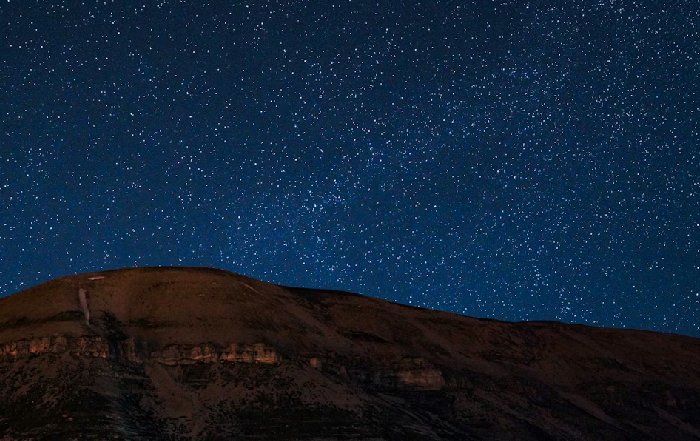
Night sky tourism in remote areas has evolved from a niche interest pursued by amateur astronomers into a sophisticated, experience-driven segment of the global travel industry, attracting families, corporate travelers, wellness seekers, and high-net-worth individuals who are increasingly motivated by rare, immersive, and meaningful experiences rather than traditional sightseeing alone. As light pollution intensifies around major metropolitan centers across the United States, United Kingdom, Germany, China, and other advanced economies, the opportunity to witness a truly dark sky filled with stars, planets, the Milky Way, and periodic meteor showers has become both a luxury and a powerful emotional draw, prompting travelers to seek out the world's most remote regions and protected dark-sky reserves.
For worldwetravel.com, which serves readers across destinations on every continent, night sky tourism represents a convergence of several core interests: it is rooted in travel and culture, deeply connected to environmental stewardship, strongly influenced by technology and health trends, and increasingly relevant to business and work as corporate leaders incorporate stargazing retreats into leadership programs and incentive travel. In a world where urbanization and digital overload dominate daily life, the chance to disconnect under a pristine night sky has become a compelling value proposition, shaping itineraries from the deserts of the United States and Australia to the highlands of Chile, the fjords of Norway, and the remote interior of New Zealand.
Understanding Dark Skies: From Environmental Challenge to Tourism Asset
Night sky tourism is fundamentally shaped by light pollution, which has been extensively documented by organizations such as the International Dark-Sky Association and research institutions like NASA. Urban sprawl, poorly shielded street lighting, and 24/7 commercial activity have dramatically reduced the number of visible stars in many regions, transforming truly dark skies into scarce and therefore highly valued resources. Studies published by the European Space Agency and leading universities have highlighted how artificial light at night affects ecosystems, migratory patterns, and even human circadian rhythms, reinforcing the idea that dark skies are not only aesthetically pleasing but also essential to environmental and human health. Learn more about the science of dark skies and light pollution through resources provided by NASA.
In this context, remote regions in North America, Europe, Asia, Africa, and South America that maintain naturally dark skies-whether through geographic isolation, conservation policy, or both-have gained a significant competitive advantage. National parks, nature reserves, and community-led dark-sky initiatives in countries such as Canada, Spain, South Africa, and Japan have begun to position the night sky as a core tourism asset, integrating stargazing platforms, observatories, and guided astronomy experiences into broader destination strategies. Organizations like the International Dark-Sky Association provide frameworks for designating Dark Sky Parks and Reserves, which in turn allows destinations to market their skies with recognized standards of quality; interested readers can explore these designations through the association's resources at darksky.org.
Key Global Regions Leading Night Sky Tourism
Remote areas across the globe have responded to this opportunity in distinctive ways, each shaped by local geography, culture, and infrastructure. In the United States, regions such as the deserts of Arizona and Utah, the high plains of Texas, and the remote areas of Nevada and New Mexico have become leading dark-sky destinations, supported by the extensive national park network and policy frameworks from agencies like the National Park Service, which promotes night sky protection as part of its conservation mission; more information on this approach can be found via the National Park Service's night sky initiatives at nps.gov. In Canada, national parks in Alberta and Saskatchewan as well as remote northern communities in the Yukon and Northwest Territories attract travelers seeking both starlit skies and aurora borealis displays, supported by scientific data and forecasts from organizations such as the Canadian Space Agency.
Across Europe, countries including Spain, France, Italy, Norway, Sweden, Finland, and Scotland in the United Kingdom have established dedicated astro-tourism routes and dark-sky reserves, often in mountainous regions, islands, or rural interiors where traditional agriculture has declined and tourism presents a new economic lifeline. For example, Spain's Canary Islands and remote interior regions of Andalusia and Extremadura have leveraged their high-altitude locations and clear skies, supported by observatories and scientific institutions, to attract both leisure travelers and professional astronomers, with additional background available from the European Southern Observatory at eso.org. Similarly, the Nordic countries have capitalized on their polar locations to promote aurora-focused trips that combine cultural immersion, indigenous Sami experiences, and wellness-oriented retreats.
In the Asia-Pacific region, New Zealand and Australia have emerged as leaders in night sky tourism, drawing on their low population density, strong environmental regulation, and existing adventure travel market. New Zealand's South Island, for instance, has become synonymous with stargazing, where remote lakeside communities and high-country stations host visitors under exceptionally clear skies, while Australia's outback regions in Western Australia, the Northern Territory, and South Australia leverage Aboriginal astronomy traditions and vast open landscapes. In Asia, countries such as Japan, South Korea, Thailand, and Malaysia are beginning to integrate night sky experiences into rural tourism strategies, often in combination with wellness retreats and cultural immersion; additional regional context can be explored through UNWTO reports on tourism diversification at unwto.org.
The Business Case: Economics, Investment, and Market Segmentation
For the global travel industry and for readers of worldwetravel.com's business coverage, night sky tourism in remote areas represents a compelling intersection of economic opportunity and responsible development. Remote communities across Africa, South America, and less-developed regions of Asia often face structural challenges, including limited employment options, outmigration of youth, and vulnerability to climate and commodity shocks. By positioning dark skies as a premium tourism asset, these communities can diversify their economies, attract higher-spend visitors, and justify investments in sustainable infrastructure such as off-grid renewable energy, low-impact lodging, and improved transport links.
Market segmentation reveals that night sky tourism appeals to several overlapping but distinct customer groups, including affluent experience-seekers from the United States, United Kingdom, Germany, France, and Canada who are willing to travel long distances for unique astronomical events such as eclipses or meteor showers; family travelers seeking educational experiences that blend science, nature, and culture, a theme explored in worldwetravel.com's family travel section; corporate clients integrating stargazing into leadership retreats, incentive programs, and creative strategy sessions; and wellness travelers who see the night sky as part of digital detox, mindfulness, and mental health journeys. Data from organizations like the World Travel & Tourism Council and OECD Tourism indicate that experience-driven travel has outpaced traditional mass tourism growth rates, suggesting that astro-tourism may continue to expand as part of a broader shift toward immersive, high-value experiences; readers can explore these macroeconomic trends at wttc.org and oecd.org.
For investors and destination managers, night sky tourism requires careful capital allocation, balancing the need for access and comfort with the imperative to preserve the very darkness that attracts visitors. This typically involves targeted investments in small-scale, high-quality accommodation, such as boutique lodges, eco-cabins, and glamping sites, which are often profiled in worldwetravel.com's hotels coverage, alongside observatories, interpretive centers, and training for local guides. Crucially, it also demands regulatory frameworks that control light pollution, zoning, and visitor numbers, often inspired by best practices shared by the International Dark-Sky Association and environmental NGOs such as the World Wildlife Fund, which provides guidance on ecosystem-friendly tourism at worldwildlife.org.
Technology, Data, and the New Astronomy Experience
The technological dimension of night sky tourism has accelerated markedly by 2026, transforming how travelers plan, book, and experience dark-sky trips. Sophisticated mobile applications aggregate satellite imagery, weather forecasts, light pollution maps, and aurora predictions, allowing users to select optimal dates and locations with a level of precision that was previously available only to professional astronomers. Platforms such as Clear Outside, Light Pollution Map, and astronomy apps supported by data from NOAA and NASA help travelers understand sky conditions, cloud cover, and celestial events; those interested in the underlying science can refer to the National Oceanic and Atmospheric Administration at noaa.gov.
On the ground, remote lodges and tour operators are integrating advanced telescopes, astrophotography equipment, and augmented reality tools into their offerings, making complex astronomical phenomena accessible to non-specialists. High-end properties in regions like Chile, Hawaii, Namibia, and Iceland now provide guided observations with large-aperture telescopes, combined with digital overlays that explain constellations, galaxies, and planetary movements in real time. This fusion of technology and storytelling aligns with broader trends in travel innovation, many of which are analyzed in worldwetravel.com's technology section, and reflects a wider shift toward data-driven personalization in the hospitality and tourism sectors.
Importantly, technological innovation also supports safety and resilience in remote night sky destinations, where weather, terrain, and limited medical facilities can pose challenges. Satellite communication, GPS tracking, and real-time environmental monitoring enable operators to manage risk more effectively, while online training and certification programs help local guides and entrepreneurs develop astronomy knowledge and customer service skills. Organizations such as the International Astronomical Union and major research observatories provide educational resources and outreach materials that can be adapted for tourism, creating a bridge between scientific expertise and visitor engagement; more information on public outreach programs can be found at iau.org.
Health, Wellbeing, and the Psychological Power of Dark Skies
Beyond economics and technology, night sky tourism in remote areas taps into a growing global conversation about mental health, wellbeing, and the need to disconnect from hyper-connected urban life. Research from institutions such as Harvard Medical School, the World Health Organization, and leading psychology departments has highlighted the restorative effects of nature exposure, darkness, and circadian rhythm alignment on stress, sleep quality, and overall wellbeing. While much of this research has focused on forests, oceans, and daylight, emerging studies suggest that dark, star-filled skies may offer unique psychological benefits, including a sense of awe, perspective, and connectedness that can reduce anxiety and improve mood; readers can explore broader health context through the World Health Organization at who.int.
For wellness travelers, retreat organizers, and corporate HR leaders, this has important implications. Night sky retreats that combine stargazing with mindfulness practices, yoga, and digital detox are increasingly integrated into executive offsites, leadership programs, and personal wellness journeys, often in partnership with wellness-focused resorts and retreat centers. These experiences align closely with themes explored in worldwetravel.com's health and retreat coverage, where the interplay between travel, mental health, and long-term wellbeing is a recurring focus. By situating stargazing within a broader framework of restorative travel, destinations can appeal to a wide spectrum of travelers seeking not only visual beauty but also emotional and psychological renewal.
At the same time, responsible operators recognize that health and safety considerations extend beyond mental wellbeing to include physical risk management in remote environments, from hypothermia and altitude sickness to navigation and wildlife encounters. Best practices promoted by organizations such as Adventure Travel Trade Association and national park authorities emphasize guide training, emergency planning, and visitor education, ensuring that the pursuit of dark skies does not compromise traveler safety; more guidance on adventure travel standards can be found via adventuretravel.biz.
Sustainability, Culture, and Community: Building Trustworthy Night Sky Experiences
A central theme in night sky tourism is the imperative to ensure that development is environmentally sustainable, culturally respectful, and economically inclusive, in line with the principles of responsible travel that underpin much of worldwetravel.com's eco-focused reporting. Remote areas are often ecologically fragile and culturally rich, with indigenous communities, traditional land uses, and sensitive wildlife habitats that can be disrupted by poorly planned tourism. Consequently, destinations that succeed in night sky tourism tend to adopt comprehensive sustainability frameworks, drawing on international standards such as the Global Sustainable Tourism Council criteria, best practices from UN Environment Programme, and local conservation regulations; interested readers can learn more about sustainable business practices at gstcouncil.org.
Cultural integration is particularly important. In regions such as Australia, New Zealand, South Africa, Brazil, and Canada, indigenous cosmologies and star lore provide rich narratives that can deepen visitor understanding of both the sky and the land, while also generating income and recognition for local communities. When designed collaboratively and respectfully, night sky tours that incorporate indigenous storytelling, language, and traditional navigation techniques can offer powerful, differentiated experiences that go beyond generic astronomy lectures. However, this requires careful governance, clear benefit-sharing mechanisms, and intellectual property protections to ensure that cultural knowledge is not exploited or commodified without consent, a topic increasingly discussed in academic and policy forums such as UNESCO, which provides guidance on safeguarding intangible cultural heritage at unesco.org.
Trustworthiness in this context also depends on transparent communication with travelers about environmental impacts, community involvement, and the limits of capacity in fragile ecosystems. Remote dark-sky destinations that cap visitor numbers, enforce strict lighting and noise regulations, and reinvest tourism revenues into conservation and community projects are more likely to build long-term reputational capital. For business travelers and organizations planning retreats, aligning corporate values with such responsible operators is becoming a key consideration in ESG strategies, a trend that intersects with broader discussions on sustainable travel and corporate responsibility frequently covered in worldwetravel.com's economy section.
Practical Considerations and Strategic Planning for Night Sky Travel
For travelers, families, and corporate planners using worldwetravel.com as a strategic resource, planning night sky tourism in remote areas requires a more deliberate approach than standard city breaks or resort holidays. Destination choice must take into account seasonality, weather patterns, lunar cycles, and celestial events such as eclipses, meteor showers, and planetary alignments, which can significantly affect the quality of the experience. Reliable information can be sourced from scientific institutions, observatories, and specialized astronomy websites, including resources from Time and Date AS and Royal Astronomical Society, which provide detailed astronomical calendars and viewing guides.
Logistics are equally important. Remote dark-sky locations often involve multi-leg journeys by air, road, or even small aircraft or boat, requiring contingency planning for delays, limited services, and variable infrastructure. Travelers may need to balance the desire for isolation with proximity to medical facilities, especially when traveling with children, older adults, or corporate groups with diverse health needs. Guidance on managing these complexities, from packing strategies to insurance considerations, is frequently addressed in worldwetravel.com's practical travel tips, where remote travel planning and risk management are recurring themes.
For organizations integrating night sky tourism into work-related travel-whether as part of team-building, leadership development, or incentive programs-strategic alignment with business objectives is critical. Experiences can be designed to foster creativity, long-term thinking, and cross-cultural understanding, using the vastness of the night sky as a metaphor for innovation, risk, and perspective. This intersection of travel and work is a growing area of interest explored in worldwetravel.com's work and business travel coverage, where examples of successful corporate retreats in remote settings illustrate how carefully curated stargazing experiences can support organizational culture and talent retention.
Looking Ahead: The Future of Night Sky Tourism in a Changing World
As the world navigates the second half of the 2020s, night sky tourism in remote areas stands at a crossroads shaped by climate change, technological acceleration, and evolving traveler expectations. Climate-related shifts in weather patterns, wildfire risk, and air quality may alter the suitability of certain regions for stargazing, while also creating new opportunities in areas that were previously less accessible or less known. At the same time, advances in satellite constellations and space-based infrastructure raise questions about the long-term visibility of dark skies, prompting collaboration between astronomers, policymakers, and the private sector to mitigate potential impacts, a debate followed closely by institutions such as the European Space Agency and International Astronomical Union.
For destinations, businesses, and travelers who rely on trusted guidance from platforms like worldwetravel.com's global perspective, the key to navigating this evolving landscape lies in embracing a holistic approach that integrates experience design, scientific literacy, environmental stewardship, and cultural respect. Night sky tourism will likely continue to grow, but its most successful expressions will be those that protect the darkness as a shared heritage, elevate local voices, and harness technology not to replace wonder but to deepen understanding.
Ultimately, the enduring appeal of night sky tourism in remote areas rests on something profoundly human: the desire to look up, to feel small yet connected, and to share that sense of awe with family, colleagues, and communities across borders and generations. In an era defined by screens and constant connectivity, the simple act of standing together under a star-filled sky-whether in the deserts of Arizona, the fjords of Norway, the outback of Australia, the highlands of South Africa, or the volcanic landscapes of Iceland-offers a rare and powerful reminder of perspective. For travelers and decision-makers alike, this is not merely a trend but a strategic and emotional opportunity to reimagine what meaningful travel can be in 2026 and beyond.