

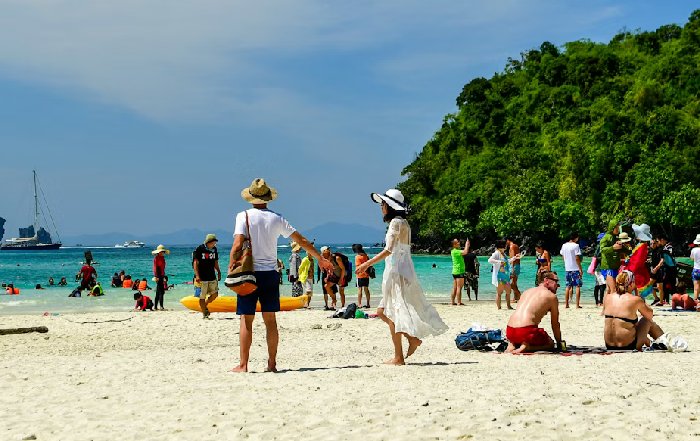
Family-Friendly Resorts in Thailand: A Great Guide for Global Travelers and Business Families
Thailand has long been regarded as one of the world's most welcoming destinations, but it stands out in particular as a country that has deliberately shaped its hospitality sector around the needs of modern families, including those who blend leisure, work, and business travel. From the serene shores of Phuket and Krabi to the cultural heart of Chiang Mai and the vibrant energy of Bangkok, Thailand's family-friendly resorts now combine thoughtful design, advanced technology, strong health and safety standards, and authentic cultural experiences in ways that resonate deeply with the frequent hotel visitors and flyers coming to WorldWeTravel.com. For families from the United States, the United Kingdom, Germany, Canada, Australia, and across Europe and Asia, Thailand has become a strategic choice: a destination where parents can relax, children can explore, and business travelers can remain productive without sacrificing precious family time.
Why Thailand Leads the World in Family Travel
Thailand's emergence as a global leader in family-friendly resorts is not accidental. Over the last decade, the country's tourism authorities and leading hotel groups have invested heavily in infrastructure, digital connectivity, and safety standards that align with international expectations. The Tourism Authority of Thailand and major global brands have worked together to position the country as a destination where families can combine beach holidays, cultural immersion, wellness retreats, and business commitments in a single trip. Travelers who explore global travel trends will recognize that Thailand consistently appears among the world's most visited destinations, and this popularity has driven a competitive environment in which resorts must continuously innovate their family offerings.
For readers of WorldWeTravel's destinations hub, Thailand offers a compelling combination of accessibility, value, and diversity. Direct flights from hubs such as London, Frankfurt, Singapore, Tokyo, Seoul, Sydney, and major North American cities make the country a practical choice even for shorter family vacations. Meanwhile, the favorable exchange rate and competitive pricing of Thai resorts relative to Western Europe and North America mean that families can often enjoy suite-style accommodation, kids' clubs, and wellness facilities at a cost comparable to mid-range hotels elsewhere. Industry analysis from organizations such as the World Travel & Tourism Council underscores how this value proposition has helped Thailand rebound quickly in the post-pandemic era.
The New Profile of the Traveling Family in 2026
The modern family visiting Thailand in 2026 is more global, more connected, and more demanding than ever before. Parents increasingly work remotely or combine business meetings with family holidays, while children may follow structured learning programs online. This shift has transformed expectations around accommodation, connectivity, and on-site services. Readers who follow business travel insights will recognize that the traditional separation between "business trip" and "family vacation" is fading; executives from New York, London, Berlin, Singapore, and Sydney now routinely extend work trips to include partners and children, seeking resorts that are equally suited to conference calls and pool time.
Research from organizations such as the OECD indicates that flexibility, digital infrastructure, and family support services are now central to destination choice. Thai resorts have responded by offering family suites with dedicated workspaces, high-bandwidth Wi-Fi, soundproofed rooms, and business centers alongside kids' clubs and teen lounges. For families who integrate work and travel, resources on how to manage work on the road can be directly applied to the Thai context, where resort staff are increasingly trained to accommodate time zone differences, virtual meetings, and hybrid schedules.
Key Regions in Thailand for Family-Friendly Resorts
Thailand's appeal lies in its geographic diversity, with each major region offering a different balance of beach, culture, nature, and urban energy. For the global audience of WorldWeTravel.com, understanding these regional differences is essential to matching family needs with the right resort.
Phuket and Phang Nga: Beachfront Convenience and International Comfort
Phuket remains the most recognized Thai destination for families from the United States, the United Kingdom, Germany, Scandinavia, and Australia. Its extensive selection of family-oriented resorts, direct international connectivity, and well-developed medical facilities make it a logical first choice for those traveling with young children. Resorts along the west coast, from Mai Khao down to Kata and Karon, have evolved into self-contained ecosystems with kids' clubs, water parks, family pools, and structured activities that allow parents to relax while children are supervised by trained staff. Travelers who consult global health and safety guidance often note that Phuket's combination of private hospitals, pharmacies, and English-speaking staff provides reassurance for long-haul families.
At the same time, Phang Nga Bay and the quieter beaches to the north of Phuket offer a more tranquil environment for families seeking space and privacy. Many high-end resorts now provide multi-bedroom villas, private pools, and dedicated butler services, allowing extended families from Europe, North America, and Asia to gather in a single property. Readers interested in hotel selection strategies can see how Phuket's market illustrates the full spectrum from luxury to budget, with family-friendly features increasingly standard across categories.
Krabi and Koh Lanta: Nature, Space, and Soft Adventure
To the east of Phuket, Krabi and nearby islands such as Koh Lanta have become favorites among families who value natural landscapes and a slower pace. The dramatic limestone cliffs, mangrove forests, and calm bays create an environment where children can safely explore kayaking, snorkeling, and gentle hiking under professional supervision. Environmental organizations such as the International Union for Conservation of Nature have highlighted the ecological sensitivity of these areas, and many resorts now integrate conservation education into their kids' programs, helping families understand local marine ecosystems and responsible wildlife interaction.
Koh Lanta, in particular, has attracted long-stay families from Germany, the Netherlands, Scandinavia, and Canada who appreciate its low-key atmosphere, family villas, and growing digital nomad community. Resorts and local schools have adapted to host children enrolled in remote learning, and parents can draw on travel tips for extended stays to plan multi-month visits that combine education, leisure, and work. For those seeking a balance of comfort and authenticity, Krabi and Koh Lanta offer a less commercial alternative to Phuket while retaining strong family infrastructure.
Bangkok: Urban Energy with Family Infrastructure
While many families view Bangkok primarily as a transit hub, the Thai capital has evolved into a sophisticated family destination in its own right. Modern shopping centers, interactive museums, green parks, and riverfront developments offer a dense cluster of attractions ideal for short urban breaks before or after beach stays. Luxury and mid-range hotels along the Chao Phraya River and in central districts now market family suites, connecting rooms, and child-focused services, recognizing that global travelers often spend two or three nights in the city at the beginning or end of their trips.
Urban planners and international organizations such as UNICEF have encouraged cities to become more child-friendly, and Bangkok's investment in public transport, walkable areas, and family-oriented attractions reflects this shift. Families can explore science centers, art spaces, and cultural shows, using guidance from cultural travel resources to frame these experiences in a way that is meaningful for children and teenagers. For business travelers, Bangkok's role as a regional hub means that meetings, conferences, and corporate events can be scheduled around family excursions, with hotels increasingly offering on-site childcare and flexible check-in policies.
Chiang Mai and Northern Thailand: Culture, Wellness, and Learning
Chiang Mai has become a magnet for families seeking culture, wellness, and educational experiences in a more temperate climate. Surrounded by mountains and traditional villages, the city offers access to temples, craft workshops, cooking schools, and ethical wildlife sanctuaries that align with modern expectations of responsible travel. Organizations such as World Animal Protection have shaped international standards for wildlife tourism, and many Chiang Mai resorts now collaborate only with vetted sanctuaries and cultural partners, integrating ethical guidelines into their activity programs.
For families interested in wellness and mental health, Chiang Mai's growing network of yoga retreats, meditation centers, and holistic health clinics offers opportunities to combine relaxation with personal development. Parents who follow health-focused travel content will find that resorts increasingly offer family spa treatments, mindfulness sessions for children, and nutrition-conscious menus, reflecting global awareness of mental well-being as part of the travel experience. The city's strong international school presence and digital nomad infrastructure also make it attractive for long-stay families from Europe, North America, and East Asia.
Koh Samui and the Gulf Islands: Balanced Luxury and Accessibility
On the Gulf of Thailand side, Koh Samui and neighboring islands such as Koh Phangan and Koh Tao offer a mix of upscale resorts, family villas, and boutique properties. Koh Samui's airport and medical facilities make it suitable for families with younger children, while the island's ring road and compact size allow easy access to beaches, viewpoints, and attractions. Resorts often emphasize wellness, with integrated spas, healthy dining, and fitness programs, reflecting broader trends in global wellness travel.
For families with teenagers, Koh Tao's reputation for diving and marine conservation can be particularly appealing, as children can participate in beginner dive courses and coral restoration projects under professional guidance. Environmental education is often embedded in resort programming, and parents who value sustainable travel can learn more about responsible tourism frameworks to guide their choices. The Gulf islands, with their combination of comfort and nature, are well suited to families from the United Kingdom, France, Italy, Spain, and the Netherlands who seek a softer, wellness-oriented experience.
What Makes a Resort Truly Family-Friendly in 2026
The concept of a "family-friendly resort" has evolved significantly, and Thailand's leading properties now align with global best practices across safety, design, technology, and programming. For the WorldWeTravel.com audience, which spans leisure, business, and hybrid travelers, certain attributes are particularly important.
Safety, Health, and Professional Standards
In the post-pandemic world, families are acutely aware of health protocols, medical access, and emergency preparedness. Thai resorts catering to international guests have adopted standards consistent with guidance from organizations such as the World Health Organization and local health authorities, including enhanced cleaning procedures, air quality monitoring, and clear communication around food safety and water quality. Many family resorts maintain direct relationships with nearby hospitals and clinics, especially in Phuket, Bangkok, Chiang Mai, and Koh Samui, ensuring rapid response in case of illness or injury.
Parents planning trips from North America, Europe, or East Asia often consult pre-travel health resources and appreciate resorts that can provide documentation of their safety protocols. Childproofing features, lifeguards at pools, secure kids' club check-in systems, and multilingual staff all contribute to a sense of trust that allows families to relax.
Space, Design, and Privacy for Multi-Generational Stays
Multi-generational travel has surged, with grandparents joining parents and children on extended holidays. Resort design has adapted accordingly, offering family suites, interconnecting rooms, and private villas that allow shared time and individual privacy. In Thailand, this trend is particularly visible in Phuket, Krabi, Koh Samui, and Chiang Mai, where villa-style accommodations with private pools and gardens have become mainstream. Families from Germany, the United Kingdom, Scandinavia, and Canada often use these properties as temporary "homes," combining leisure with remote work and schooling.
Readers exploring family travel planning can see how spatial design influences family dynamics on the road. Open-plan living areas, kitchenettes, shaded outdoor spaces, and quiet corners for reading or work all contribute to an environment where different generations can coexist comfortably over several weeks. Thoughtful design, including blackout curtains, sound insulation, and flexible bedding configurations, further reinforces a resort's family credentials.
Digital Connectivity and Work-Friendly Infrastructure
In 2026, digital connectivity is no longer a luxury but a baseline expectation, especially for families who integrate work and travel. Thai resorts that cater to international guests now routinely offer high-speed Wi-Fi across rooms and public areas, with some properties providing dedicated co-working spaces, private meeting rooms, and business support services. For readers of WorldWeTravel's technology channel, Thailand's rapid adoption of fiber and 5G infrastructure has been a key factor in its appeal to remote workers and business families.
Parents may need to join video conferences in different time zones, while children access online learning platforms or entertainment. Resorts that provide ergonomic chairs, proper desks, multiple power outlets, and strong soundproofing stand out in this environment. Some family-oriented properties in Bangkok, Phuket, and Chiang Mai have gone further by offering supervised study rooms, allowing children to complete schoolwork in a structured environment while parents work elsewhere on the property.
Cultural, Educational, and Eco-Conscious Programming
Modern families increasingly seek more than passive relaxation; they value cultural, educational, and environmental experiences that enrich their children's understanding of the world. Thai resorts have responded by integrating language lessons, cooking classes, craft workshops, and guided temple visits into their kids' and family programs. Organizations such as UNESCO have emphasized the importance of cultural heritage in sustainable tourism, and many Thai properties now collaborate with local communities to offer authentic, respectful experiences that benefit residents as well as visitors.
Eco-conscious families can explore sustainable travel practices and apply them in Thailand through activities such as mangrove planting, beach cleanups, and visits to organic farms. Resorts in Krabi, Koh Lanta, Koh Samui, and Chiang Mai often highlight their conservation initiatives, including reduced plastic use, renewable energy adoption, and partnerships with marine or wildlife NGOs. This alignment with global sustainability frameworks, such as those promoted by the Global Sustainable Tourism Council, reinforces Thailand's position as a responsible choice for family travel.
Economic Value and Accessibility for Global Families
For families navigating fluctuating economies in 2026, cost and value are central considerations. Thailand offers a compelling balance, providing high quality at a price point that remains competitive relative to Western Europe, North America, and some parts of East Asia. Economic analysis from institutions such as the International Monetary Fund has highlighted tourism's role in Thailand's growth, and this macroeconomic context translates into a highly developed hospitality sector with diverse price tiers.
Readers of WorldWeTravel's economy section will recognize that currency movements, airline competition, and regional economic conditions can all influence trip planning. Thailand's extensive domestic flight network and growing presence of low-cost carriers make it feasible for families to combine multiple regions-such as Bangkok, Chiang Mai, and Phuket-in a single itinerary without excessive cost. At the same time, competition among resorts has encouraged the development of family packages, long-stay discounts, and inclusive meal plans that simplify budgeting.
Wellness, Retreats, and Mental Health for Families
The global focus on mental health and well-being has reshaped family travel priorities, with many parents seeking destinations that support not only physical rest but also emotional balance and reconnection. Thailand's longstanding reputation for wellness, meditation, and spa culture positions it uniquely to meet this demand. Resorts in Chiang Mai, Koh Samui, Hua Hin, and Phuket increasingly market family wellness retreats, combining activities such as yoga, mindfulness, nature walks, and digital detox programs with child-friendly adaptations.
For readers interested in structured downtime, retreat-oriented travel ideas can be readily applied to Thailand, where wellness traditions are deeply embedded in local culture. Families can participate in guided meditation sessions suitable for children, learn basic Thai massage techniques, or join nutrition-focused cooking classes that promote healthier habits at home. International organizations such as the World Economic Forum have highlighted well-being as a key dimension of future travel, and Thai resorts are among those leading the integration of wellness into mainstream family tourism.
Practical Planning for Family Trips to Thailand
For global families considering Thailand in 2026, practical planning remains essential to maximize enjoyment and minimize stress. Factors such as seasonality, flight connections, visa requirements, and health preparations must be taken into account. Many travelers consult official country guidance from their national governments for up-to-date information on entry rules, safety advisories, and local regulations. Thailand's well-defined high and low seasons, driven by regional weather patterns, also influence resort pricing and availability, making early booking advisable for peak periods such as December-January and July-August.
Within Thailand, the choice of region should reflect family priorities: beach relaxation, cultural immersion, wellness, soft adventure, or urban exploration. The curated resources on WorldWeTravel's main travel page can help families compare options, while global overviews place Thailand in the broader context of worldwide destinations. Whether a family is based in the United States, the United Kingdom, Germany, Canada, Australia, Singapore, or elsewhere in Asia, Thailand's combination of flight connectivity, resort diversity, and family-focused services makes it a logical centerpiece of medium- and long-haul travel plans.
Thailand and the Future of Family Travel
So Thailand offers a clear illustration of how destinations can adapt to the evolving needs of global families, business travelers, and hybrid work lifestyles. The country's family-friendly resorts demonstrate that it is possible to combine comfort, cultural authenticity, environmental responsibility, and digital connectivity in a single, coherent travel experience. For the international folks of WorldWeTravel, Thailand serves both as a practical choice for upcoming holidays and as a benchmark for what family-oriented hospitality can look like in the coming decade.
By aligning with international standards, investing in technology and wellness, and partnering with local communities and global organizations, Thai resorts have built a reputation for experience, expertise, authoritativeness, and trustworthiness that resonates with discerning travelers from North America, Europe, and Asia. Families planning their next journey can draw on the insights, regional overviews, and practical inspirational guidance across WorldWeTravel.com to design itineraries that blend beaches and temples, work and rest, learning and play-confident that Thailand's family-friendly resorts are ready to support them at every stage of the journey.