

Laos in 2026: History, Strategy, and a Two-Week Itinerary for Global Travelers
Laos, officially the Lao People's Democratic Republic, has moved from the periphery to the radar of discerning travelers and international businesses alike. In 2026, the country sits at a strategic crossroads in mainland Southeast Asia, framed by China, Vietnam, Cambodia, Thailand, and Myanmar, and integrated into regional transport and energy networks that are reshaping mobility, trade, and tourism across the Mekong region. For the global audience of WorldWeTravel.com, Laos now represents more than an off-the-beaten-path destination; it is a case study in how history, culture, infrastructure, and policy combine to create emerging opportunities in travel, hospitality, wellness, and cross-border work.
This article examines Laos through the lens of experience, expertise, authoritativeness, and trustworthiness, providing a historically grounded overview of the country's evolution and outlining a practical, two-week itinerary designed for international visitors from the United States, Europe, Asia, and beyond. It also situates Laos within broader trends in the global travel economy, sustainable tourism, and digital work, aligning with the core interests of WorldWeTravel.com readers in destinations, business, family travel, hotels, eco-tourism, health and retreats, and travel tips.
From Ancient Civilizations to Modern Laos
Archaeological evidence indicates that the territory of present-day Laos has been inhabited for at least 50,000 years, with discoveries at the Plain of Jars and the caves of Vieng Xai suggesting sophisticated prehistoric activity in metallurgy, pottery, and early agriculture. Researchers and historically inclined travelers can explore these findings through resources such as UNESCO's documentation of the Megalithic Jar Sites in Xiengkhuang and academic overviews from institutions like the University of Sydney's Southeast Asian Archaeology program, which provide context for understanding Laos as part of a broader regional cradle of civilization rather than an isolated backwater.
By the 14th century, the Kingdom of Lan Xang, or the "Land of a Million Elephants," emerged under King Fa Ngum as a powerful polity straddling key trade routes between India and China. The kingdom's influence extended across much of what is now Laos and parts of neighboring countries, and it served as a conduit for Theravada Buddhism, artistic exchange, and commercial networks connecting the Mekong basin to the wider world. Under King Setthathirath, Lan Xang consolidated its religious and political identity, relocating the capital to Vientiane and building monumental religious sites such as Pha That Luang, which remains a defining symbol of the Lao nation and a focal point for visitors seeking to understand the country's spiritual foundations. Those interested in regional state formation can deepen their perspective through comparative analyses of mainland Southeast Asian kingdoms from organizations such as the Association of Southeast Asian Nations and academic references from the Oxford Research Encyclopedia of Asian History.
Lan Xang's decline in the 17th century, driven by succession crises, internal factionalism, and external pressure from Siamese and Vietnamese forces, fragmented the kingdom into smaller principalities. These successor states were repeatedly drawn into regional conflicts and tributary relationships, setting the stage for the colonial interventions of the 19th century. For modern travelers, understanding this fragmentation helps explain why contemporary Laos retains a mosaic of ethnic groups, dialects, and regional identities, visible today in the distinct cultural atmospheres of Luang Prabang, the Bolaven Plateau, and the northern river valleys.
Colonial Rule, Conflict, and the Road to Independence
By the late 19th century, Laos was incorporated into French Indochina alongside Vietnam and Cambodia. French colonial administration introduced new infrastructure, including roads, administrative buildings, and limited railway and river transport networks, as well as Western education and legal systems. Yet it also imposed extractive economic policies, heavy taxation, and cultural constraints that sought to subordinate Lao identity to broader French strategic objectives. Background on this period can be found in historical surveys from the French National Library and policy retrospectives from organizations like the International Crisis Group, which trace how colonial borders, governance, and economic models influenced contemporary political realities.
World War II and the Japanese occupation destabilized French control and opened space for nationalist movements. In Laos, the Pathet Lao, led by Prince Souphanouvong and supported by regional communist allies, became the primary force challenging colonial rule and later royalist governments. Following a complex sequence of negotiations, limited autonomy agreements, and escalating civil conflict intertwined with the broader Vietnam War, the Pathet Lao ultimately established the Lao People's Democratic Republic in 1975.
This transition marked the beginning of a socialist state aligned with neighboring Vietnam, characterized initially by centralized planning, restricted private enterprise, and limited external engagement. Over time, however, economic realities, regional integration, and shifting geopolitical dynamics led to a gradual opening. Analysts from the World Bank and the Asian Development Bank trace this shift through the introduction of market-oriented reforms in the late 1980s and 1990s, which laid the groundwork for contemporary investment in hydropower, mining, agriculture, and, increasingly, tourism and services.
Laos in 2026: Connectivity, Tourism, and the Global Economy
In 2026, Laos is no longer the remote, difficult-to-reach destination it once was. The China-Laos Railway, part of the broader Belt and Road Initiative, has significantly reduced travel times between Vientiane, Vang Vieng, Luang Prabang, and the Chinese border, while improved road networks and regional air links connect Laos to major hubs in Bangkok, Hanoi, Singapore, Seoul, Tokyo, and European gateways via regional carriers. For WorldWeTravel.com readers interested in global economic trends, Laos offers a compelling example of how infrastructure investment reshapes tourism flows, supply chains, and labor mobility across Asia.
International organizations such as the OECD and the International Monetary Fund highlight both the opportunities and vulnerabilities of this transformation. Hydropower exports, cross-border logistics, and tourism receipts contribute to growth, but public debt, environmental concerns, and exposure to external shocks remain significant challenges. For travelers and businesses alike, this duality underscores the importance of informed, responsible engagement with the Lao economy, whether through selecting sustainable tour operators, supporting local enterprises, or aligning corporate travel policies with best practices in responsible tourism. Those seeking a broader framework can explore resources on sustainable development from the United Nations Development Programme and learn more about sustainable business practices through guidance from the Global Reporting Initiative.
Cultural Heritage, Wellness, and Responsible Travel
Laos's enduring appeal lies in its layered cultural heritage, gentle pace of life, and comparatively low levels of mass tourism relative to neighboring Thailand and Vietnam. The country's Buddhist temples, traditional wooden houses, French colonial facades, and ethnic minority villages create an environment where cultural immersion, wellness, and reflection come naturally. For readers exploring culture-focused travel or planning a restorative retreat, Laos offers a setting where spiritual practices, nature-based activities, and local hospitality intersect.
The city of Luang Prabang, recognized as a UNESCO World Heritage Site, exemplifies this synthesis. Its early-morning alms-giving ceremonies, meticulously preserved monasteries, and riverside cafes serving Lao coffee and French-influenced pastries attract visitors seeking authenticity rather than spectacle. To ensure that this authenticity is preserved, travelers are increasingly encouraged to follow guidelines on respectful behavior and community engagement, such as those promoted by UNESCO, the World Tourism Organization (UNWTO), and responsible tourism NGOs.
Health-conscious visitors will find that Laos's emphasis on fresh ingredients, herbal traditions, and outdoor activity aligns with global wellness trends. From light trekking and river kayaking to meditation in temple complexes and spa treatments in upscale hotels, the country supports a holistic approach to wellbeing. For additional context on staying healthy while traveling in Southeast Asia, visitors can consult the World Health Organization and the U.S. Centers for Disease Control and Prevention, which provide up-to-date guidance on vaccinations, malaria prevention, and general travel health.
A Strategic Two-Week Itinerary for Laos in 2026
For international travelers balancing limited vacation time with the desire for depth, a two-week itinerary offers a realistic yet rewarding framework to experience the country's highlights. The following route, tailored for WorldWeTravel.com readers, combines capital-city insight, adventure tourism, cultural immersion, and restorative nature, while remaining compatible with business travel schedules and remote work arrangements for those blending work and travel.
Days 1-3: Vientiane - Capital Insight and Mekong Evenings
Vientiane, the capital, retains a relaxed, small-city atmosphere even as new office towers, embassies, and hotels rise along the Mekong. For business travelers and globally minded visitors, it serves as a natural entry point, with international flights and improved land connections to Thailand and China.
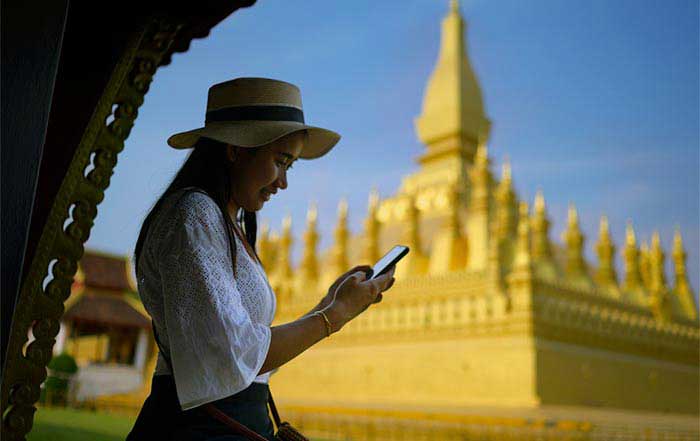
A first day in Vientiane typically begins at Pha That Luang, the gold-covered stupa that embodies Lao statehood and Buddhist devotion. Its 16th-century origins and subsequent restorations mirror the country's own cycles of conflict and renewal, and a visit here offers orientation not just to religious architecture but to national symbolism. Nearby, the Patuxai Victory Monument, reminiscent of the Arc de Triomphe in Paris, offers panoramic views over the city's evolving skyline, allowing visitors to appreciate the contrast between older low-rise neighborhoods and newer commercial developments.
The city's temples, including Wat Si Saket with its thousands of Buddha images and preserved murals, provide a quieter counterpoint to the bustle of markets and riverfront promenades. For travelers interested in the intersection of religion, art, and social life, these spaces offer insight into how Buddhism structures daily routines, festivals, and community networks. Those wishing to understand the broader religious landscape of the region can explore comparative resources from the Harvard Pluralism Project.
Vientiane's markets, including Talat Sao and the evening stalls along the Mekong, showcase textiles, handicrafts, and street food that reflect both urban tastes and rural supply chains. Sampling laap, sticky rice, and grilled river fish introduces visitors to the nutritional foundations of Lao cuisine, which emphasize herbs, fermented ingredients, and shared dishes. For WorldWeTravel.com readers planning family travel, the capital's manageable scale, riverfront parks, and emerging mid-range hotels make it a practical base for multigenerational trips or short stopovers en route to other Asian destinations.
Days 4-6: Vang Vieng - Landscapes, Adventure, and Evolving Tourism
North of Vientiane, Vang Vieng has undergone a notable transformation over the past decade. Once known primarily for hedonistic backpacker culture, it has repositioned itself as a hub for soft adventure, nature, and wellness, aligning more closely with the responsible tourism values many travelers now prioritize. The journey from Vientiane, whether by road or train, offers glimpses of rural villages, rice fields, and limestone outcrops that hint at the dramatic karst landscapes to come.
In Vang Vieng, the Nam Song River winds between towering cliffs and lush vegetation, providing a setting for kayaking, tubing, and paddleboarding. These activities, when managed responsibly, allow visitors to engage with the environment in low-impact ways while supporting local guides and small businesses. Hiking to viewpoints and exploring caves such as Tham Chang introduce a more contemplative dimension to the region, rewarding those willing to walk beyond the main town with expansive views over patchwork fields and karst ridges.
The Blue Lagoon and other natural swimming areas, though increasingly popular, still retain a sense of rural tranquility when visited outside peak hours. For travelers concerned with environmental impact, it is advisable to seek operators who follow guidelines on waste management and visitor limits, and to consult broader resources on sustainable tourism from organizations like the Global Sustainable Tourism Council. Vang Vieng's growing inventory of boutique hotels and eco-lodges also reflects a shift toward more curated, higher-value stays, making it attractive to couples, small corporate retreats, and remote workers who value scenery and outdoor recreation.
Days 7-9: Luang Prabang - Heritage, Spirituality, and Culinary Discovery
Continuing north, Luang Prabang stands as the cultural and spiritual heart of Laos. Its status as a UNESCO World Heritage Site rests on the harmonious blend of monastic complexes, traditional Lao wooden houses, and French colonial villas, all set at the confluence of the Mekong and Nam Khan rivers. For travelers from the United States, Europe, and Asia who are accustomed to crowded heritage cities, Luang Prabang's slower tempo and disciplined building regulations are often a welcome surprise.
The Royal Palace Museum provides a structured introduction to the country's royal history, religious artifacts, and diplomatic gifts, bridging pre-socialist and modern narratives. Nearby, Wat Xieng Thong, with its intricate mosaics and tiered roofs, exemplifies classical Lao temple architecture and remains an active center of worship. Visitors are encouraged to approach these spaces with sensitivity, following dress codes and photography guidelines, and to recognize that they function as living religious environments rather than static museum exhibits.
One of the most distinctive experiences in Luang Prabang is the early-morning alms-giving ceremony, in which lines of saffron-robed monks receive offerings from local residents. Responsible participation involves observing from a respectful distance or joining under the guidance of reputable local hosts who can explain appropriate conduct. For those interested in the ethics of cultural observation, resources from the Cultural Survival organization offer broader reflections on tourism and indigenous communities.
Beyond its spiritual life, Luang Prabang has developed a sophisticated culinary and hospitality scene, with restaurants and boutique hotels that blend Lao ingredients and design with international standards of service. The night market on Sisavangvong Road, while clearly aimed at visitors, still serves as a key venue for local artisans and food vendors. Day trips to Kuang Si Falls, with their turquoise pools and forested trails, and to the nearby butterfly and bear sanctuaries, introduce a nature-based dimension that complements the city's cultural richness. For readers of WorldWeTravel.com seeking guidance on hotel selection, Luang Prabang offers a range from heritage properties to contemporary wellness resorts suitable for both leisure and small-scale business gatherings.
Days 10-11: Nong Khiaw - Riverside Quiet and Northern Perspectives
Travelers wishing to move beyond the main circuit can head further north to Nong Khiaw, a riverside town on the Nam Ou that epitomizes the quiet, contemplative side of Laos. The journey from Luang Prabang, typically by road, passes through rural landscapes that highlight the country's agricultural base and the diversity of ethnic communities in the north.
In Nong Khiaw, the primary attractions are the views themselves: steep limestone cliffs rising directly from the river, small villages nestled along the banks, and trails leading to viewpoints that reward moderate hikes with sweeping panoramas. Boat trips upriver provide access to even more remote settlements, where visitors can observe traditional weaving, subsistence farming, and river-based livelihoods. These experiences, when organized through responsible operators, can channel income to communities while minimizing disruption to daily life.
For travelers integrating work and travel, Nong Khiaw's quieter environment and limited but improving connectivity can be conducive to focused remote work sessions interspersed with outdoor activity. Readers interested in balancing productivity and exploration can draw on broader work-and-travel strategies shared across the WorldWeTravel.com platform, adapting them to a Lao context where slower rhythms and fewer distractions can actually become a strategic advantage.
Days 12-14: Pakse and the Bolaven Plateau - Coffee, Waterfalls, and Southern Laos
To round out a two-week journey, shifting to southern Laos introduces a different geographic and cultural flavor. Pakse, accessible by domestic flights from Luang Prabang or Vientiane, serves as the gateway to the Bolaven Plateau, an elevated region known for coffee plantations, waterfalls, and cooler temperatures.
The Bolaven Plateau's volcanic soils and microclimates have made it a center for high-quality Arabica and Robusta coffee, increasingly recognized by specialty buyers in Europe, North America, and Asia. Guided visits to plantations allow travelers to learn about cultivation, processing, and export, while also engaging with discussions about fair pricing, climate resilience, and community development. Those wishing to explore the global context of ethical sourcing can consult organizations such as the Rainforest Alliance and the Fairtrade Foundation, which highlight best practices in agricultural value chains.
The region's waterfalls, including Tad Fane, Tad Yuang, and Tad Lo, provide opportunities for hiking, photography, and swimming, often combined with visits to nearby villages inhabited by different ethnic groups. These encounters, when approached with humility and curiosity, deepen understanding of Laos's internal diversity and the ways in which geography shapes livelihoods. For travelers focused on eco-tourism and health-oriented retreats, the plateau's climate, scenery, and slower pace lend themselves to digital detoxes, yoga sessions, and nature-based recovery from urban stress.
Back in Pakse, the Wat Phou temple complex, a pre-Angkorian Khmer site near Champasak, offers another layer of historical depth, connecting Laos to the broader cultural sphere of the ancient Khmer Empire. Classified as a UNESCO World Heritage Site, Wat Phou provides a powerful vantage point from which to reflect on the continuity and change that define the region, from early Hindu worship to contemporary Buddhist practices and modern tourism.
Positioning Laos within Global Travel and Business Strategy
For WorldWeTravel.com readers across the United States, United Kingdom, Germany, Canada, Australia, France, Italy, Spain, the Netherlands, Switzerland, China, the Nordic countries, Singapore, South Korea, Japan, Thailand, South Africa, Brazil, Malaysia, and New Zealand, Laos in 2026 offers a nuanced proposition. It is not yet a mass-market destination, which means infrastructure and services can be less predictable than in Bangkok, Singapore, or Tokyo, but this same characteristic preserves the sense of discovery and authenticity that many seasoned travelers now seek.
From a business perspective, Laos illustrates how emerging markets in Asia are leveraging regional integration, infrastructure, and tourism to diversify their economies. Executives and investors monitoring the region can complement macroeconomic briefings from the World Bank or IMF with on-the-ground observations gathered during short stays in Vientiane, Luang Prabang, or Pakse, where conversations with local entrepreneurs, hotel managers, and tour operators reveal how policy shifts and external trends translate into lived realities.
For families, couples, solo travelers, and remote professionals, the country's combination of cultural depth, natural beauty, and evolving connectivity makes it suitable for curated itineraries that blend leisure, learning, and light work. Integrating Laos into a broader regional journey through Asia and the wider world allows travelers to compare its trajectory with that of neighbors such as Thailand, Vietnam, and Cambodia, enriching their understanding of Southeast Asia as a whole.
Planning with Confidence and Responsibility
As with any international trip, planning a visit to Laos in 2026 benefits from careful research into visas, health requirements, connectivity, and seasonal weather patterns. Official government portals, embassy websites, and trusted travel advisories such as the UK Foreign, Commonwealth & Development Office or the Government of Canada's travel advice provide up-to-date information on entry regulations and safety considerations. Complementing these with curated insights from WorldWeTravel.com on travel logistics and practical tips helps ensure that visitors can focus more on experience and less on uncertainty.
Ultimately, Laos rewards those who approach it with patience, respect, and curiosity. Its history of kingdoms, colonialism, conflict, and cautious opening has produced a society that is both resilient and welcoming, eager to engage with the world yet determined to preserve its cultural integrity. For the global community that turns to WorldWeTravel.com for trusted, experience-driven guidance, Laos represents a destination where travel is not only about seeing new places, but about understanding how a small, landlocked country can navigate the complexities of a rapidly changing world while offering visitors meaningful, memorable journeys.