

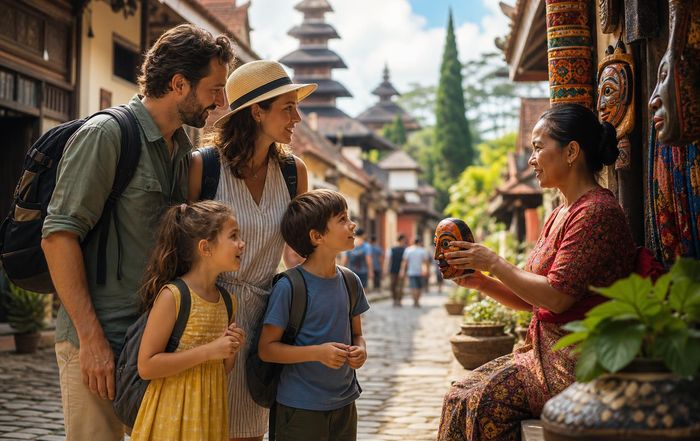
Best Cultural Travel Experiences for Curious Families
Family travel has always carried the promise of discovery, yet in an era of rapid change and global interconnection, many parents are looking for journeys that do more than entertain. They want their children to understand the world's diversity, to feel at ease in unfamiliar settings, and to gain a sense of shared humanity that transcends borders. Cultural travel, when approached with care and curiosity, can offer precisely this, and it is at the heart of what WorldWeTravel aims to curate and inspire for families everywhere.
Why Cultural Travel Matters for Families
Cultural travel invites families to go beyond iconic landmarks and theme parks and instead step into everyday life in another place. This may mean sharing a meal in a neighborhood restaurant in Lisbon, taking part in a tea ceremony in Kyoto, or joining a local festival in Mexico City. Researchers in child development and education have increasingly emphasized that such immersive experiences can support empathy, adaptability, and open-mindedness in young people. Organizations such as UNESCO highlight cultural exchange as a cornerstone of peacebuilding and mutual understanding, underscoring that young travelers who engage respectfully with other ways of life are better prepared to navigate an interconnected world. Families who explore the cultural dimension of travel often report that their children return home more confident, more curious, and more aware of their own cultural roots.
For parents planning their next trip, cultural journeys can be structured to match each child's age and interests. Younger children may respond best to hands-on activities like cooking classes or craft workshops, while teenagers may appreciate contemporary art, street culture, or conversations about history and social change. On WorldWeTravel, the updated and dedicated family travel section helps map these interests to destinations and experiences, ensuring that cultural immersion feels inspiring rather than overwhelming.
Choosing Destinations with Cultural Depth
Selecting the right destination is the foundation of a meaningful cultural trip. Many families begin with major cities because they offer museums, historic sites, and diverse neighborhoods within a relatively compact area. Cities such as London, New York, Paris, Tokyo, and Singapore combine world-class cultural institutions with accessible public transport and family-friendly infrastructure. Resources like VisitBritain and Japan National Tourism Organization provide up-to-date information on cultural events, museum exhibits, and family programs that can help shape an itinerary that balances learning and leisure.
For families who prefer a slower pace, mid-sized cities and regional hubs can offer equally rich cultural experiences with fewer crowds. Places like Seville, Quebec City, Kyoto, Melbourne, and Cape Town present a blend of historic architecture, local food traditions, and vibrant arts scenes. Many of these cities participate in cultural initiatives recognized by UNESCO's Creative Cities Network, which promotes music, literature, gastronomy, crafts, and design in urban environments worldwide. Exploring global destination ideas on worldwetravel can help families compare regions and find locations where culture is woven into daily life rather than confined to a few tourist attractions.
Beyond cities, rural regions and smaller towns often preserve traditions that have evolved over centuries. Families might visit wine villages in France, alpine communities in Switzerland, or coastal fishing towns in Japan, where local festivals, seasonal foods, and artisanal crafts still shape community identity. Agricultural tourism initiatives documented by organizations like the Food and Agriculture Organization of the United Nations show how farm stays and rural tourism can support local livelihoods while offering visitors authentic cultural encounters, from learning traditional recipes to participating in harvest celebrations.
Living History: Museums, Heritage Sites, and Storytelling
Museums and heritage sites remain among the most accessible entry points into another culture, especially when they are designed with families in mind. Institutions such as the Smithsonian in Washington, D.C., the British Museum in London, and the Louvre in Paris have extensive programs for children, including discovery trails, interactive exhibits, and multilingual audio guides. Many museums now provide online resources, such as the Louvre's digital collections, that families can explore before and after a trip to deepen understanding and context.
Heritage sites recognized by UNESCO's World Heritage Centre provide another layer of cultural immersion, connecting visitors to places of outstanding universal value. Families can explore ancient cities like Pompeii, visit historic temples in Kyoto, or walk through the old quarters of Marrakesh, gaining insight into architecture, religion, and daily life across centuries. The UNESCO World Heritage list is a valuable planning tool, allowing travelers to identify sites that align with their interests, whether that means industrial heritage, sacred landscapes, or living cultural traditions.
Storytelling brings these sites to life. Parents can encourage children to imagine themselves as characters in the history of a place, perhaps as apprentices in a medieval guild, merchants on the Silk Road, or artisans in a traditional workshop. Many destinations now offer family-focused walking tours and audio stories that blend historical facts with narrative, and organizations like Context Travel specialize in expert-led cultural tours that can be tailored to multigenerational groups. On WorldWeTravel, the super culture-focused guides complement these experiences with background articles that explain the historical and social context of popular destinations in an accessible, family-friendly way.
Everyday Culture: Food, Markets, and Neighborhood Life
While museums and monuments provide structure, everyday life often leaves the deepest impression on children. Food is one of the most immediate and enjoyable gateways into a new culture. Families can visit local markets, such as La Boqueria in Barcelona or Tsukiji Outer Market in Tokyo, to see how ingredients are sourced and sold, to observe local etiquette, and to taste regional specialties. Culinary organizations like Slow Food promote food traditions and sustainable agriculture, and many of their local chapters host events or tours that welcome families and highlight the stories behind beloved dishes.
Cooking classes designed for parents and children are increasingly common in destinations from Thailand to Italy. These experiences help demystify unfamiliar ingredients and techniques, and they often include visits to farms or markets to learn how food ties into local history and ecology. Families can investigate local options through platforms like Eatwith or Airbnb Experiences, taking care to read reviews and prioritize experiences that emphasize cultural exchange and respect for local communities.
Simply spending time in neighborhoods where residents live, shop, and relax can be transformative. Parks, playgrounds, public libraries, and community centers reveal how families in other countries balance work, school, and leisure. Urban planning resources such as UN-Habitat document how public spaces support social life and cultural expression, and families can observe these dynamics firsthand by lingering in plazas, waterfronts, and pedestrian streets. The travel inspiration hub on worldwetravel often highlights such everyday experiences, encouraging families to slow down, observe, and engage respectfully rather than rushing from one checklist attraction to another.
Festivals, Arts, and Living Traditions
Festivals and cultural events offer concentrated windows into local traditions, music, dance, and community values. From the Edinburgh Festival Fringe in Scotland to Songkran in Thailand and Día de los Muertos in Mexico, these gatherings can be powerful experiences for families, provided they are approached with sensitivity. National and city tourism boards, such as Tourism Thailand and Mexico's official tourism site, typically maintain calendars of major festivals, along with guidance on appropriate behavior and family-friendly viewing areas.
Traditional and contemporary performing arts are equally valuable. Families might attend a flamenco performance in Seville, a classical music concert in Vienna, or a K-pop showcase in Seoul, each offering insight into different artistic languages and youth cultures. Major cultural institutions like the Sydney Opera House and Carnegie Hall frequently provide family series and educational materials, accessible through their official websites, that help younger audiences engage with what they see and hear. For parents seeking guidance on integrating arts experiences into broader itineraries, the tips and planning section on WorldWeTravel offers practical advice on pacing, budgeting, and age-appropriate choices.
Many cultural traditions are intangible, passed down through music, dance, storytelling, and craftsmanship rather than monumental architecture. UNESCO's Intangible Cultural Heritage list documents practices ranging from Korean kimchi making to flamenco in Spain and traditional boat building in Norway, and families can use this resource at ich.unesco.org to identify experiences that showcase living heritage. When visiting communities that maintain such traditions, it is important to choose locally run workshops, performances, and homestays that compensate practitioners fairly and present traditions in ways that respect their original meaning.
Staying in Culturally Immersive Accommodation
Accommodation choices can significantly shape the cultural flavor of a family trip. While international hotel brands offer consistency and comfort, locally owned boutique hotels, guesthouses, and homestays often provide more direct contact with regional architecture, design, and hospitality customs. In Japan, for example, families may stay in a traditional ryokan with tatami mats and communal baths, learning about etiquette and seasonal cuisine. In Morocco, riads in the old medinas introduce guests to courtyards, tilework, and local breakfast traditions. Reliable booking platforms and review sites, including Booking.com and Tripadvisor, can help families identify properties with strong reputations for cleanliness, safety, and cultural authenticity.
Some hotels and lodges explicitly integrate cultural programming into their offerings, from language lessons to craft workshops and guided neighborhood walks. These experiences can be especially helpful for families with limited time who still want to connect with local life. On WorldWeTravel, the dedicated hotels and stays resource highlights properties that prioritize cultural engagement, community partnerships, and environmental responsibility, helping travelers align their lodging choices with their values.
Homestays and farm stays can deepen immersion further, though they require careful vetting to ensure safety and mutual respect. Networks such as WWOOF and Workaway facilitate cultural exchange through volunteering, but not all arrangements are suitable for children, and families should confirm expectations, accommodations, and schedules well in advance. When done thoughtfully, staying with host families can provide children with the chance to see how peers in other countries live, attend school, and celebrate special occasions.
Traveling Sustainably and Respectfully
As cultural travel grows in popularity, concerns about overtourism, environmental impact, and cultural commodification have become central to responsible trip planning. Cities like Venice, Barcelona, and Amsterdam have introduced measures to manage visitor numbers and protect residents' quality of life, ranging from limits on short-term rentals to regulations on cruise ships. Families who wish to enjoy cultural experiences while minimizing negative effects can consult sustainability-focused organizations such as the Global Sustainable Tourism Council and Sustainable Travel International for guidance on best practices.
Respectful cultural travel begins with listening and learning. Families can research local customs, dress codes, and social norms through reliable sources like Culture Crossing or official government travel advisories, then discuss these with children before departure. Simple actions-such as asking permission before photographing people, supporting local businesses, and learning basic phrases in the local language-signal appreciation rather than entitlement. The eco-conscious travel hub on worldwetravel consolidates advice on low-impact transportation, ethical wildlife encounters, and community-based tourism, emphasizing that cultural respect and environmental responsibility are closely intertwined.
Sustainable cultural travel also involves recognizing and addressing historical and contemporary inequalities. Many cultural attractions, from plantations in the United States to colonial architecture in parts of Asia and Africa, are tied to histories of exploitation. Families can approach these sites with honesty and empathy, using resources like the Equal Justice Initiative and reputable history organizations to frame discussions about human rights, resilience, and social justice. This approach does not diminish the joy of travel; instead, it equips young travelers to engage with the world in an informed and compassionate way.
Health, Wellbeing, and Cultural Immersion
Cultural travel can be invigorating but also demanding, especially for children and older relatives. Balancing exploration with rest is crucial to ensure that trips remain enjoyable and sustainable. Parents should consider factors such as climate, altitude, cuisine, and local healthcare infrastructure when choosing destinations and planning daily activities. Organizations like the World Health Organization and national health agencies provide travel health guidance, including vaccination recommendations and tips for managing jet lag, food safety, and common illnesses.
Integrating wellness into cultural trips can enhance both physical comfort and emotional resilience. Families might visit traditional bathhouses in Budapest, join a morning tai chi session in a Chinese park, or participate in yoga and meditation retreats in India or Thailand that are designed for all ages. These practices provide insight into local approaches to health and spirituality while giving children tools to manage stress and sensory overload. On WorldWeTravel, the health and wellbeing section and the retreat-focused guides highlight destinations and experiences that combine cultural richness with restorative environments, from alpine spa towns to coastal wellness centers.
Mental wellbeing is also shaped by how families process their experiences together. Setting aside time each evening to talk about the day's encounters, encouraging children to keep travel journals, or creating art inspired by what they have seen can help integrate new impressions and emotions. These reflective practices reinforce learning and allow parents to address any confusion, culture shock, or challenging observations in a supportive way.
Learning, Work, and the Future of Family Cultural Travel
As remote work, flexible schooling, and digital tools continue to evolve, more families are exploring extended cultural stays and "work-from-anywhere" arrangements. Some choose to spend several weeks or months in a single destination, enrolling children in local schools or language programs while parents work remotely. Others embrace worldschooling or homeschooling models that weave travel directly into the curriculum. Reliable resources such as UNICEF's education reports and international school networks can help families assess the feasibility and implications of longer stays in different regions.
Technology can support cultural immersion when used thoughtfully. Language-learning apps, virtual museum tours, and educational platforms allow children to build background knowledge before a trip and to continue learning afterward. At the same time, many parents seek to balance screen time with direct, unmediated experiences of place. The technology and travel insights on worldwetravel discuss tools that enhance safety, translation, and navigation while encouraging families to remain present and observant in their surroundings.
For working parents, business trips can also become opportunities for cultural exploration when family members are able to join for part of the journey. Cities such as Singapore, Frankfurt, and Toronto are major business hubs that also offer rich museums, multicultural neighborhoods, and accessible green spaces. The business travel section and work and travel resources on WorldWeTravel provide great ideas and strategies for blending professional obligations with meaningful family time, ensuring that even short stays can include visits to local markets, heritage sites, or performances.
Inspiring the Next Generation of Global Citizens
Cultural travel is not about collecting passport stamps or replicating social media images; it is about cultivating a mindset of curiosity, humility, and connection. When children see their parents learning a few phrases in a new language, asking thoughtful questions, or showing respect for local customs, they absorb these behaviors and carry them into their own lives. Over time, repeated exposure to different cultures can help young people feel at home in diverse settings, reduce fear of the unfamiliar, and foster a sense of responsibility toward the broader human community.
WorldWeTravel exists to support this journey, offering families a positive space to explore global destinations, compare cultural experiences, and access expert guidance on logistics, safety, and ethics. By drawing on reputable organizations, from UNESCO and the World Health Organization to national tourism boards and cultural institutions, worldwetravel curates information that is both inspiring and reliable. In a world where misinformation can spread rapidly, this commitment to accuracy and nuance is essential.
As families plan their next cultural adventure, whether that means a weekend exploring a neighboring city's immigrant neighborhoods or a month-long stay in a distant country, they are participating in a quiet but powerful form of diplomacy. Every respectful interaction, every shared meal, and every moment of mutual understanding contributes to a more connected and compassionate world. Cultural travel, approached with intention and care, becomes more than a vacation; it becomes a shared family project in learning, growth, and global citizenship, one that can shape perspectives long after the suitcases are unpacked and the photos sorted.
For those ready to begin or deepen this journey, WorldWeTravel offers a great starting point and to be a fresh companion, bringing together destination insights, practical advice, and stories of families who have discovered that the most meaningful souvenirs are not objects, but the understanding and empathy that come from truly experiencing another culture.