

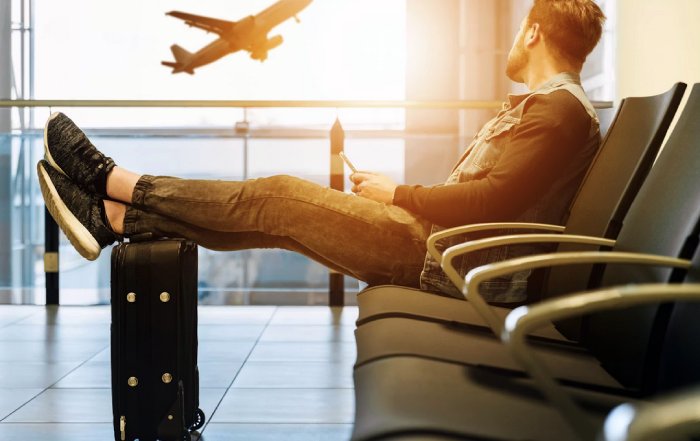
Business or Pleasure Travel - And How to Mix Them Effectively
The Maturing Era of Blended Travel
The convergence of business and leisure travel has moved from emerging trend to established norm, reshaping how professionals, families and organizations plan mobility worldwide. For the audience of WorldWeTravel.com, this evolution is not simply about adding a weekend to a work trip; it represents a deeper rethinking of how travel supports performance, well-being, family life and long-term career strategy. Across the United States, United Kingdom, Germany, Canada, Australia and other mature economies, hybrid and remote work structures have stabilized, while digital infrastructure has improved across Europe, Asia, Africa, South America and North America, enabling professionals to remain fully productive far beyond the traditional office or headquarters.
This environment has created a robust category of "blended travel" or "bleisure," in which a single itinerary is deliberately designed to serve both commercial and personal objectives. High-speed connectivity, cloud-based tools and more flexible corporate travel policies now allow a consultant to run a client workshop in London, spend a long weekend in Edinburgh, and then work remotely from Barcelona without interrupting project delivery. At the same time, employers are increasingly aware that professionals who integrate rest, culture and family time into their travel schedules are less likely to burn out and more likely to deliver sustained high performance. Readers can explore how these shifts intersect with broader travel dynamics and trends to better understand the new baseline for global mobility.
Why Blended Travel Has Become a Strategic Imperative
The forces driving blended travel are economic, technological and cultural, and by 2026 they have converged to make the model not just attractive but strategically compelling. In knowledge-based sectors in North America, Europe, Asia-Pacific and Singapore, organizations now recognize that the marginal cost of extending a long-haul business trip is often outweighed by the additional value that can be extracted. A flight from New York to Tokyo or from Frankfurt to Singapore is a substantial investment; adding a few days for additional client visits, internal workshops or strategic reflection can dramatically improve the return on that investment while giving the traveler time to adjust, recharge and explore. The World Travel & Tourism Council has documented how such patterns have supported the recovery and transformation of business travel in the mid-2020s; readers can follow broader industry developments at the World Travel & Tourism Council.
At the same time, consumer-facing platforms and corporate booking tools have grown more sophisticated, allowing travelers to combine multiple destinations, mixed purposes and varied accommodation types in a single, coherent plan. Large hotel groups, serviced apartment brands and alternative accommodation providers have launched extended-stay products, subscription-style offerings and co-working lounges that cater to guests who may spend their days on video calls and their evenings exploring local neighborhoods. For decision-makers using WorldWeTravel.com as a planning resource, this means that travel strategy can no longer be confined to flights and meeting rooms; it must account for well-being, cultural immersion and family needs alongside classic business objectives, with guidance available through the site's dedicated business travel insights.
Professional and Personal Benefits of Mixing Business and Leisure
The rationale for blended travel extends well beyond convenience. From a corporate perspective, integrating leisure and wellness into business trips can enhance creativity, improve decision quality and support talent retention. When executives or project teams have time to decompress and reflect between high-stakes meetings, they are more likely to generate innovative solutions and build stronger client relationships. Longstanding research summarized by Harvard Business Review has emphasized the link between rest and cognitive performance; readers who wish to explore these dynamics further can review perspectives on how recovery supports leadership effectiveness at Harvard Business Review.
On a personal level, professionals who can add meaningful experiences to their work travel tend to view mobility as a privilege rather than a burden. A manager who attends a conference in Munich and then spends a weekend hiking in the Bavarian Alps, or an analyst who schedules client visits in Toronto and stays on to explore Québec City with family, returns home with renewed energy rather than exhaustion. This has direct implications for mental health and resilience, priorities highlighted by organizations such as the World Health Organization, which has underscored the importance of work-life integration and psychological well-being in modern labor markets. Readers can learn more about mental health in professional environments at the World Health Organization. For the WorldWeTravel.com audience, blended travel is increasingly seen as a tool to align career progression, personal growth and family life in a coherent, sustainable way.
Policy, Compliance and Risk in a Blended World
As blended travel becomes mainstream, governance and compliance considerations have grown more complex. Corporate travel managers, HR leaders and legal teams must ensure that flexibility does not inadvertently create tax, immigration or regulatory exposure. A software engineer from Sweden who extends a business trip to South Africa to work remotely for several weeks may, depending on local law, create a taxable presence or trigger employment-law obligations for the employer. The Organisation for Economic Co-operation and Development (OECD) continues to refine guidance on cross-border tax issues and remote work; professionals can deepen their understanding of international frameworks at the OECD.
Clear internal policies are now essential. Organizations are differentiating between business days and personal days in itineraries, specifying which segments are reimbursable, how travel insurance applies, and what duty-of-care obligations extend into leisure periods. Data security policies must also adapt, given that employees may connect from hotels, co-working spaces or private rentals in Japan, Brazil or Thailand. For both employers and employees, WorldWeTravel.com serves as a practical companion, translating abstract policy issues into concrete scenarios and offering destination-specific context through its global coverage. By aligning personal plans with corporate expectations, travelers can enjoy expanded freedom without compromising compliance or risk management.
Building a High-Value Blended Itinerary
Effective blended travel does not happen by accident; it requires careful, front-loaded planning. Experienced travelers start by mapping non-negotiable professional commitments-client meetings, board sessions, site visits, industry events-and then identifying where leisure, wellness or family time can be integrated without diluting performance. A consultant traveling from Chicago to Paris might schedule key meetings midweek, reserve the arrival day for acclimatization and light administrative work, and allocate the weekend for cultural experiences such as visiting Montmartre, exploring museums or taking a short rail trip to Lyon or Brussels.
Destination choice is equally strategic. Cities such as London, Singapore, Tokyo, Sydney, Vancouver, Amsterdam, Zurich, Seoul, Barcelona and Copenhagen offer robust business ecosystems, efficient transport, strong digital infrastructure and a high quality of life, making them ideal hubs for blended trips. For professionals deciding where to anchor their travel, WorldWeTravel.com provides curated destination overviews that consider safety, cost, connectivity, seasonality and cultural depth. By matching professional objectives with personal interests-whether that means gastronomy in Italy, design in Denmark, or nature in New Zealand-travelers can design itineraries that advance both career goals and broader life aspirations.
Accommodation That Supports Work, Wellness and Longer Stays
The choice of accommodation often determines whether a blended trip feels seamless or fragmented. Professionals extending stays or working remotely from their destination need more than a standard room; they require reliable high-speed internet, ergonomic workspaces, soundproofing for calls, flexible common areas and amenities that support physical and mental health. In response, global hotel groups, serviced apartment providers and upscale hostels have introduced "work-from-hotel" concepts, co-working floors, wellness programs and longer-stay discounts tailored to blended travelers. Readers considering these options can explore hotel and lodging insights curated specifically for business and leisure integration.
In parallel, professionally managed apartments and extended-stay properties have become more prominent in markets such as Netherlands, Switzerland, South Korea, Canada and Australia, offering kitchens, laundry facilities and residential neighborhoods that can be especially attractive for trips involving partners or children. Industry organizations like the Global Business Travel Association (GBTA) track how these offerings are reshaping corporate travel programs and traveler expectations; those interested in broader patterns can learn more at the Global Business Travel Association. Selecting accommodation that reflects the length, purpose and composition of the trip enables travelers to maintain productivity while experiencing the destination more authentically.
Integrating Family into Business Travel Plans
One of the most significant changes since the early 2020s is the normalization of family-accompanied business travel. Professionals are increasingly willing to bring partners and children along when visiting destinations with strong healthcare systems, robust infrastructure and diverse cultural or educational attractions. Cities such as Toronto, Singapore, Munich, Stockholm, Oslo, Sydney and Wellington are often favored, as they combine business relevance with family-friendly amenities, parks, museums and safe public transport. For WorldWeTravel.com readers, the challenge is to structure itineraries that allow the traveling professional to remain fully effective while ensuring that accompanying family members have enriching, age-appropriate experiences.
Achieving this balance requires realistic scheduling and clear communication. Families may choose to arrive after the most intense workdays are complete, or remain for a dedicated leisure period once core meetings or conferences have concluded. The professional might block specific days or evenings for uninterrupted family time, while ensuring that critical calls or deliverables are scheduled when children are engaged in independent activities or supervised programs. WorldWeTravel.com supports this planning with family-focused travel guidance, helping readers evaluate school calendars, flight connections, neighborhood suitability and child-friendly accommodation. External organizations such as UNICEF provide additional insight on child health, safety and education in different regions, which can be explored at UNICEF. When thoughtfully designed, such trips can become formative experiences that deepen family bonds and expand children's global awareness.
Technology as the Backbone of Work-from-Anywhere
The viability of blended travel depends fundamentally on technology. By 2026, 5G and fiber networks are widely deployed across major urban centers in United States, United Kingdom, Germany, France, Spain, Italy, Japan, South Korea, Singapore and many other markets, while cloud-based collaboration platforms have become standard in corporate environments. This allows a project manager to join a virtual workshop from Bangkok, a strategist to present to a board from Cape Town, or a developer to push code from Lisbon, provided that corporate security protocols are respected. For those interested in how digital innovation intersects with mobility, WorldWeTravel.com offers technology-focused coverage that examines tools, infrastructure and emerging work patterns.
However, expanded connectivity also introduces cybersecurity risk. Organizations such as the National Institute of Standards and Technology (NIST) have issued detailed guidelines on secure remote work, emphasizing the importance of virtual private networks, multi-factor authentication, encryption and device management; business travelers can review best practices at NIST. Many employers now provide travel-specific devices, mandate the use of corporate VPNs and restrict the handling of sensitive data over public Wi-Fi. Travelers who understand and comply with these frameworks can confidently extend their stays or work from varied locations without compromising corporate assets or client confidentiality.
Health, Wellness and Human Sustainability
Blended travel is sustainable only if it supports the health of the traveler. Traditional business travel routines-tight connections, dense meeting schedules, poor sleep and limited movement-have long been associated with stress, metabolic risk and reduced cognitive function. In contrast, a well-structured blended itinerary can incorporate time for exercise, sleep adjustment, nutritious food and meaningful social interaction. Health authorities such as the Centers for Disease Control and Prevention (CDC) provide updated guidance on vaccinations, regional health risks and jet lag management; readers can access comprehensive travel health recommendations at the CDC.
In parallel, wellness-oriented retreats and experiences have become popular extensions to business trips. Executives may conclude a strategy offsite in Bangkok with a short mindfulness retreat in Northern Thailand, or add a weekend of hiking and spa treatments in New Zealand after client meetings in Auckland. Recognizing this demand, WorldWeTravel.com highlights retreat and wellness travel options that can be integrated before or after intensive work engagements. By deliberately building recovery into travel plans, professionals enhance their capacity to perform over the long term, transforming travel from a drain on resilience into a contributor to it.
Sustainability, Ethics and the Carbon Question
As blended travel becomes embedded in corporate and personal routines, its environmental and social implications require careful consideration. Air travel remains a significant source of greenhouse gas emissions, and extending trips can increase an individual's footprint if not managed thoughtfully. Institutions such as the Intergovernmental Panel on Climate Change (IPCC) and UN Environment Programme (UNEP) continue to stress the urgency of emissions reduction and more sustainable consumption patterns; those seeking to understand the science and policy context can consult the IPCC. For responsible travelers and organizations, this means prioritizing necessity, optimizing itineraries and investing in mitigation strategies.
Many companies now encourage combining multiple objectives into a single journey, choosing rail over air for regional travel in France, Germany, Netherlands, Switzerland, United Kingdom and other rail-rich markets, and selecting accommodations with credible environmental certifications. WorldWeTravel.com supports these efforts with eco-conscious travel insights, showcasing destinations, hotels and transport modes that align with lower-impact travel. In the corporate arena, initiatives promoted by the UN Global Compact offer frameworks for integrating climate and sustainability considerations into business strategy; readers can learn more about sustainable business practices at the UN Global Compact. By approaching blended travel through this lens, professionals can balance the benefits of mobility with a commitment to environmental and social responsibility.
Cultural Intelligence and Deeper Local Engagement
Blended travel offers a unique opportunity to develop cultural intelligence, an increasingly critical competency for leaders operating across Europe, Asia, Africa, South America and North America. When professionals extend their presence in cities such as Tokyo, Seoul, Johannesburg, Bangkok or Singapore, they gain time to move beyond conference centers and corporate offices, exploring local neighborhoods, attending cultural events and engaging with residents in more informal settings. This deeper exposure fosters empathy, adaptability and a more nuanced understanding of clients, partners and colleagues. WorldWeTravel.com supports this dimension with curated culture-focused content that explains local customs, etiquette and historical context.
Cultural organizations such as the UNESCO World Heritage Centre provide authoritative information on heritage sites and preservation efforts, enabling travelers to prioritize visits that contribute to both personal enrichment and local economies; those interested can explore world heritage destinations at UNESCO. By incorporating museums, historical landmarks, performing arts and community initiatives into their itineraries, blended travelers turn routine business trips into opportunities for genuine cross-cultural connection, strengthening both professional relationships and personal perspectives.
Practical Execution: From Concept to Reality
Turning the promise of blended travel into a consistent practice requires discipline, planning and self-awareness. Professionals must establish clear boundaries between work and leisure, communicate expectations to managers, clients and family members, and avoid the temptation to over-schedule every hour in a new destination. Time zone differences must be managed proactively, with realistic buffers for transit, rest and unforeseen delays. WorldWeTravel.com offers pragmatic travel tips and planning tools that help readers structure their days, choose appropriate workspaces and design itineraries that are ambitious yet achievable.
Financial clarity is equally important. Travelers need to understand what their employer will reimburse, separate business and personal expenses and keep accurate records for both corporate policy and personal tax purposes. External resources such as Investopedia provide guidance on budgeting for international trips, managing foreign exchange exposure and understanding the tax treatment of travel-related costs; those seeking financial insights can consult Investopedia. When combined with the destination, accommodation, health and cultural guidance available across WorldWeTravel.com, these practical steps allow professionals to execute blended travel strategies that are compliant, efficient and genuinely rewarding.
The Integrated Future of Work and Travel
Looking from 2026 into the decade ahead, the trajectory of blended travel suggests that work, lifestyle and mobility will continue to integrate, particularly in sectors where output is not tied to a specific location. Companies are experimenting with distributed teams, long-stay hubs in attractive destinations, and corporate retreats that merge strategic planning, wellness and cultural immersion. For the global audience of WorldWeTravel.com, this evolution offers both expanded opportunity and heightened responsibility: the opportunity to craft careers and family lives that are more global, flexible and fulfilling, and the responsibility to travel in ways that respect health, sustainability, local communities and regulatory frameworks.
As economic conditions, geopolitical realities and technological capabilities evolve across United States, United Kingdom, Germany, Canada, Australia, France, Italy, Spain, Netherlands, Switzerland, China, Sweden, Norway, Singapore, Denmark, South Korea, Japan, Thailand, Finland, South Africa, Brazil, Malaysia, New Zealand and beyond, the ability to adapt travel practices will become a core professional skill. WorldWeTravel.com will continue to serve as a trusted partner in this environment, integrating insights on work and mobility, global economic context, health, technology, culture and destinations into a single, authoritative platform at WorldWeTravel.com. By approaching blended travel with intention, expertise and an ethical mindset, today's professionals can transform the old question of "business or pleasure" into a coherent, sustainable and enriching way of life.