

Health and Nature Tourism Trends in France
France's Evolving Tourism Identity in a Health-Conscious World
France has moved decisively beyond its traditional image as a destination defined primarily by museums, monuments, and Michelin-starred restaurants, and is increasingly recognized as a global leader in health and nature tourism. For the international audience of WorldWeTravel.com, which includes business decision-makers, frequent travelers, and families from the United States, United Kingdom, Germany, Canada, Australia, France, and other major markets across Europe, Asia, Africa, and North and South America, France now offers a sophisticated case study in how a mature tourism economy can pivot toward wellbeing, sustainability, and experiential depth without diluting its cultural identity. As travelers in 2026 continue to prioritize physical health, mental resilience, and meaningful contact with the natural world, France's strategy has become highly relevant for those planning both leisure and business travel through the WorldWeTravel travel hub.
The post-pandemic years accelerated a global rethinking of why people travel and what they expect from their time away from home. Instead of simply visiting iconic attractions, many travelers now seek restorative journeys that help them manage stress, prevent illness, and reconnect with nature in ways that are both evidence-based and emotionally rewarding. France, with its extensive protected landscapes, advanced healthcare infrastructure, and deep-rooted spa and thermal traditions, has responded by consolidating these strengths into a coherent health-and-nature value proposition that resonates across age groups and income segments. Families, remote professionals, and corporate travelers who follow WorldWeTravel's destination insights are increasingly looking to France not just for culture and cuisine, but as a place where travel can actively contribute to long-term wellbeing and work-life balance.
Strategic Foundations: How France Built a Health and Nature Advantage
France's rise in health and nature tourism in 2026 is the outcome of deliberate strategy rather than a short-term reaction. Over the past decade, national and regional authorities have recognized that long-term competitiveness depends on diversifying away from overcrowded city centers and peak-season tourism, while also responding to growing public concern about health, climate, and quality of life. Atout France, the national tourism development agency, has embedded wellness, nature immersion, and sustainable travel into its long-term vision, aligning public investment, regional branding, and private-sector partnerships around these themes. Interested readers can explore this evolving positioning through France's official tourism portal, which increasingly highlights wellness retreats, outdoor activities, and eco-responsible stays alongside cultural icons such as Louvre Museum and Mont-Saint-Michel.
This strategic shift has unfolded against a backdrop of structural changes in global demand. Younger professionals from markets like the United States, United Kingdom, Germany, Netherlands, and Singapore have embraced hybrid work, allowing them to stay longer in destinations that support productivity, fitness, and psychological wellbeing. At the same time, aging populations in Europe, Japan, South Korea, and North America are driving demand for medically supervised programs, rehabilitation stays, and preventive health check-ups. France's healthcare system, regularly ranked among the world's most effective by institutions such as the World Health Organization, provides a robust foundation for this trend. Those who wish to explore comparative health system performance can review global indicators on the World Health Organization website.
For the editorial team at WorldWeTravel.com, which connects insights across travel, health, and work, France now stands out as a benchmark for how a destination can integrate healthcare expertise, environmental stewardship, and high-quality hospitality into a unified offering that appeals to both high-spend wellness seekers and value-conscious families.
From Thermal Baths to Holistic Retreats: A Modern Wellness Landscape
France's modern health tourism sector is firmly rooted in centuries of spa culture, yet has evolved dramatically in scope and sophistication. Historic thermal towns in the Alps, Pyrenees, and Massif Central, along with coastal thalassotherapy centers in Brittany, Normandy, and along the Atlantic and Mediterranean coasts, have long attracted visitors from Germany, Switzerland, Italy, and the United Kingdom seeking relief from respiratory, dermatological, and musculoskeletal conditions. What distinguishes 2026 from earlier decades is the integration of these traditions with preventive medicine, sports science, nutrition, and mental health disciplines, transforming classic spa stays into comprehensive wellness journeys.
Leading institutions and brands, including Thermes Marins de Saint-Malo, Evian Resort, and spa facilities associated with groups such as Accor and Relais & Châteaux, now offer multi-day or multi-week programs that combine hydrotherapy, diagnostic screenings, personalized meal plans, sleep optimization, and guided nature immersion. Many centers utilize digital diagnostics and remote monitoring tools, ensuring continuity of care before and after a stay and enabling guests to track tangible improvements in metrics such as stress levels, cardiovascular fitness, and sleep quality. Business readers interested in the global context of this evolution can learn more about how wellness is reshaping travel through research from the Global Wellness Institute.
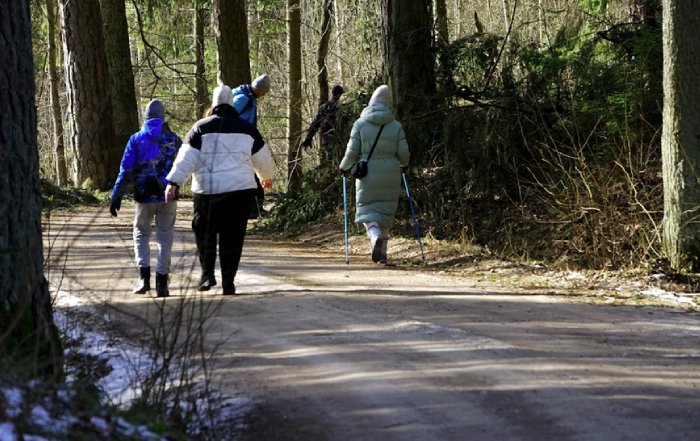
Parallel to the spa renaissance, forest-based wellness has become a distinctive feature of France's nature tourism. Inspired by the Japanese practice of shinrin-yoku, or forest bathing, French practitioners refer to "sylvothérapie," emphasizing slow, mindful immersion in woodland environments. National parks such as Parc National des Cévennes, along with regional nature parks like Parc Naturel Régional du Morvan, have developed structured forest immersion experiences that combine gentle hiking, breathing exercises, mindfulness practices, and sensory awareness activities. These programs are particularly attractive to stressed professionals from major urban centers in France, the UK, Germany, Netherlands, and Scandinavia who are seeking a counterbalance to digital overload and high-pressure work environments. Readers exploring restorative travel options beyond France can consult WorldWeTravel's global section, where forest-based wellness and nature immersion are tracked as rising global trends.
Protected Landscapes as Health Infrastructure
One of France's most powerful assets in health and nature tourism is its extensive network of protected landscapes, which function not only as conservation zones but also as a form of "health infrastructure" for both residents and visitors. National parks, marine reserves, and regional nature parks across Alps, Pyrenees, Corsica, Provence, Occitanie, and Nouvelle-Aquitaine provide diverse environments for physical activity, mental restoration, and nature-based learning. The French Ministry for Ecological Transition and organizations such as Parcs nationaux de France have increasingly framed these areas as essential to long-term public health resilience, emphasizing the role of clean air, biodiversity, and access to outdoor recreation in preventing chronic disease and supporting mental health. For those interested in the broader relationship between protected areas and human wellbeing, resources from the International Union for Conservation of Nature offer valuable context.
In practice, this means that health and nature tourism in France extends far beyond traditional spa towns. Mountain regions host year-round programs that range from low-impact winter sports combined with spa and physiotherapy, to summer hiking, cycling, and altitude training camps designed for both amateurs and elite athletes. Coastal and riverine areas provide opportunities for gentle water-based activities, from stand-up paddleboarding and coastal walking to cold-water immersion programs that are increasingly framed as tools for improving circulation and resilience. Families planning multi-generational trips through WorldWeTravel's family travel section are discovering that these landscapes allow grandparents to access medical or spa treatments while children engage in outdoor education, adventure sports, and nature workshops in the same region, thereby turning a holiday into a shared wellbeing experience.
Medical, Preventive, and Corporate Health Tourism in 2026
By 2026, France has strengthened its position in more specialized forms of health tourism that go beyond leisure-focused wellness. The country's regulated healthcare system, internationally recognized hospitals, and strong research base have encouraged the development of medical-adjacent tourism, where visitors integrate check-ups, diagnostics, and rehabilitation into broader wellness itineraries. Institutions such as Hôpital Américain de Paris, Institut Pasteur, and INSERM support a reputation for scientific rigor and clinical excellence, attracting patients and wellness travelers from North America, Middle East, Asia, and across Europe. Those evaluating cross-border healthcare options can consult comparative data on the OECD health statistics portal.
Preventive health tourism has grown particularly rapidly. Many French clinics and wellness resorts now offer structured programs that include cardiovascular and metabolic screening, sleep analysis, physiotherapy, nutritional counseling, and stress management coaching, often delivered in partnership with sports physicians and psychologists. These programs draw on evidence-based guidelines from organizations such as the World Health Organization and European professional societies, while using France's culinary and cultural heritage to demonstrate that healthy living can be pleasurable and sustainable. Travelers interested in preventive health guidance can review educational materials from the U.S. Centers for Disease Control and Prevention, and then translate those principles into practice within a French wellness setting.
Corporate health tourism has become another strong growth pillar. Companies from Germany, Switzerland, the Nordic countries, United States, Canada, and Asia-Pacific are increasingly sending executives and teams to France for burnout-prevention retreats, leadership programs, and offsites that combine strategic work sessions with structured wellbeing interventions. Typical corporate programs include comprehensive health assessments, resilience training, digital detox periods, and guided outdoor activities in regions such as the Alps, Basque Country, Provence, or Brittany, supported by facilities that enable hybrid work. For organizations considering how to integrate such initiatives into their duty-of-care strategies and talent retention plans, WorldWeTravel's business travel section provides frameworks for aligning corporate mobility with employee wellbeing.
Technology and Data: Personalizing the Wellbeing Journey
In 2026, technology plays a central role in shaping health and nature tourism in France, enabling a level of personalization and measurability that was not possible a decade ago. The country's innovation ecosystem, supported by organizations like Bpifrance and La French Tech, has fostered a wave of health-tech and travel-tech startups that collaborate with hotels, clinics, and destination management organizations. These firms develop platforms that integrate booking, health data collection, teleconsultations, and on-site program management, creating seamless experiences for international visitors. Business readers can explore how these developments fit into broader travel innovation trends via WorldWeTravel's technology coverage.
Wearables and connected devices have become standard tools in many French wellness retreats. Guests often arrive with smartwatches or health trackers that monitor sleep quality, heart rate variability, activity levels, and stress indicators, and these data streams are integrated into personalized programs overseen by medical or wellness professionals. Resorts in Auvergne, Occitanie, Nouvelle-Aquitaine, and Provence-Alpes-Côte d'Azur are partnering with sports laboratories and digital health providers to offer performance camps and recovery programs backed by robust analytics, appealing to both amateur athletes and health-conscious executives. Telemedicine has become a key enabler for international visitors from Australia, New Zealand, Singapore, Japan, and Brazil, who can now receive pre-travel consultations, adjust medications, and schedule follow-up appointments without additional trips to France. For a high-level view of how digital health is transforming global care models, readers may refer to analyses from the World Economic Forum.
Eco-Conscious Wellness: Aligning Health with Sustainability
Health and nature tourism in France is deeply intertwined with sustainability, reflecting a broader shift in traveler expectations and regulatory frameworks. Visitors from Scandinavia, Netherlands, Germany, United Kingdom, Canada, and United States increasingly view environmental impact as inseparable from personal wellbeing, preferring destinations and providers that demonstrate credible commitments to carbon reduction, biodiversity protection, and social responsibility. French policymakers and industry leaders recognize that the long-term viability of wellness tourism depends on the integrity of the ecosystems that underpin it, and have therefore aligned health-focused offerings with national climate and biodiversity goals.
Across regions such as Brittany, Corsica, Alsace, Occitanie, and Provence, wellness hotels, eco-lodges, and nature retreats are investing in renewable energy systems, water-saving technologies, waste reduction programs, and short supply chains that prioritize local, seasonal, and organic products. Many properties pursue certifications such as Green Key, EU Ecolabel, or ISO 14001, and align with frameworks promoted by organizations like the UN World Tourism Organization, whose sustainability resources can be explored through the UNWTO website. For the WorldWeTravel.com audience, which follows developments in eco-conscious travel, France's integration of environmental stewardship into wellness design is especially instructive. Menus emphasize plant-forward cuisine rooted in regional traditions; outdoor activities are curated to minimize disturbance to wildlife; and guest education programs explain how personal health is linked to planetary health, reinforcing a sense of shared responsibility.
Economic and Social Impacts Across French Regions
From an economic standpoint, health and nature tourism has become a strategic lever for regional development in France. Rural and semi-rural areas that once struggled with seasonality or declining traditional industries have been able to reposition themselves as year-round wellness and nature destinations, attracting higher-yield visitors and encouraging longer stays. Mountain regions in the Alps and Pyrenees, volcanic landscapes in Auvergne, vineyards in Burgundy, and river valleys in Occitanie and Loire have all seen new investments in wellness retreats, eco-hotels, and activity-based lodges, often developed in collaboration with local communities and small businesses.
French economic institutions such as France Stratégie and Banque de France have highlighted wellness and sustainable tourism as drivers of balanced growth, helping to reduce pressure on over-visited cities like Paris while revitalizing smaller towns and villages. International organizations, including the World Bank and International Monetary Fund, have also noted the resilience of tourism segments that align with long-term demographic and social trends, such as aging populations and rising health awareness. For WorldWeTravel.com, which follows tourism's macroeconomic implications through its economy coverage, France's experience illustrates how health and nature tourism can contribute not only to visitor satisfaction but also to employment, innovation, and regional cohesion.
Socially, health and nature tourism has encouraged a renewed appreciation of local heritage and craftsmanship. Many wellness retreats integrate regional products such as herbal infusions, essential oils, organic wines, and artisanal foods, thereby strengthening local value chains and preserving traditional knowledge. Cultural experiences-ranging from cooking classes and vineyard visits to music festivals and artisan workshops-are increasingly framed as part of holistic wellbeing, emphasizing connection, meaning, and community alongside physical health. Readers interested in how culture and wellness intersect in travel can explore dedicated analyses in WorldWeTravel's culture section, where France frequently appears as a reference point.
Hospitality Standards: Wellness as the New Baseline
The French hospitality sector has adapted rapidly to these trends, making wellness and nature access a baseline expectation rather than a niche add-on. Urban hotels in Paris, Lyon, Marseille, Bordeaux, Nice, and Toulouse have expanded fitness facilities, upgraded bedding and air quality systems, and introduced menus that cater to dietary needs without sacrificing gastronomic appeal. Many properties now offer access to nearby parks, riverside paths, or urban nature experiences, recognizing that business travelers and conference attendees increasingly expect opportunities for movement and decompression during their stay.
In parallel, rural and coastal properties-ranging from luxury resorts and boutique guesthouses to agriturismo-style farms and eco-lodges-are differentiating themselves through immersive wellness packages. These often bundle accommodation, guided outdoor activities, spa treatments, and nutrition workshops into coherent journeys that relieve travelers of the burden of planning each element separately. International brands such as Accor have expanded wellness-focused concepts across their portfolios, while independent properties affiliated with Relais & Châteaux and similar groups emphasize authenticity, locality, and personalized care. Travelers comparing options for wellness-oriented stays can consult WorldWeTravel's hotels resource, where French properties are increasingly evaluated on their health, sustainability, and service standards.
Practical Considerations for Health and Nature Travelers
For international visitors considering France as a health and nature destination in 2026, practical factors remain central to successful planning. France's extensive high-speed rail network, including TGV and InOui services linking Paris with regional centers such as Lyon, Marseille, Bordeaux, Lille, Strasbourg, and Rennes, makes it possible to access nature-rich areas with minimal reliance on domestic flights, aligning with both environmental and health priorities. Major airports such as Paris-Charles de Gaulle, Paris-Orly, Nice Côte d'Azur, and Lyon-Saint Exupéry maintain strong connections to North America, Asia, Middle East, and Africa, ensuring global accessibility.
Health and safety standards remain high, with agencies such as Santé publique France overseeing public health monitoring, clinical quality, and emergency preparedness. Travelers are advised to consult up-to-date recommendations on vaccinations, environmental risks, and travel health considerations through reputable sources such as the European Centre for Disease Prevention and Control, as well as their own national health authorities, before booking medical or wellness programs. For a consolidated view of health-related travel considerations, the editorial team at WorldWeTravel.com maintains a dedicated health section that distills global best practices for safe and informed travel.
Planning a health or nature-focused trip often requires more specialized guidance than conventional tourism. Insurance coverage for medical procedures, accreditation of clinics and wellness centers, language support, and follow-up care are all critical considerations. Corporate travel managers integrating wellbeing into mobility policies will find that France offers a wide range of accredited providers and venues suited to executive retreats, leadership programs, and team offsites. For organizations aligning travel with evolving models of hybrid work and employee wellbeing, WorldWeTravel's work hub offers strategic perspectives and case examples that frequently feature French destinations.
France's Position in Global Health and Nature Tourism
As of 2026, France occupies a distinctive position in the global health and nature tourism landscape. It combines a world-class healthcare system, diverse and well-managed natural environments, a sophisticated hospitality industry, and a cultural ethos that values balance, gastronomy, and art de vivre. Rather than marketing itself simply as a place to rest or recover, France presents itself as a destination where visitors can recalibrate their lifestyles, develop healthier routines, and renew their connection with nature in ways that endure long after they return home.
For the global readership of WorldWeTravel.com, which includes families, solo professionals, digital nomads, and corporate leaders from United States, Canada, United Kingdom, Germany, Netherlands, Sweden, Norway, Denmark, Singapore, Japan, South Korea, Brazil, South Africa, Malaysia, Thailand, New Zealand, and beyond, France offers a compelling combination of accessibility, quality, and depth. A family from Canada might spend a summer in the Alps, blending hiking and children's nature camps with spa days for grandparents; a technology firm from Singapore could host a leadership retreat in Provence, integrating strategic workshops with digital detox and Mediterranean wellness; an executive from the United States may combine a comprehensive medical assessment in Paris with a week-long retreat in Corsica focused on stress management and outdoor activity.
As travelers worldwide reassess the purpose and impact of their journeys, France's evolving model demonstrates how destinations can create value by aligning economic development with human wellbeing and environmental responsibility. For those planning their next trip through WorldWeTravel.com, and exploring themes across destinations, economy, and sustainability, France now stands as one of the clearest examples of how health, nature, and culture can be woven into a coherent and trusted tourism proposition for 2026 and beyond.