

Technology Innovations Reshaping Travel Across the United States in 2026
A New Era of Intelligent, Connected Travel
By 2026, travel across the United States has entered a mature phase of digital transformation in which technology is no longer perceived as an optional layer of convenience but as the structural backbone of how people move, stay, work, and connect. The American travel ecosystem has evolved from fragmented mobile apps and basic booking engines into an integrated environment powered by artificial intelligence, biometric identity, predictive analytics, and low-carbon mobility solutions. For the global community of executives, families, and frequent travelers who rely on WorldWeTravel.com as a strategic guide, this shift has fundamentally changed how journeys are planned, experienced, and evaluated, both within the United States and across key corridors linking the country to the United Kingdom, Germany, Canada, Australia, Singapore, Japan, and other major markets.
This transformation has unfolded against a backdrop of macroeconomic uncertainty, shifting labor markets, and heightened expectations around health, sustainability, and data privacy. The travel industry's recovery from the pandemic era has coincided with widespread adoption of cloud infrastructure, 5G connectivity, and advanced analytics, enabling travel providers to operate with greater agility and resilience. At the same time, travelers have become more discerning, expecting experiences that are not only efficient and safe but also personalized, culturally rich, and environmentally responsible. Readers who follow global and regional developments through the economic perspectives offered on WorldWeTravel's economy insights recognize that U.S. travel innovation is tightly connected to broader shifts in productivity, consumer confidence, and investment in digital infrastructure across North America, Europe, and Asia.
For WorldWeTravel.com, which curates perspectives across destinations, business travel, family journeys, and global trends, the United States has become both a laboratory and a benchmark. The technologies being tested and scaled in American airports, hotels, and cities increasingly influence expectations in London, Berlin, Toronto, Sydney, Singapore, and beyond, and the decisions made by U.S. regulators, investors, and platform providers are shaping the next generation of travel experiences worldwide.
AI-Driven Trip Planning and the Rise of Predictive Travel Intelligence
The most visible expression of this new era is the evolution of trip planning from static search and comparison into a dynamic, AI-driven process that anticipates disruptions, preferences, and constraints in real time. Travel platforms now ingest vast streams of data, including historical booking patterns, airline and rail performance statistics, weather forecasts, event calendars, and even macroeconomic indicators, to propose itineraries optimized not only for price but also for reliability, carbon impact, and traveler wellbeing. Methodologies similar to those highlighted by McKinsey & Company in their analyses of AI applications in travel and tourism have moved from pilot projects into mainstream products, enabling both leisure and corporate travelers to rely on recommendation engines that behave more like experienced human advisors than simple search tools.
For families planning complex multi-stop trips that span U.S. national parks, coastal drives, or cultural circuits through cities such as Boston, New York, Washington, D.C., and Charleston, intelligent planning tools integrated with WorldWeTravel's travel guidance can now synthesize diverse constraints, such as school holidays, accessibility needs, and budget ceilings, while also surfacing experiences aligned with interests in history, food, or outdoor adventure. These systems increasingly draw on open datasets from the U.S. Department of Transportation's Bureau of Transportation Statistics, which provides granular information on delays, capacity, and on-time performance, enabling algorithms to favor routes and hubs that minimize the risk of missed connections and cascading disruptions.
For corporate travelers and their employers, predictive intelligence has become a strategic asset. Travel management platforms used by multinational organizations operating between the United States, the United Kingdom, Germany, Singapore, and Japan are now capable of simulating different travel policies, forecasting cost and emissions implications, and flagging itineraries that pose heightened disruption or health risks. Conversational interfaces, supported by large language models and governed under responsible AI frameworks aligned with principles promoted by the World Economic Forum in its work on responsible AI and digital trust, allow travelers to refine itineraries through natural language, ask for rationale behind recommendations, and understand trade-offs between speed, comfort, and sustainability. For the audience of WorldWeTravel.com, this shift has elevated trip planning from a transactional task into a strategic decision process that can be aligned with personal values and corporate priorities.
Seamless Mobility Through Biometrics and Secure Digital Identity
Parallel to the rise of AI-driven planning, the physical experience of moving through airports, rail stations, and borders in the United States has been transformed by biometric and digital identity technologies. Programs such as TSA PreCheck and Global Entry, administered by the Transportation Security Administration and U.S. Customs and Border Protection, have expanded their capabilities to include facial recognition and secure mobile identity credentials, implemented in accordance with guidance from the National Institute of Standards and Technology, whose digital identity guidelines have become a reference for both public and private sector deployments.
In many major U.S. hubs, travelers can now progress from curb to gate with minimal friction, using biometric kiosks at check-in, automated bag drops, and facial recognition at security checkpoints and boarding gates. These systems, developed in collaboration with airlines and airport authorities, are designed to reduce queues, enhance security, and limit physical document handling, a priority that was accelerated by pandemic-era health concerns. Industry bodies such as the International Air Transport Association have continued to promote One ID and contactless travel standards, and U.S. implementations increasingly interoperate with systems in Canada, the United Kingdom, and selected European and Asian markets, creating a more consistent experience for international travelers.
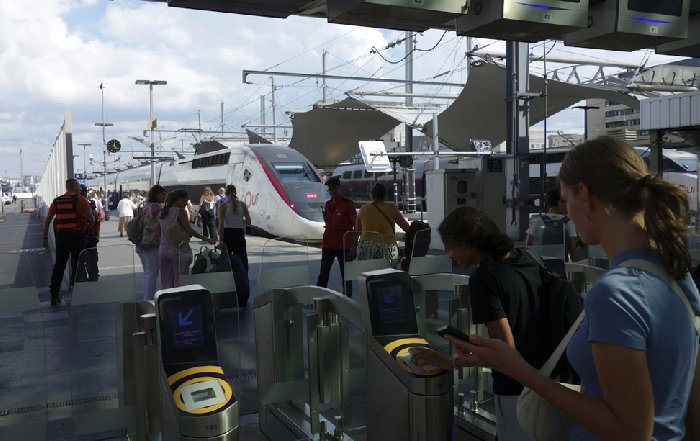
Beyond the airport, U.S. cities have embraced digital ticketing and contactless payments for public transit and regional rail, drawing on the experience of networks such as Transport for London, Deutsche Bahn, and Metra in Chicago. Open-loop payment systems, supported by guidance from the Federal Transit Administration and informed by best practices shared by the International Association of Public Transport through its public transport innovation resources, enable visitors to tap contactless bank cards or digital wallets directly at turnstiles in cities including New York, Boston, San Francisco, and Los Angeles. For readers designing multi-modal itineraries that combine flights, intercity rail, and urban mobility, WorldWeTravel.com emphasizes how these interoperable systems can reduce friction, lower the cognitive load of navigating unfamiliar networks, and support more sustainable mode choices.
Smart Hotels, Data-Driven Hospitality, and the Connected Guest
The U.S. hospitality sector has continued its rapid embrace of digital transformation, with smart hotels deploying Internet of Things devices, cloud-based property management systems, and AI-driven guest engagement platforms to create more personalized, efficient, and secure stays. Global brands such as Marriott International, Hilton, Hyatt, and Accor have refined their mobile ecosystems to support fully digital journeys from booking to checkout, including mobile keys, in-app room controls, real-time service requests, and integration with loyalty programs. Consulting and advisory organizations like Deloitte have documented these trends in their work on digital hospitality innovation and the future of the guest experience, highlighting how data and automation are reshaping operations and expectations.
For travelers arriving late into cities such as Seattle, Denver, Miami, or Austin, the ability to bypass the front desk, access rooms via smartphone, and tailor lighting, temperature, and entertainment preferences based on saved profiles has become an accepted norm rather than a novelty. Behind the scenes, hotels use analytics to optimize housekeeping schedules, predictive maintenance, and energy management, reducing operating costs while supporting environmental goals. Independent boutique properties and regional chains, many of which are featured in WorldWeTravel's hotel coverage, have gained access to similar capabilities through software-as-a-service platforms, enabling them to compete on digital experience while preserving distinctive local character.
From a corporate perspective, travel buyers and risk managers have become more rigorous in evaluating how hotels handle data security, health protocols, and sustainability commitments. The Global Business Travel Association, through its resources on safe and sustainable business travel, has encouraged organizations to embed duty-of-care, cyber resilience, and carbon reporting into their accommodation policies. As a result, properties that can demonstrate robust cybersecurity practices, transparent environmental metrics, and flexible work-friendly amenities are increasingly favored in corporate programs. For readers using WorldWeTravel.com to align travel choices with business objectives, these developments reinforce the importance of viewing hotel selection as a strategic decision that influences employee wellbeing, brand reputation, and ESG performance.
Technology, Sustainability, and the Low-Carbon Travel Transition
Sustainability has moved to the center of travel strategy in the United States, and technology plays a pivotal role in enabling lower-carbon choices without sacrificing accessibility or economic viability. The rapid expansion of electric vehicle adoption, supported by federal and state incentives and a nationwide build-out of charging infrastructure, has made it feasible for travelers to undertake long-distance road trips across California, the Pacific Northwest, the Northeast Corridor, the Great Lakes, and parts of the Southeast in electric cars. Navigation platforms now offer EV-specific routing with real-time charger availability and pricing, drawing on open data initiatives and standards promoted by the U.S. Department of Energy's Alternative Fuels Data Center, which provides comprehensive information on charging networks and alternative fuel options.
In aviation, U.S. and international airlines have intensified their investments in sustainable aviation fuel, fleet renewal, and operational efficiency, aligned with commitments coordinated through the International Civil Aviation Organization, which outlines global aviation environmental initiatives. Flight operations systems use advanced analytics to optimize trajectories, reduce contrail-forming conditions, and enhance load factors, while consumer-facing platforms increasingly display emissions data at the booking interface. Tools inspired by approaches used in Google's sustainability and travel resources allow travelers to compare the relative carbon impact of different routes and fare types, encouraging modal shifts and itinerary adjustments where feasible.
Within cities and regions, integrated mobility platforms support the transition toward more sustainable urban travel by coordinating public transit, bike-share, e-scooters, and pedestrian-friendly infrastructure. Organizations such as the World Resources Institute document best practices in transforming transportation for climate and equity, and these insights are increasingly reflected in U.S. initiatives from Portland and Minneapolis to Atlanta and Charlotte. For travelers who prioritize environmental responsibility, WorldWeTravel.com has expanded its coverage of eco-conscious travel strategies, demonstrating how technology can enable itineraries that combine rail, transit, and active mobility in ways that are practical for families, business travelers, and remote professionals alike.
Health, Safety, and Digital Wellbeing in a Post-Pandemic World
The experience of the COVID-19 pandemic continues to shape traveler expectations around health and safety, and by 2026, digital tools for health management have become embedded in nearly every stage of the journey. Airlines, hotels, and tour operators have institutionalized enhanced air filtration, cleaning protocols, and contactless service models, while travelers rely on mobile apps to manage vaccination records, insurance documentation, and local health advisories. Public health authorities such as the Centers for Disease Control and Prevention maintain updated travel health guidance, and these resources are increasingly integrated into booking engines and itinerary management platforms so that travelers are alerted to vaccination requirements, outbreak information, or environmental health risks before confirming a trip.
Wearables and wellness applications have expanded beyond basic fitness tracking to provide personalized recommendations for managing jet lag, sleep quality, and stress during intensive travel schedules. Drawing on evidence-based frameworks from organizations like the World Health Organization, which provides resources on travel health and disease prevention, these tools adjust advice dynamically based on flight times, time zones, biometric indicators, and historical responses. For executives commuting frequently between New York, London, Singapore, and Tokyo, or for consultants and entrepreneurs who combine domestic U.S. travel with international engagements, such guidance has become integral to maintaining performance and long-term wellbeing.
Telemedicine platforms and digital insurance services further enhance traveler security by providing rapid access to clinical expertise, prescription support, and emergency coordination in unfamiliar locations. This is particularly important for families traveling with children or older relatives, a segment that turns often to WorldWeTravel's family travel resources for practical advice. The ability to consult pediatric or specialist care remotely, understand local healthcare capacity, and receive targeted safety alerts can influence destination choice and trip design, especially when exploring remote national parks, coastal regions, or rural areas where medical facilities may be limited.
Remote Work, Bleisure, and the Redefinition of Travel Purpose
The normalization of remote and hybrid work across the United States, Europe, and Asia has redefined the purpose and patterns of travel, giving rise to a sustained wave of "bleisure" and work-from-anywhere lifestyles. High-quality connectivity, cloud collaboration tools, and secure remote access solutions have made it possible for professionals to remain fully productive from hotels, serviced apartments, coworking spaces, and even long-term rentals in mountain towns, beach communities, or wine regions. Studies from organizations such as PwC on the future of work, mobility, and upskilling indicate that companies are increasingly formalizing policies that support location flexibility, provided that cybersecurity, tax, and labor law considerations are managed carefully.
Hospitality providers in the United States have responded by reconfiguring rooms and public spaces for work, adding ergonomic furniture, enhanced soundproofing, enterprise-grade Wi-Fi, and access to meeting rooms or hybrid event capabilities. Many properties now market weekly or monthly packages that blend accommodation, workspace, and local experiences, encouraging guests to extend stays and integrate leisure into work trips. For professionals and entrepreneurs who rely on WorldWeTravel.com to navigate work-travel integration, this evolution has opened new possibilities for multi-week residencies in cities such as Austin, Nashville, Raleigh, and Denver, as well as in less traditional hubs like Bend, Asheville, or Santa Fe.
Digital nomadism, once associated primarily with Southeast Asia, Southern Europe, or Latin America, has gained traction in North America as well, supported by regional incentive programs, flexible housing models, and the proliferation of coworking and co-living spaces. Policy discussions informed by organizations such as the OECD, which explores digitalization, tourism, and regional development, have encouraged U.S. cities and states to consider how attracting mobile talent can contribute to innovation ecosystems and local economies. For the global readership of WorldWeTravel.com, these developments illustrate how travel, work, and lifestyle decisions are becoming increasingly intertwined, and how technology serves as the connective tissue that makes such flexibility viable.
Cultural Depth and Digital Storytelling Across American Regions
As transactional aspects of travel have become more automated, there is growing emphasis on using technology to deepen cultural engagement and support more meaningful experiences across the diverse regions of the United States. Augmented reality applications, location-aware storytelling platforms, and digital museum guides allow visitors to explore layered narratives in cities such as New Orleans, Boston, Philadelphia, and San Antonio, as well as in Indigenous heritage sites, civil rights landmarks, and immigrant neighborhoods from New York's boroughs to Los Angeles and Chicago. Institutions such as the Smithsonian have pioneered digital outreach through virtual exhibits and learning resources, and similar models have been adopted by regional museums and cultural organizations to enrich on-site visits and reach international audiences.
Real-time translation tools and language technologies have further lowered barriers for visitors from countries including Japan, South Korea, China, Brazil, France, Italy, Spain, and the Netherlands, enabling more confident interaction with local services, menus, and public information, even in smaller towns or rural communities. Platforms that connect travelers with local guides, artisans, and small businesses help distribute tourism benefits more equitably and preserve authenticity, aligning with principles long advocated by UNESCO in its work on cultural heritage protection and sustainable tourism. These approaches encourage travelers to move beyond iconic attractions and engage with living cultures, regional cuisines, and community-led initiatives.
For the audience of WorldWeTravel.com, which values both efficiency and experiential richness, this convergence of technology and culture underscores that digital tools need not create distance between travelers and destinations. Instead, as highlighted in the platform's coverage of cultural travel narratives, well-designed digital experiences can act as gateways that prompt curiosity, contextualize history, and facilitate respectful interaction, whether a visitor is exploring jazz heritage in Louisiana, Indigenous art in the Southwest, or contemporary design and technology scenes in cities such as San Francisco, Seattle, and New York.
Strategic Considerations for Travelers, Businesses, and Policy Makers
The technological innovations reshaping travel across the United States in 2026 carry significant strategic implications for individual travelers, corporate decision makers, and public authorities. For travelers, the ubiquity of digital tools-from biometric identity and cloud-stored itineraries to connected wearables and smart hotel rooms-demands a higher level of digital literacy and awareness of data privacy. Resources from organizations such as the Cybersecurity and Infrastructure Security Agency, which offers guidance on secure travel and mobile device practices, are increasingly relevant, particularly for those who travel frequently for work or manage sensitive information on the move.
For businesses, travel has evolved from a discretionary expense to a strategic lever for talent attraction, relationship building, and innovation, provided it is aligned with sustainability, health, and diversity objectives. Companies that integrate travel technology into their broader digital transformation strategies, adopt transparent policies on data use and carbon reporting, and equip employees with the skills to navigate complex digital ecosystems will be better positioned to compete in a global marketplace where face-to-face interactions are more selective but remain critical. By following analysis on technology trends in travel and related economic and workforce dynamics on WorldWeTravel.com, corporate leaders can benchmark their approaches against emerging best practices in North America, Europe, and Asia.
For policy makers and destination managers, the challenge is to ensure that the benefits of travel innovation are broadly shared and that digital divides do not deepen inequalities between large hubs and smaller communities, or between digitally fluent travelers and those with limited access to advanced devices and networks. Frameworks from organizations such as the World Tourism Organization (UNWTO), which explores tourism and digital transformation, offer guidance on how to balance innovation with inclusivity, resilience, and cultural and environmental stewardship. Investment in open data, interoperable systems, and public-private collaboration will determine whether the next phase of travel technology enhances connectivity and opportunity across the United States or reinforces existing disparities.
In this context, WorldWeTravel.com positions itself as more than a source of destination inspiration; it serves as a trusted partner helping travelers, businesses, and policy leaders navigate the intersection of mobility, technology, health, sustainability, and work. By curating insights across destinations and travel planning, practical tips for smarter journeys, and in-depth analysis of global trends, the platform reflects a core conviction that technology, when deployed thoughtfully and ethically, can make travel across the United States not only faster and more efficient, but also more sustainable, more inclusive, and ultimately more human.