

UNESCO World Heritage: A Strategic Guide for Global Travelers and Businesses
Humanity's most remarkable cultural achievements and natural landscapes are increasingly central to how individuals, families, and organizations choose to travel, invest, and work. In 2026, the UNESCO World Heritage program has become more than a catalog of extraordinary sites; it is a global framework that shapes sustainable tourism models, informs corporate responsibility strategies, and influences how destinations position themselves in a competitive international economy. For the community of readers at worldwetravel.com, these sites are not only places of wonder, but also strategic touchpoints where culture, environment, and business intersect in profound and practical ways.
UNESCO's list, curated since 1978 and continually updated, now exceeds 1,100 properties, each recognized for outstanding universal value. From the deserts of North Africa to the megacities of East Asia and the remote islands of the Pacific, these sites reflect the complexity, resilience, and creativity of human civilization, as well as the fragility and grandeur of the natural world. As global travel rebounds and restructures after years of disruption, understanding the role of World Heritage Sites offers travelers, families, and corporate decision-makers a powerful lens through which to plan meaningful journeys, design responsible incentive programs, and align travel policies with environmental, social, and governance (ESG) commitments.
The following exploration of twenty iconic UNESCO World Heritage Sites across continents is framed with the needs of a global, business-savvy audience in mind. It considers not only historical and cultural significance, but also how these destinations connect with evolving trends in sustainable travel, wellness, remote work, and international collaboration. Readers can complement this overview with destination-specific resources on World We Travel's destinations hub to translate inspiration into well-informed itineraries and corporate travel strategies.
Africa: Origins, Resilience, and Emerging Tourism Economies
Africa's World Heritage Sites are increasingly recognized as central to the continent's tourism-driven development, with governments and private sectors working together to balance visitor growth with conservation and community benefit.
Great Pyramids of Giza, Egypt
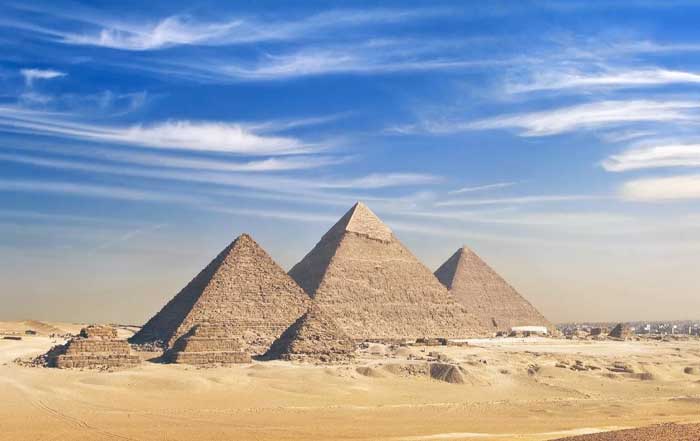
The Great Pyramids of Giza remain one of the world's most recognizable landmarks, yet in 2026 they are also an instructive case study in how a mature destination reinvents itself. Standing on the edge of modern Cairo, these monumental tombs-constructed for Pharaoh Khufu, Khafre, and Menkaure-continue to captivate archaeologists, engineers, and visitors, who are drawn to their precise alignment, sophisticated construction techniques, and symbolic role in ancient Egyptian cosmology. For international travelers and corporate groups, the Giza Plateau illustrates how heritage can anchor broader destination strategies, with Egypt investing in infrastructure, digital ticketing, and enhanced site management as part of its national tourism agenda. Learn more about the country's positioning and new visitor experiences through Egypt's official tourism portal, and explore how such flagship sites can be integrated into executive retreats or high-level incentive travel programs via World We Travel's business travel section.
Serengeti National Park, Tanzania
The Serengeti's vast plains, seasonal rivers, and acacia-dotted horizons are synonymous with the Great Migration, where millions of wildebeest and zebra move in search of grazing, accompanied by predators and scavengers in a dynamic ecological ballet. In the context of climate change and shifting rainfall patterns, Serengeti National Park has become a critical arena for conservation science, community-based tourism, and innovative funding models that channel visitor spending into habitat protection and local livelihoods. Travelers choosing safari experiences in 2026 are more likely to scrutinize the sustainability credentials of operators, a trend supported by organizations such as the UN Environment Programme, which offers guidance on sustainable tourism practices. For readers planning family safaris or executive offsites focused on leadership and resilience, Serengeti exemplifies how nature-based travel can be both transformative and responsible, a theme further explored in World We Travel's eco travel insights.
Timbuktu, Mali
Once a legendary center of trade and scholarship, Timbuktu embodies Africa's intellectual heritage and its complex modern challenges. The city's ancient mosques and manuscript libraries bear witness to centuries of scholarship in astronomy, medicine, law, and philosophy, positioning West Africa as a historic crossroads of ideas. In recent years, conflict and environmental pressures have threatened both the physical fabric of the city and its intangible cultural heritage, prompting international collaborations to document, digitize, and conserve manuscripts and monuments. The UNESCO World Heritage Centre provides updates on the site's status and protective measures through its official portal, which has become essential reading for researchers, policymakers, and philanthropic organizations. For the globally engaged audience at World We Travel, Timbuktu highlights how heritage protection intersects with security, development, and digital preservation, reinforcing the importance of informed travel choices and long-term support for at-risk cultural landscapes.
Asia: Spiritual Depth, Scale, and Innovation
Asia's World Heritage Sites bridge ancient traditions and contemporary dynamism, making the region a focal point for cultural tourism, wellness retreats, and cross-border business travel.
Taj Mahal, India
The Taj Mahal in Agra remains one of the world's most visited monuments, yet in 2026 it is also a focal point for debates on overtourism, air quality, and heritage conservation. Commissioned in the 17th century by Emperor Shah Jahan in memory of Mumtaz Mahal, the mausoleum's luminous white marble, intricate pietra dura inlay, and symmetrical gardens represent the pinnacle of Mughal architecture, blending Persian, Islamic, and Indian influences. India's tourism authorities have introduced timed entry, improved visitor circulation, and digital ticketing to manage demand while preserving the site's integrity, with additional emphasis on promoting lesser-known destinations to distribute visitor flows. The country's broader tourism strategy can be explored via Incredible India's official site, while readers interested in combining cultural exploration with wellness, Ayurveda, or yoga-focused retreats can find further inspiration in World We Travel's health and retreat features.
Great Wall of China, China
Stretching over thousands of kilometers and crossing diverse terrains, the Great Wall of China is both a symbol of imperial defense and a living landscape shaped by centuries of human activity. In 2026, sections near Beijing remain highly visited, while more remote stretches are being carefully opened to small-scale tourism, supported by digital visitor management tools, heritage zoning, and rural revitalization programs. The Wall's history and cultural significance are documented by institutions such as China's Ministry of Culture and Tourism, with resources available through the China Culture portal. For international businesses operating in China or organizing corporate travel, visits to the Great Wall have become opportunities to align leadership programs with themes of long-term planning, infrastructure, and cross-cultural understanding, a perspective that aligns closely with the strategic travel insights highlighted in World We Travel's work and travel section.
Borobudur Temple, Indonesia
The Borobudur Temple Compounds in Central Java represent one of the most sophisticated expressions of Buddhist architecture, with nine stacked platforms, more than 2,600 relief panels, and hundreds of stupas surrounding a central dome. The monument's narrative carvings guide visitors on a metaphorical journey from the realm of desire to enlightenment, making Borobudur a powerful site for spiritual tourism, cultural education, and reflective retreats. Indonesia has implemented visitor caps on the upper terraces and introduced heritage-sensitive infrastructure to protect the stonework from erosion and crowding, while promoting nearby communities as destinations for cultural immersion and craft-based experiences. Travelers can explore official information through Indonesia's national tourism site and complement that with World We Travel's culture-focused content, which highlights how sites like Borobudur can anchor multi-generational family trips and corporate well-being programs that integrate mindfulness with cross-cultural learning.
Europe: Heritage, Soft Power, and Urban Transformation
Europe's World Heritage Sites are deeply embedded in global perceptions of culture, luxury, and lifestyle, yet they are also at the forefront of rethinking urban tourism, climate adaptation, and cultural diplomacy.
Colosseum, Italy
The Colosseum in Rome remains a powerful symbol of imperial architecture and public spectacle, yet contemporary management of the site illustrates how heritage authorities are rebalancing preservation with visitor expectations. Once hosting gladiatorial contests, public executions, and elaborate staged hunts, the amphitheater now anchors a broader archaeological park that integrates digital interpretation, controlled access, and nighttime experiences designed to spread visitor flows. Italy's tourism strategy, accessible through its official portal, emphasizes high-value, culturally engaged travel, encouraging visitors to extend their stays beyond Rome to secondary cities and rural regions. For business travelers and event planners, the Colosseum area demonstrates how historic venues and modern infrastructure can coexist, informing destination choices for conferences and executive meetings featured in World We Travel's business travel insights.
Mont-Saint-Michel, France
Rising from tidal flats off the coast of Normandy, Mont-Saint-Michel is both a medieval sanctuary and a modern engineering achievement. The abbey's dramatic silhouette and narrow streets attract millions of visitors annually, while recent infrastructure projects, including the removal of a causeway and the construction of a new bridge, have restored the island's maritime character and improved environmental resilience. France's approach to managing this site-balancing pilgrimage, tourism, and ecological restoration-offers a blueprint for other coastal heritage destinations adapting to sea-level rise and shifting weather patterns. Detailed visitor and cultural information is available through France's official tourism website. For families and corporate groups seeking to combine cultural immersion with coastal leisure, Mont-Saint-Michel and its surrounding region illustrate how carefully curated experiences can deliver both inspiration and relaxation, themes explored further in World We Travel's travel planning resources.
Acropolis of Athens, Greece
The Acropolis of Athens, crowned by the Parthenon, remains a global symbol of democracy, philosophy, and classical art. In recent years, Greece has invested in new visitor circulation paths, accessibility improvements, and digital interpretation tools, while ongoing debates about restoration methods and the return of displaced sculptures continue to shape global conversations about cultural property. The Hellenic Ministry of Tourism and the Greek National Tourism Organization provide comprehensive visitor information and cultural context through the Visit Greece portal. For international travelers and organizations seeking to explore the roots of Western political thought and aesthetics, the Acropolis offers a powerful backdrop for educational journeys, leadership programs, and academic collaborations, reinforcing the value of travel as a catalyst for critical thinking and innovation.
North America: Natural Grandeur and Shared Histories
In North America, World Heritage Sites highlight both the continent's geological drama and its layered human stories, including Indigenous heritage, colonial legacies, and modern conservation frameworks.
Grand Canyon National Park, United States
The Grand Canyon in Arizona remains one of the most dramatic geological formations on Earth, its layered rock strata revealing nearly two billion years of Earth's history. In 2026, the park's management continues to navigate the pressures of record visitor numbers, climate-related stresses on water resources, and the need to honor the cultural connections of Native American communities who have long inhabited the region. The U.S. National Park Service provides detailed guidance on trails, safety, and conservation initiatives through the Grand Canyon National Park website, emphasizing trip planning that respects both environmental limits and cultural sensitivities. For families, outdoor enthusiasts, and companies designing nature-based leadership programs, the Grand Canyon exemplifies how protected areas can foster resilience, perspective, and team cohesion, aligned with the experiential travel themes highlighted on World We Travel's global travel hub.
Chichén Itzá, Mexico
The archaeological site of Chichén Itzá on Mexico's Yucatán Peninsula showcases the astronomical sophistication and architectural mastery of the Maya civilization. The pyramid of El Castillo, with its precise alignment to equinox light phenomena, reflects a deep integration of cosmology, ritual, and political power. As one of Mexico's most visited heritage sites, Chichén Itzá illustrates both the economic potential and the management challenges of mass tourism, prompting authorities to introduce stricter conservation measures, regulated vendor zones, and expanded interpretation of nearby, less-visited Maya sites to disperse demand. The Mexico Tourism Board provides broader destination information through its official portal. For travelers interested in combining cultural exploration with coastal leisure in areas such as the Riviera Maya, and for organizations planning incentive trips that balance learning with relaxation, Chichén Itzá remains a compelling anchor, best approached with careful planning and respect for local communities and traditions.
Gros Morne National Park, Canada
On the western coast of Newfoundland, Gros Morne National Park offers fjords, cliffs, and exposed mantle rock that provide rare insights into plate tectonics and the formation of continents. Its landscapes, recognized by geologists worldwide, have become a living classroom where visitors can understand deep time while hiking, kayaking, or simply observing the changing light on the fjords. Parks Canada manages the site with a strong emphasis on ecological integrity and community partnerships, sharing detailed visitor information and conservation initiatives via the Parks Canada website. For travelers seeking quieter, nature-focused experiences, and for teams looking for retreat settings that foster reflection and strategic thinking, Gros Morne demonstrates how remote destinations can offer high-value, low-impact travel, a concept aligned with the slow travel and sustainability themes explored in World We Travel's tips and planning section.
South America: Living Cultures and Dramatic Landscapes
South America's World Heritage Sites reflect the continent's deep Indigenous histories, colonial encounters, and extraordinary biodiversity, making it a key region for experiential learning and responsible adventure travel.
Machu Picchu, Peru
Perched high in the Andes, Machu Picchu remains one of the world's most sought-after destinations, yet in 2026 it is also a global benchmark for visitor quota systems, timed entries, and route management designed to protect fragile terraces and stone structures. Built in the 15th century and abandoned within a century, the site's sophisticated dry-stone construction, agricultural terraces, and solar alignments reflect the Inca's mastery of high-altitude engineering and environmental adaptation. PROMPERÚ, Peru's tourism authority, provides official information through Peru's national travel site, which now emphasizes alternative routes, neighboring communities, and complementary destinations such as the Sacred Valley and Cusco to distribute tourism benefits more equitably. For travelers and organizations focused on wellness, resilience, and cultural immersion, Machu Picchu offers a powerful setting for trekking-based retreats and learning journeys, themes that resonate with World We Travel's retreat and wellness content.
Iguazu National Park, Argentina and Brazil
Straddling the border between Argentina and Brazil, Iguazu National Park encompasses one of the most spectacular waterfall systems on the planet, with hundreds of cascades surrounded by subtropical rainforest. The site illustrates how cross-border cooperation can manage shared natural resources, with both countries coordinating infrastructure, visitor flows, and conservation efforts. The Argentine side's visitor services and trails are introduced via the Iguazu Argentina portal, while Brazil's Iguaçu National Park is supported by ICMBio and other agencies. For global travelers, Iguazu demonstrates the value of multi-country itineraries that integrate nature, culture, and urban experiences in cities such as Buenos Aires, while for businesses it offers compelling venues for international meetings and incentive programs that highlight regional collaboration and environmental stewardship.
Rapa Nui National Park, Chile
Located in the remote Pacific, Rapa Nui National Park on Easter Island is renowned for its monumental moai statues, which embody the ancestral presence and artistic ingenuity of the island's Polynesian inhabitants. In recent years, the Rapa Nui community has taken a more central role in managing the park, reflecting broader global trends toward Indigenous-led conservation and cultural tourism. Visitor numbers are now more tightly regulated, and emphasis is placed on understanding the island's complex history of resource use, societal change, and cultural renewal. Official travel information is available through Chile's national tourism portal. For travelers and organizations, Rapa Nui offers a powerful narrative on the consequences of environmental mismanagement and the possibilities of cultural resilience, making it a meaningful destination for leadership retreats and educational programs focused on sustainability and long-term thinking.
Oceania: Marine Frontiers and Cultural Continuity
In Oceania, World Heritage Sites highlight both the vulnerability and the resilience of island and marine ecosystems, making the region central to global climate and conservation discussions.
Great Barrier Reef, Australia
The Great Barrier Reef remains one of the most biodiverse marine ecosystems on Earth, yet it is also a frontline indicator of climate change, with bleaching events and changing ocean chemistry challenging conservation efforts. The Great Barrier Reef Marine Park Authority coordinates research, zoning, and tourism management to balance visitor access with ecosystem health, sharing detailed updates and guidelines through its official website. In 2026, reef tourism increasingly emphasizes citizen science, low-impact operations, and educational components that help visitors understand both the beauty and the vulnerability of coral systems. For travelers, families, and corporate groups seeking to align their travel choices with environmental responsibility, reef-based experiences can be powerful catalysts for behavioral change, a theme closely aligned with the sustainable travel perspectives shared on World We Travel's eco travel page.
Tongariro National Park, New Zealand
Tongariro National Park on New Zealand's North Island combines volcanic landscapes with deep MÄori cultural significance, making it a pioneering example of a protected area that recognizes both natural and cultural values. The park's peaks, including Mount Tongariro, Ngauruhoe, and Ruapehu, are sacred to local iwi, and co-management arrangements ensure that Indigenous perspectives shape decision-making on access, conservation, and interpretation. New Zealand's official tourism site provides detailed information on trails, safety, and cultural protocols through its national portal. For travelers and organizations designing retreats or leadership programs, Tongariro illustrates how outdoor experiences can be enriched by Indigenous knowledge and narrative, reinforcing the importance of respectful engagement with host communities.
Antarctica and Global Commons: Shared Responsibility in Practice
Antarctic Treaty System Protected Areas
While not inscribed as a single World Heritage Site, the protected areas and governance mechanisms established under the Antarctic Treaty System represent one of the most ambitious efforts to manage a continent as a global commons dedicated to peace and science. Strict environmental protocols, limitations on tourism, and collaborative research frameworks underscore the principle that some places must remain largely free from commercial exploitation. The Antarctic Treaty Secretariat provides comprehensive information on governance, environmental measures, and visitor guidelines via its official website. For the World We Travel audience, Antarctica symbolizes the outer boundary of responsible travel, reminding individuals and organizations that access to fragile environments carries profound ethical obligations.
Honorable Icons: Global Symbols of Evolution and Exchange
Galápagos Islands, Ecuador
The Galápagos Islands continue to function as a living laboratory of evolution, where unique species and isolated ecosystems inspired Charles Darwin and continue to inform contemporary conservation biology. Visitor numbers are carefully controlled, and cruise and land-based operators must adhere to strict environmental guidelines overseen by the Galápagos National Park Directorate and partners such as the Galápagos Conservancy, which shares research and conservation updates through its official site. In 2026, travelers are increasingly drawn to Galápagos itineraries that combine wildlife viewing with citizen science, environmental education, and low-impact practices. For families, students, and corporate groups, the islands offer an unparalleled context for understanding biodiversity, adaptation, and the interconnectedness of global ecosystems, themes that resonate with World We Travel's global and economy-focused content on how environmental health underpins long-term economic resilience.
Petra, Jordan
Carved into rose-colored sandstone cliffs, Petra in Jordan stands as a testament to the engineering skill and commercial acumen of the Nabataean civilization, which transformed a desert landscape into a thriving trade hub connecting Arabia, the Mediterranean, and beyond. The site's rock-cut façades, sophisticated water management systems, and strategic location continue to fascinate archaeologists and travelers alike. Jordan's tourism authorities have invested in improved visitor infrastructure, community-based tourism initiatives, and digital interpretation tools, details of which can be explored through the Jordan Tourism Board's official portal. For travelers and organizations, Petra offers a compelling combination of historical depth, regional geopolitics, and contemporary hospitality, making it an ideal anchor for itineraries that explore the broader cultural and business landscapes of the Middle East.
Toward 2030: Heritage, Sustainability, and Strategic Travel
As the world moves toward 2030 and the milestones of the UN Sustainable Development Goals, UNESCO World Heritage Sites are increasingly recognized as barometers of how effectively humanity can balance growth, conservation, and cultural continuity. These twenty sites, spanning Africa, Asia, Europe, the Americas, Oceania, and Antarctica, demonstrate that heritage is not static; it evolves through the choices made by governments, businesses, local communities, and individual travelers.
For the readers of worldwetravel.com, the implications are clear. Destination choices, hotel selections, trip designs, and corporate travel policies all contribute to the future of these irreplaceable places. By prioritizing operators committed to conservation, engaging with local cultures respectfully, and aligning travel with broader sustainability and wellness goals, travelers and organizations can help ensure that World Heritage Sites remain vibrant, living landscapes rather than fragile relics.
Whether planning a family journey to Europe's historic cities, a wellness retreat in Asia, a leadership summit near Africa's great parks, or a once-in-a-lifetime expedition to the polar regions, integrating UNESCO World Heritage into travel planning offers both depth and direction. Readers can explore region- and theme-specific guidance across World We Travel's destinations, travel, and global sections to transform inspiration into carefully considered, responsible itineraries. In doing so, they participate in a shared global project: safeguarding humanity's most remarkable cultural and natural treasures while experiencing the insight, connection, and perspective that only travel can provide.