

Japan in 2026: A Strategic, First-Time Traveler's Guide for Global Professionals
Japan in 2026 stands at a compelling intersection of heritage and innovation, offering business leaders, frequent travelers, and globally minded families a destination where operational excellence, cultural depth, and technological sophistication coexist in a remarkably seamless way. For readers of World We Travel, who evaluate destinations not only for leisure but also for their impact on work, wellbeing, and long-term global opportunity, Japan has become one of the most strategically interesting countries to explore, whether the trip originates in the United States, the United Kingdom, Germany, Canada, Australia, Singapore, or elsewhere across Europe and Asia.
This comprehensive introduction focuses on the essential cities and regions that provide a balanced first impression of the country, while also highlighting how Japan's infrastructure, business culture, and social norms can support executive travel, remote work, family holidays, wellness retreats, and sustainable tourism. Readers planning complex itineraries can align this guide with the broader insights available on World We Travel, from curated destinations and travel planning resources to deep dives into global economic trends, technology, and future of work.
Tokyo: Global Megacity for Business, Culture, and Innovation
Tokyo in 2026 continues to operate as one of the world's most influential urban ecosystems, integrating finance, design, mobility, and digital infrastructure at a level that few cities can match. For executives and entrepreneurs, the city is a living laboratory of urban efficiency; for families and culture seekers, it is a gateway to both contemporary Japanese life and deeply rooted traditions. The city's scale can be overwhelming, yet its neighborhoods are surprisingly distinct, allowing first-time visitors to design highly tailored experiences.
In the Shibuya and Harajuku area, visitors encounter the visual intensity that has long defined global perceptions of Tokyo. Shibuya Crossing, often filmed as a symbol of urban dynamism, now anchors a broader redevelopment zone with mixed-use towers, co-working spaces, and hospitality offerings that support both short-stay travelers and longer-term digital nomads. Those interested in global youth culture and fashion can walk from Shibuya to Harajuku's Takeshita Street, where experimental styles, independent boutiques, and evolving subcultures provide a lens into how Japanese creativity influences markets from London to Los Angeles. Professionals studying consumer behavior or brand innovation can benefit from observing how trends emerge and diffuse in these compact but influential districts; to contextualize these dynamics within Tokyo's overall visitor ecosystem, the Tokyo Metropolitan Government maintains an evolving official travel guide with current event, transport, and neighborhood information.
For travelers seeking a more historic and contemplative counterpoint, Asakusa and the SensÅ-ji temple complex offer a curated yet authentic experience of old Tokyo. The approach to the temple along Nakamise-dÅri, lined with long-established shops selling traditional sweets, crafts, and seasonal goods, demonstrates how small businesses have adapted to high visitor volumes while maintaining artisanal standards and local identity. This district is particularly relevant for business readers interested in heritage brand management and experiential retail, as it illustrates how legacy enterprises can thrive within a modern, high-cost urban environment.
Akihabara, long known as Electric Town, has continued to evolve from a purely electronics-focused market into a broader hub of gaming, anime, and digital subculture. For technology professionals and investors, Akihabara provides a ground-level view of Japan's consumer tech ecosystem, from retro hardware to cutting-edge components, and offers insight into how niche communities can drive sustained commercial demand. Nearby, Odaiba in Tokyo Bay showcases a different aspect of Japanese innovation, with its futuristic architecture, large-scale retail complexes, and immersive digital art experiences such as the work of teamLab. These spaces highlight how Japan integrates design, storytelling, and technology into visitor experiences, a theme that aligns closely with the interests of World We Travel readers following global technology and travel convergence.
Tokyo also functions as a critical hub for Asia-Pacific business travel, with Haneda Airport increasingly favored for its proximity to the city center and efficient connections throughout Japan and across the region. The Japan National Tourism Organization provides updated arrival, visa, and connectivity information for international visitors, and those planning multi-city itineraries can review broader insights on global travel patterns to align their Tokyo stay with meetings in Seoul, Singapore, or Sydney.
Kyoto: Cultural Capital and Strategic Retreat Destination
If Tokyo represents Japan's forward momentum, Kyoto embodies its historical continuity and cultural authority. Formerly the imperial capital for over a thousand years, Kyoto offers a dense concentration of temples, shrines, gardens, and traditional neighborhoods, making it a critical destination for travelers who wish to understand the values and aesthetics that underpin Japanese society and business behavior. In 2026, Kyoto is also increasingly positioned as a venue for leadership retreats, academic conferences, and high-level cultural diplomacy, blending heritage with thoughtfully modern hospitality.
The Kinkaku-ji (Golden Pavilion) remains one of Kyoto's most recognizable landmarks, drawing visitors who are often surprised by how small and self-contained the site feels compared to its global reputation. The temple's gold leaf exterior, reflected in the surrounding pond, embodies a refined sense of proportion and restraint that is characteristic of classical Japanese design. For leaders interested in the role of aesthetics in organizational culture and brand perception, such spaces offer a chance to reflect on how visual environments influence behavior, focus, and decision-making.
Equally significant is Fushimi Inari Taisha, with its thousands of vermilion torii gates creating a continuous pathway up the wooded slopes of Mount Inari. Many visitors experience this as a meditative or even strategic walk, using the ascent to think through complex professional or personal questions away from digital distractions. The shrine's association with prosperity and commerce has made it a symbolic site for entrepreneurs and executives, particularly those from Europe and North America who are exploring or expanding into Asian markets. Those wishing to deepen their understanding of Kyoto's heritage and current cultural programming can explore the city's official tourism portal, which offers curated information on seasonal events, traditional crafts, and cultural etiquette.
Kyoto's Arashiyama district, with its bamboo grove and riverside setting, has become an increasingly popular area for wellness-focused stays and executive offsites. Traditional ryokan inns, some of which have been updated with modern conferencing and connectivity features, allow teams to combine strategic planning sessions with cultural immersion, from tea ceremony introductions to kaiseki dining. For World We Travel readers exploring wellness and retreat experiences, Kyoto provides a rare blend of depth, accessibility, and infrastructure, particularly attractive for travelers from the United States, the United Kingdom, Germany, and Australia seeking meaningful yet time-efficient cultural engagement.
The Gion district remains a focal point for those interested in traditional performing arts and the refined world of geiko and maiko. While access to private teahouses is limited and highly relationship-driven, visitors can attend public performances and seasonal events that highlight classical music, dance, and theater. For executives and professionals, observing the precision, discipline, and attention to detail in these performances can offer a powerful parallel to Japan's approach to craftsmanship and corporate governance, themes that resonate strongly with World We Travel's emphasis on culture as a lens for understanding global business.
Hiroshima: Resilience, Peace, and Responsible Leadership
Hiroshima occupies a unique place in global consciousness as both a site of profound historical trauma and a modern city committed to peace, education, and forward-looking development. For international leaders, policy professionals, and ethically minded travelers, Hiroshima can serve as a powerful reminder of the responsibilities that accompany technological and geopolitical power.
The Hiroshima Peace Memorial Park and its museum provide a carefully curated, deeply human account of the events of 1945 and their lasting consequences. The Atomic Bomb Dome, preserved as a UNESCO World Heritage site, stands as a stark visual anchor within a park that otherwise feels remarkably tranquil. Many visitors, including business travelers on tight schedules, choose to allocate several hours here, recognizing that time spent in reflection can influence how they think about risk, security, and long-term decision-making in their own organizations. Those seeking broader context on nuclear policy and disarmament can consult resources from institutions such as the United Nations Office for Disarmament Affairs and the International Campaign to Abolish Nuclear Weapons, which connect Hiroshima's history to ongoing global debates.
A short journey from Hiroshima, Miyajima Island and the Itsukushima Shrine offer a different but complementary experience, combining spiritual significance with natural beauty. The iconic torii gate, appearing to float at high tide, has long been one of Japan's most photographed landmarks, yet the island itself has retained a calm, almost introspective atmosphere outside peak visiting hours. For travelers designing multi-stop itineraries through western Japan, Hiroshima and Miyajima together provide a balanced combination of historical education and scenic respite, reinforcing the broader World We Travel perspective that meaningful journeys often integrate learning, reflection, and restoration.
Osaka: Culinary Capital and Commercial Powerhouse
Osaka, Japan's third-largest city, has a distinct personality shaped by its history as a merchant hub and its reputation as the "nation's kitchen." In 2026, the city continues to expand its role as a regional business center, logistics node, and culinary destination, making it particularly attractive for visitors who want to combine commercial objectives with memorable dining and nightlife.
The DÅtonbori area, with its illuminated billboards and dense concentration of restaurants, remains the most visible expression of Osaka's exuberant character. While the district is undeniably commercial, it is also one of the most efficient places for first-time visitors to sample core elements of Kansai cuisine, from takoyaki to okonomiyaki, in a relatively compact area. For hospitality and retail professionals, DÅtonbori offers a live case study in high-volume customer flow management, menu design, and visual branding, with lessons applicable far beyond Japan. Those who wish to understand how Osaka's food culture fits into broader Japanese culinary traditions can explore resources from the Japanese Ministry of Agriculture, Forestry and Fisheries, which highlights regional specialties and washoku as an element of intangible cultural heritage.
Osaka Castle, set within expansive grounds and surrounded by water, provides both historical context and welcome green space within the urban landscape. The castle museum offers insight into the unification of Japan and the political dynamics of the Azuchi-Momoyama period, which can be particularly interesting for readers who study leadership, conflict, and negotiation in historical perspective. Nearby business districts and conference venues make it easy for corporate travelers to integrate cultural visits into their schedules, a pattern that aligns with World We Travel's focus on business travel optimization.
Modern architectural landmarks such as the Umeda Sky Building reflect Osaka's willingness to experiment with design and urban form. The building's Floating Garden Observatory offers panoramic city views and has become a favored location for both leisure visitors and event organizers seeking visually compelling spaces. For those analyzing the interplay between architecture, tourism, and urban branding, Osaka presents a useful counterpoint to Tokyo and Kyoto, illustrating how a city can leverage a more informal, commercially driven identity to attract both domestic and international audiences.
Nara: Foundations of Japanese Spiritual and Political Culture
Nara, located within easy reach of both Kyoto and Osaka, was Japan's first permanent capital and remains a key destination for those interested in the early development of Japanese religion, governance, and art. Its compact scale and concentration of historical sites make it an efficient day trip or overnight stay for travelers who want to deepen their understanding of Japan's origins without significantly extending their itinerary.
The TÅdai-ji temple complex, home to the Great Buddha (Daibutsu), is one of the most impressive examples of early Japanese monumental architecture. The scale of the statue and the wooden hall that contains it often surprises visitors accustomed to more minimalist images of Japanese design, demonstrating that the country's aesthetic history is more varied than many assume. For readers of World We Travel interested in cultural continuity, TÅdai-ji provides a direct link between ancient religious patronage and the modern Japanese emphasis on education, order, and social harmony.
Nara Park, with its free-roaming deer, offers a more informal but equally meaningful experience. The animals, considered messengers of the gods in Shinto belief, interact readily with visitors, creating an accessible entry point into the intersection of spirituality, nature, and daily life. The nearby Kasuga Taisha shrine, with its forest setting and hundreds of stone and bronze lanterns, reinforces this connection between built and natural environments. For travelers designing family-oriented itineraries, Nara can be an excellent complement to more intense urban experiences in Tokyo and Osaka, and families can find further planning guidance through World We Travel's dedicated family travel insights.
Mount Fuji and the Fuji Five Lakes: Icon, Landscape, and Wellbeing
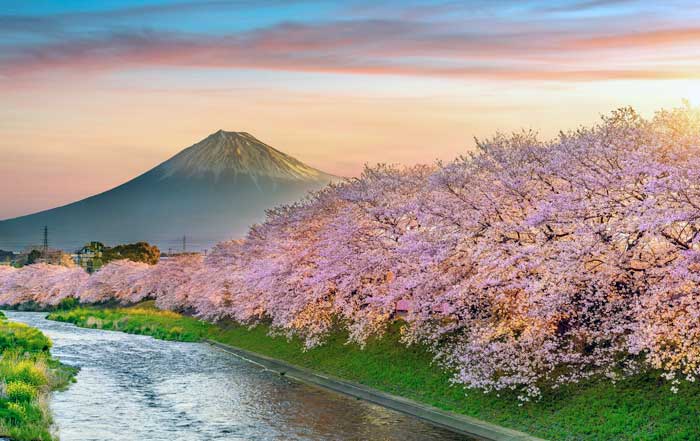
Mount Fuji remains one of the most powerful symbols of Japan, appearing in art, literature, and corporate branding, and serving as a touchstone for both domestic and international visitors. In 2026, the mountain and its surrounding regions are also at the center of ongoing conversations about sustainable tourism, environmental protection, and the balance between access and preservation.
For those who choose to climb during the official summer season, the experience can be physically demanding but logistically well supported, with established trails, mountain huts, and clear safety guidelines. The ascent, often timed to reach the summit at sunrise, offers not only striking views but also a sense of shared endeavor among climbers from around the world. Travelers interested in responsible outdoor recreation can review guidance from the Japan National Tourism Organization and environmental organizations such as the United Nations Environment Programme to learn more about sustainable mountain tourism.
For many visitors, the Fuji Five Lakes region provides a more accessible and equally rewarding way to experience the mountain. Lake Kawaguchi, in particular, offers a range of accommodations, hot springs, and viewing points that are well suited to both short breaks and multi-day stays. Photographers, wellness travelers, and remote workers increasingly use the area as a base, combining scenic views with reliable connectivity and proximity to Tokyo. This pattern aligns with broader trends in flexible work and lifestyle design that World We Travel explores across its work and travel coverage, showing how iconic natural landscapes can function as temporary yet highly productive environments for focused projects or strategic thinking.
Hokkaido: Nature, Seasonality, and Emerging Eco-Travel Models
Hokkaido, Japan's northernmost island, has become a strategic destination for travelers prioritizing nature, climate resilience, and outdoor recreation. Its distinct seasons, from snow-rich winters to mild, flower-filled summers, support a diversified tourism profile that is increasingly relevant as climate patterns shift across Europe and North America.
Sapporo, the island's capital, is known internationally for its snow festival, beer, and culinary scene, but it also serves as a hub for exploring Hokkaido's national parks and rural communities. For visitors from countries such as Sweden, Norway, Canada, and Finland, Hokkaido offers familiar climatic conditions but a distinctly Japanese approach to infrastructure, hospitality, and land management. Those interested in winter sports can explore guidance from organizations like Ski Japan and cross-reference safety and avalanche information with resources from the International Ski Federation.
Protected areas such as Shiretoko National Park and Daisetsuzan National Park highlight Japan's commitment to biodiversity and ecosystem preservation. These regions offer hiking, wildlife observation, and hot springs, and they are central to emerging models of eco-tourism that prioritize low-impact travel, community engagement, and long-term conservation funding. For readers of World We Travel focused on eco-conscious travel and sustainable business practices, Hokkaido provides a compelling case study in how remote regions can attract high-value visitors without compromising environmental integrity.
Okinawa: Tropical Culture, Wellbeing, and Longevity
Okinawa, located in Japan's subtropical south, presents a markedly different environment and cultural history from the main islands, shaped by its legacy as the center of the Ryukyu Kingdom and its ongoing role in regional geopolitics. For travelers, it offers warm waters, coral reefs, and a slower, more relaxed pace of life, making it an attractive destination for wellness-focused holidays and extended stays.
The islands' beaches and marine ecosystems are central to their appeal, with snorkeling and diving opportunities that rival many locations in Southeast Asia. Efforts to protect coral reefs and coastal habitats have intensified in recent years, and visitors are increasingly encouraged to align with best practices in marine conservation, as outlined by organizations such as the International Union for Conservation of Nature and local environmental groups.
Culturally, Okinawa is notable for its music, crafts, and distinctive cuisine, which has been linked to the region's historically high life expectancy. Researchers from institutions such as the World Health Organization and various universities have studied Okinawan dietary patterns and social structures as part of broader work on healthy aging. For World We Travel readers exploring health and travel intersections, Okinawa offers both practical experiences-such as farm-to-table dining and slow-paced village life-and conceptual insights into how environment, community, and lifestyle influence wellbeing over time.
Practical Considerations for First-Time Visitors in 2026
Japan's transport, safety, and service infrastructure make it one of the most reliable countries for international travel, yet there are practical considerations that can significantly enhance the experience for business and leisure travelers alike.
The rail network, anchored by the Shinkansen bullet trains, remains the backbone of intercity travel, connecting Tokyo, Kyoto, Osaka, Hiroshima, and many other destinations with remarkable punctuality and comfort. For those planning multiple long-distance journeys, the Japan Rail Pass continues to be a valuable option; visitors can review current eligibility, pricing, and coverage directly through the official Japan Rail Pass website. Within cities, integrated contactless payment systems and clear bilingual signage make navigation straightforward even for first-time visitors, and World We Travel's travel tips can help travelers optimize routes, timing, and connectivity.
Cultural etiquette remains an important dimension of any visit. Practices such as bowing, exchanging business cards with both hands, speaking quietly on public transport, and removing shoes when entering certain spaces are not rigid rules but expressions of respect and consideration. For business travelers, understanding Japanese meeting norms, decision-making processes, and communication styles can be as important as logistical preparation, and organizations such as JETRO and the Japan External Trade Organization provide useful context for those planning commercial engagements.
Accommodation options range from global hotel brands in major cities to traditional ryokan, boutique guesthouses, and capsule hotels. The country's hospitality sector has adapted quickly to changing traveler expectations, integrating digital check-in, multilingual support, and enhanced hygiene protocols while maintaining high service standards. For readers comparing properties across Japan and other global markets, World We Travel's curated hotel insights can serve as a valuable complement to local tourism resources and international booking platforms.
Language remains a consideration, particularly outside major urban centers, but translation apps and widespread use of pictograms in transport and public facilities significantly reduce friction. English proficiency among younger professionals continues to improve, especially in sectors such as technology, hospitality, and international education. Health and safety standards are consistently high, with reliable emergency services and a robust healthcare system; travelers can consult the World Health Organization and their home country's travel advisories for current guidance on vaccinations, insurance, and any region-specific recommendations.
Japan's Enduring Appeal for the World We Travel Community
Across Tokyo's high-rise districts, Kyoto's temple gardens, Hiroshima's peace memorials, Osaka's neon-lit canals, Nara's deer-filled parks, Hokkaido's national parks, and Okinawa's coral-fringed bays, Japan offers a rare combination of reliability, depth, and variety. For the World We Travel audience-professionals balancing work and family, entrepreneurs exploring new markets, remote workers seeking productive yet inspiring environments, and travelers committed to sustainability and cultural respect-Japan in 2026 stands out as a destination where every journey can be both personally enriching and strategically meaningful.
By aligning itineraries with clear objectives-whether that means a focused business trip, a multi-generational family holiday, a wellness retreat, or a long-term work-from-abroad experiment-visitors can leverage Japan's strengths in infrastructure, safety, and service while engaging deeply with its history, culture, and people. As readers explore additional global perspectives on economy, technology, culture, and travel strategy, Japan will continue to appear not only as a compelling destination, but as a benchmark for how a country can integrate tradition and innovation in ways that benefit residents, visitors, and partners around the world.