

Iconic Train Journeys in 2026: How Rail Travel Redefines Global Exploration
Rail Journeys as the Signature Experience of World We Travel
By 2026, rail travel has reasserted itself as one of the most compelling ways to experience the world, combining environmental responsibility, operational efficiency and emotional resonance in a way that few other modes of transport can match. For the global audience of WorldWeTravel.com, which spans business leaders in New York and London, families in Toronto and Sydney, culture seekers in Berlin, Paris and Tokyo, and eco-conscious travelers from Scandinavia to Singapore, iconic train journeys have become a benchmark for meaningful, high-value travel. They intersect with many of the core interests of this readership-destinations, business mobility, family experiences, wellness retreats, cultural immersion, sustainability and the evolving global economy-and they do so with a level of authenticity and trust that aligns closely with the editorial values of World We Travel.
Trains provide something that modern travelers increasingly seek: time-rich, place-specific experiences that balance comfort with connection. Unlike air travel, which compresses geography and often isolates passengers from the places they traverse, rail journeys unfold at a human pace, allowing landscapes, cultures and conversations to imprint themselves more deeply. Compared with self-driving road trips, they remove the cognitive burden of navigation and safety, enabling travelers to work, reflect, or simply watch the world go by. As governments, investors and corporations rethink global mobility in light of climate commitments, rail's role in the future of travel and business is being redefined, and iconic routes-from the Trans-Siberian Railway to the Shinkansen-are becoming symbols not just of nostalgia, but of a new, more responsible era of exploration.
Readers exploring World We Travel's destinations hub increasingly find rail woven into coverage of Europe, Asia, North America and beyond, reflecting a broader shift in traveler expectations. At the same time, executives planning corporate itineraries through World We Travel's business travel section are looking to high-speed and luxury rail as credible alternatives for regional meetings and incentive programs, while families, wellness travelers and digital professionals discover that slow, scenic rail routes can double as floating retreats, mobile offices and intergenerational classrooms.
The Strategic Appeal of Train Travel in a Changing World
From a business and policy perspective, rail travel sits at the intersection of infrastructure investment, tourism strategy and sustainability. Organizations such as the International Energy Agency highlight how rail, especially when electrified, offers significantly lower emissions per passenger-kilometer than air or car travel; readers can explore this shift in more detail through resources on global transport emissions and efficiency. In major economies including the United States, United Kingdom, Germany, France, Japan and China, governments are accelerating high-speed and regional rail projects not only to decarbonize transport, but also to unlock regional development, support tourism clusters and enhance business connectivity.
For travel planners, this translates into a more integrated approach to itineraries. Corporate travel managers who once defaulted to short-haul flights between London and Paris, or Frankfurt and Amsterdam, are now leveraging high-speed connections showcased by Eurostar and Deutsche Bahn, often guided by best practices promoted by organizations like the World Travel & Tourism Council, which provides insights on sustainable travel and tourism strategies. Similarly, destination marketing organizations increasingly emphasize rail access in their positioning, aligning with data-driven analyses from bodies such as the OECD on the economic impact of tourism and infrastructure.
For the World We Travel community, this macro context matters because it underpins trust. When a family in Canada or Australia chooses a long-distance rail journey over a series of short flights, or when a European company relocates a regional offsite from an airport hotel to a rail-connected mountain resort, they are making decisions that reflect not just personal preference but also an awareness of social and environmental responsibility. This is why rail features so prominently across World We Travel's eco travel coverage and why iconic routes are evaluated not only for their beauty and comfort, but also for their alignment with global sustainability goals.
The Trans-Siberian Railway: Continental Scale and Cultural Depth
Few journeys encapsulate the grandeur of rail travel as powerfully as the Trans-Siberian Railway, which stretches more than 9,000 kilometers from Moscow to Vladivostok and crosses eight time zones. For over a century, this line has symbolized the ambition and engineering capabilities of Russia, while offering travelers a rare, continuous narrative of Eurasia's geography and culture-from European capitals to the shores of the Pacific. For business readers, it remains a case study in how infrastructure can shape trade corridors, demographic patterns and regional identities.
In 2026, travelers considering this journey must navigate a more complex geopolitical landscape, and it is essential to consult up-to-date guidance from trusted sources such as the UK Foreign, Commonwealth & Development Office, which maintains detailed travel advisories and security information for routes passing through Russia and neighboring states. Those who do undertake the journey typically break it into segments, exploring cities like Kazan, Yekaterinburg, Novosibirsk and Irkutsk, each of which offers distinct historical, cultural and economic narratives. The detour via the Trans-Mongolian line, connecting through Ulaanbaatar and onward to Beijing, adds another dimension, exposing travelers to the evolving dynamics of China-Russia-Mongolia relations and the broader Belt and Road vision.
For World We Travel's audience, the Trans-Siberian is often framed as a long-term aspiration rather than an impulsive booking. It requires careful planning, risk assessment and a clear understanding of visa regulations and regional sensitivities. Business leaders interested in the macroeconomic side of this corridor may find it useful to explore analyses from the World Bank on infrastructure, trade and connectivity in Eurasia, which provide context for how such routes influence supply chains and market access. For many, the decision to undertake the journey is as much about personal growth and cultural immersion as it is about tourism, and it aligns strongly with the idea, central to World We Travel, that the journey itself can be a transformative destination.
The Venice Simplon-Orient-Express: Heritage Luxury and Brand Power
The Venice Simplon-Orient-Express, operated by Belmond, remains one of the most recognizable names in luxury travel, and its enduring appeal is a testament to the power of narrative, design and service excellence. Running primarily between London and Venice, with itineraries that often include Paris, Vienna, Budapest or Istanbul, the train offers a meticulously curated step back into the glamour of early 20th-century European travel, with restored art deco carriages, fine dining and tailored guest experiences.
For a business audience, the Orient Express is more than a nostalgic indulgence; it is a living case study in brand positioning, heritage asset management and experiential pricing. The train's operators have successfully transformed a historic transportation concept into a high-yield hospitality product, aligning with the broader trend in which travel brands focus on experience-led differentiation rather than commoditized transport. Executives examining premium travel strategies can compare this approach with insights from McKinsey & Company on the evolving expectations of luxury consumers and experiential travel.
From the perspective of World We Travel, the Venice Simplon-Orient-Express speaks directly to readers interested in high-end hotel and rail experiences, as well as to corporate planners considering rail-based incentive trips or board retreats. The train's emphasis on slow, deliberate travel, formal evening wear and immersive storytelling resonates with travelers who see value not just in reaching Venice or Paris, but in inhabiting a carefully crafted world for the duration of the journey. In an era where digital distractions are omnipresent, the train's enforced disconnection and focus on interpersonal interaction can be especially appealing for leadership teams seeking reflection and cohesion.
The Rocky Mountaineer: Scenic Storytelling in the Canadian Rockies
In Canada, the Rocky Mountaineer has become synonymous with premium scenic rail, carving out a distinctive niche that bridges leisure tourism, family travel and executive retreats. Operating routes such as "First Passage to the West" and "Journey Through the Clouds," the train traverses the Canadian Rockies, connecting cities like Vancouver, Kamloops, Banff and Jasper and offering uninterrupted views of glaciers, turquoise lakes and wildlife. Its daylight-only schedule ensures that guests experience the landscapes at their best, while overnight stays in partner hotels create a hybrid rail-hotel itinerary.
For travelers planning North American itineraries via World We Travel's global section, the Rocky Mountaineer provides a compelling alternative or complement to self-drive routes through Alberta and British Columbia. Families appreciate the comfort and educational commentary, while business groups use the train as a platform for informal networking and strategy discussions amid a visually inspiring backdrop. Tourism boards and regional development agencies, including Destination Canada, frequently highlight such rail products in their long-haul marketing, reflecting an understanding that scenic rail can anchor broader regional dispersal and higher-value stays; readers can explore the national perspective on Canadian tourism and visitor economy trends.
From a trust and safety standpoint, the Rocky Mountaineer benefits from Canada's strong regulatory framework and infrastructure standards, making it attractive for risk-conscious corporate travel managers. As climate considerations shape long-haul travel decisions, combining a transatlantic or transpacific flight with a low-impact rail journey through the Rockies aligns with the sustainability priorities that World We Travel's audience often brings to their travel planning, and which are discussed regularly in the site's coverage of global travel and the economy.
The Great Southern and Indian Pacific: Crossing Australia by Rail
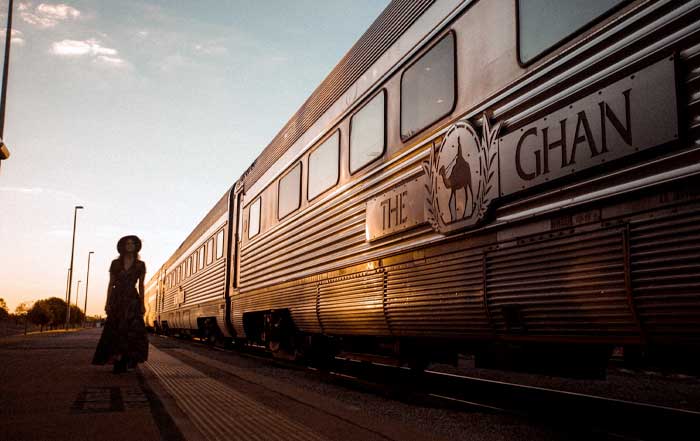
In Australia, the Great Southern and the Indian Pacific, operated by Journey Beyond Rail, showcase the continent's vast scale and ecological diversity in a way that few other modes of transport can match. The Indian Pacific links Sydney and Perth across nearly 4,000 kilometers, passing through the Blue Mountains, Adelaide and the stark Nullarbor Plain, home to the longest stretch of straight track in the world. The Great Southern, running seasonally between Brisbane and Adelaide, emphasizes coastal scenery, wine regions and national parks, with curated off-train excursions.
For business readers, these journeys highlight how rail can be used to structure multi-day incentive programs or leadership offsites that combine travel, leisure and strategic reflection. Rather than flying directly between Sydney, Melbourne, Adelaide and Perth, organizations can use rail segments to foster deeper engagement among participants, while also showcasing regional partners and communities. The Australian Trade and Investment Commission and tourism authorities provide useful overviews of Australia's visitor economy and infrastructure priorities, illustrating how long-distance rail contributes to dispersing visitor spend beyond gateway cities.
World We Travel's coverage of retreat and wellness travel often features these Australian routes as examples of how slow travel can support mental well-being and work-life balance. For families and multi-generational groups, the all-inclusive nature of the journeys, with dining, accommodation and excursions bundled, simplifies logistics and creates a contained environment in which different age groups can interact freely. The trains also serve as a lens through which international travelers can engage with contemporary Australian culture, Indigenous histories and environmental challenges such as drought and conservation.
The Darjeeling Himalayan Railway: Heritage, Community and Landscape
The Darjeeling Himalayan Railway, affectionately known as the "Toy Train," occupies a special place in the global imagination, not only for its engineering ingenuity but also for its deep integration into the communities and landscapes of West Bengal. Designated a UNESCO World Heritage Site, this narrow-gauge line climbs from the plains near New Jalpaiguri to the hill station of Darjeeling, passing tea plantations, market towns and vantage points that reveal distant Himalayan peaks.
From a cultural and economic standpoint, the line illustrates how heritage rail can support local livelihoods, preserve technical traditions and attract international visitors. UNESCO's resources on World Heritage railways and cultural landscapes offer additional context on how such sites are evaluated and protected. For travelers using World We Travel as a planning resource, the Darjeeling Himalayan Railway is often combined with broader journeys across India, including visits to Kolkata, Sikkim or the Northeast, and is particularly appealing to families and culture-focused travelers seeking to introduce younger generations to both colonial-era history and contemporary Indian life.
Operationally, the railway faces challenges-weather, maintenance and capacity constraints-but its continued operation underscores the value that local residents and authorities place on maintaining a living link to the past. For World We Travel, featuring such routes within culture-focused coverage reinforces the idea that rail travel is not solely about luxury or efficiency; it can also be a vehicle for cultural continuity and community resilience, themes that resonate strongly with readers interested in responsible and respectful travel.
The Glacier Express: Precision, Scenery and Swiss Reliability
In Switzerland, the Glacier Express has become an emblem of alpine rail excellence, connecting Zermatt and St. Moritz in a roughly eight-hour journey that crosses 291 bridges, passes through 91 tunnels and traverses the Oberalp Pass at over 2,000 meters. Marketed as the "slowest express train in the world," it embodies the Swiss ability to combine precision engineering, punctuality and hospitality with an appreciation for unhurried, scenic travel.
For business and leisure travelers alike, the Glacier Express demonstrates how rail can be seamlessly integrated into broader multimodal itineraries that include skiing, hiking, conferences and wellness stays in mountain resorts. The Swiss Federal Railways (SBB), alongside national tourism authorities, have long positioned rail as the backbone of the country's mobility system, and resources such as Switzerland Tourism's official site provide detailed guidance on rail passes, connectivity and alpine experiences. This integrated approach is of particular interest to World We Travel's audience in Germany, France, Italy, the Netherlands and the UK, where cross-border rail access to Switzerland enables low-carbon itineraries that combine multiple countries.
From a trust perspective, Swiss rail offers a benchmark in safety, reliability and customer information, which appeals strongly to risk-averse corporate planners and families. World We Travel's travel tips section often highlights Swiss practices-such as coordinated timetables and real-time digital information-as models for other regions looking to enhance the attractiveness of rail. The Glacier Express, with its panoramic windows and high-quality onboard cuisine, also illustrates how mid-range luxury can be delivered at scale without sacrificing authenticity.
The Shinkansen: High-Speed Efficiency and Technological Leadership
In Japan, the Shinkansen network remains the global reference point for high-speed rail, combining speed, safety, punctuality and customer service in a way that continues to impress even as other countries expand their own high-speed systems. Connecting major urban centers such as Tokyo, Osaka, Kyoto, Nagoya, Fukuoka and Sendai, the Shinkansen enables same-day business travel across long distances, supports domestic tourism and underpins regional economic development.
For World We Travel's business-focused readers, the Shinkansen is a practical tool rather than a special-occasion luxury; it allows executives to schedule meetings in multiple cities in a single day, with predictable travel times and the ability to work productively onboard. Japan's experience is frequently cited by organizations like the International Union of Railways (UIC), which offers comparative data on high-speed rail performance and safety, and by economic analysts examining how infrastructure shapes regional competitiveness. The network's exemplary safety record, with no passenger fatalities from accidents since its inception in 1964, is especially relevant for corporate risk assessments.
From a leisure and family perspective, the Shinkansen also serves as a gateway to regional cultures, from Hokkaido's winter landscapes to Kyushu's hot springs and culinary traditions. World We Travel's coverage of technology and travel often uses the Shinkansen as a case study in how advanced engineering can coexist with hospitality and cultural sensitivity, whether through quiet car policies, bento culture or thoughtful station design. For readers in South Korea, China, France, Spain and other countries with expanding high-speed networks, Japan's example offers both inspiration and a benchmark.
Rail Travel, Health, Work and the Future of Mobility
Beyond individual routes, rail travel in 2026 intersects with broader themes that matter deeply to World We Travel's audience: health, work patterns, digital connectivity and environmental responsibility. Long-distance train journeys, particularly those with comfortable seating, sleeper cabins and quality dining, can mitigate some of the physical stress associated with air travel-reduced cabin pressure changes, more freedom to move and easier access to fresh air during stops. Health organizations such as the World Health Organization provide guidance on travel health, mobility and well-being, which many travelers consult when weighing long-haul options.
The rise of remote and hybrid work has also transformed how travelers use time onboard trains. For professionals who structure their careers around flexible arrangements, rail journeys can serve as productive workspaces, combining reliable connectivity, quiet environments and inspiring views. World We Travel's work and travel section increasingly profiles individuals and teams who integrate multi-day rail segments into their work cycles, whether moving between Berlin and Stockholm, London and Edinburgh, or Seoul and Busan.
Sustainability remains a central concern, particularly for readers in Scandinavia, Germany, the Netherlands, Canada and New Zealand, where public discourse around climate responsibility is strong. Organizations such as the UN World Tourism Organization (UNWTO) have emphasized the role of low-carbon transport in achieving climate targets and offer resources on sustainable tourism development and transport choices. For many in the World We Travel community, choosing iconic rail journeys over equivalent flight segments is a tangible way to align personal travel behavior with these broader goals, without sacrificing comfort or experience.
The Enduring Value of Iconic Rail Journeys for World We Travel Readers
As 2026 unfolds, iconic train journeys continue to offer a rare combination of strategic, emotional and practical value for travelers worldwide. From the sweeping expanses of the Trans-Siberian Railway to the curated luxury of the Venice Simplon-Orient-Express, from the natural drama of the Rocky Mountaineer and the Indian Pacific to the cultural intimacy of the Darjeeling Himalayan Railway, from the precision of the Glacier Express to the technological prowess of the Shinkansen, these routes embody the core principles that guide World We Travel's editorial perspective: experience, expertise, authoritativeness and trustworthiness.
For readers navigating complex decisions about where and how to travel-balancing family needs, business obligations, health considerations, cultural curiosity and environmental responsibility-rail offers a framework for travel that is both aspirational and grounded. It invites travelers to slow down without disengaging, to work and reflect while moving, and to connect more deeply with the regions they traverse. Across World We Travel's travel coverage, rail is not presented as a nostalgic alternative to modernity, but as a sophisticated, future-facing component of a more thoughtful global mobility system.
Ultimately, the enduring magic of rail journeys lies in their ability to turn movement into meaning. For the global community that turns to World We Travel for guidance and inspiration, these iconic routes are more than lines on a map; they are invitations to experience the world with greater intentionality, respect and wonder, at a pace that allows both the traveler and the places they visit to breathe.